
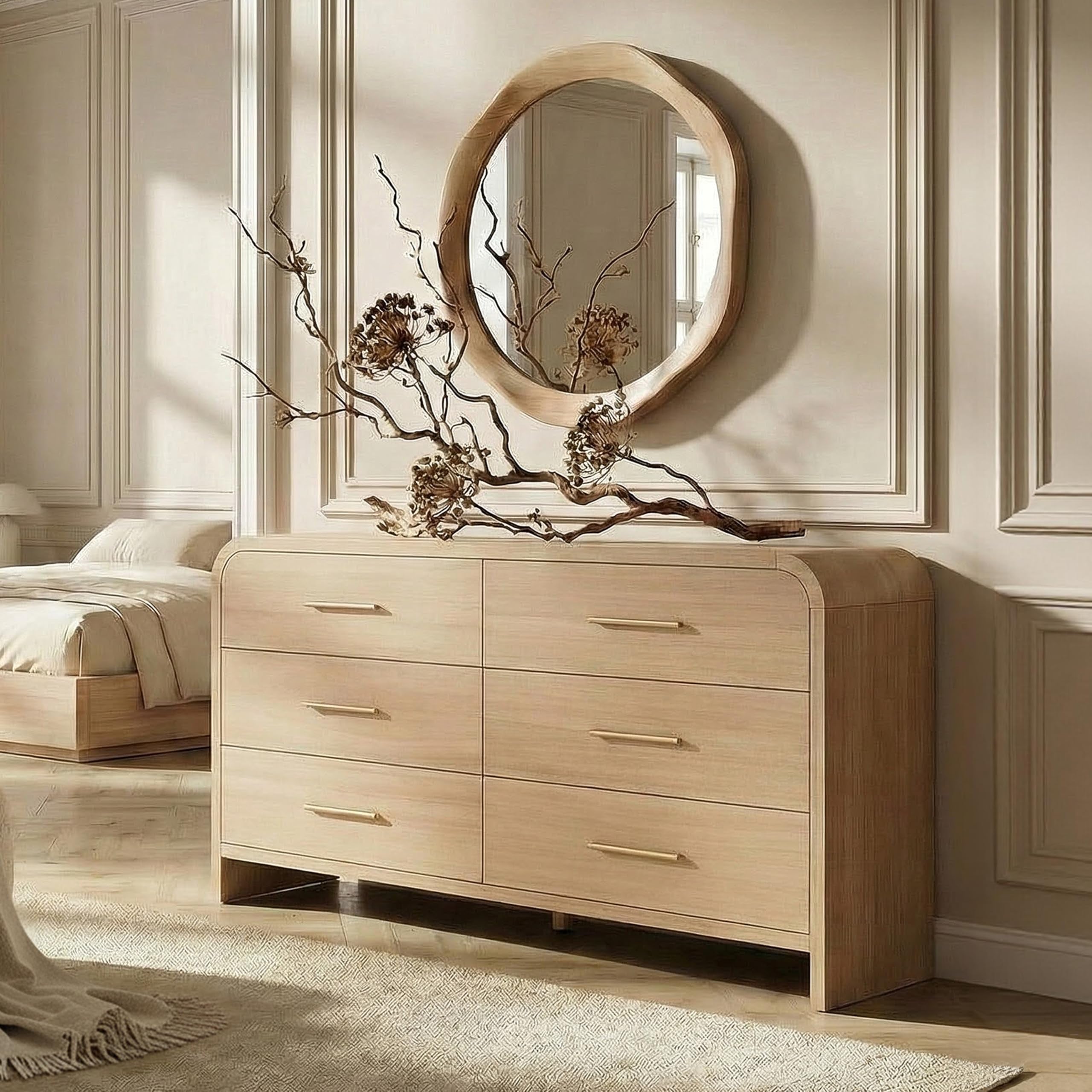
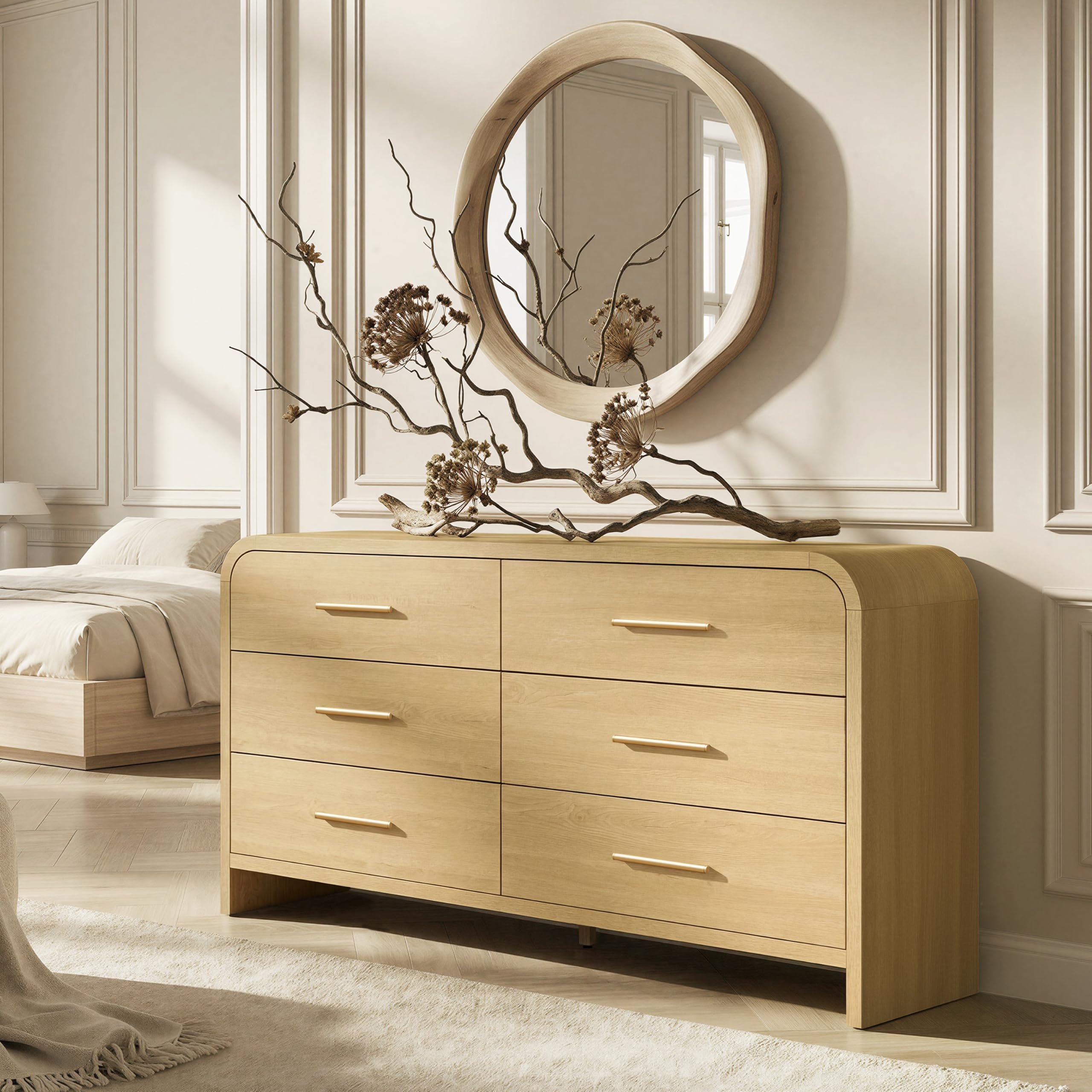
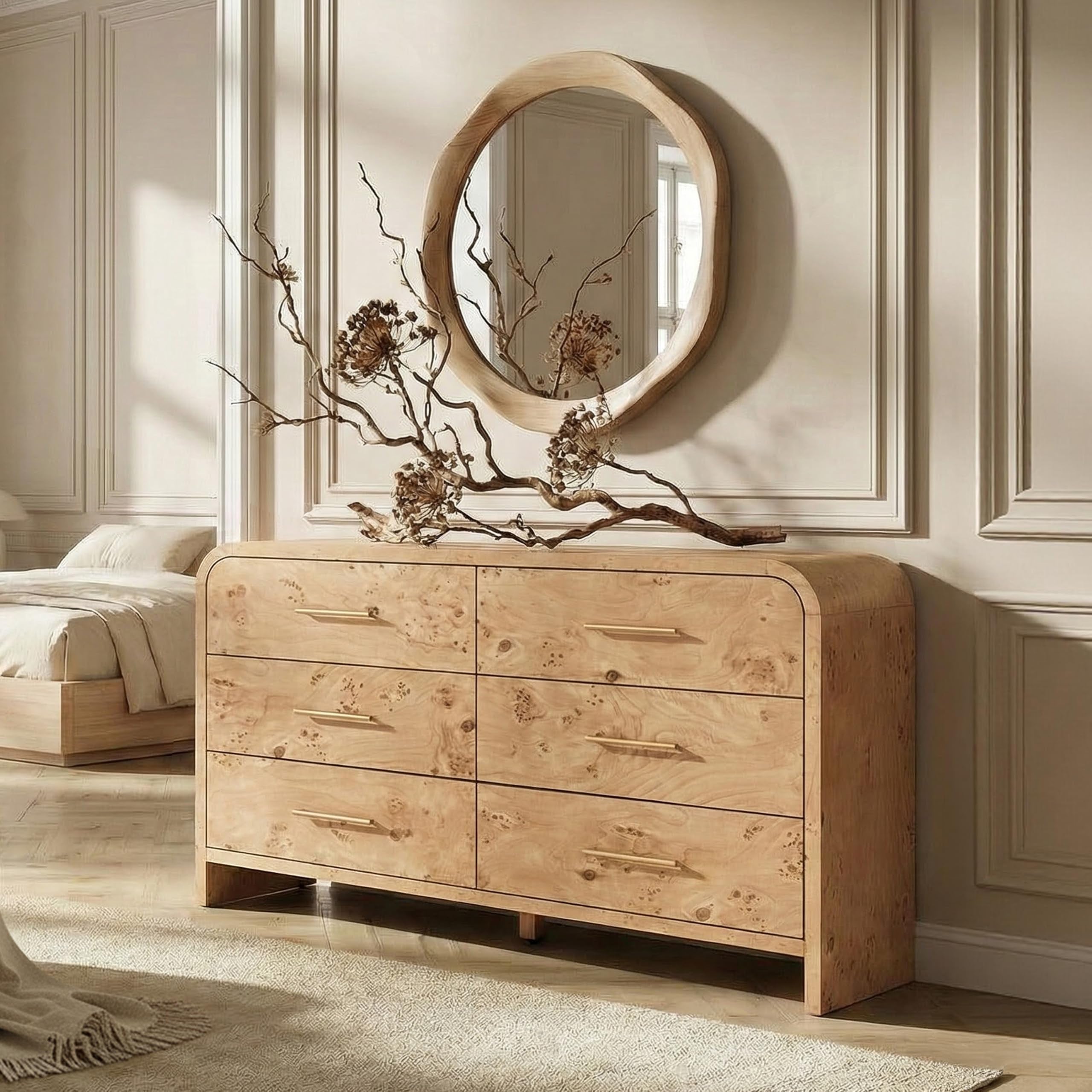
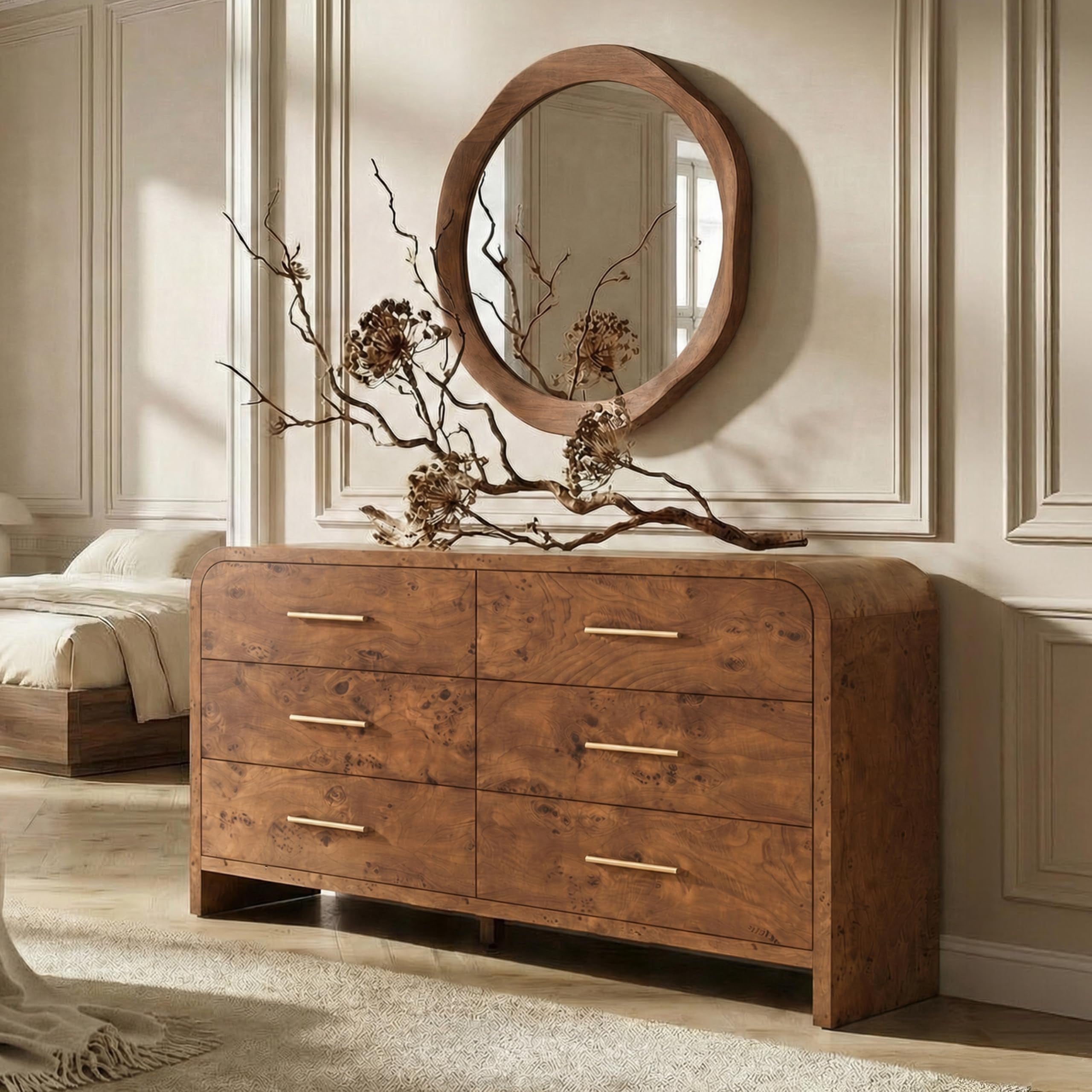


When choosing furniture, most people think about size first.
Will it fit against the wall?
Will it leave enough room to walk around?
Will it fit the things we need to store?
But there is another factor that can change how a room feels: visual weight.
Two pieces of furniture can take up almost the same amount of physical space and still make a room feel completely different. One may feel light and open, while the other feels solid and substantial.
Understanding visual weight can make furniture choices much easier.
What Makes Furniture Feel Visually Heavy?
Visual weight isn't simply about how much a piece weighs physically.
It comes from a combination of factors such as:
- Color
- Shape
- Material
- Height
- Depth
- Solid or open surfaces
- Amount of visible detail
A dark, solid cabinet with thick panels may feel heavier than a lighter-colored piece with woven or open details—even if they are similar in size.
That's why measurements alone don't always tell you how furniture will look in a room.
Darker Pieces Usually Feel More Grounded
Color has a strong influence on visual weight.
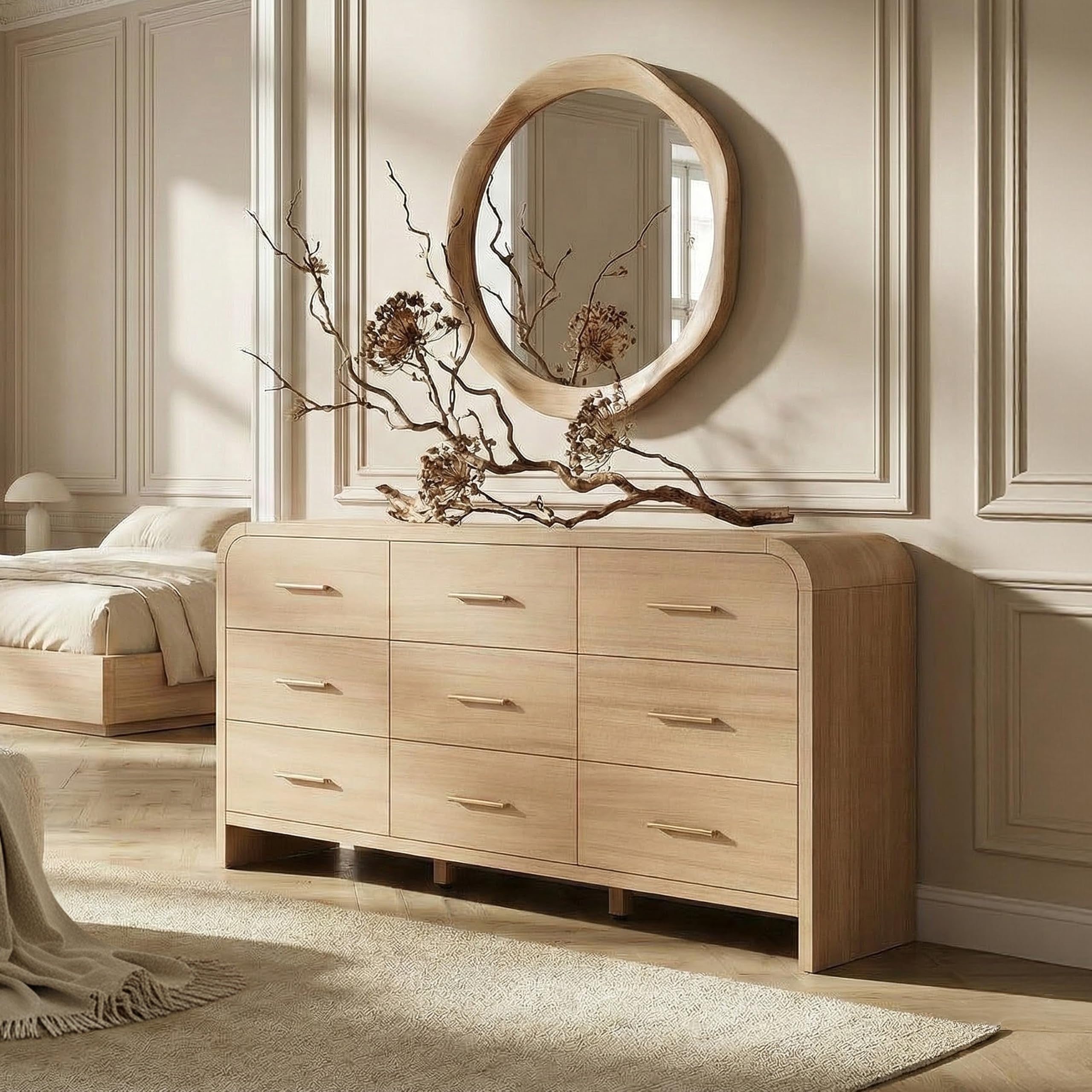
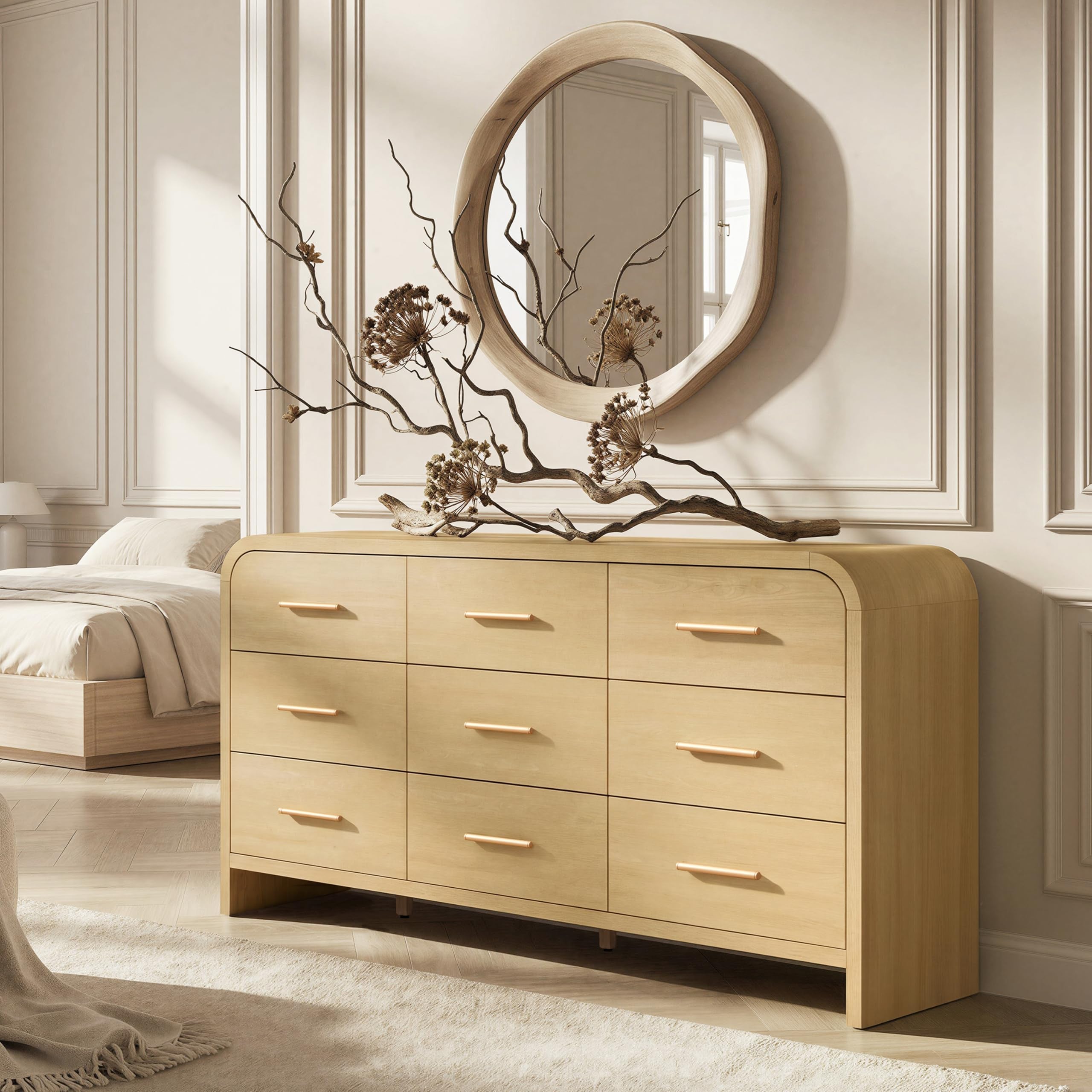
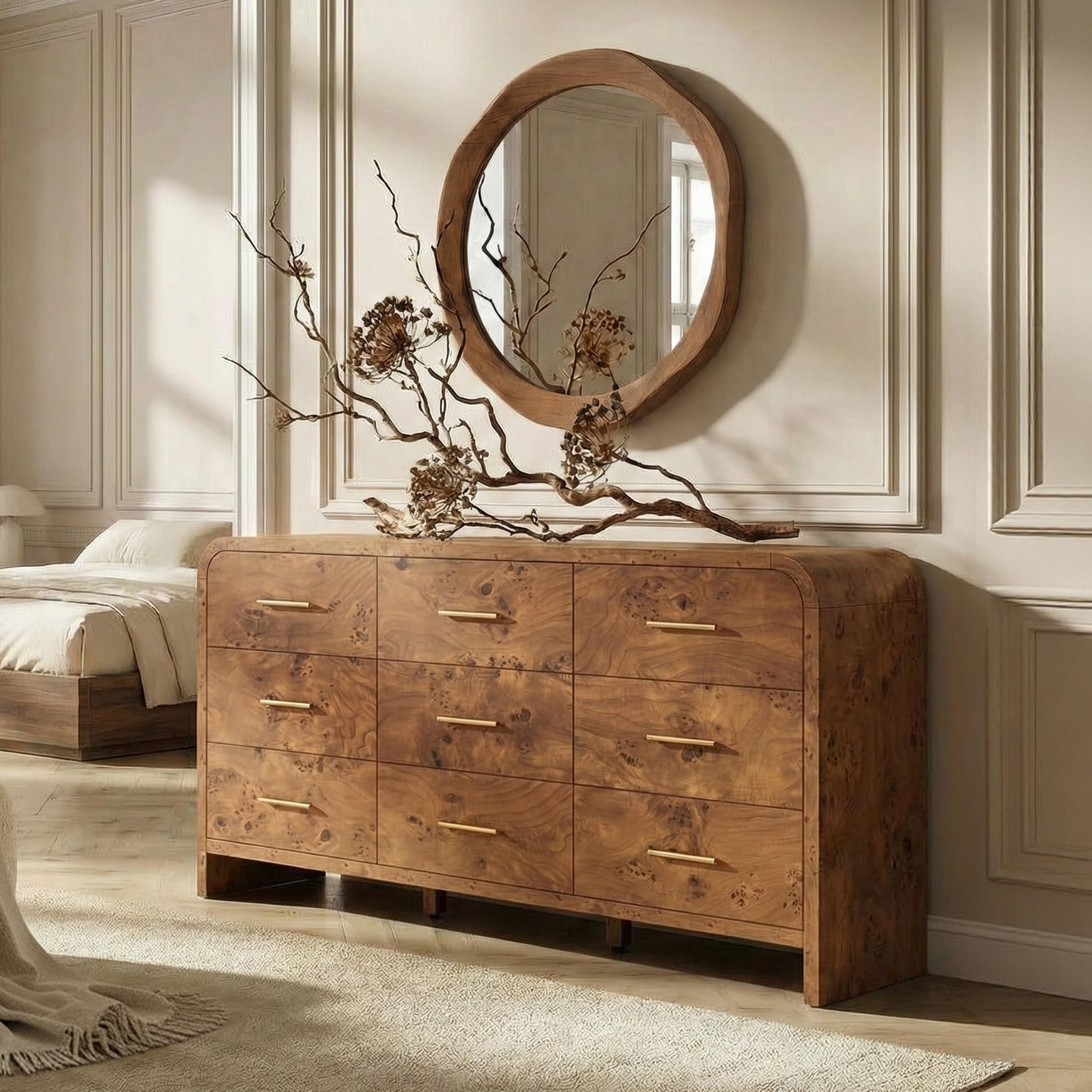
Darker furniture tends to draw the eye and create a stronger presence. This can be useful when you want a piece to anchor a room, especially in a large space with plenty of open area.
But in a smaller living room, several dark and bulky pieces can make the space feel more enclosed.
Lighter finishes, on the other hand, can help furniture visually recede and leave the room feeling more open.
Neither approach is automatically better.
It depends on the atmosphere you want to create.
Texture Can Change the Feeling of a Solid Piece
A completely solid surface creates a strong visual block.
Texture can break that block apart.
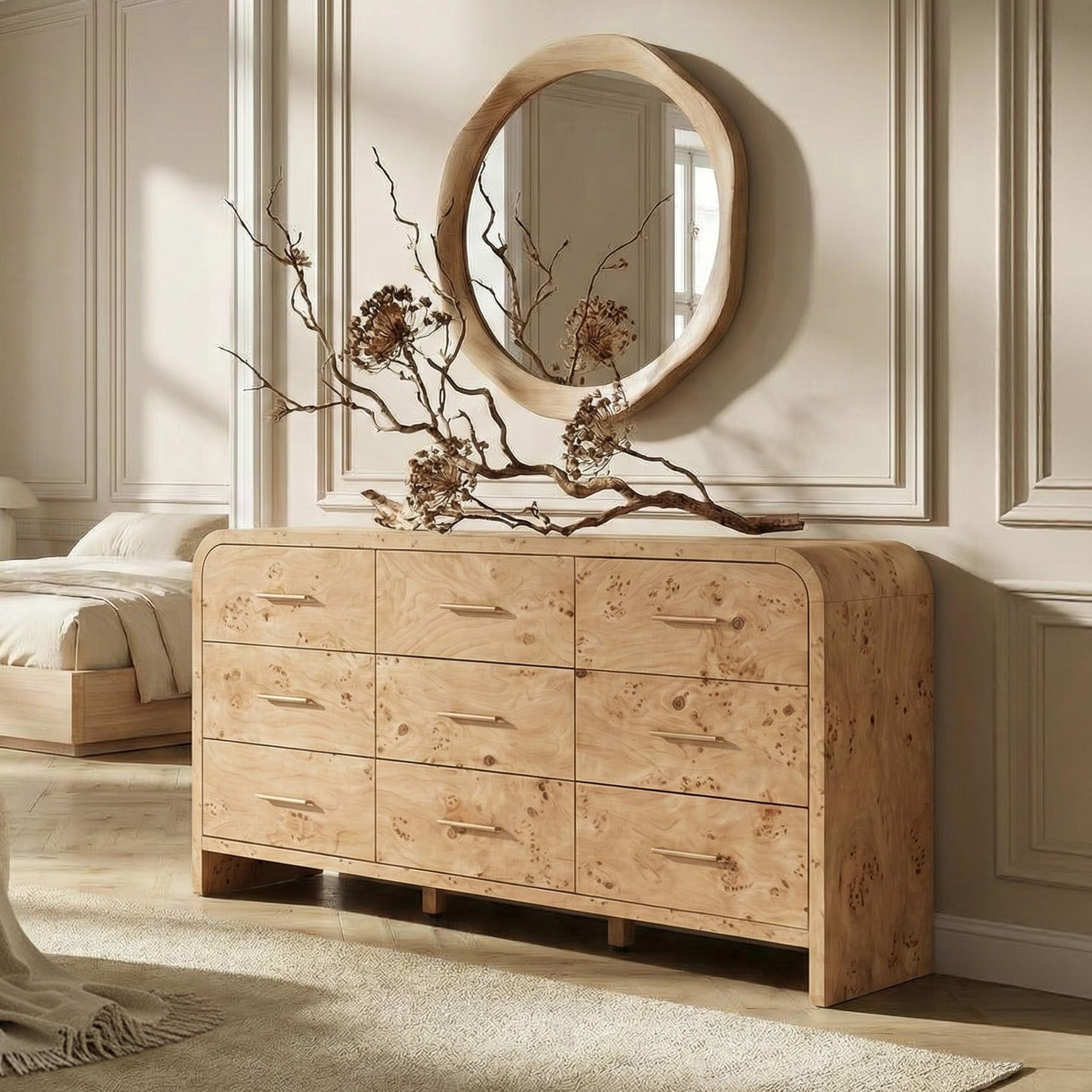
Woven doors, cane details, visible wood grain, or other patterned surfaces give the eye more to look at without necessarily making a piece feel heavier.
This is one reason woven furniture can work particularly well in living rooms.
A woven TV stand, for example, can provide substantial storage while introducing visual variation across a large piece of furniture.
Height and Width Change the Balance
The proportions of furniture matter just as much as its finish.
A wide, low TV stand can visually stretch a living room horizontally and create a sense of stability.
A tall cabinet draws the eye upward and can make use of vertical space without requiring a large footprint.
A narrow sideboard may feel lighter than a deep storage cabinet, even if both provide similar functions.
Thinking about the direction a piece emphasizes—horizontal or vertical—can help create better balance throughout the room.
Leave Some Breathing Room Around Larger Pieces
A large piece of furniture doesn't necessarily make a room feel crowded.
The space around it matters just as much.
A substantial cabinet can feel balanced when it has enough empty space around its sides and above it. Place several large pieces directly next to one another, however, and the room may begin to feel visually compressed.
This is where negative space becomes important.
A little room around furniture allows the eye to separate one piece from another.
Balance Doesn't Mean Everything Has to Match
A room can have furniture with different visual weights without looking uncoordinated.
In fact, contrast can make a space more interesting.
A substantial wooden TV stand can be balanced with a lighter sofa.
A dark cabinet can work against a light-colored wall.
A solid coffee table can be paired with softer upholstered seating.
The goal isn't to make every piece equally heavy.
It's to make sure the overall composition feels balanced.
Think About the Room as a Whole
Before buying a new piece of furniture, take a step back and look at everything already in the room.
Ask yourself:
- Which piece currently attracts the most attention?
- Are most of the furniture pieces dark or light?
- Does the room already have several solid surfaces?
- Is there enough open space between larger pieces?
- Would another substantial piece create balance—or make the room feel crowded?
These questions can be more useful than simply asking whether a particular piece looks attractive on its own.
The Right Furniture Doesn't Have to Disappear
Furniture with visual weight isn't something to avoid.
A room needs pieces that anchor it.
The key is knowing where that visual weight belongs.
A strong TV stand can define the entertainment area. A sideboard can anchor a dining space. A dresser can give a bedroom a clear center.
When the proportions, materials, and surrounding space work together, even substantial furniture can feel natural.
At Cozyshome, we believe good furniture design is about more than measurements. The way a piece looks, balances, and interacts with the space around it can be just as important as the space it physically occupies.
👉 Explore the collection: Corduroy Sectional Sofa - 2 Seat & 1 Ottoman

