


Some rooms look beautiful but still feel a little flat.
The furniture is well chosen, the colors work together, and everything seems to be in the right place. Yet something is missing. The space feels more like a collection of objects than a home with its own character.
Often, that missing element is texture.
Texture adds depth without requiring more color or decoration. It creates subtle contrasts, draws attention to details, and helps a room feel layered in a way that becomes more noticeable the longer you spend in it.
A Room Is More Than Its Color Palette
When decorating a room, it's easy to focus on color first.
A neutral sofa, a warm wood cabinet, and a cream-colored rug may look harmonious together. But if every surface feels equally smooth and visually similar, the room can lack dimension.
Texture introduces another layer of interest.
The grain of wood, the weave of fabric, and the slight irregularities of natural materials each create a different visual experience. Even within a restrained color palette, these details can keep a room from feeling one-dimensional.
Let Furniture Do More Than Fill a Space
Furniture occupies a significant part of a room, which makes it an ideal place to introduce texture.
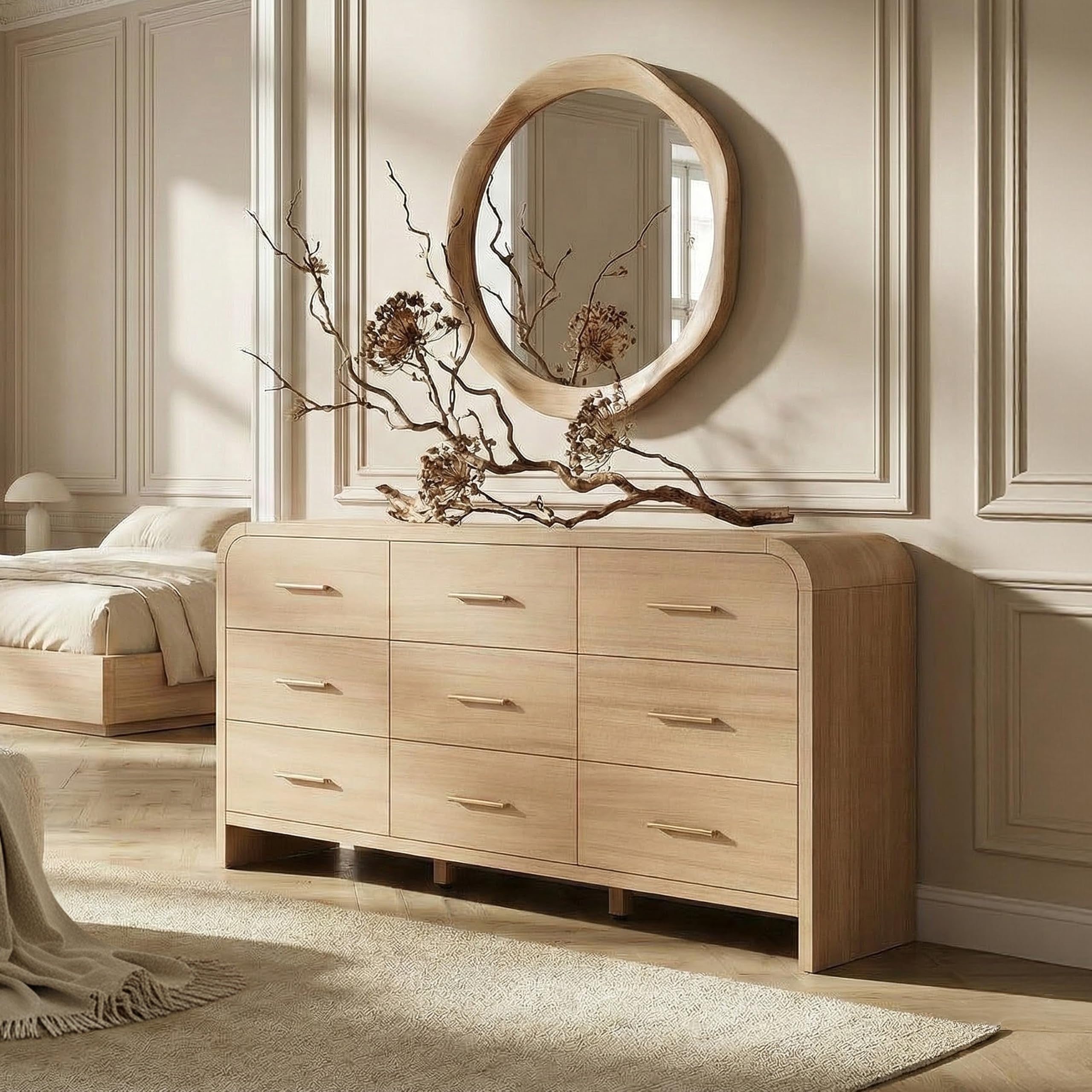
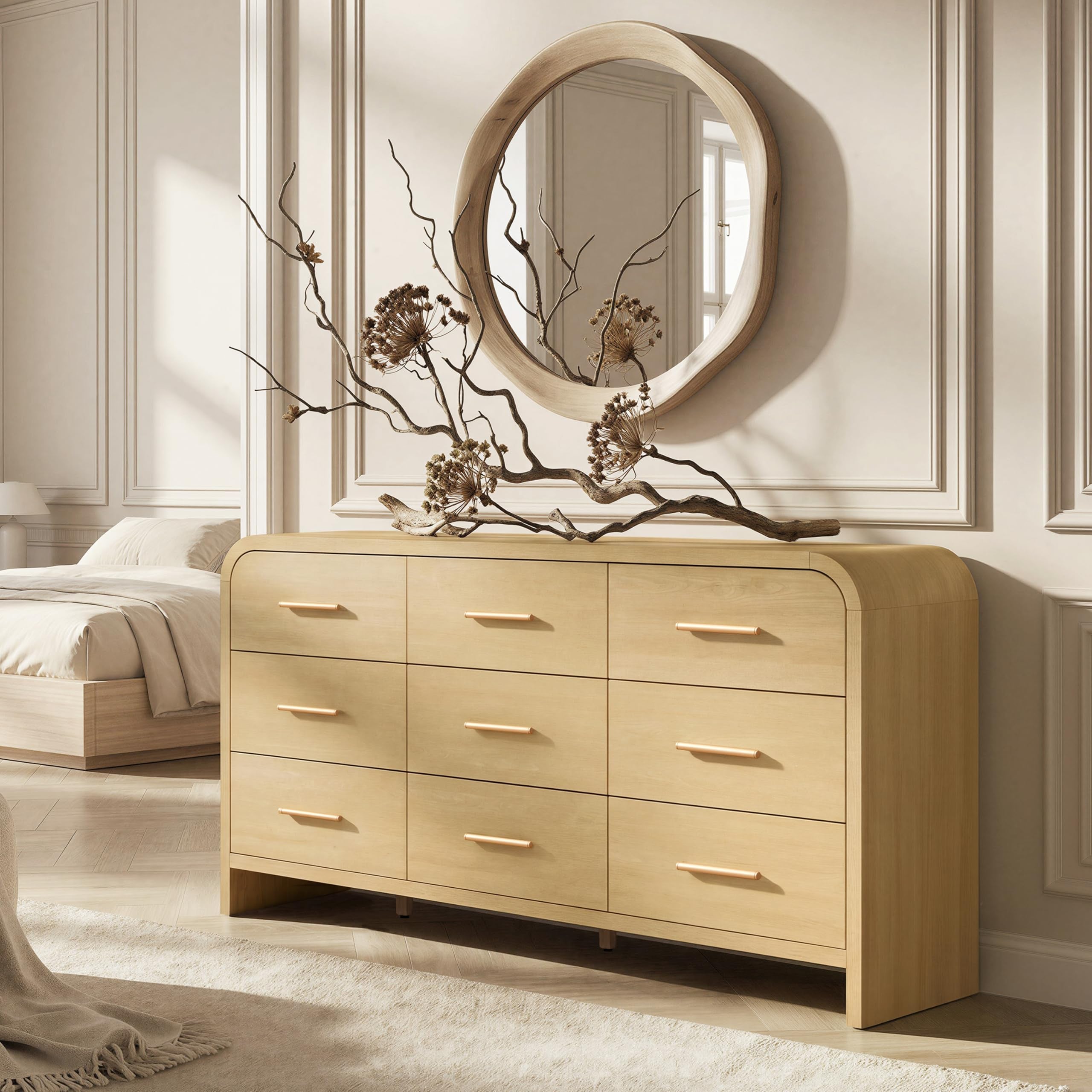
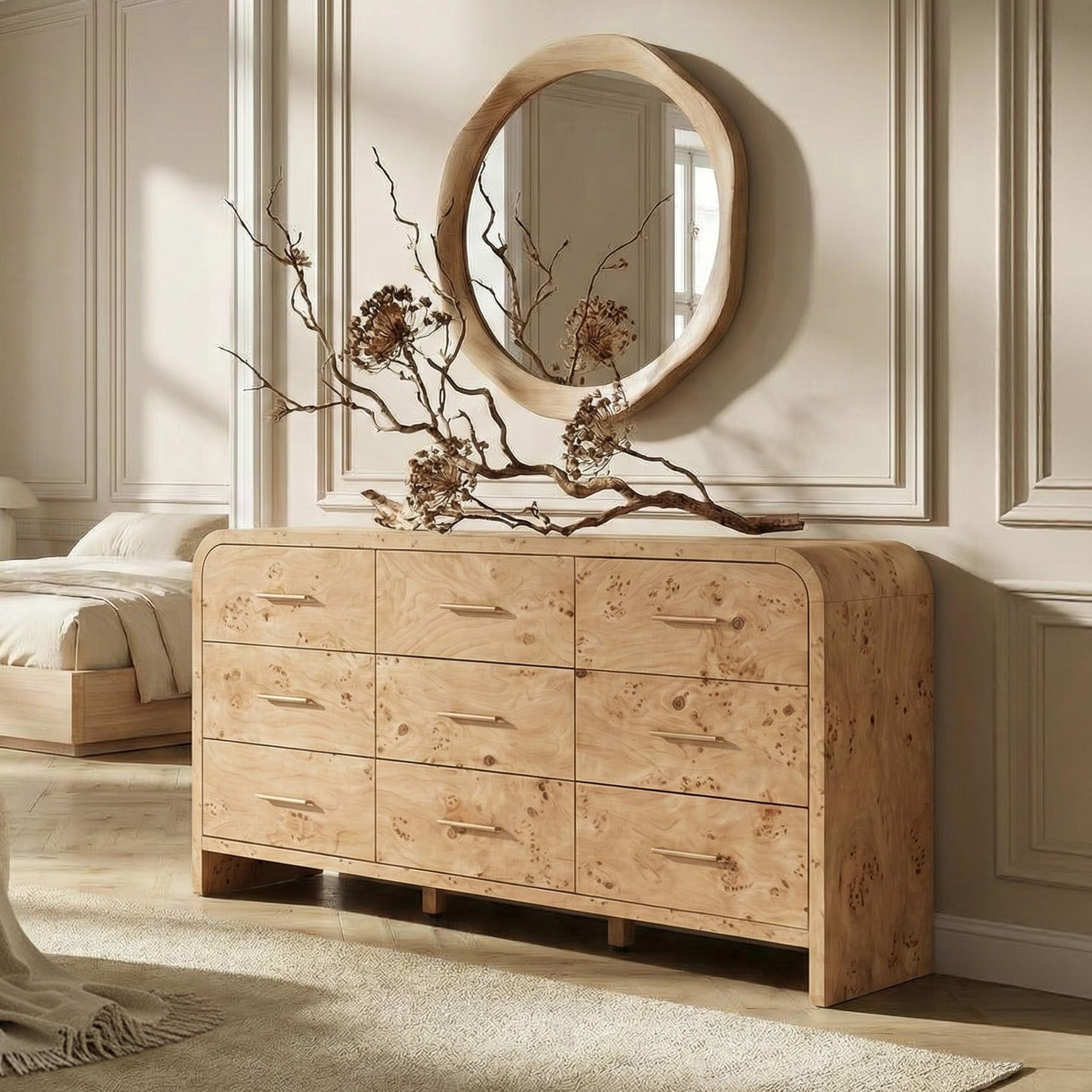
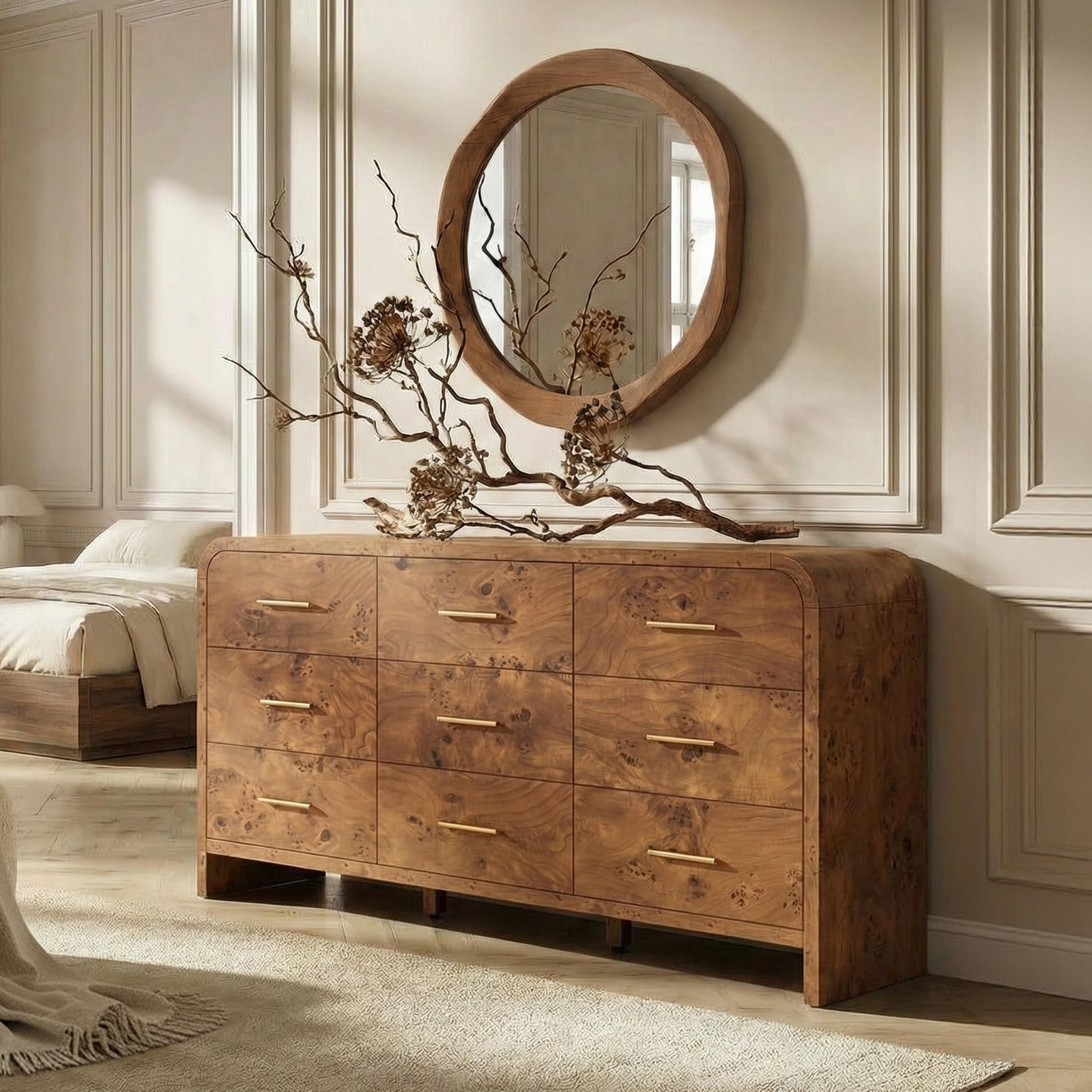
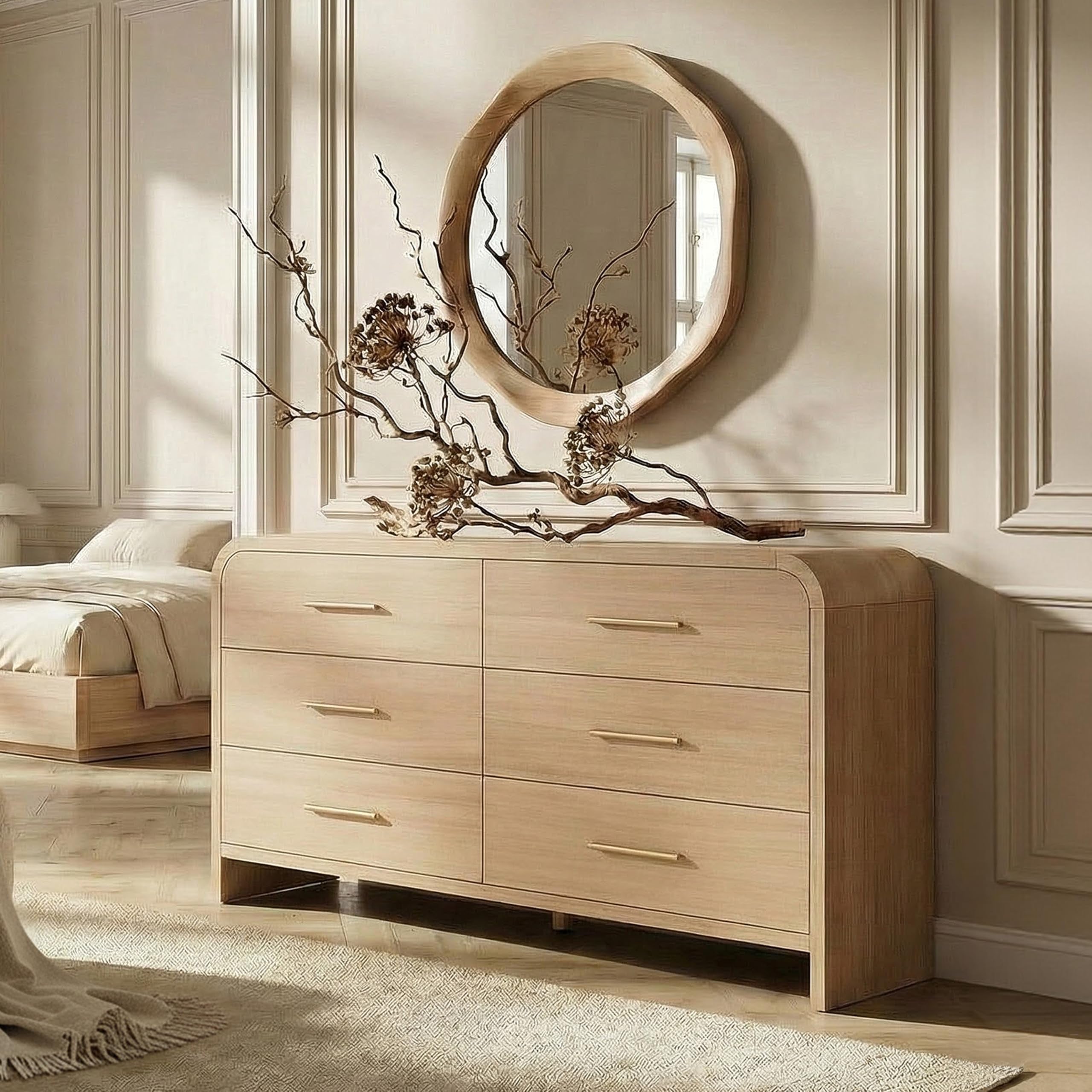
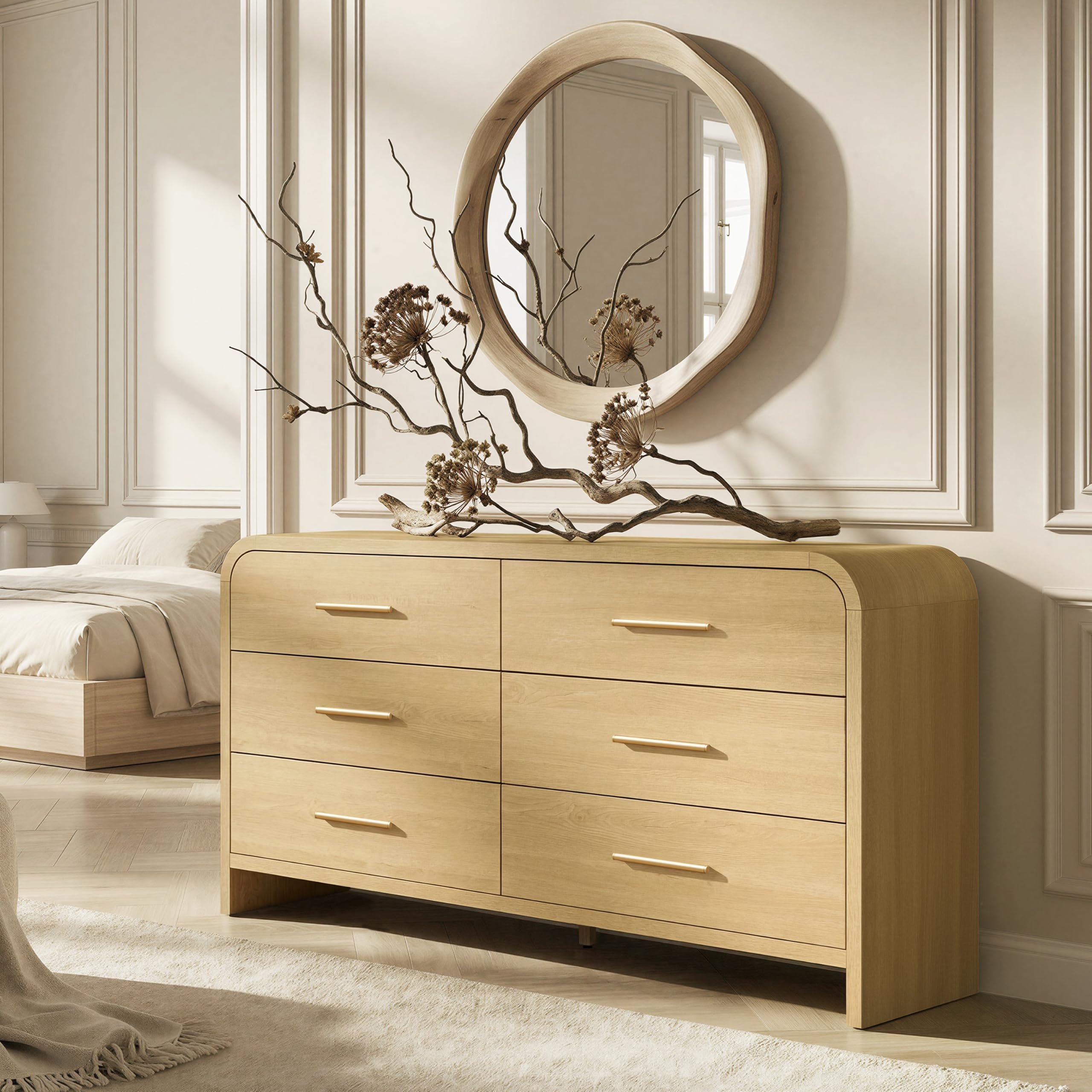
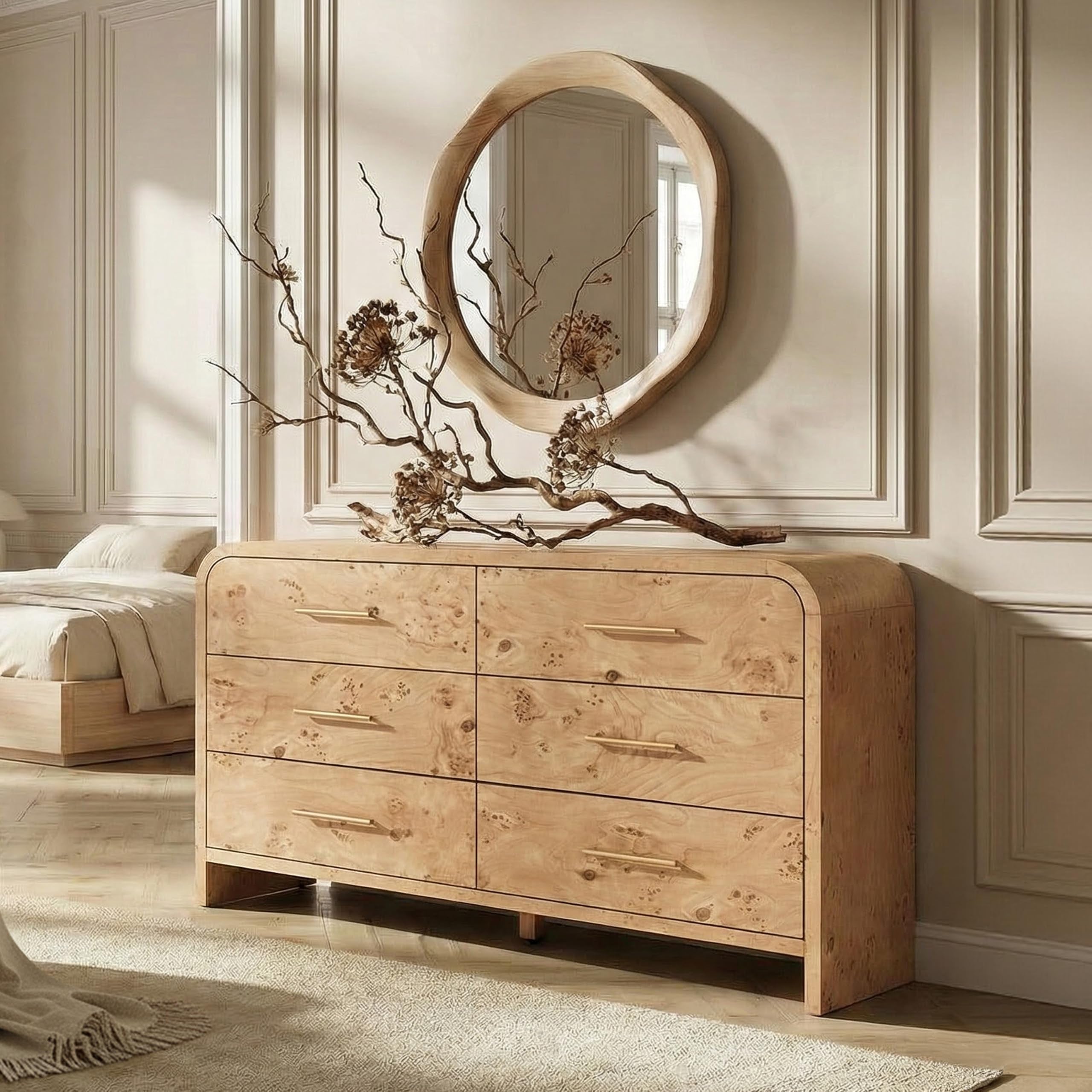
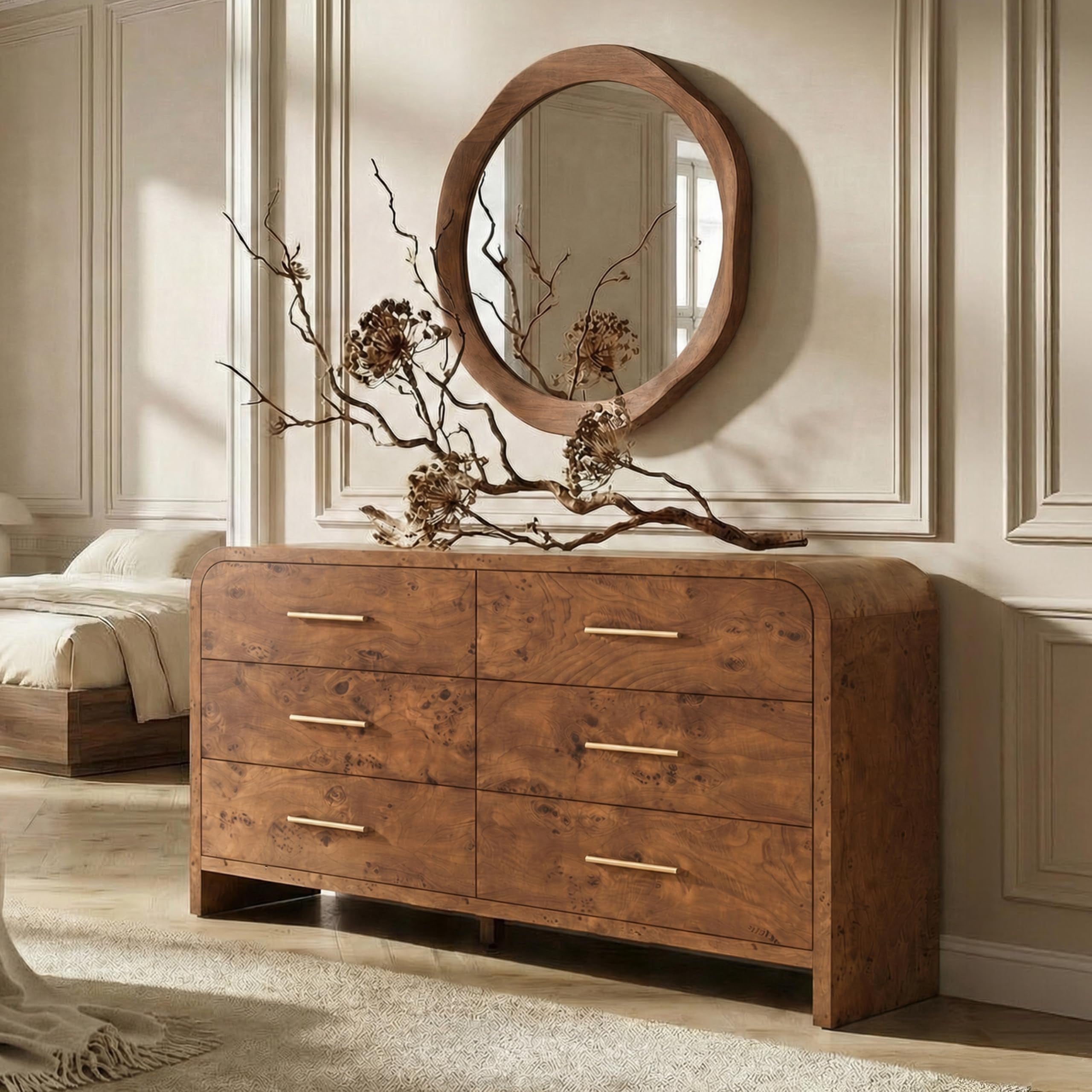
A wooden dresser with visible grain can add character to a quiet bedroom. A woven TV stand can bring detail to a living room without relying on bold colors. A fabric-upholstered chair can soften the appearance of harder surfaces nearby.
These pieces don't need elaborate shapes or decorative finishes to stand out.
Sometimes, the material itself provides enough interest.
Contrast Makes a Room Feel More Natural
A room filled with identical finishes can feel overly coordinated. On the other hand, too many unrelated textures can make it feel busy.
The balance often comes from pairing contrasting materials in a considered way.
- Smooth surfaces alongside woven details
- Soft upholstery next to solid wood
- Matte finishes paired with subtle reflective accents
- Structured furniture balanced by relaxed textiles
The contrast doesn't need to be dramatic. Small differences are often enough to give the room a more collected, natural appearance.
Texture Changes With the Light
One of the interesting things about textured surfaces is that they rarely look exactly the same throughout the day.
Morning light can highlight the grain of a wooden cabinet. Side lighting can reveal the depth of woven panels. Softer evening light can make upholstery and natural finishes feel warmer.
This gives a room a changing quality without requiring any changes to the furniture itself.
When choosing a piece, consider not only its color but also where it will sit in relation to windows, lamps, and other light sources.
Add Interest Without Adding Clutter
Introducing texture doesn't mean filling every available surface with decorative objects.
In fact, texture often works best when it has room to be noticed.
A single woven cabinet can provide enough detail against a relatively simple wall. A textured rug can anchor a seating area without requiring multiple decorative layers. A natural wood surface can bring warmth to a room that already contains plenty of visual activity.
Instead of adding more accessories, consider whether one thoughtfully chosen material could do the work.
Proportion Still Matters
Texture may attract attention, but furniture still needs to suit the space.
A large cabinet with a heavily patterned finish can dominate a small room. Several textured pieces placed close together may compete for attention. A delicate woven detail, by contrast, might disappear if surrounded by furniture with equally strong visual features.
Think about the scale of each piece and how its surface relates to the rest of the room.
The aim is not to make every item noticeable. It's to give the room a sense of depth while allowing individual pieces to work together.
Everyday Materials, Lasting Character
Texture doesn't have to follow a seasonal trend.
Natural wood grain, woven details, tactile fabrics, and understated finishes can remain appealing even as colors and decorating styles change. They provide character through their surfaces rather than depending entirely on a particular look.
This makes texture a useful starting point when choosing furniture that can adapt as a home evolves.
A room can change its accessories, artwork, or color accents while keeping the same material foundation.
Let the Details Make the Difference
A comfortable home doesn't need to be filled with statement pieces.
Sometimes, its character comes from quieter details: the grain on a cabinet door, the fabric of a favorite chair, or the contrast between a solid wood frame and a woven surface.
These elements make a room more interesting without asking for constant attention.
At Cozyshome, we believe thoughtful interiors are built not only through the furniture we choose, but also through the materials we bring into everyday life. Making room for texture is a simple way to create a home that feels layered, warm, and personal.
👉 Explore the collection and enjoy a great deal: Ripple Pantry Cabinet

