


Most of us don't think much about furniture once it's in place. We get used to the chair by the window, the cabinet beside the sofa, or the table where everything seems to end up.
But over time, these pieces begin to shape how we use our homes.
Where we pause in the morning. Where we leave something for tomorrow. Where we settle down after a long day. Furniture quietly influences these habits, often without us noticing.
A well-designed home doesn't need to accommodate every possible activity. It needs to make the things we do most often feel natural.
The Day Begins Before You Leave the House
Mornings tend to follow familiar patterns, even when we're in a hurry.
We get dressed, look for our essentials, check the weather, and gather everything we need before heading out. When the bedroom and entryway are arranged around these habits, the morning can feel less scattered.
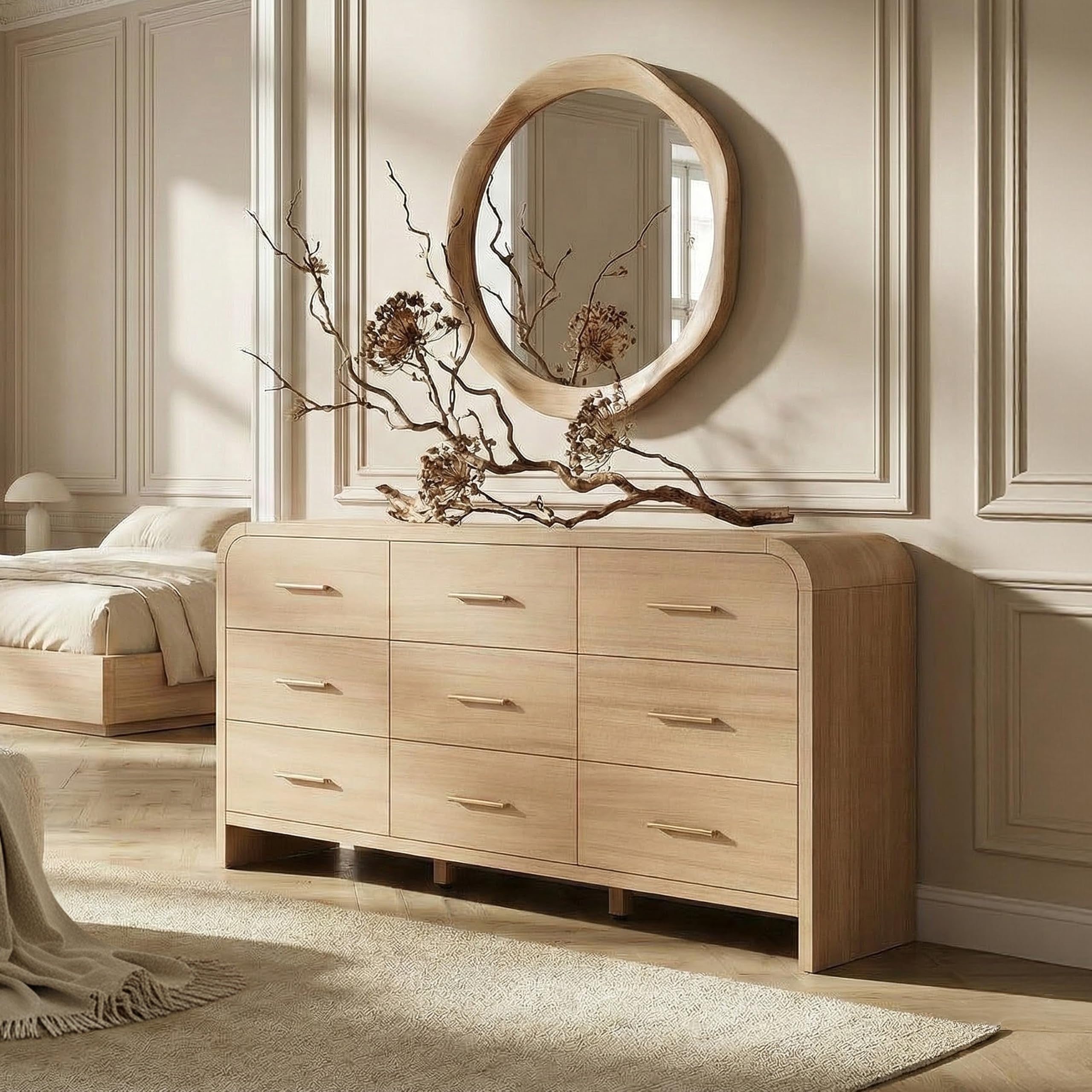
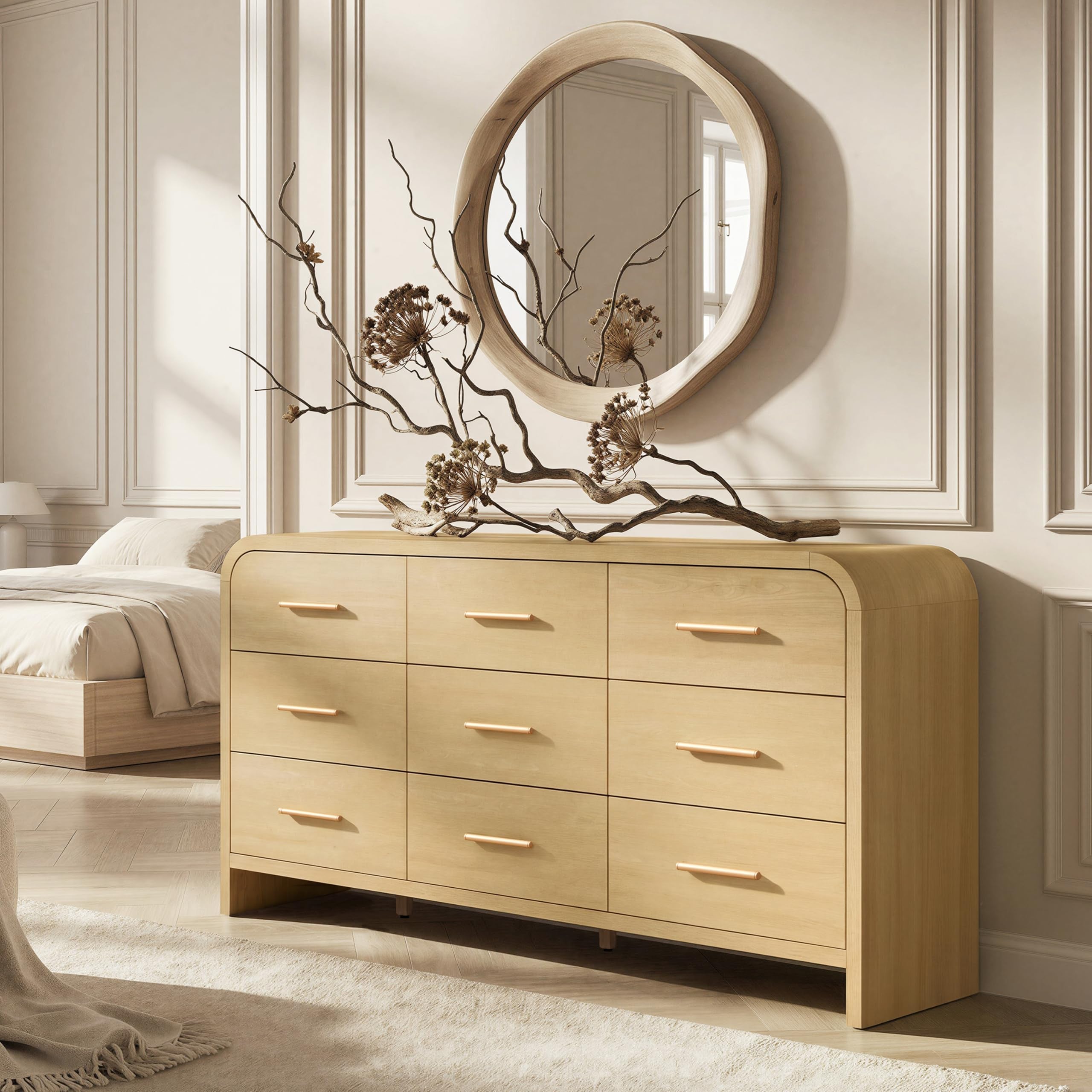
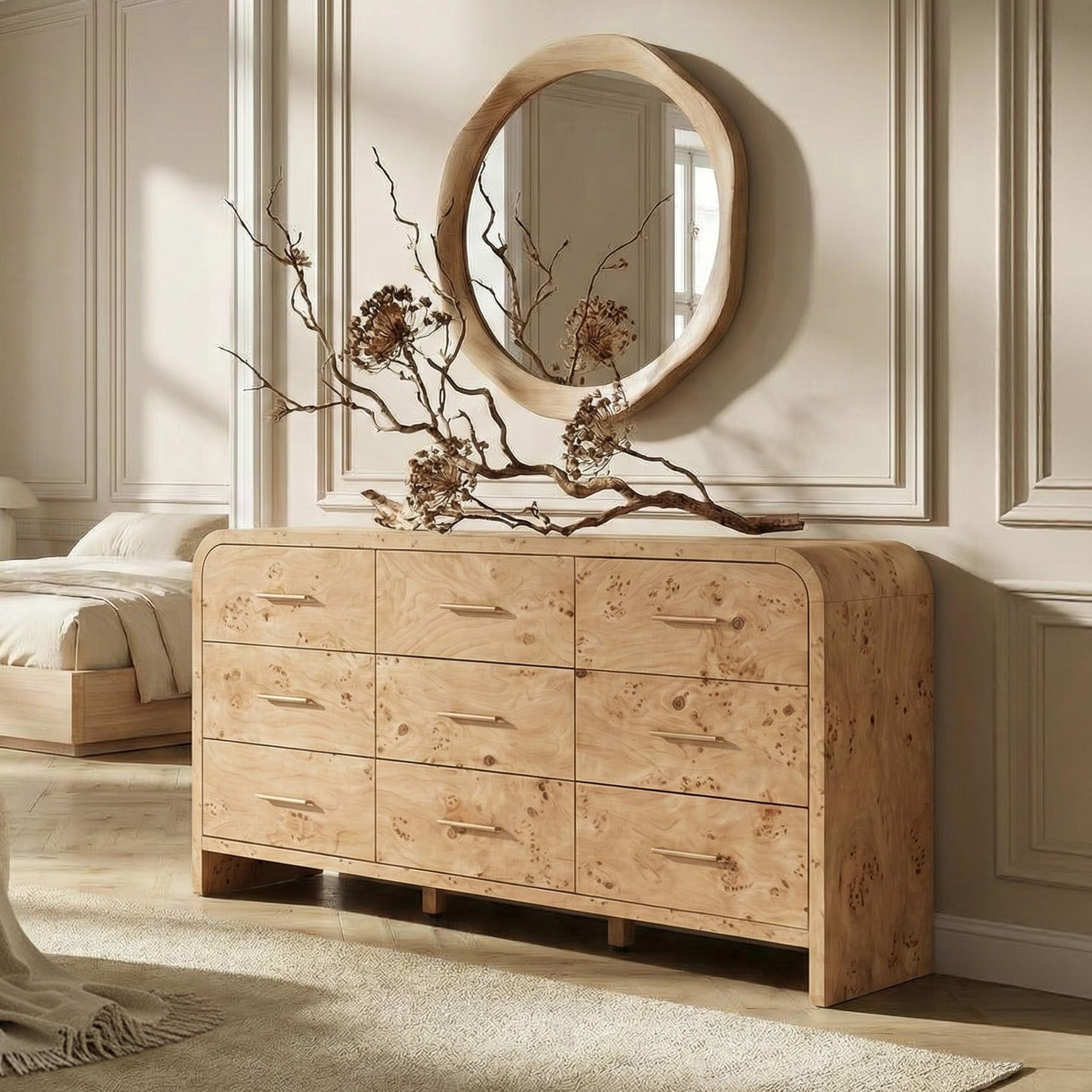
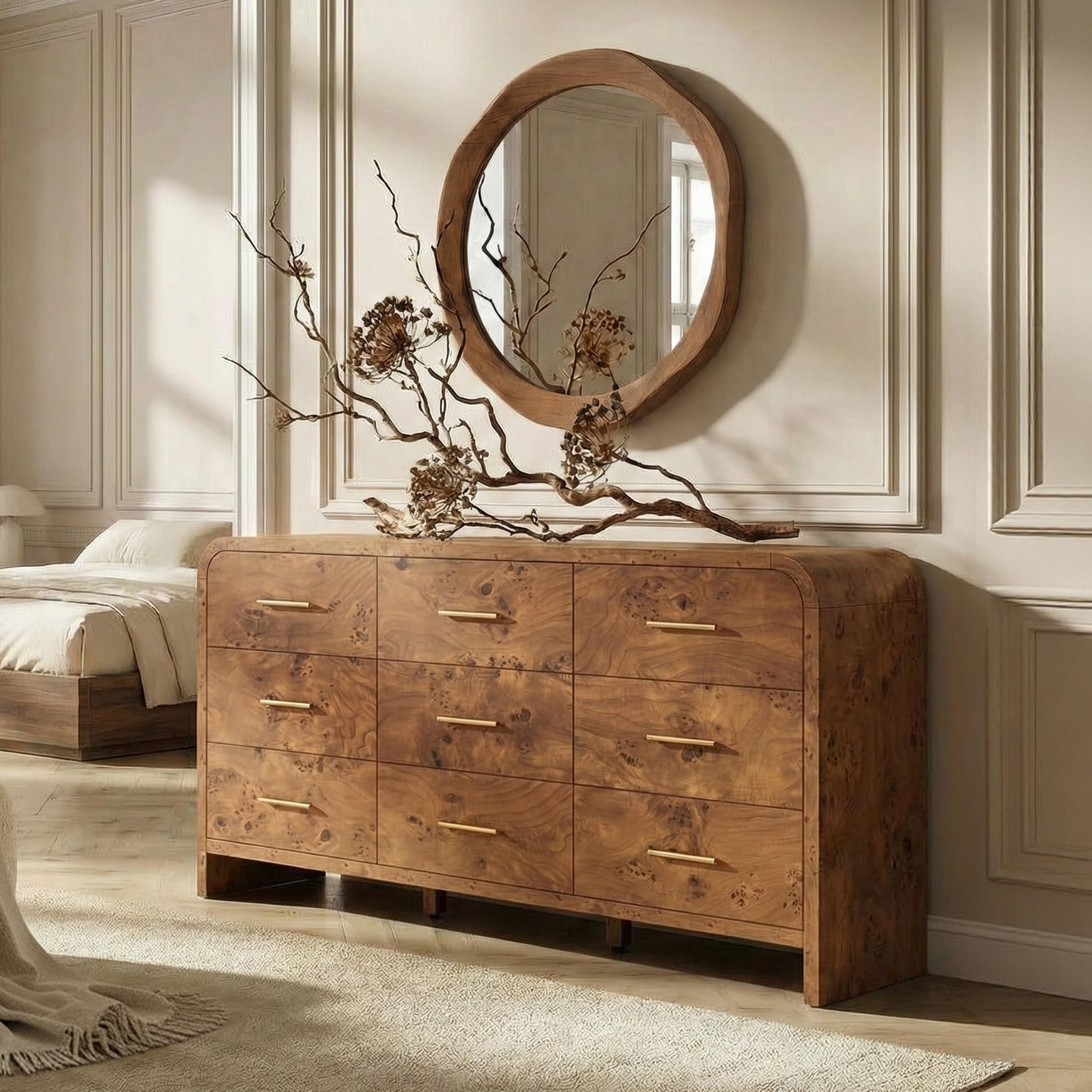
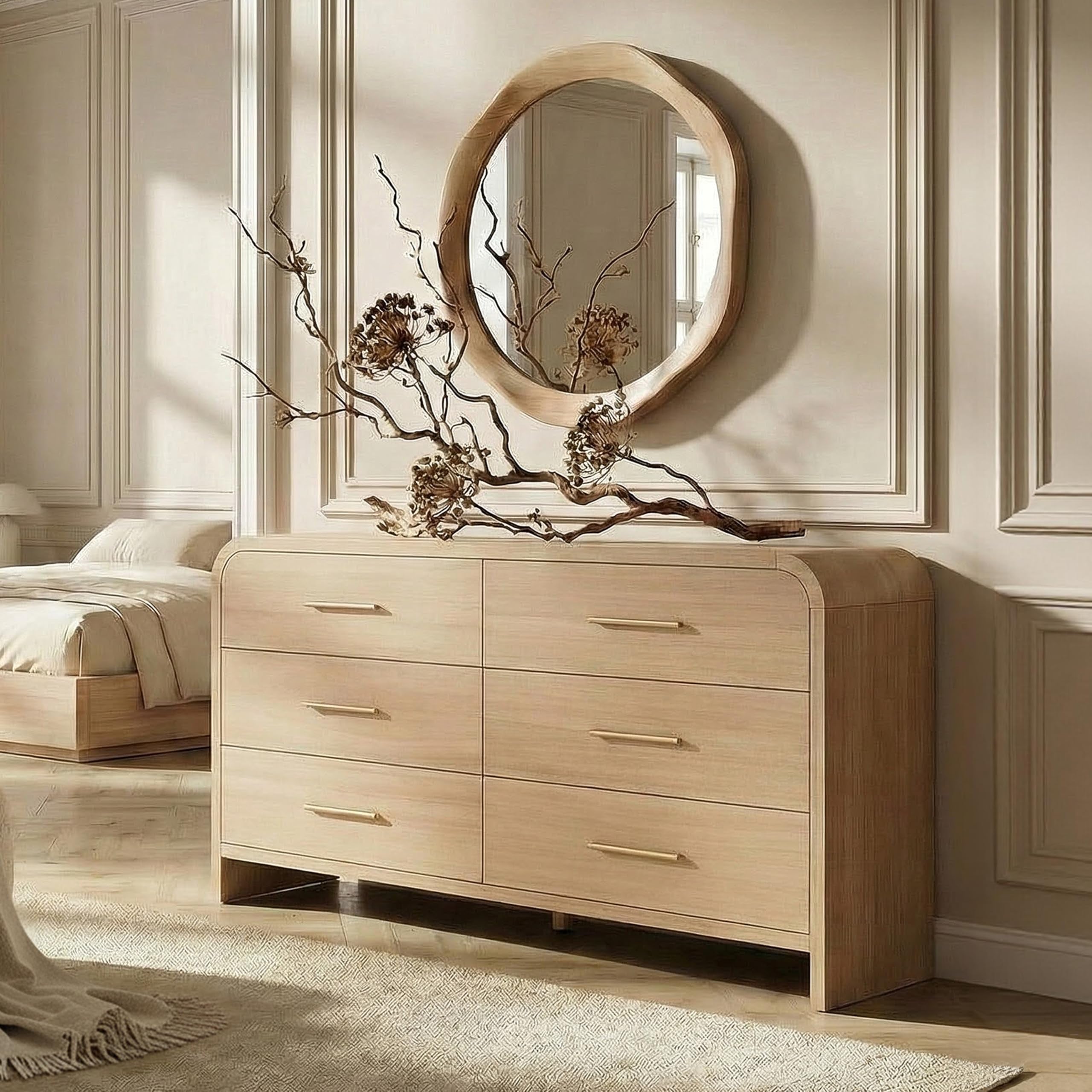
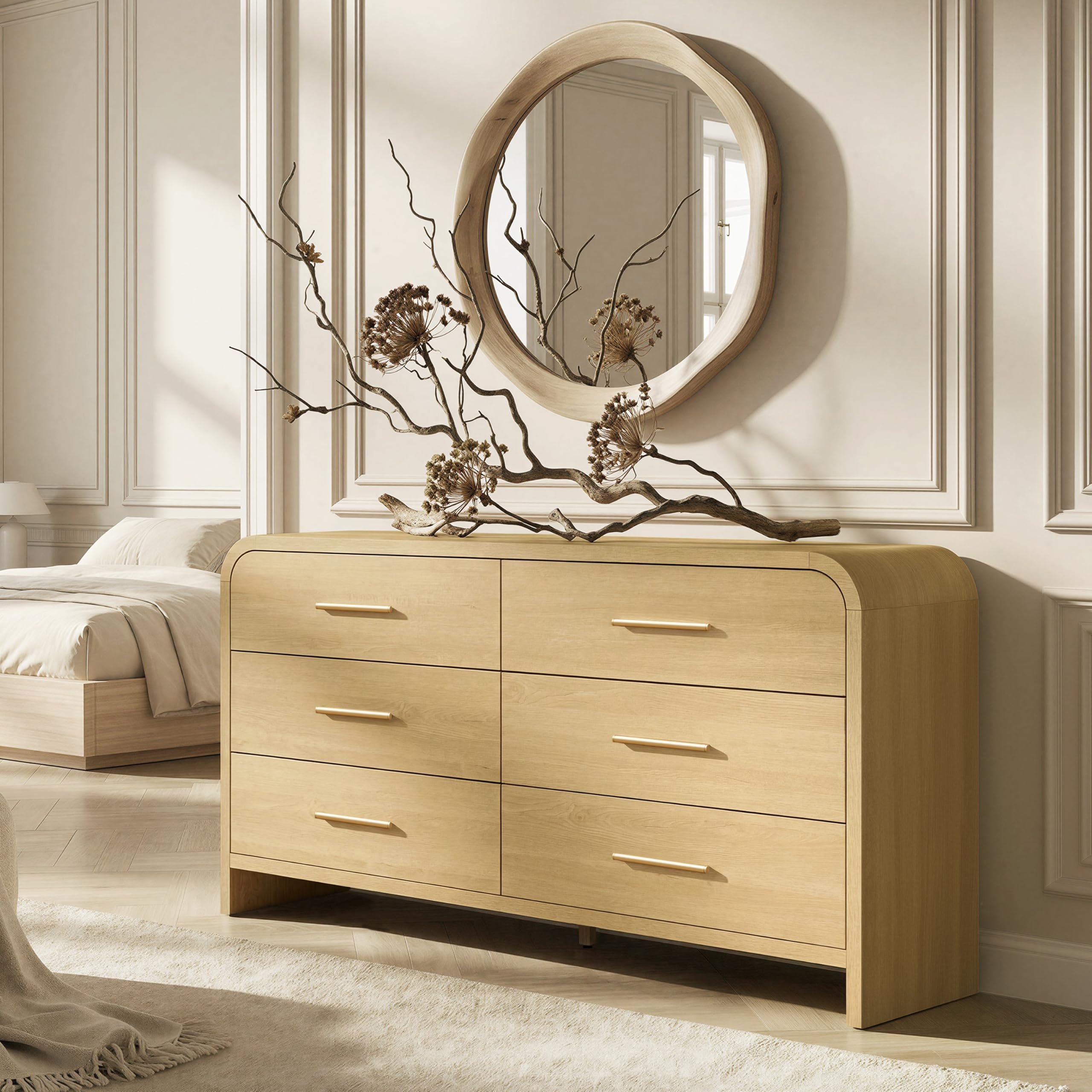
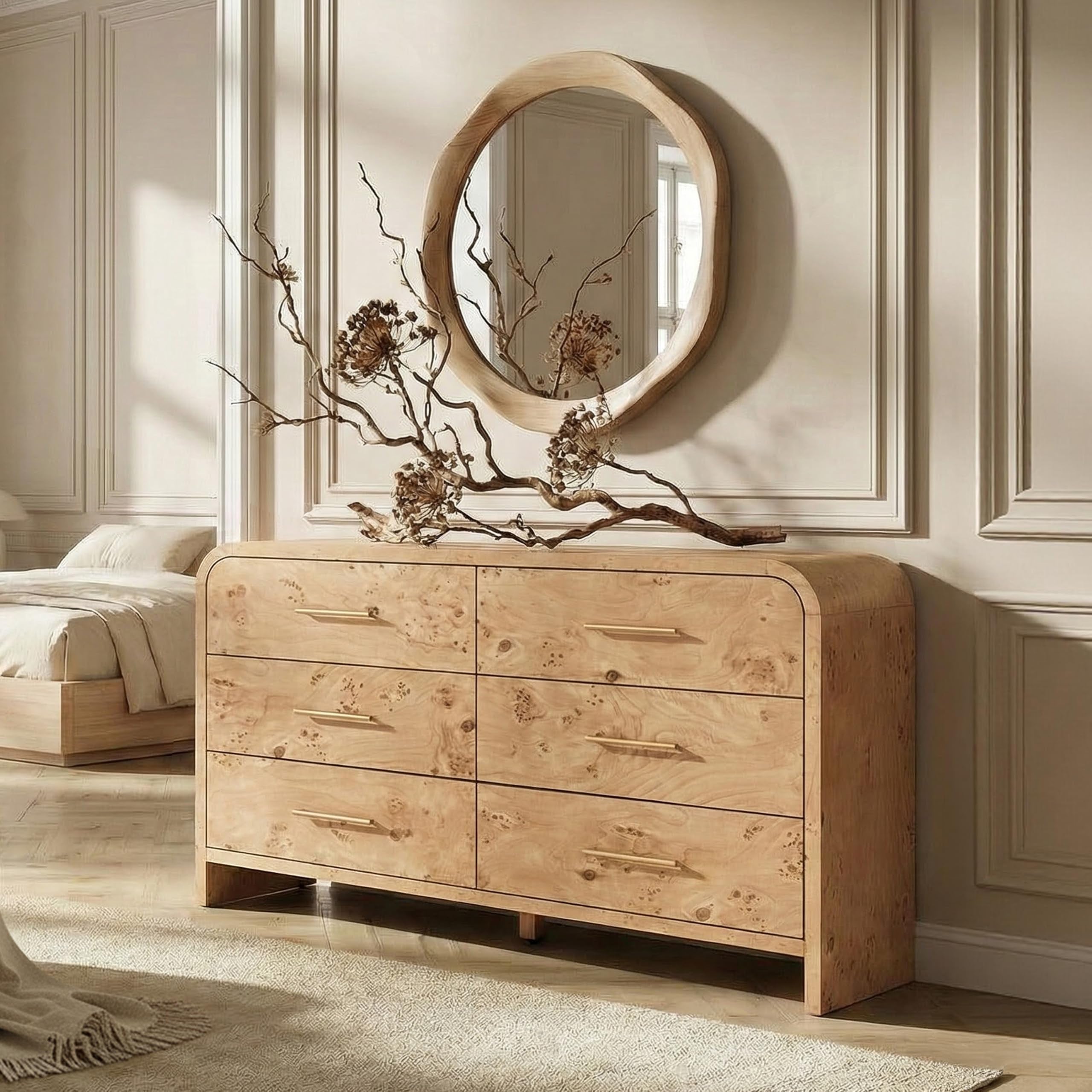
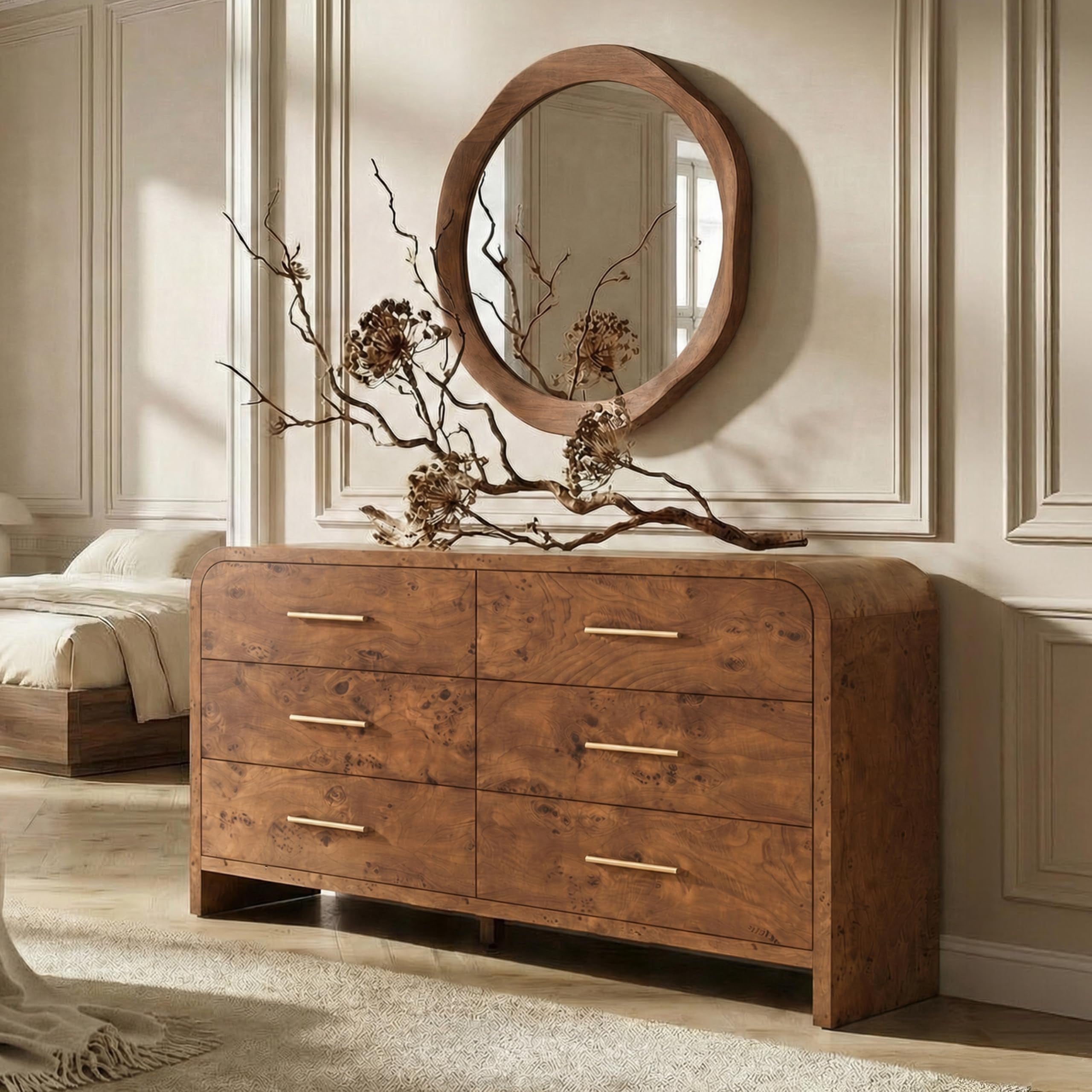
A dresser positioned where getting dressed feels convenient, a mirror placed where it's useful, or a console table near the entrance can each support a different part of the routine.
The point isn't to create a perfectly organized morning. It's to remove a few unnecessary steps from one that already exists.
Some Furniture Changes How We Use a Room
A room's purpose isn't determined by its name alone.
Place a comfortable chair near a window, and an overlooked corner may become a favorite reading spot. Add a small table beside the sofa, and there's suddenly a natural place for an afternoon coffee. Position a cabinet along an empty wall, and the room may feel more complete without needing additional decoration.
These changes don't always require buying more furniture. Sometimes, they begin with seeing an existing piece in a different way.
Make Space for the In-Between Moments
Not every moment at home belongs to a clearly defined activity.
There's the ten minutes between finishing work and making dinner. The quiet pause before bed. The time spent chatting with someone while neither person is doing anything in particular.
These in-between moments are easy to overlook when designing a room around obvious functions such as sleeping, dining, or watching television.
Yet they are often what make a home feel personal.
A flexible seating arrangement, a surface that can serve more than one purpose, or a comfortable corner with enough room to pause can make space for these less structured parts of the day.
Good Layouts Reduce Small Frustrations
A room can look beautiful in a photograph and still feel inconvenient to live in.
Perhaps a chair blocks the natural route across the room. Perhaps a cabinet looks right against the wall but makes the surrounding area feel cramped. Perhaps the coffee table leaves just enough room to walk through, but not enough to move comfortably.
These details matter because they are repeated.
When furniture is arranged around the way people actually move, everyday activities require less adjustment. Walking across the room, reaching for something, or moving between different areas begins to feel effortless.
Good layout is not simply about making everything fit. It's about making the space work without constantly asking for your attention.
Let Furniture Support More Than One Habit
Homes change throughout the day, and furniture can be more flexible than we sometimes expect.
A sideboard might display a few favorite objects while keeping less attractive essentials out of sight. A spacious coffee table might hold books in the afternoon and make room for snacks in the evening. A cabinet can contribute to the room's visual balance while serving a practical purpose.
This is where material and design matter, too.
Natural wood, woven details, and thoughtful proportions can help functional furniture feel like part of the interior rather than equipment added for convenience.
The most successful pieces often bring usefulness and character together.
Don't Design Every Moment in Advance
There's a difference between a home that supports daily life and one that feels overly planned.
Not every surface needs a designated object. Not every corner needs a purpose. Not every activity requires its own piece of furniture.
Leaving room for flexibility allows a home to change with its occupants. A space that works for quiet evenings today might become a place for visiting friends tomorrow.
A little openness can be just as valuable as a carefully chosen cabinet or table.
A Home That Keeps Up With You
The relationship between furniture and daily life is rarely dramatic. It's built through repetition.
A room becomes familiar because we use it in familiar ways. Certain pieces become indispensable because they make ordinary activities feel easier. Others gradually lose their place because our routines have changed.
That is why furnishing a home shouldn't be only about completing a room or following a particular style. It should also be about understanding how you want to live in it.
At Cozyshome, we believe furniture should do more than occupy space. The right pieces help a home adapt to everyday rhythms, leaving room not only for routines, but also for the unexpected moments that make life at home feel like your own.
👉 Explore the collection and enjoy a great deal: Ripple 1-Drawer Nightstand

