
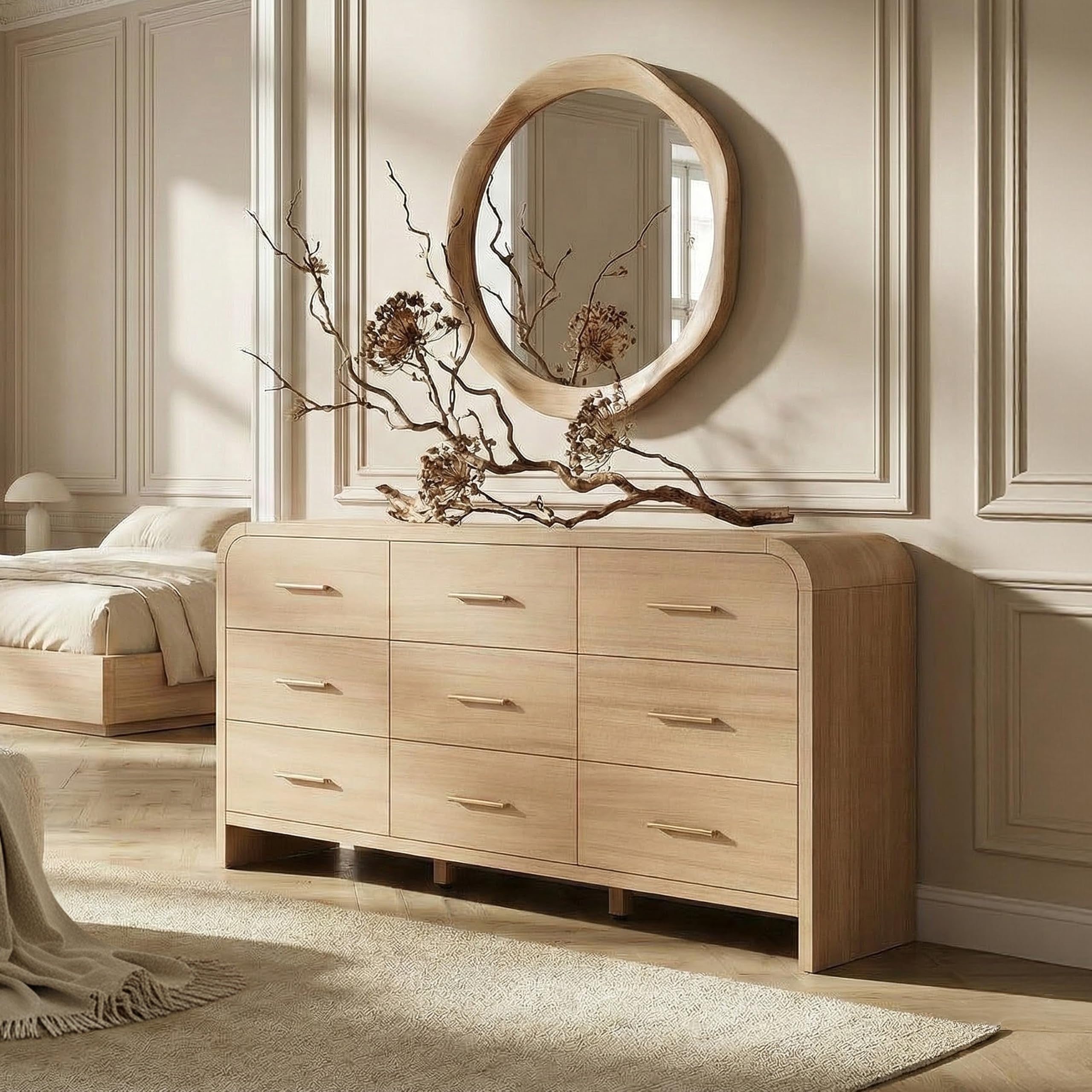
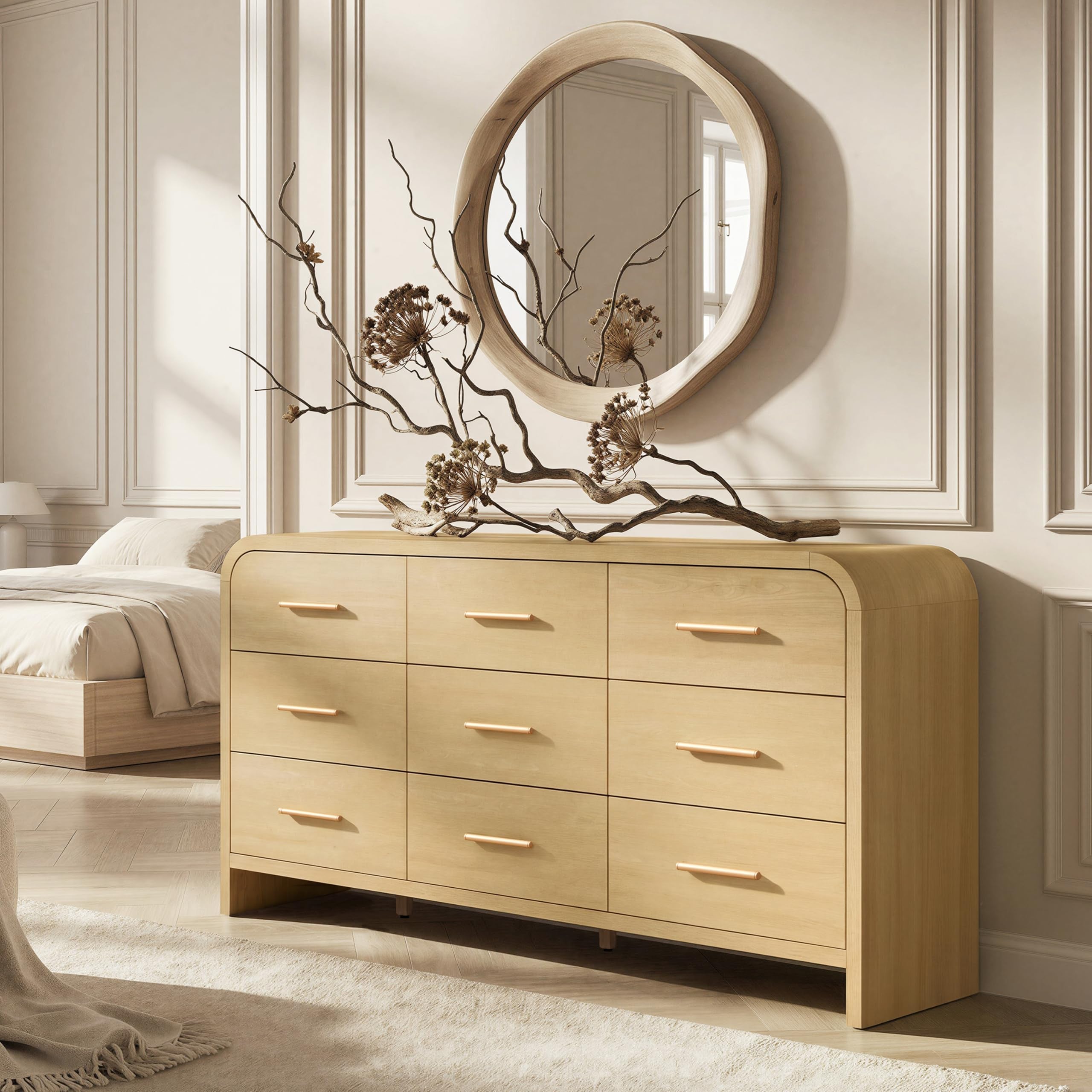
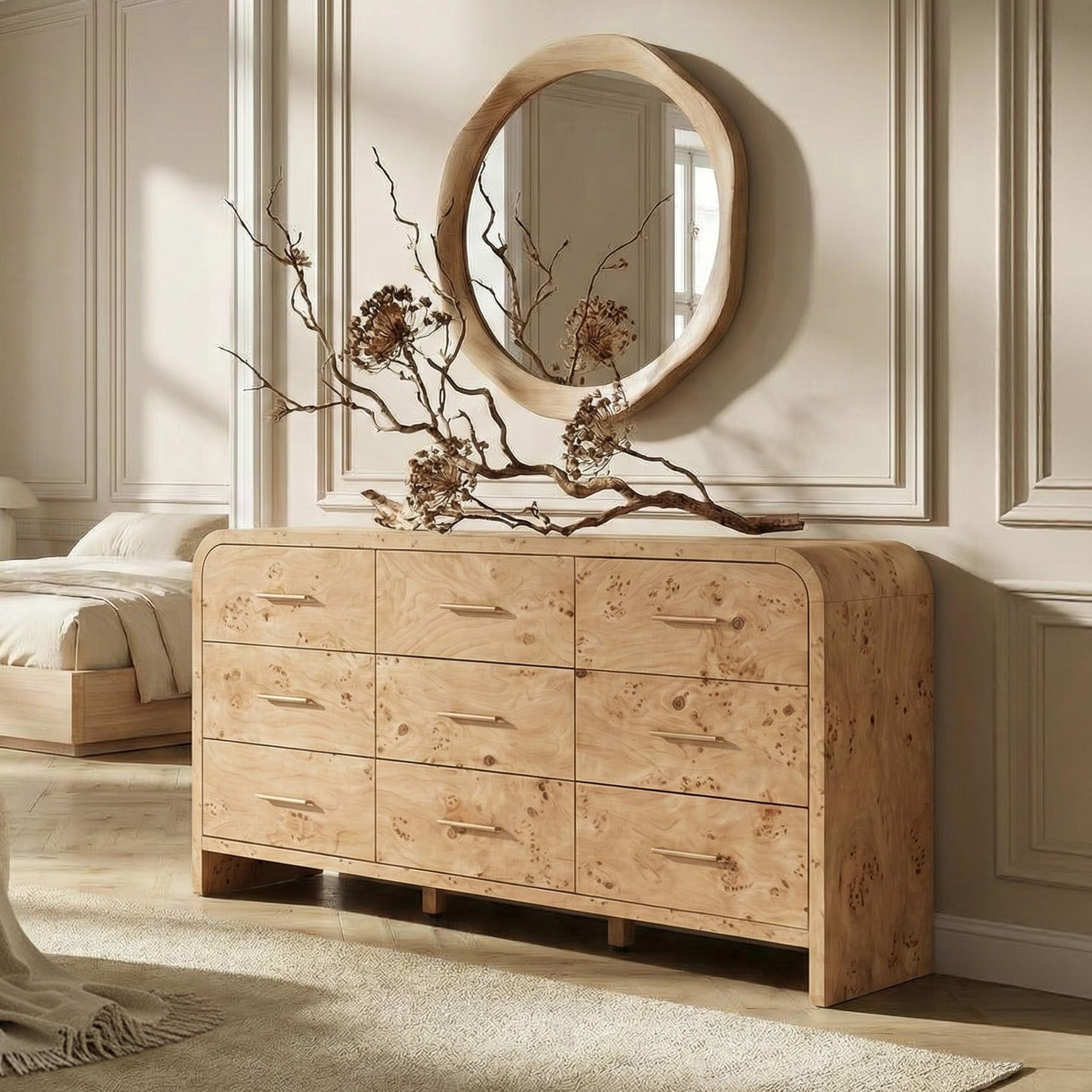
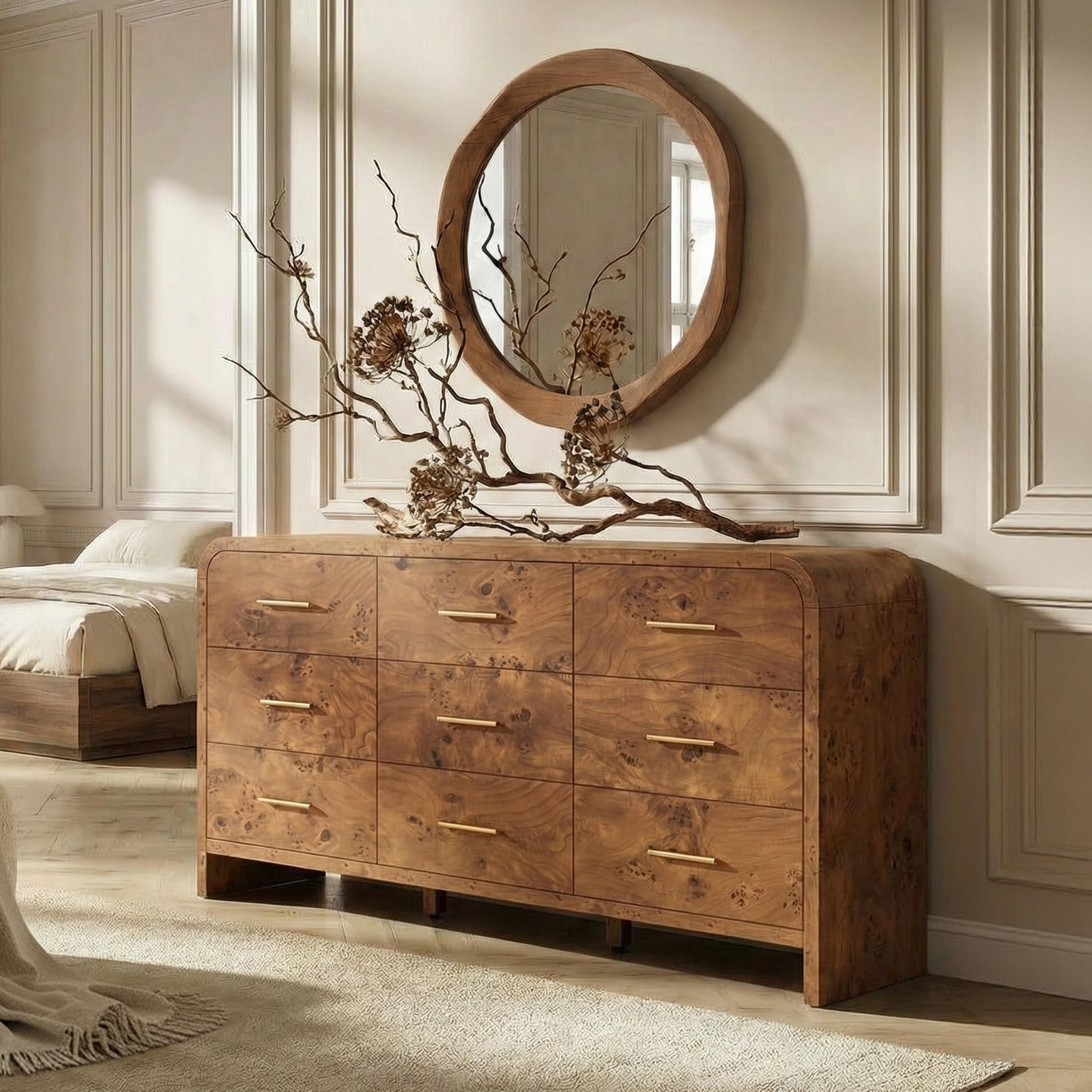


Some furniture looks perfect in a showroom or product photo, yet feels surprisingly inconvenient once it enters your home. A cabinet offers plenty of storage but makes the room feel crowded. An accent table looks beautiful but rarely gets used. A chair fills an empty corner, only to become something everyone walks around.
The problem isn't necessarily that the furniture is poorly designed. It may simply be taking up more space than it gives back.
In a well-considered home, every piece doesn't have to serve several purposes or earn its place through practicality alone. But it should contribute something meaningful, whether that's useful storage, everyday comfort, visual interest, or a feeling that makes the room more enjoyable to spend time in.
Here's how to tell whether a furniture piece truly belongs in your space.
Start With What Happens in the Room
It's easy to choose furniture based on how a room looks in a photograph. Living with it, however, means paying attention to what you actually do there.
A coffee table may look perfectly proportioned, but if it makes it difficult to stretch your legs or move between the sofa and the kitchen, its placement may not suit your routine. A large TV stand may create an impressive entertainment area while leaving little room for other activities.
Think about the room at different times of day.
Do you read on the sofa in the morning? Do children play on the floor in the afternoon? Does the living room become a gathering place when friends visit?
Furniture should support these activities rather than quietly interfere with them.
Before bringing in a new piece, identify the specific need it will meet. If you cannot think of a practical, visual, or personal reason for adding it, that may be a sign to reconsider.
Measure More Than the Furniture Itself
A furniture piece can fit within a room's dimensions and still be too large for the space.
That's because its footprint is only part of the equation. You also need to account for movement, access, nearby furniture, and the way doors or drawers open.
A wide cabinet might fit against a wall but leave an awkwardly narrow passage. A dining chair may fit beneath a table but have insufficient room to pull out comfortably.
Before purchasing, consider:
-
The footprint: How much floor space will the piece occupy?
-
The clearance: Can people move around it comfortably?
-
The surrounding furniture: Does it crowd another piece or disrupt the arrangement?
-
The usable space: Can drawers, cabinet doors, and seating areas function as intended?
-
The visual scale: Does its height, width, and overall shape suit the room?
A simple trick is to mark the proposed footprint on the floor with painter's tape. Walk around it and imagine using the room normally.
This gives you a more realistic impression than looking at dimensions on a product page alone.
Ask Whether It Adds Something New
Not every useful piece needs to perform multiple functions. Still, it helps to consider whether a new item contributes something the room doesn't already have.
Imagine you already have a TV stand with enough storage for electronics and everyday accessories. Adding another large cabinet beside it might increase capacity, but it could also create unnecessary visual weight.
A slimmer cabinet with a distinctive woven front, on the other hand, might provide some additional storage while introducing texture and warmth.
The difference is not simply the amount of storage. It's the combination of function and character.
Before buying, ask yourself:
-
Does this piece solve a problem I currently have?
-
Does it improve the room's layout or visual balance?
-
Does it offer something different from the furniture I already own?
-
Would a smaller or differently shaped piece achieve the same result?
If the answer is yes to at least one meaningful need, the furniture may justify its place. If it mostly duplicates what you already have, its value deserves a closer look.
Consider Its Visual Weight, Not Just Its Size
Two pieces with similar dimensions can have very different effects on a room.
A solid, dark cabinet with thick sides may feel imposing, while a lighter-colored piece with slender legs or textured doors may appear less substantial.
Materials and construction influence how furniture interacts with its surroundings. Natural wood grain can add warmth, woven surfaces can create visual depth, and open bases can reveal more of the floor beneath a piece.
This matters particularly in smaller living rooms, where several visually heavy items can make the entire space feel crowded.
You don't necessarily need to choose the smallest furniture available. A substantial piece can provide a welcome sense of grounding in a large room.
The key is balance.
If your sofa already has a broad silhouette, a lighter-looking side table may work better than another bulky piece. If the room feels sparse, a well-proportioned cabinet could give it the presence it needs.
The right furniture doesn't merely fit. It fits the visual character of the room.
Storage Is Valuable Only When It Works for You
Storage furniture often seems like an easy purchase to justify. More drawers, more shelves, more places to put things.
But additional capacity isn't always the same as better organization.
A dresser that's too deep may make everyday items difficult to reach. A tall cabinet might offer plenty of room while placing frequently used belongings inconveniently high. A storage bench could be useful in one household and unnecessary in another.
Think about what you plan to store and how often you need to access it.
Everyday items should be convenient to reach. Seasonal belongings can occupy less accessible spaces. Decorative objects may need display space rather than another closed compartment.
Good storage reflects the way you live, not simply the amount of space a product offers.
Sometimes, a smaller cabinet with a thoughtful interior layout is more useful than a much larger one that becomes a place for miscellaneous clutter.
Notice What Happens to the Light and Open Space
Furniture affects more than movement. It also changes how light travels through a room and how open the space feels.
A tall cabinet beside a window may interrupt natural light. A bulky console in a narrow entryway can make the entrance feel more confined. A large coffee table may divide a seating area that would otherwise feel connected.
These effects aren't always obvious when you're shopping, especially when furniture is displayed in a spacious showroom.
Look at the room from different viewpoints. Stand at the entrance, sit on the sofa, and notice what catches your eye.
Does the furniture frame an attractive part of the room, or block it? Does it create a comfortable sense of structure, or make the space feel harder to navigate?
Sometimes, moving a piece a few inches or choosing a lower profile can make a noticeable difference without sacrificing its function.
Leave Room for Furniture You Simply Love
Not every furniture purchase needs to be justified by storage capacity, efficiency, or a measurable improvement to the layout.
A small accent table might hold a favorite lamp. A distinctive cabinet might remind you of a place you've visited. A comfortable reading chair might be used only occasionally but still become the spot you look forward to at the end of the day.
These are legitimate reasons to make room for something.
A home is not an efficiency exercise. It should reflect the people who live in it, including their tastes, memories, and preferences.
The distinction is between choosing something because it genuinely matters to you and buying it because an empty space feels uncomfortable.
An empty corner doesn't automatically need furniture. But if a particular piece adds lasting enjoyment and the room can accommodate it comfortably, its value may extend well beyond its practical purpose.
Use the Everyday Test Before Buying
When you're uncertain about a furniture purchase, imagine living with it for a typical week rather than picturing how it will look on the day it arrives.
Would you use it regularly? Would you need to move around it? Would it make cleaning more difficult? Would you enjoy seeing it every day, even when it isn't serving a practical purpose?
You can also try a simple experiment with furniture you already own.
Remove or temporarily relocate a piece and observe how the room functions without it. You may discover that the extra open space improves the layout. Alternatively, you may quickly realize how useful the missing storage or seating really was.
This isn't about eliminating furniture indiscriminately. It's about understanding what each piece contributes.
A room becomes more intentional when decisions are based on actual experience rather than assumptions about what a living room is supposed to contain.
Make Every Piece Count in Its Own Way
A furniture piece earns its space in different ways.
Some pieces make daily routines easier. Others organize the belongings that would otherwise create clutter. Some bring texture, contrast, or a sense of balance to a room. And a few simply make a home feel more personal.
The best interiors leave room for all these kinds of value without allowing any one of them to overwhelm the space.
At Cozyshome, we believe thoughtful furniture choices begin with understanding how you want your home to feel and function. Consider the room's proportions, your everyday habits, the materials you enjoy, and the amount of open space you want to preserve.
Before adding another piece, ask yourself one final question: Will this furniture make my home better to live in, or will it simply give me one more thing to work around?
The answer can help you create a home that feels more comfortable, more personal, and more considered—without filling every available corner.
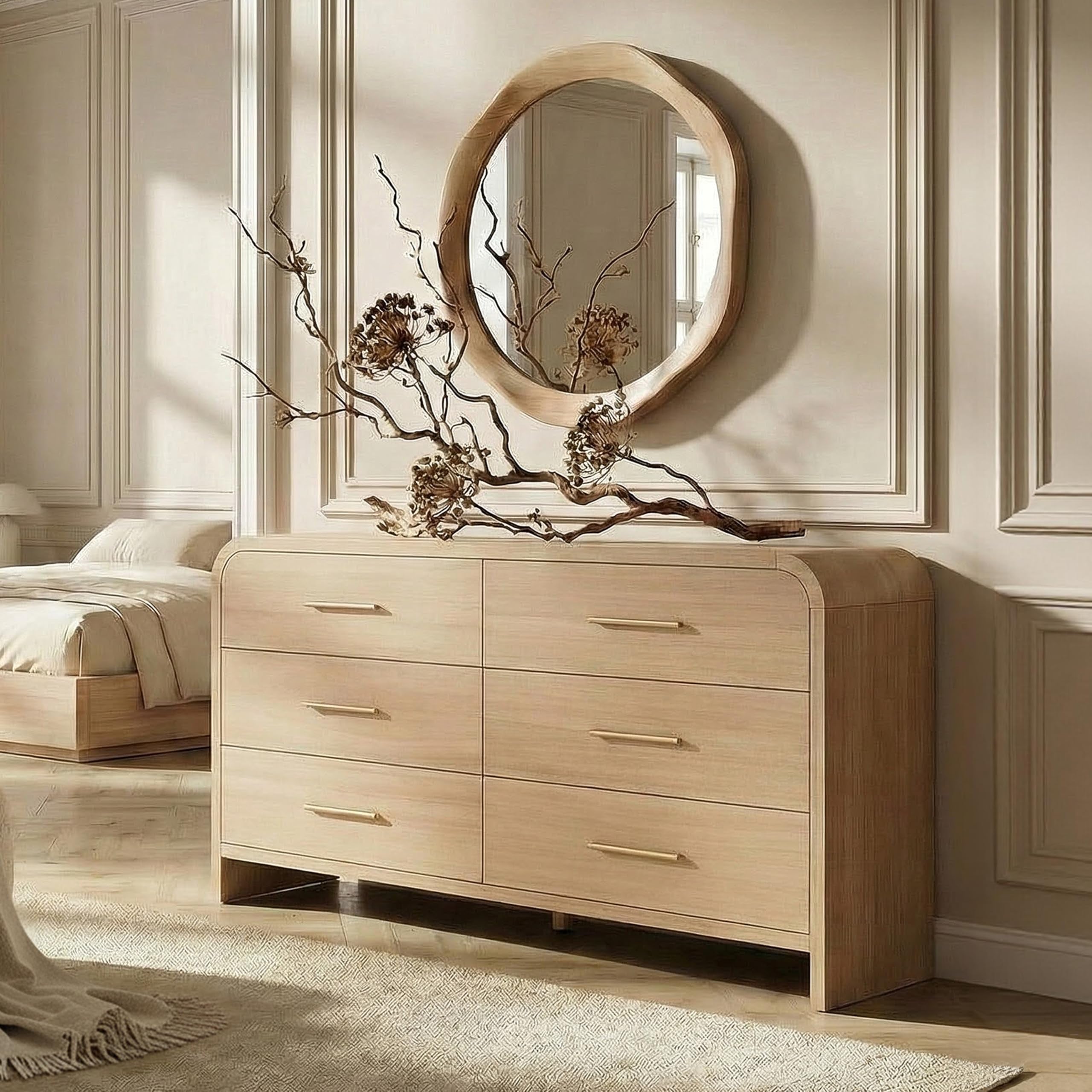
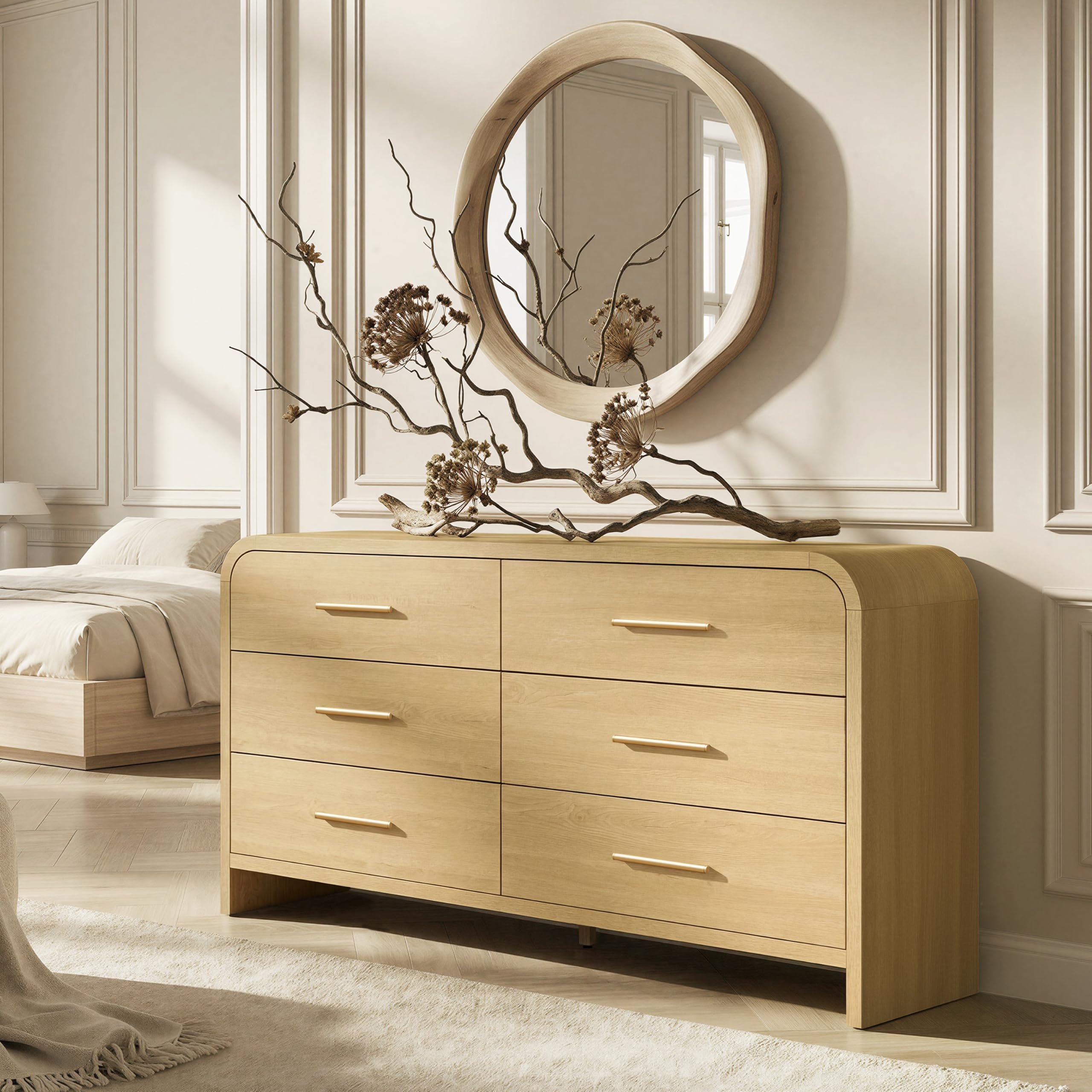
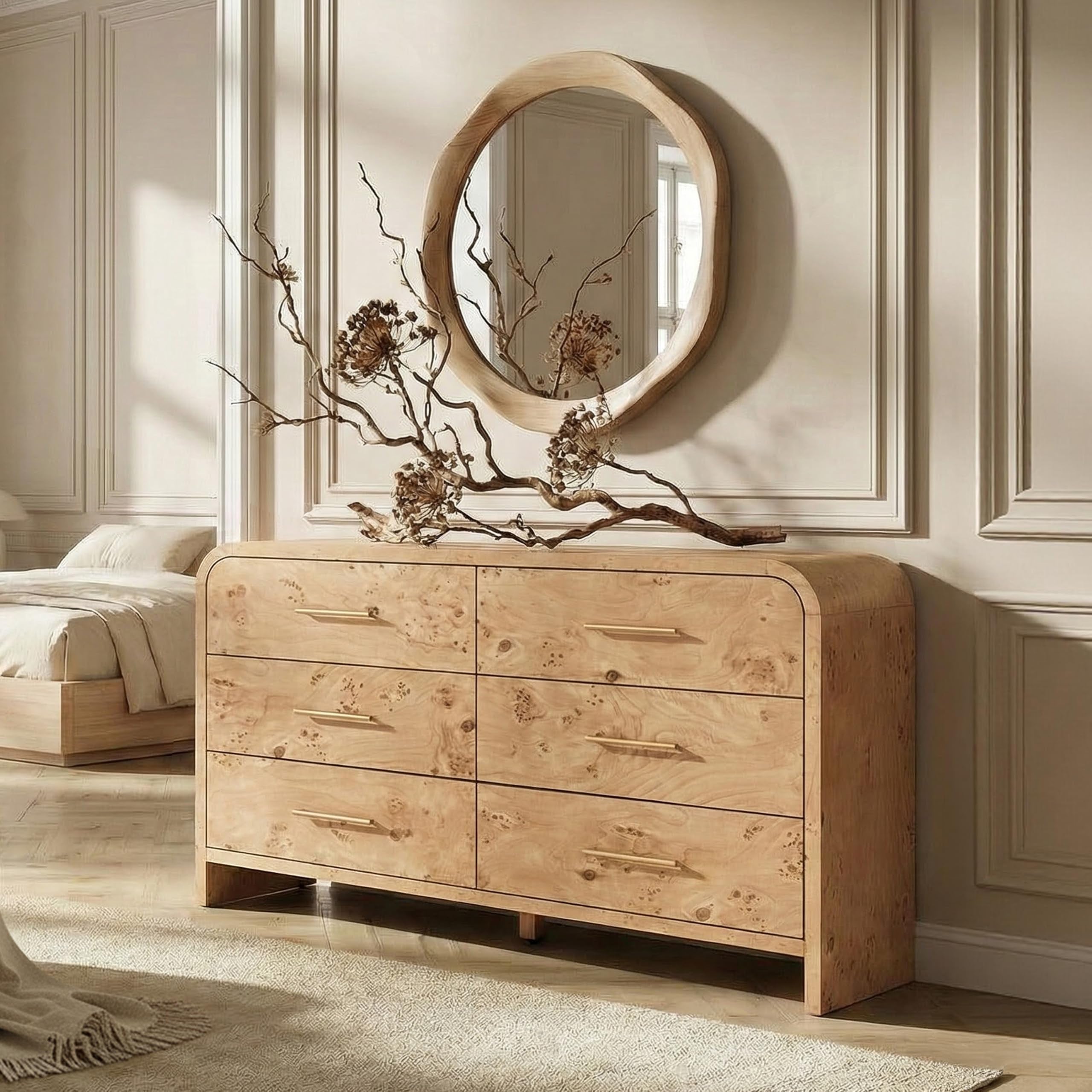
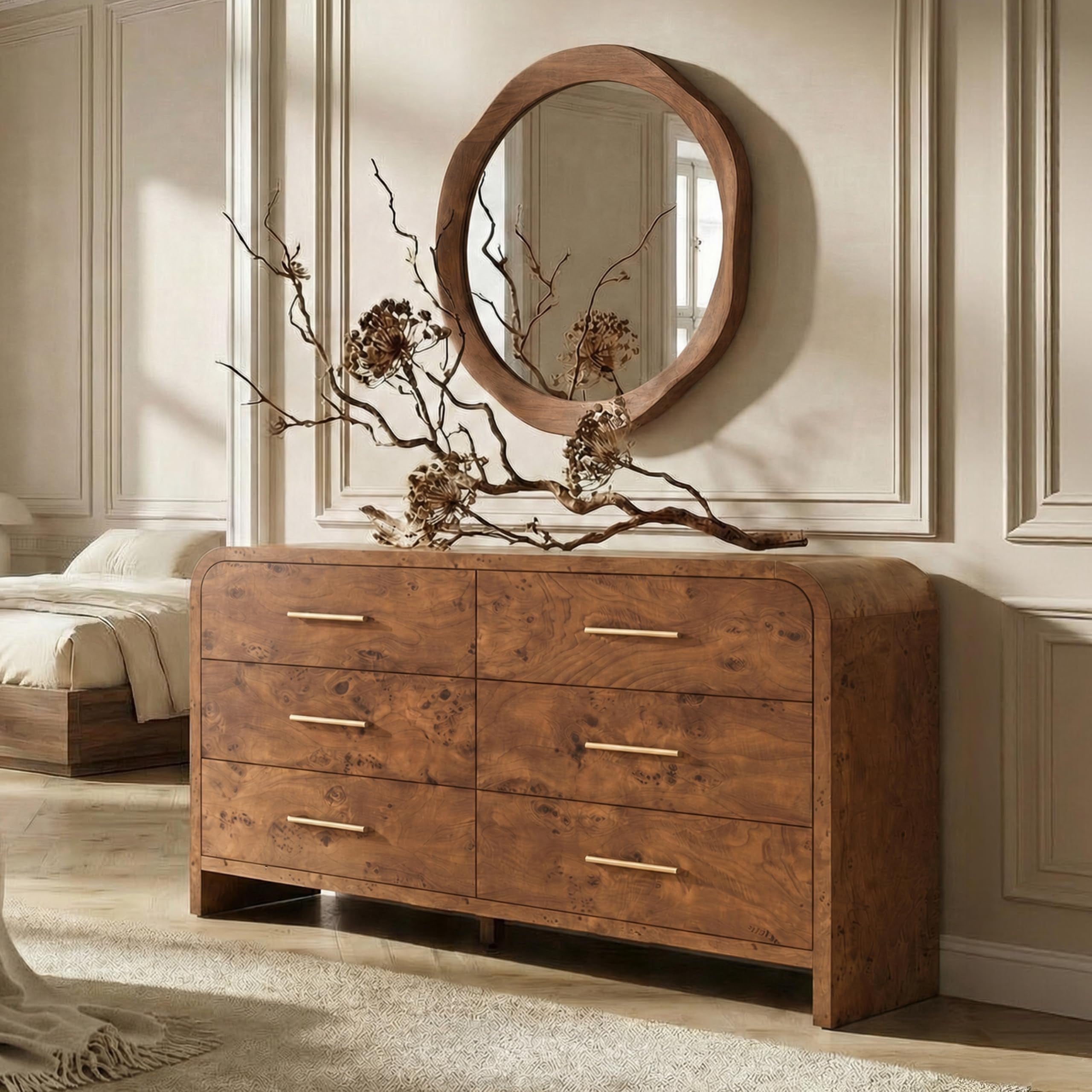
👉 Explore the collection and enjoy a great deal: Woven 6-Drawer Dreeser
