
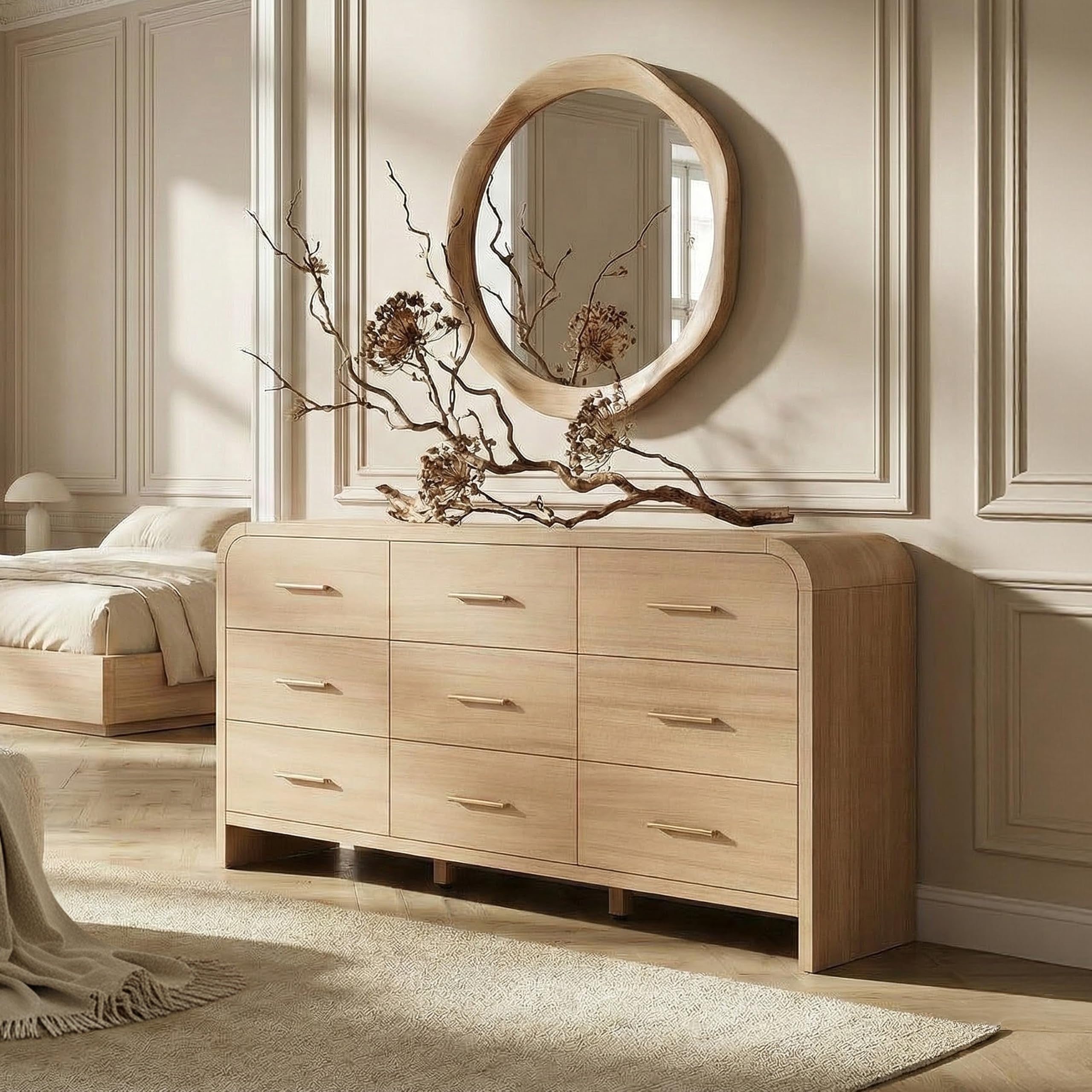
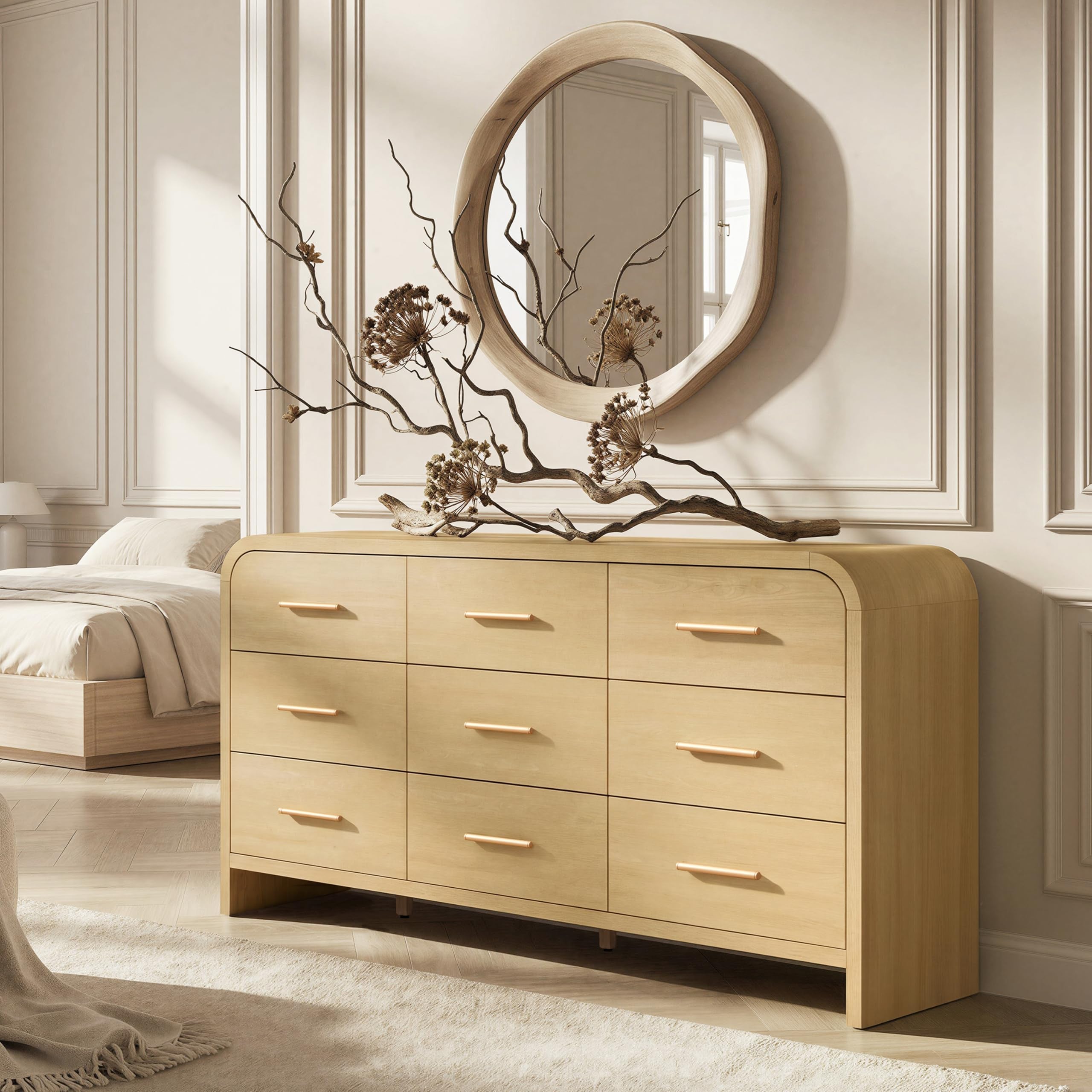
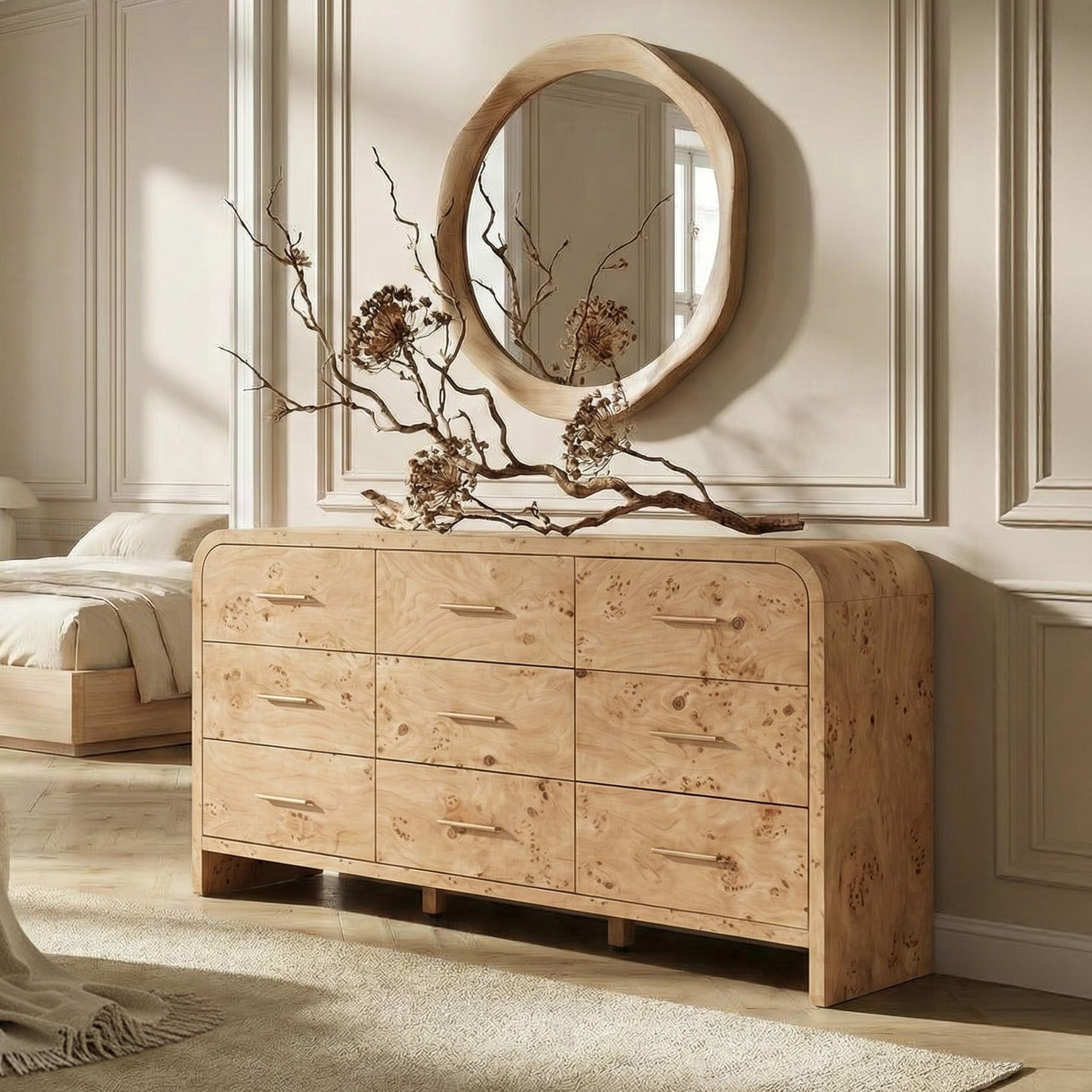
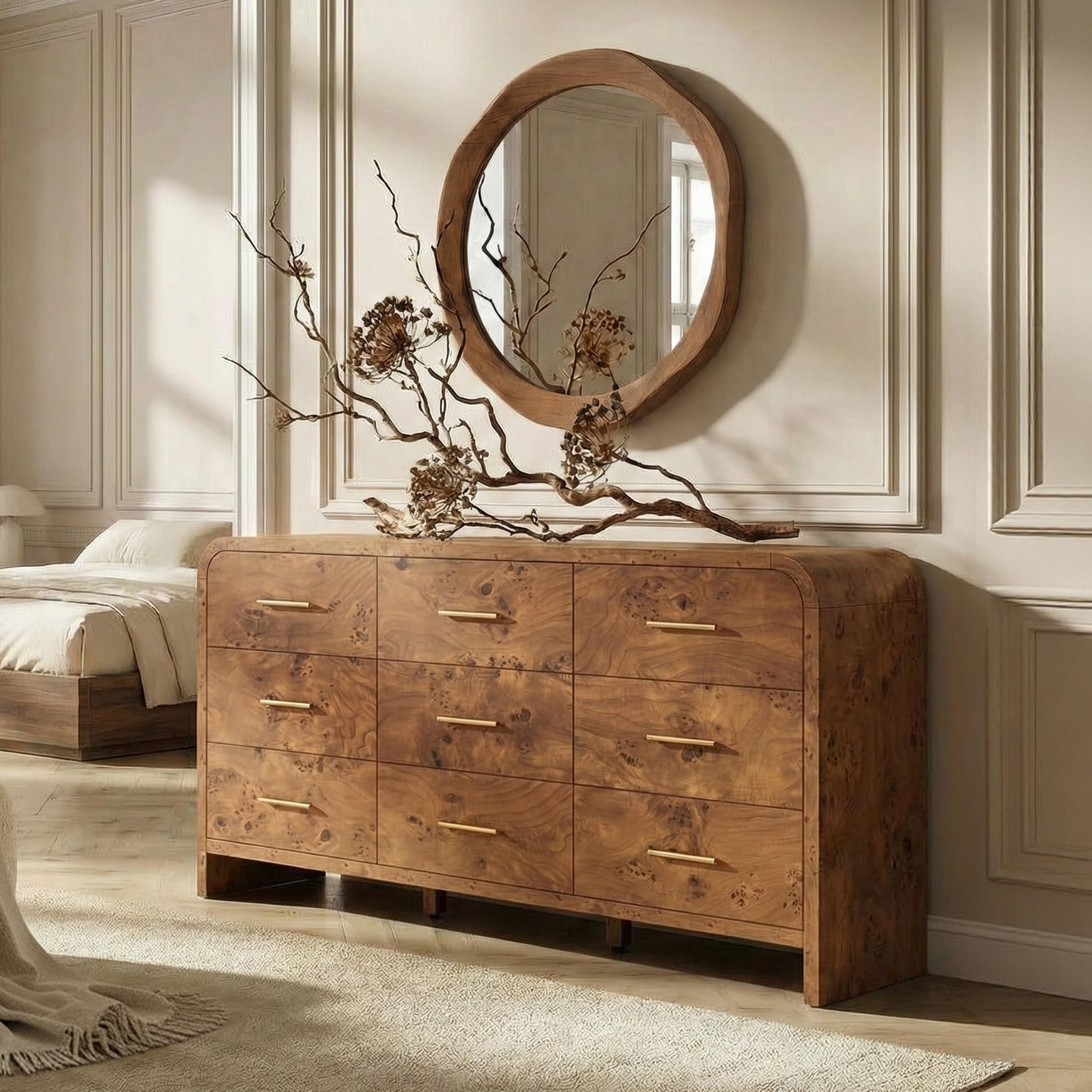
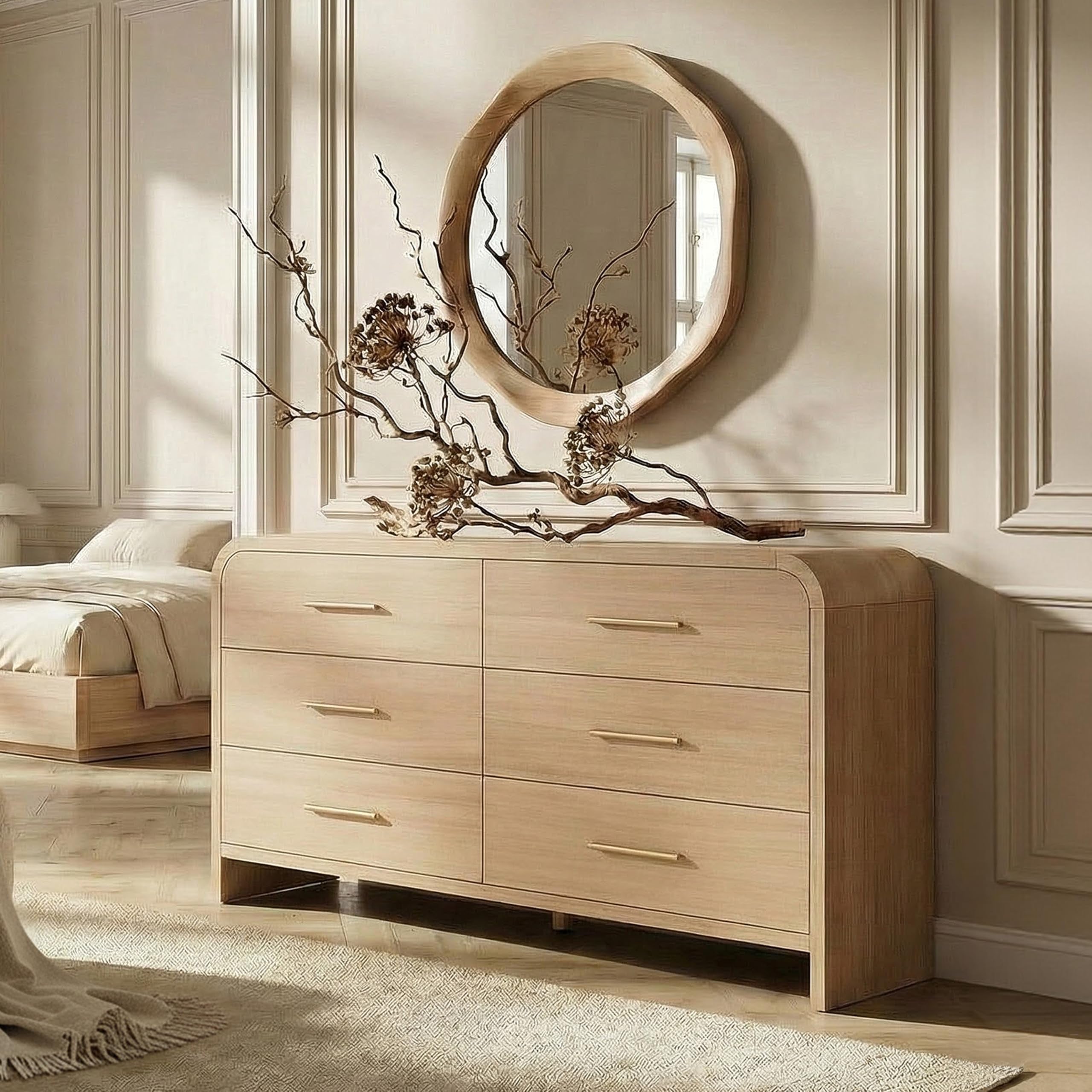
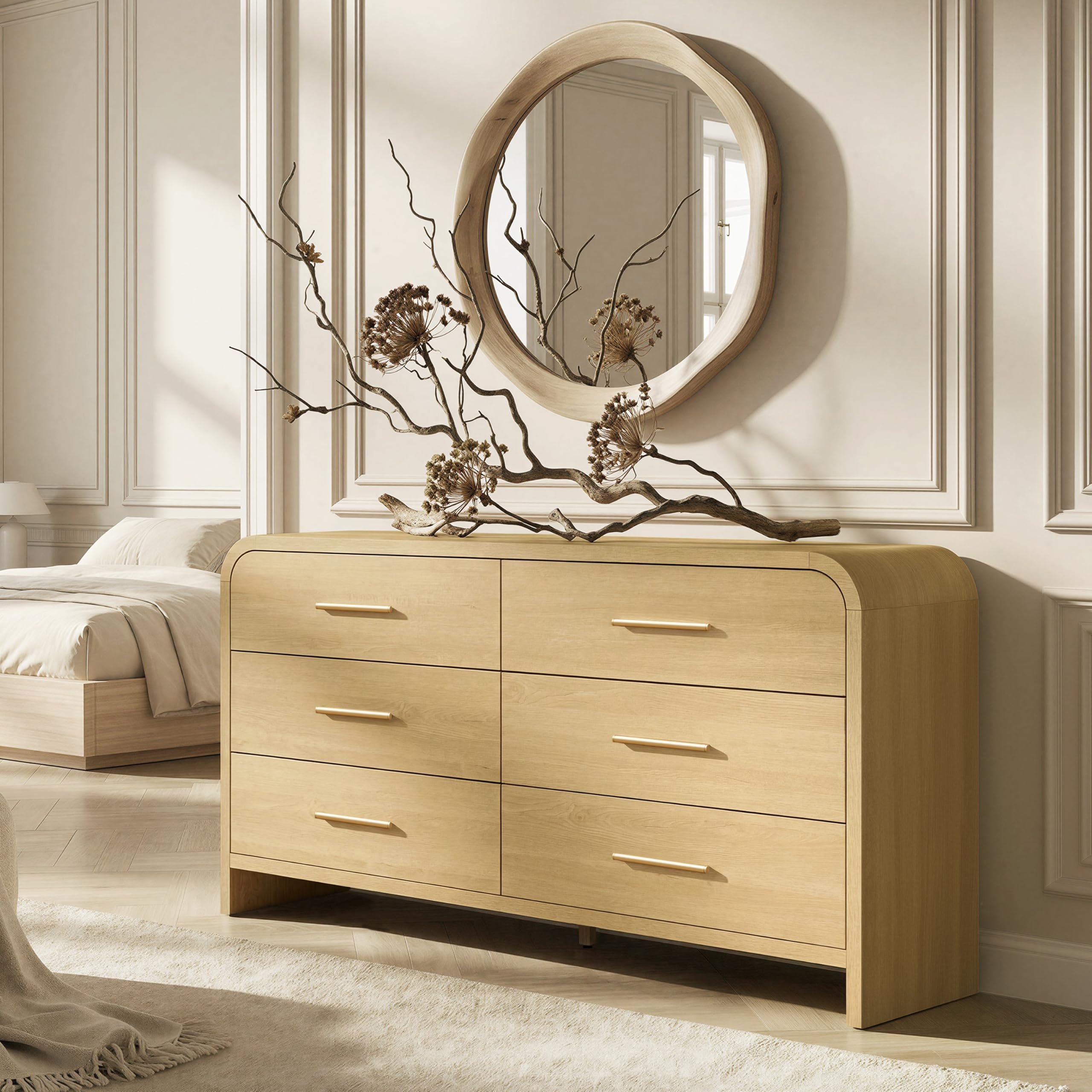
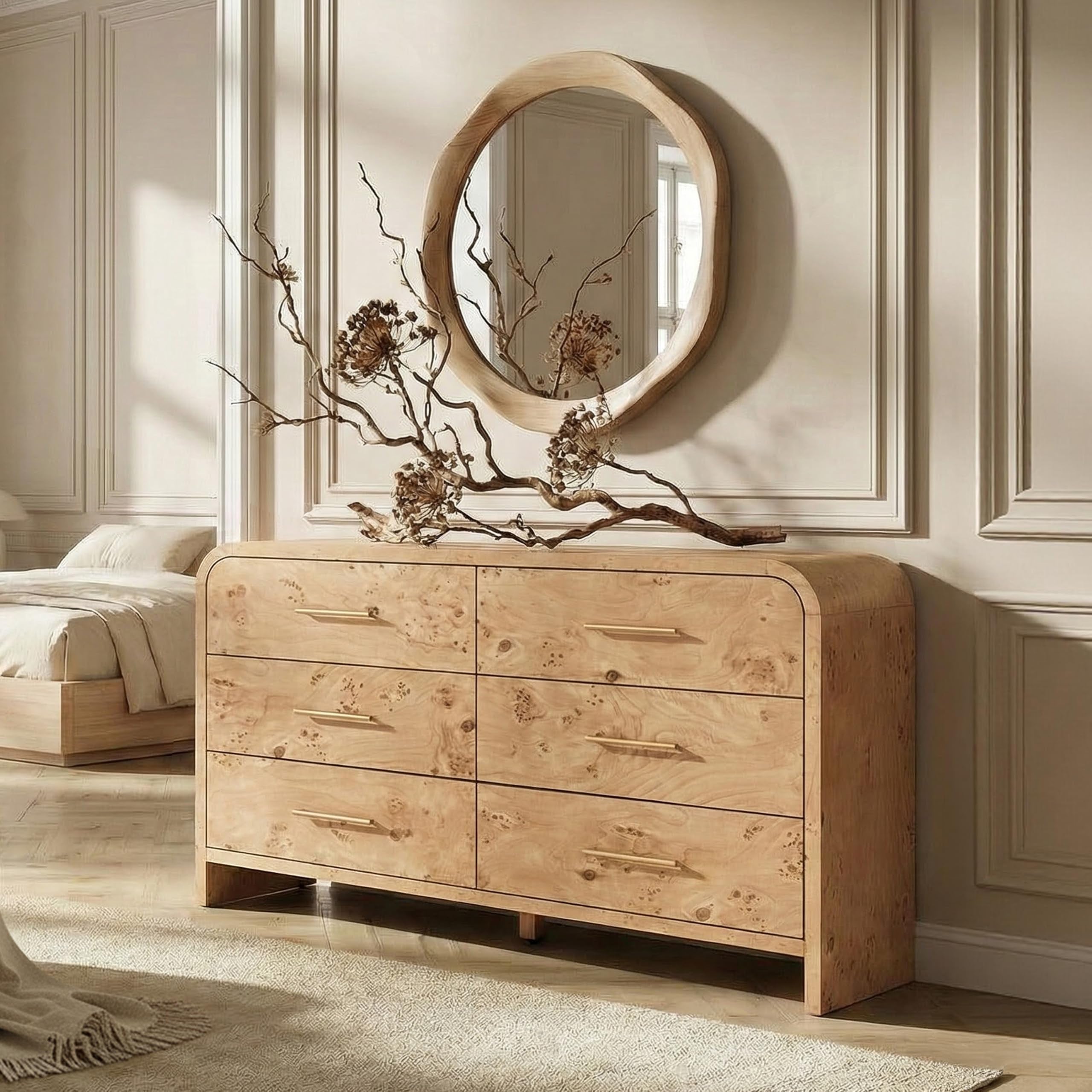
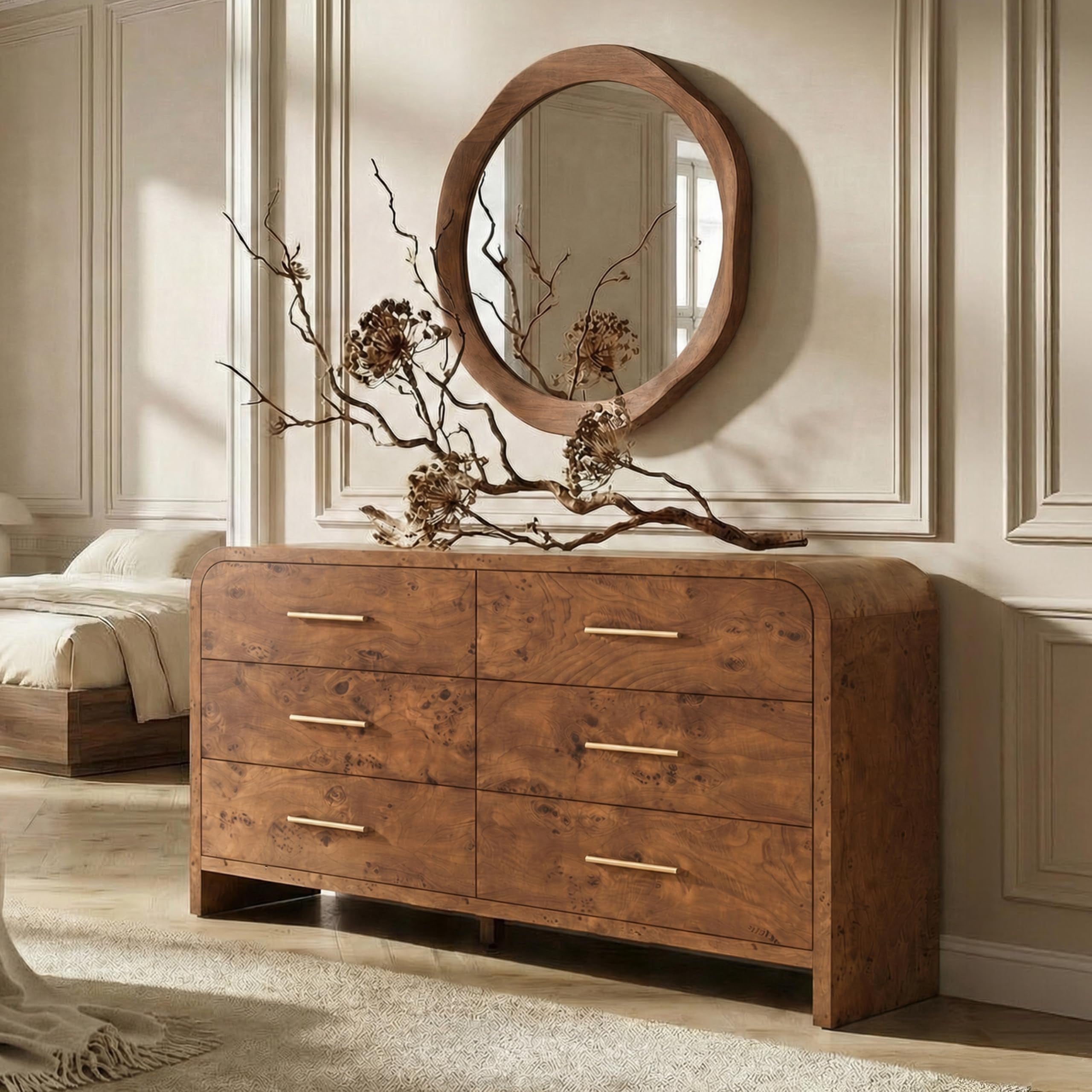


Choosing furniture for your home can sometimes feel more complicated than it should. With so many styles, colors, and design trends available, it is easy to worry about whether everything “matches.”
But a comfortable home does not need every piece of furniture to come from the same collection or follow one strict style. The most inviting spaces usually come from combining pieces that share a sense of balance rather than looking perfectly coordinated.
Here are practical ways to mix furniture styles naturally without overthinking every decision.
Start With the Feeling You Want Your Home to Have
Before choosing furniture styles, think about how you want your space to feel.
Do you want your home to feel:
- Warm and comfortable?
- Clean and modern?
- Relaxed and casual?
- Elegant and timeless?
This feeling is often more important than choosing a specific design label.
For example, a modern dresser can work beautifully in a traditional bedroom if both pieces create the same calm and welcoming atmosphere.
Find One Common Element Between Different Pieces
Furniture does not need to look identical to work together. It just needs a connection.
The easiest way to mix styles is to repeat one element across the room.
Consider matching through:
Color
Different furniture shapes can feel connected when they share similar tones.
A dark wood nightstand and a darker dresser can create harmony even if their designs are different.
Material
Wood, metal, glass, and fabric can help create a consistent visual language.
For example, wooden furniture pieces with different designs can still feel like they belong together.
Shape
Repeating certain shapes creates subtle coordination.
Rounded edges, simple lines, or similar proportions can make different pieces feel intentional.
Avoid Making Every Piece Compete for Attention
One common mistake is choosing too many “statement” pieces.
If every item has a unique color, special shape, or bold design, the room can quickly feel busy.
A better approach is:
- Choose one or two pieces that stand out
- Let other furniture provide balance
- Keep some areas visually simple
A stylish room usually has a mix of personality and breathing space.
Mix Old and New Instead of Chasing a Perfect Match
A home often feels more natural when it does not look like everything was purchased on the same day.
Combining different styles can make your space feel more personal.
For example:
- A modern dresser with vintage-inspired decorations
- A simple nightstand beside a more traditional bed frame
- A clean-lined cabinet with warm home accessories
The goal is not to create a showroom. It is to create a space that feels lived in.
Pay Attention to Size and Proportion First
Style is important, but furniture size often has a bigger impact on whether a room feels balanced.
Two pieces from different styles can work well together if their proportions feel right.
Before buying furniture, consider:
- Does the furniture fit the room size?
- Are the pieces similar in visual weight?
- Is there enough walking space?
- Does one item overpower everything else?
A well-proportioned room will usually feel coordinated even with mixed styles.
Use Decorations to Connect Different Styles
Furniture does not have to do all the work.
Small details can help different pieces feel connected:
- Matching lamps
- Similar artwork colors
- Coordinated rugs
- Plants and natural elements
- Decorative items with repeated tones
These details create a bridge between furniture styles without requiring every item to match.
Final Thoughts
Matching furniture styles does not mean making every piece look the same.
The most comfortable homes usually combine different elements while keeping a consistent feeling through color, proportion, materials, and personal taste.
Instead of asking, “Do these pieces match perfectly?” try asking:
“Do these pieces create the kind of space I want to live in?”
A home that feels natural and personal will always be more inviting than one that looks perfectly planned.

