
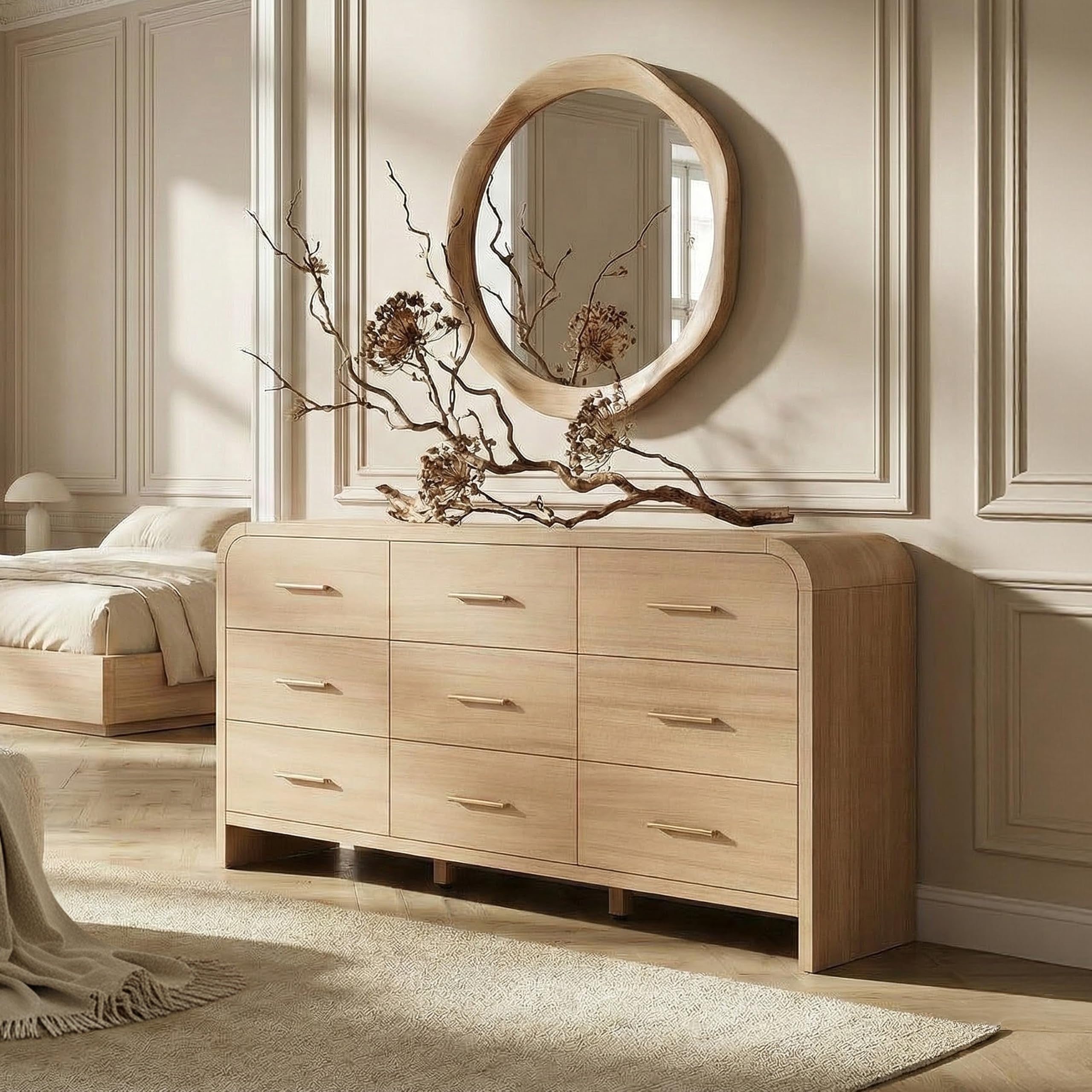
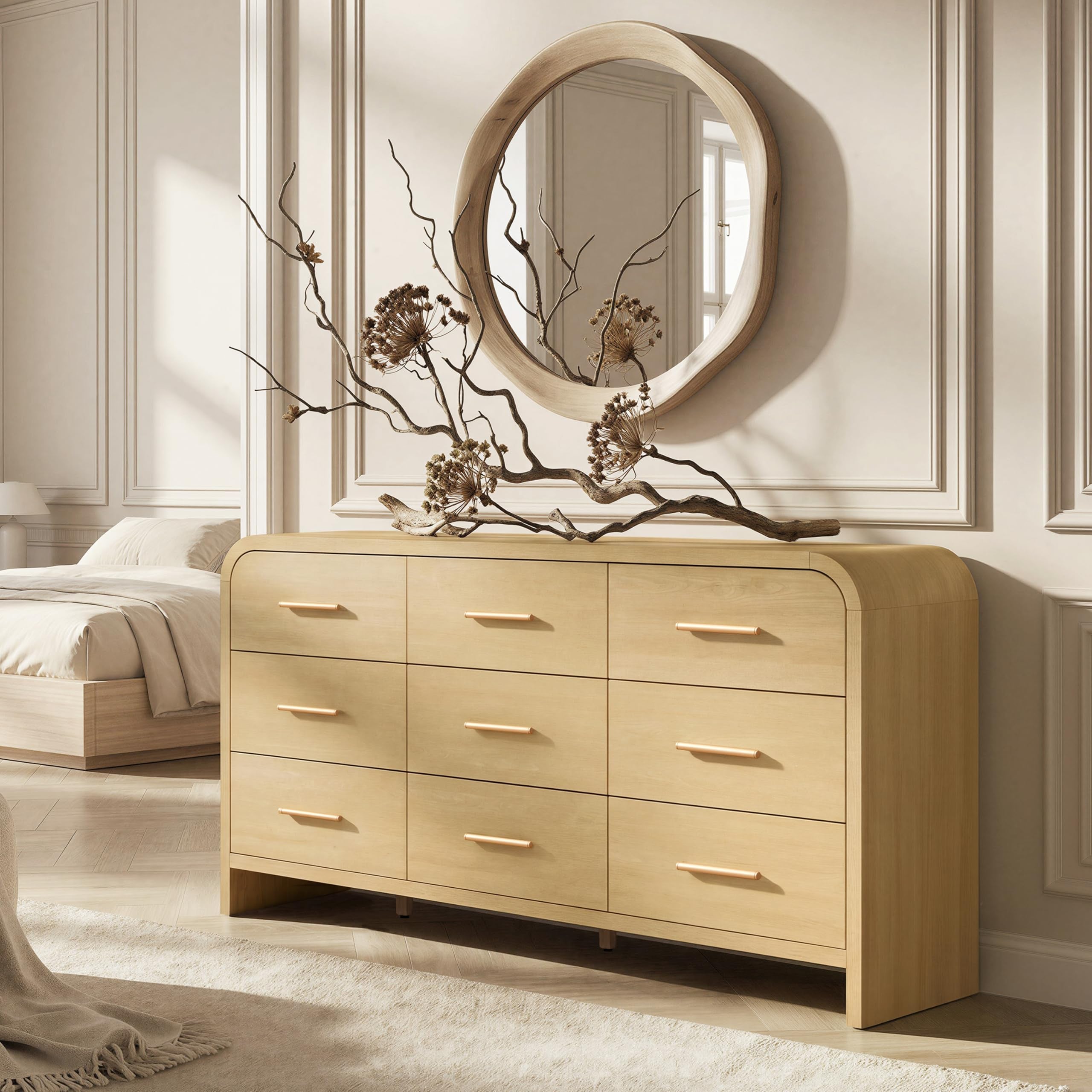
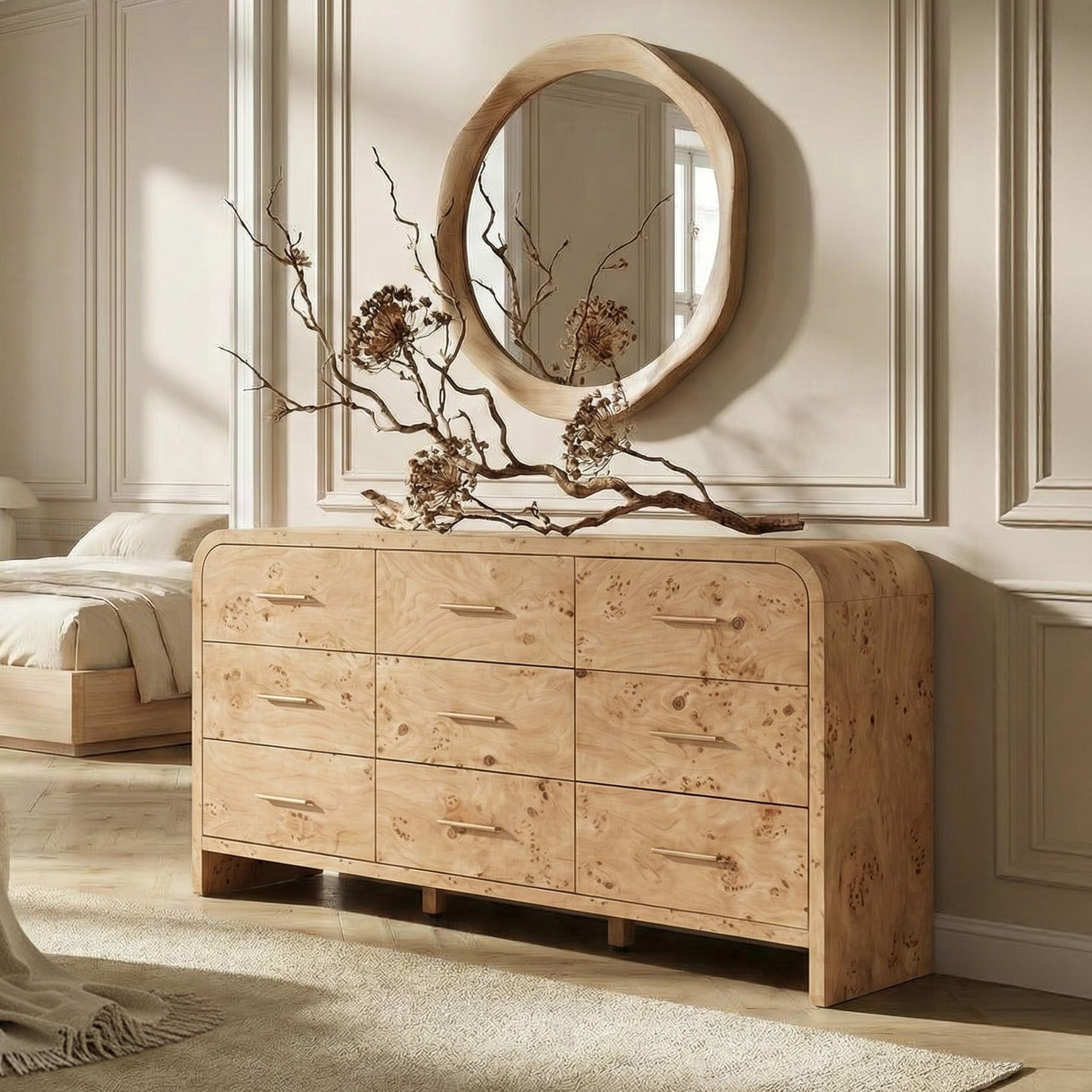
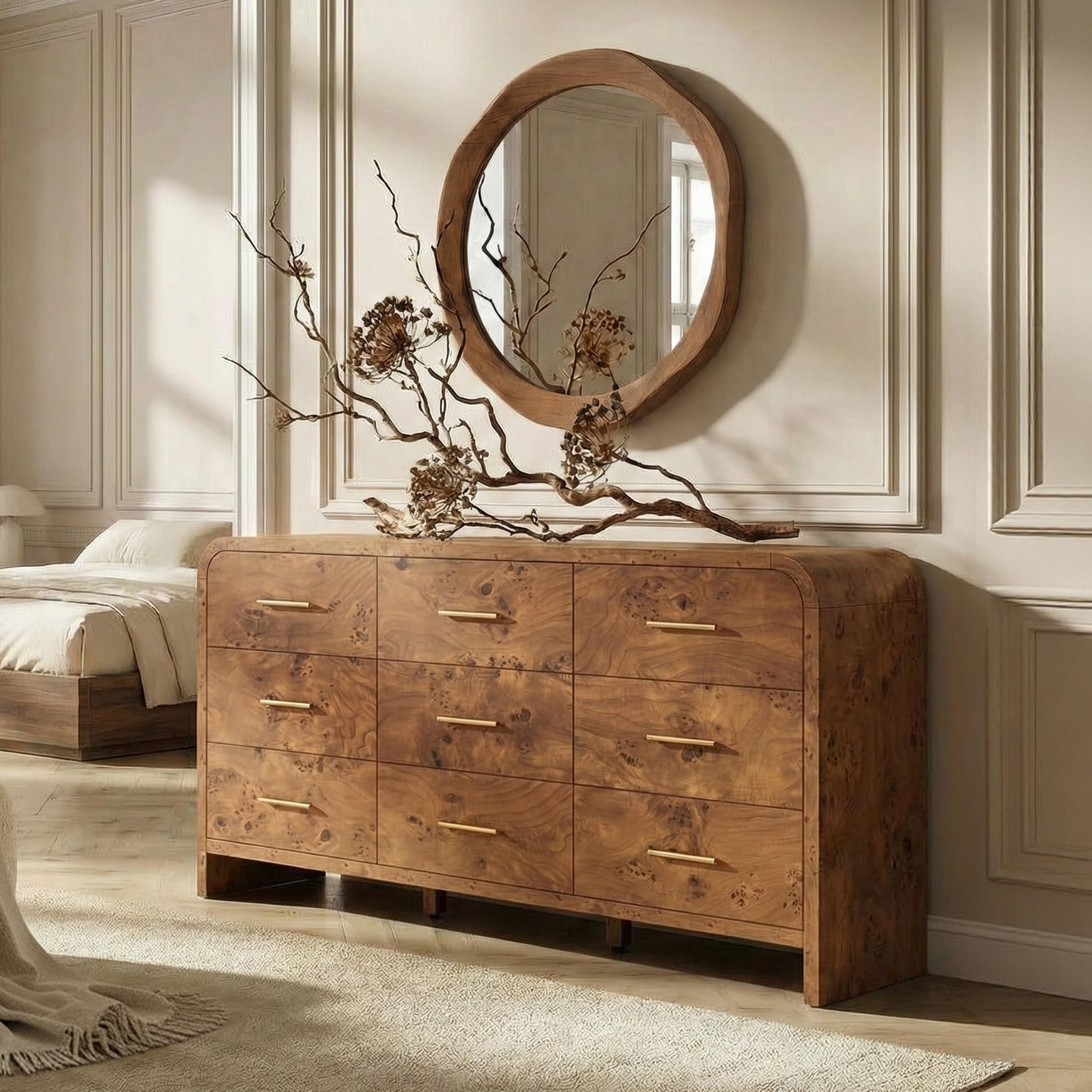


Buying furniture without planning your room layout can lead to frustrating mistakes. A sofa that feels perfect in a showroom may overwhelm a small living room. A dresser that looks beautiful online may leave too little space to move around.
Good furniture choices start before you make a purchase. By understanding your space, measuring carefully, and thinking about how you use each room, you can create a layout that feels comfortable and practical.
Start by Understanding How You Use the Room
Before choosing furniture, think about the activities that happen in the space.
A room should support your daily habits, not just look good in photos.
Ask yourself:
- Do you spend most of your time relaxing, working, or entertaining?
- Does the room need extra storage?
- Do multiple people use the space at the same time?
- Are there areas that need to stay open for easy movement?
For example, a bedroom may need more than just a bed. A comfortable layout might also require space for a nightstand, dresser, reading area, or walking path.
Measure More Than Just the Room Size
Many furniture mistakes happen because people only measure the room and forget everything else.
Before buying furniture, measure:
- Wall length and width
- Door openings
- Window locations
- Closet doors
- Heating vents or outlets
- Ceiling height
Also remember to check the delivery path.
A piece of furniture may fit perfectly in your room but still not fit through the doorway, hallway, or stairs.
Plan Walking Space First
A good layout is not only about fitting furniture — it is about making the room easy to use.
Leave enough space for everyday movement:
- Clear paths between furniture pieces
- Comfortable space around beds and tables
- Easy access to drawers and cabinets
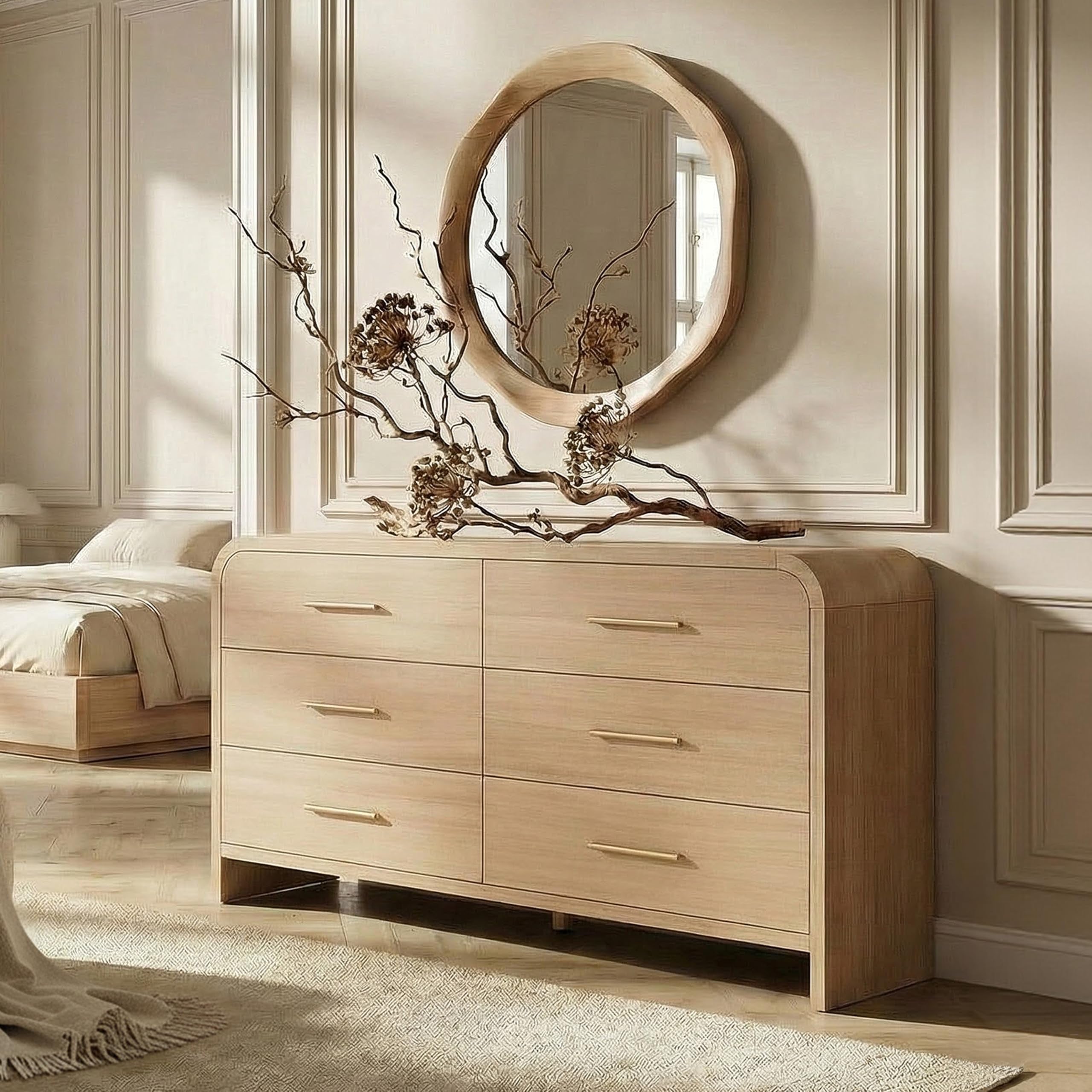
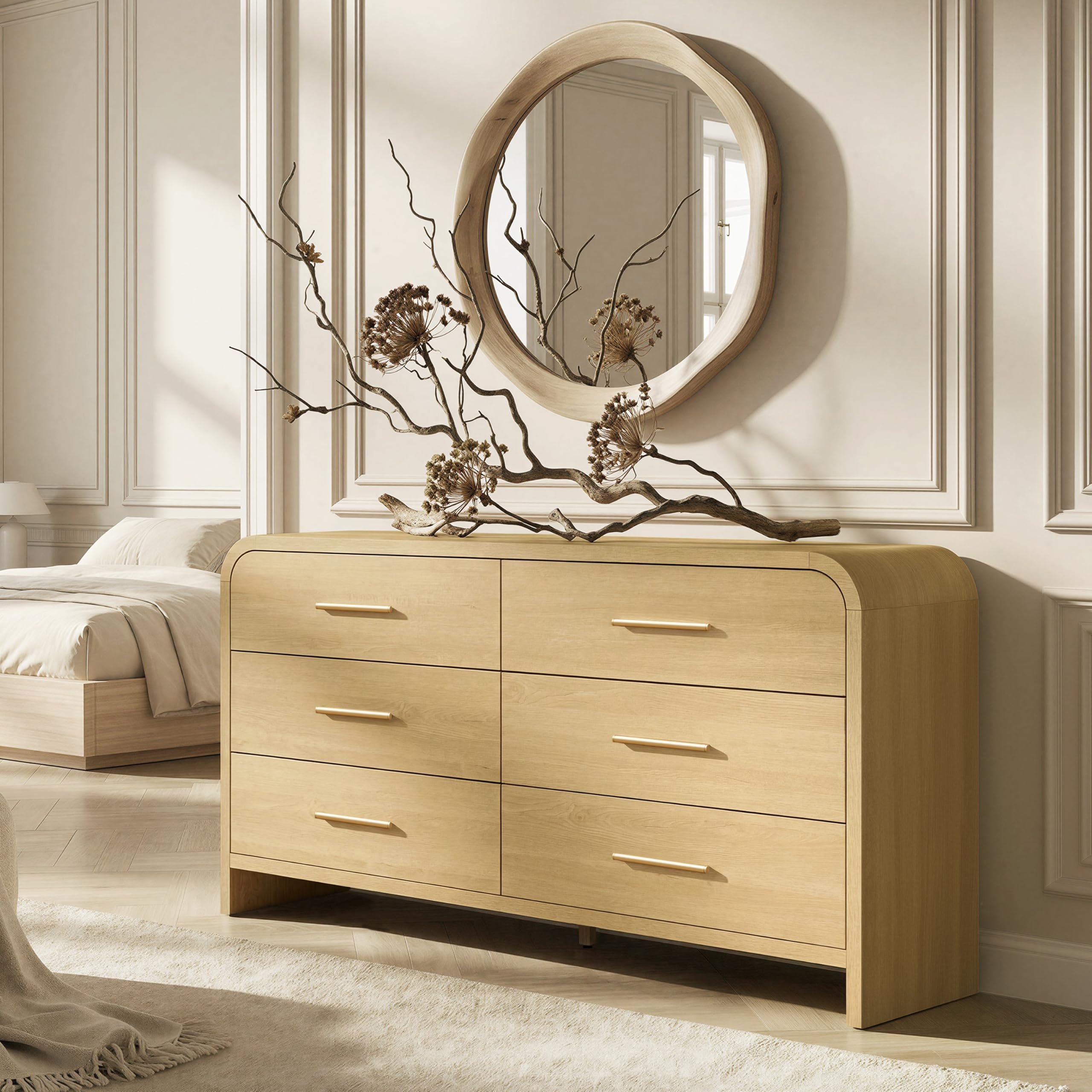
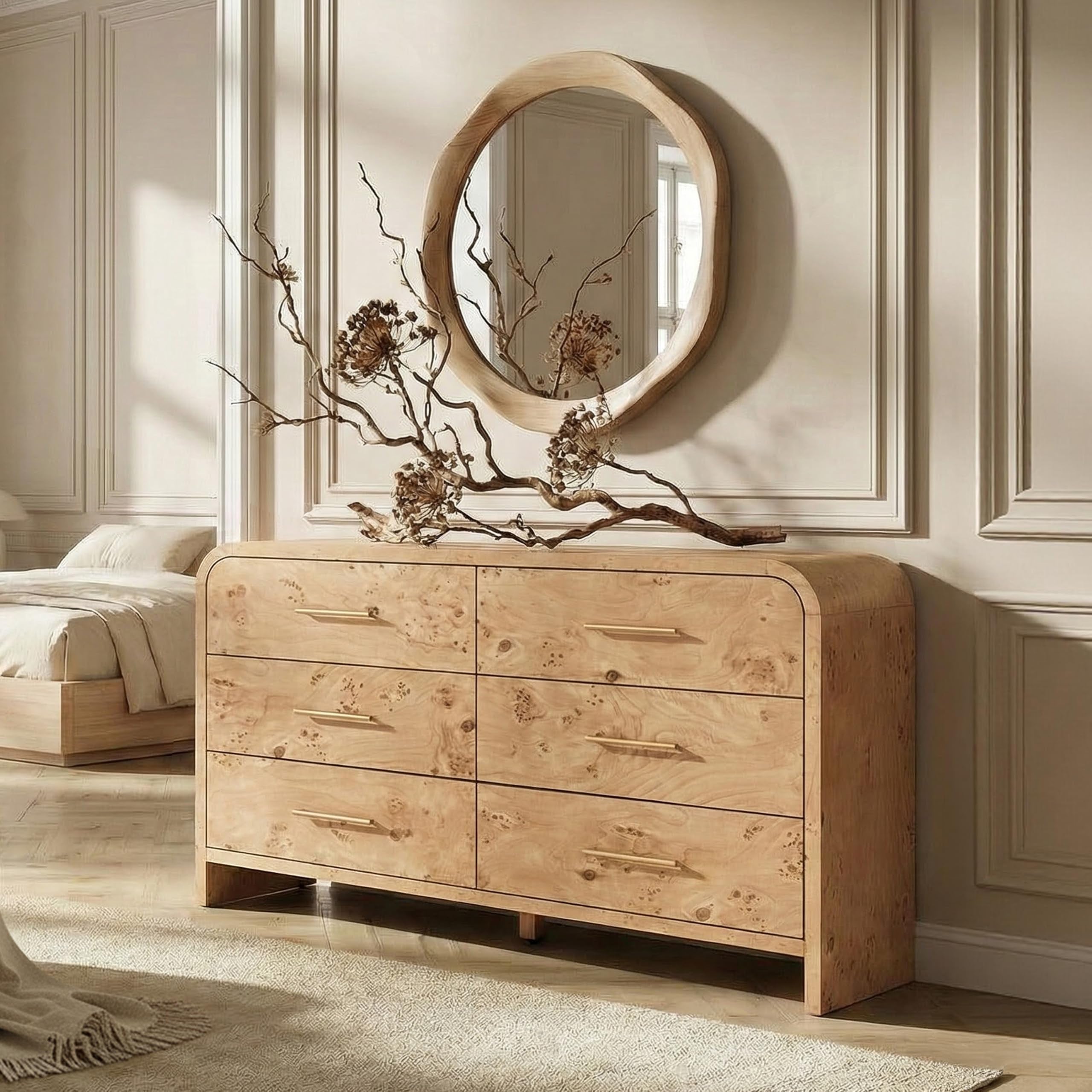
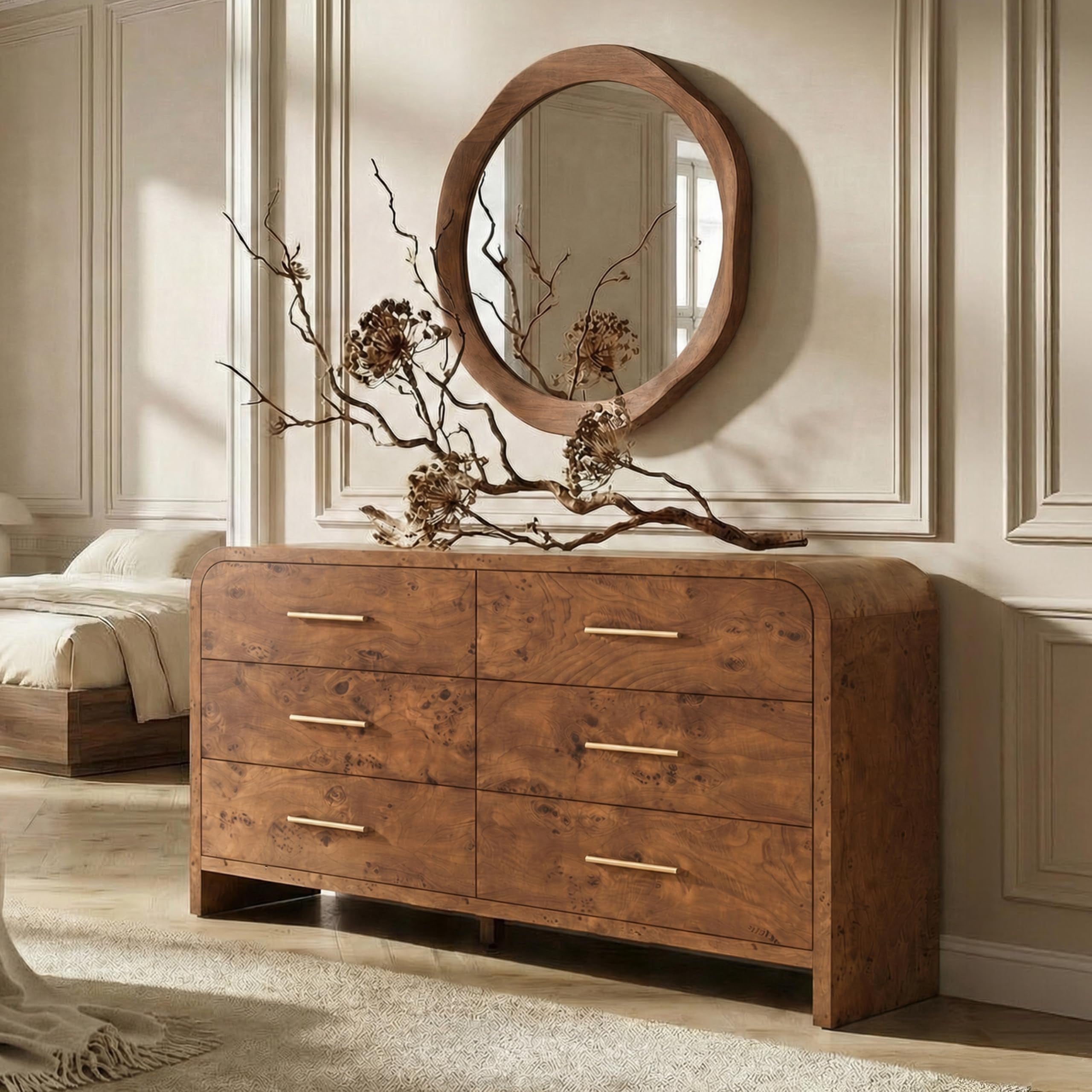
For example, a dresser should not only fit against the wall. You also need enough room to open drawers comfortably and stand in front of it.
A room with fewer pieces but better movement often feels larger and more comfortable.
Create Zones Instead of Filling Every Corner
A common mistake is trying to use every empty space.
Instead, think about creating different areas with specific purposes.
Examples:
Bedroom
- Sleeping area
- Storage area
- Relaxation corner
Living Room
- Conversation area
- Entertainment area
- Reading or working space
Furniture placement should help define these zones naturally.
Choose Furniture Based on Proportion
A room can feel unbalanced even when every piece technically fits.
Consider the relationship between furniture pieces:
- Large rooms may need furniture with more visual weight
- Small rooms often work better with simpler designs
- Multiple oversized pieces can make a space feel crowded
Before buying, compare furniture dimensions with your room measurements.
A 60-inch dresser may look reasonable online but feel completely different once placed in your bedroom.
Test Your Layout Before Buying
You do not need professional design software to test your ideas.
Simple methods work well:
- Draw a basic floor plan on paper
- Mark furniture sizes with tape on the floor
- Use online room planning tools
- Arrange cardboard boxes to represent furniture dimensions
Seeing the actual footprint helps you understand whether the room will feel comfortable.
Leave Room for Life to Happen
A beautiful room is not just a collection of furniture.
It should have space for everyday moments:
- Opening drawers easily
- Walking comfortably
- Moving around with guests
- Adding decorations later
Avoid designing a room that looks perfect but feels inconvenient.
Final Thoughts
Planning your room layout before buying furniture can save time, money, and frustration.
The best furniture choices are not always the biggest or most stylish pieces. They are the ones that fit your space, support your lifestyle, and make everyday routines easier.
Before adding something new to your home, take time to understand your room first. A thoughtful layout creates a space that feels comfortable today and works well for years to come.
👉 Explore the collection and enjoy a great deal: Curved 5-Drawer Dresser

