
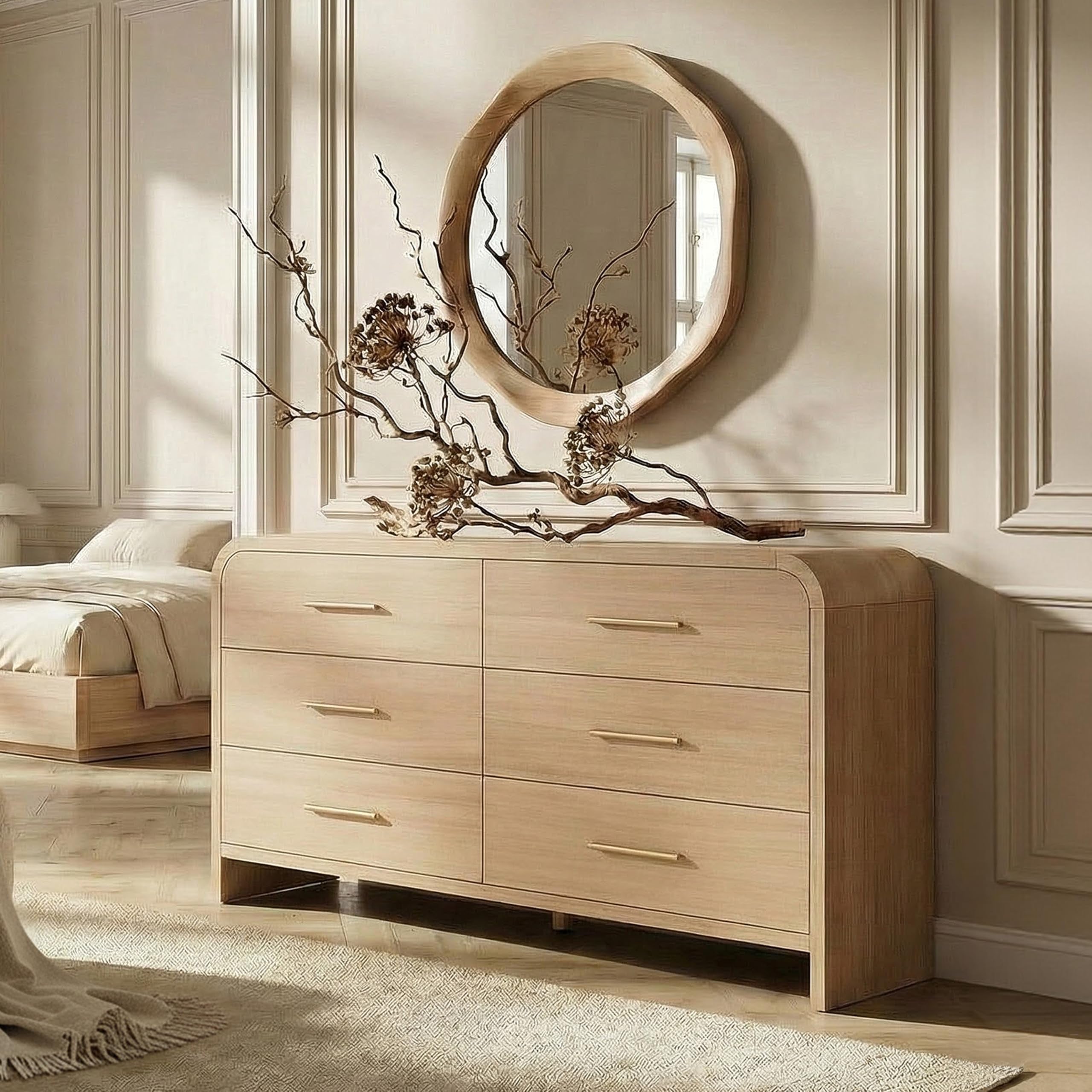
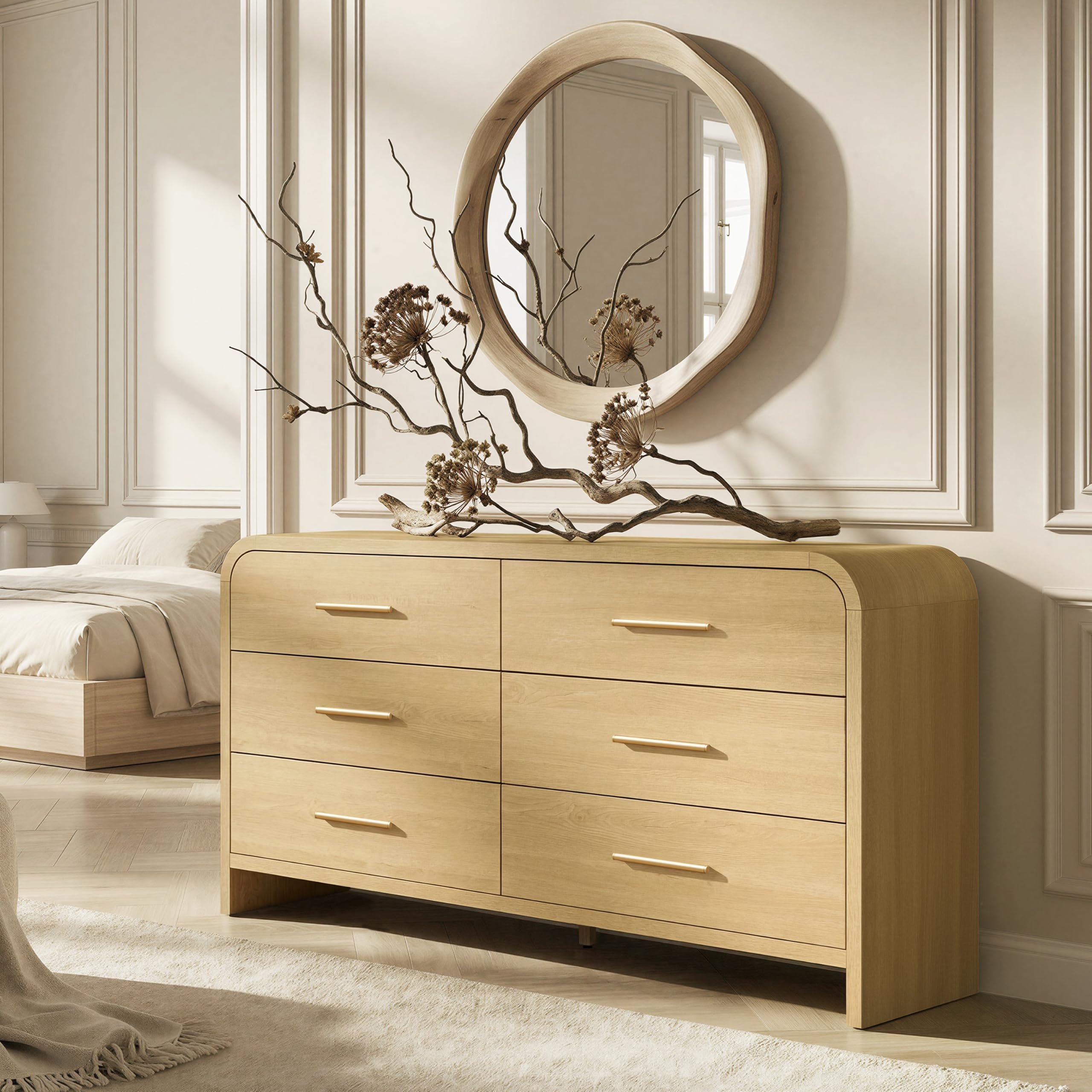
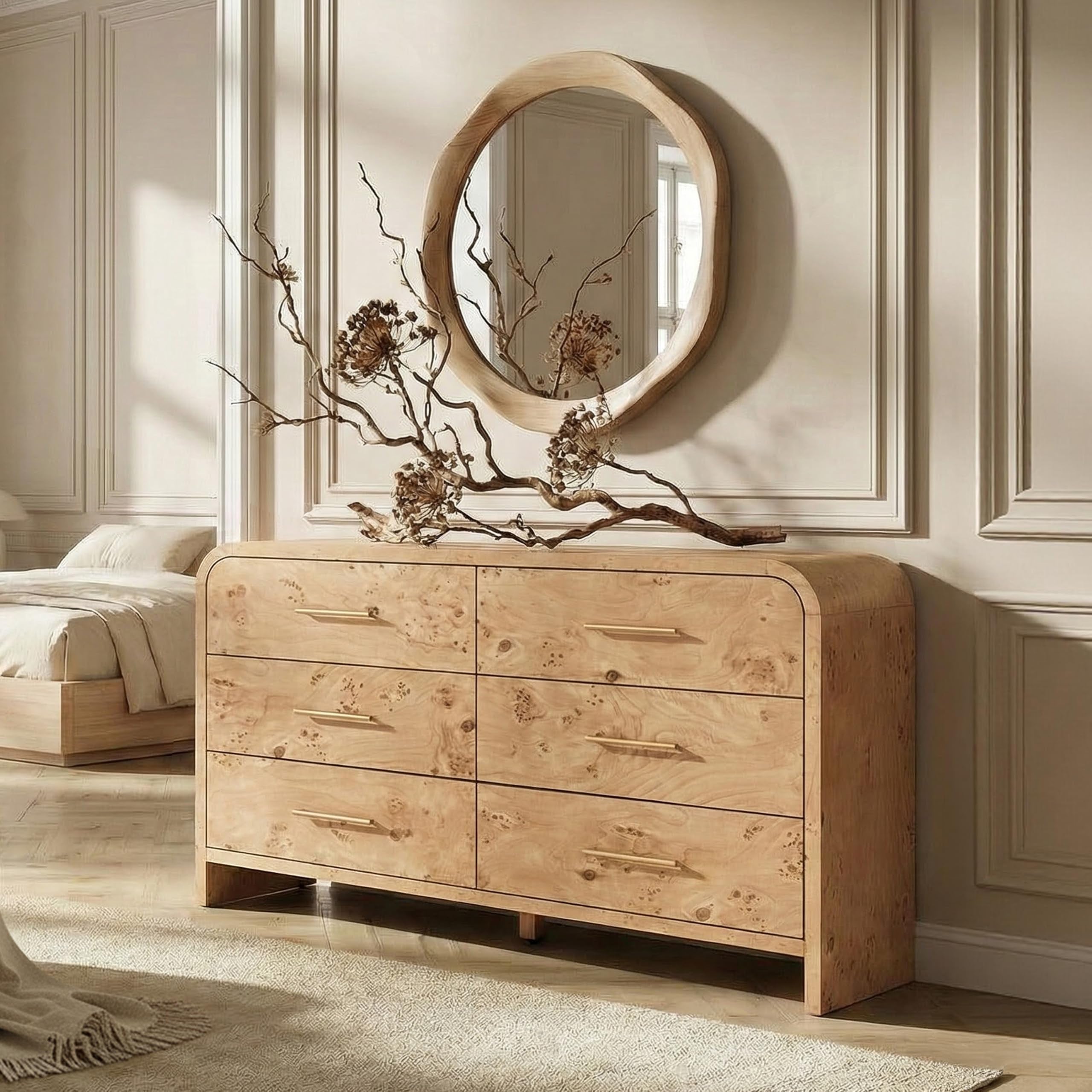
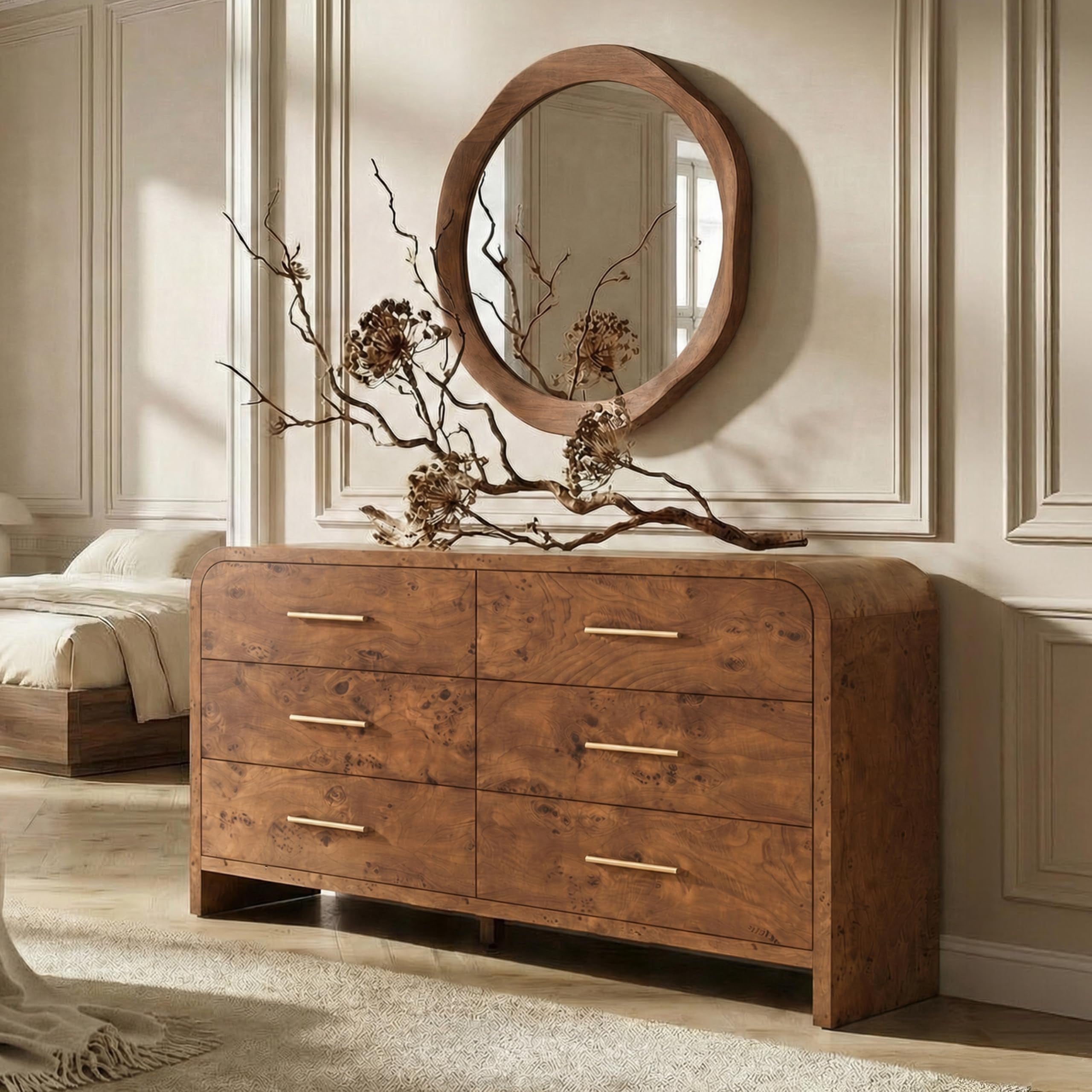


Buying furniture is only the beginning. A sofa, dining table, dresser, or bed can look completely different once you add the softer elements around it.
The trick isn't to make everything match perfectly. It's to use rugs, curtains, cushions, lighting, and other soft furnishings to connect the furniture together.
Start With the Rug, Not the Decorations
A rug can do more than make a room feel warmer.
It helps visually define where one furniture group begins and ends.
For example, in a living room, a rug that extends underneath at least part of the sofa and nearby chairs can make them feel like one seating area rather than separate pieces.
A common mistake is choosing a rug that's too small. If it only sits underneath the coffee table, the furniture can look disconnected from the rest of the room.
When in doubt, think about the furniture first and the rug second—not the other way around.
Let Curtains Connect the Room
Curtains occupy a large visual area, so they can quietly influence how furniture looks.
If your furniture is already visually strong, simple curtains in a similar tone can keep the room balanced.
If the furniture is fairly neutral, curtains can introduce more texture or subtle pattern without requiring another large decorative piece.
You don't necessarily need curtains that are the same color as the sofa.
Instead, look for a shared undertone—warm with warm, cool with cool, earthy with earthy.
Use Cushions to Repeat Colors
This is where you can make different furniture pieces feel intentional.
Suppose your rug contains a muted brown tone. You don't need to find a brown sofa to match it.
Instead, repeat that brown in a cushion, throw, artwork, or small accessory.
Repeating a color two or three times around the room is often enough to create a visual connection.
Don't Forget Lighting
Furniture can look completely different under different lighting.
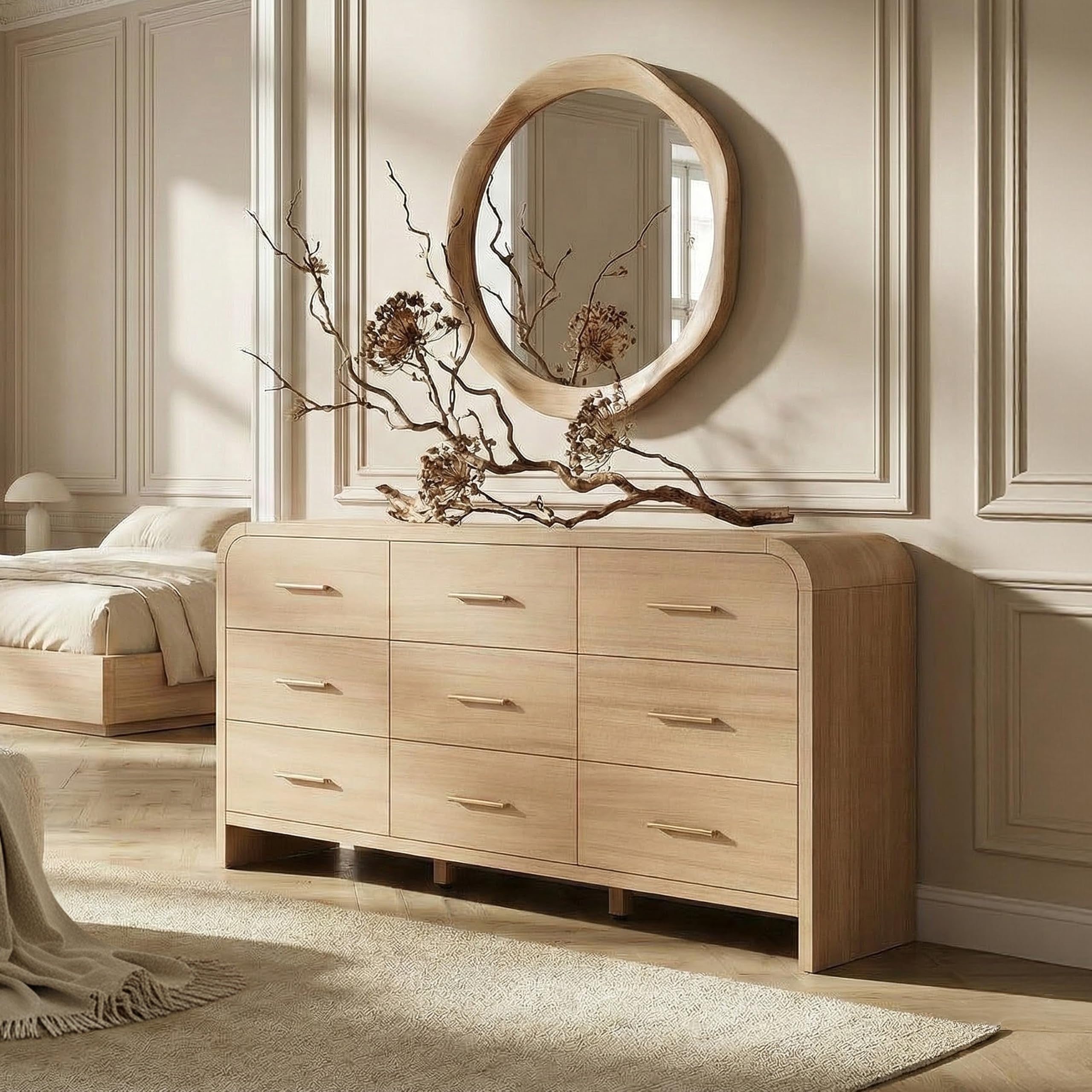
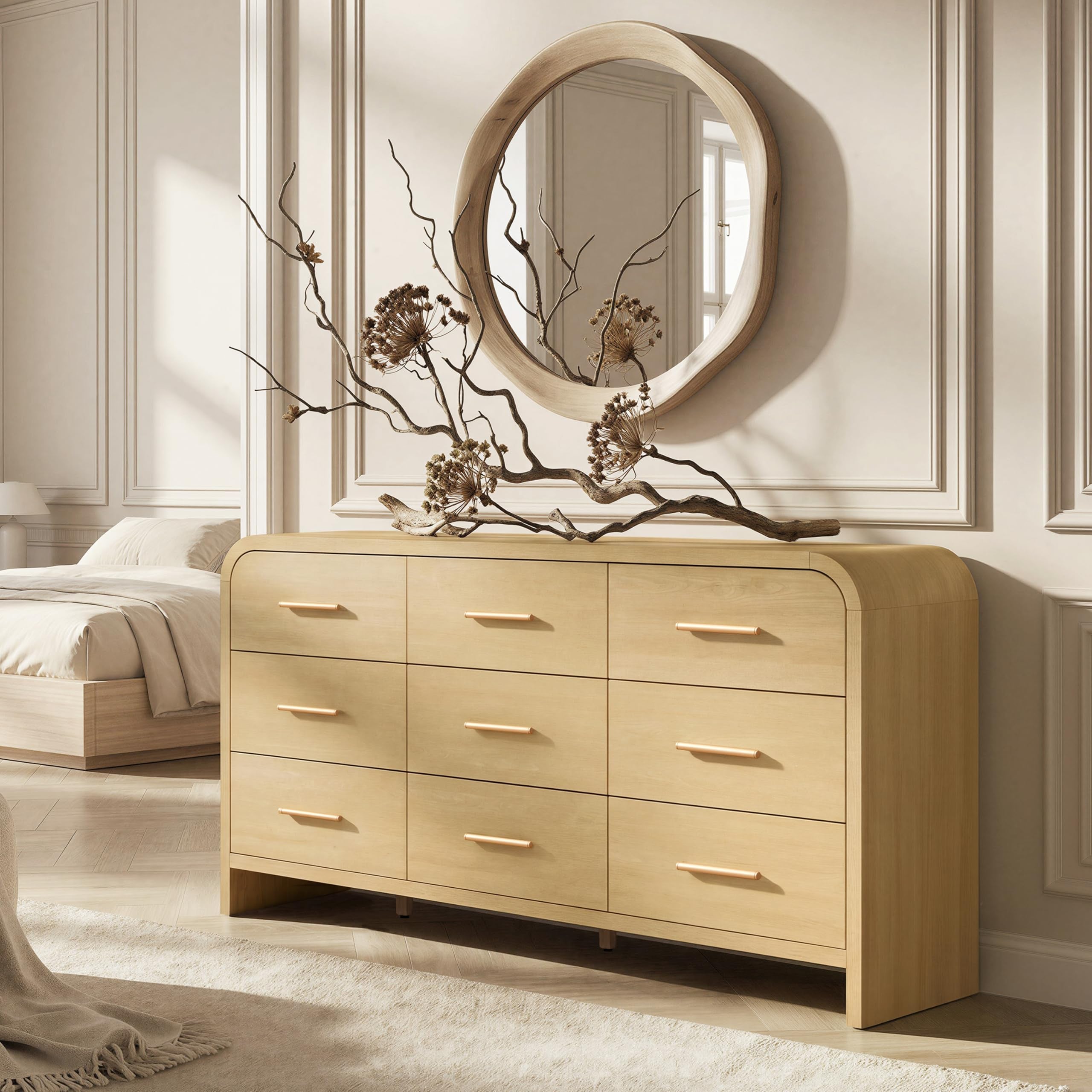
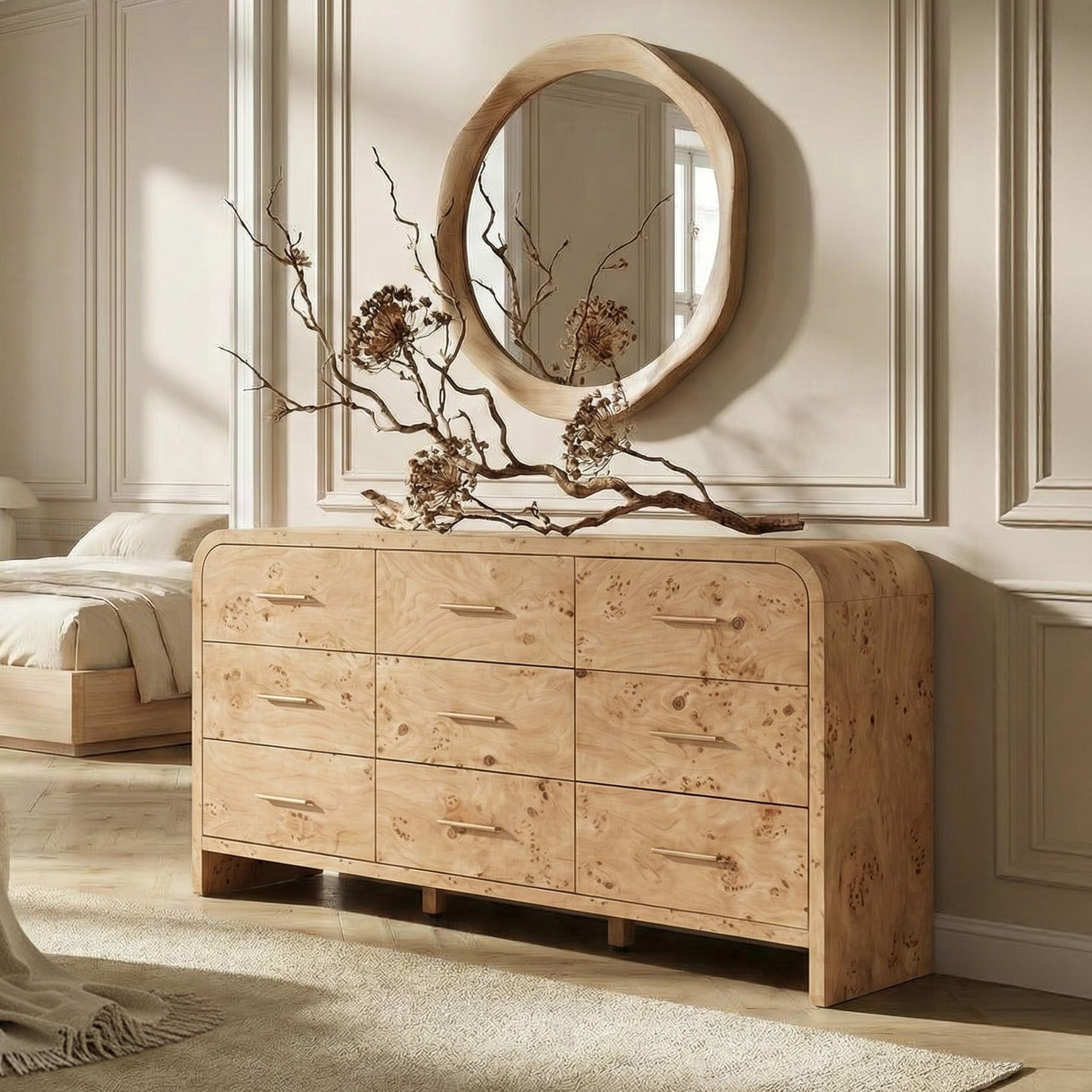
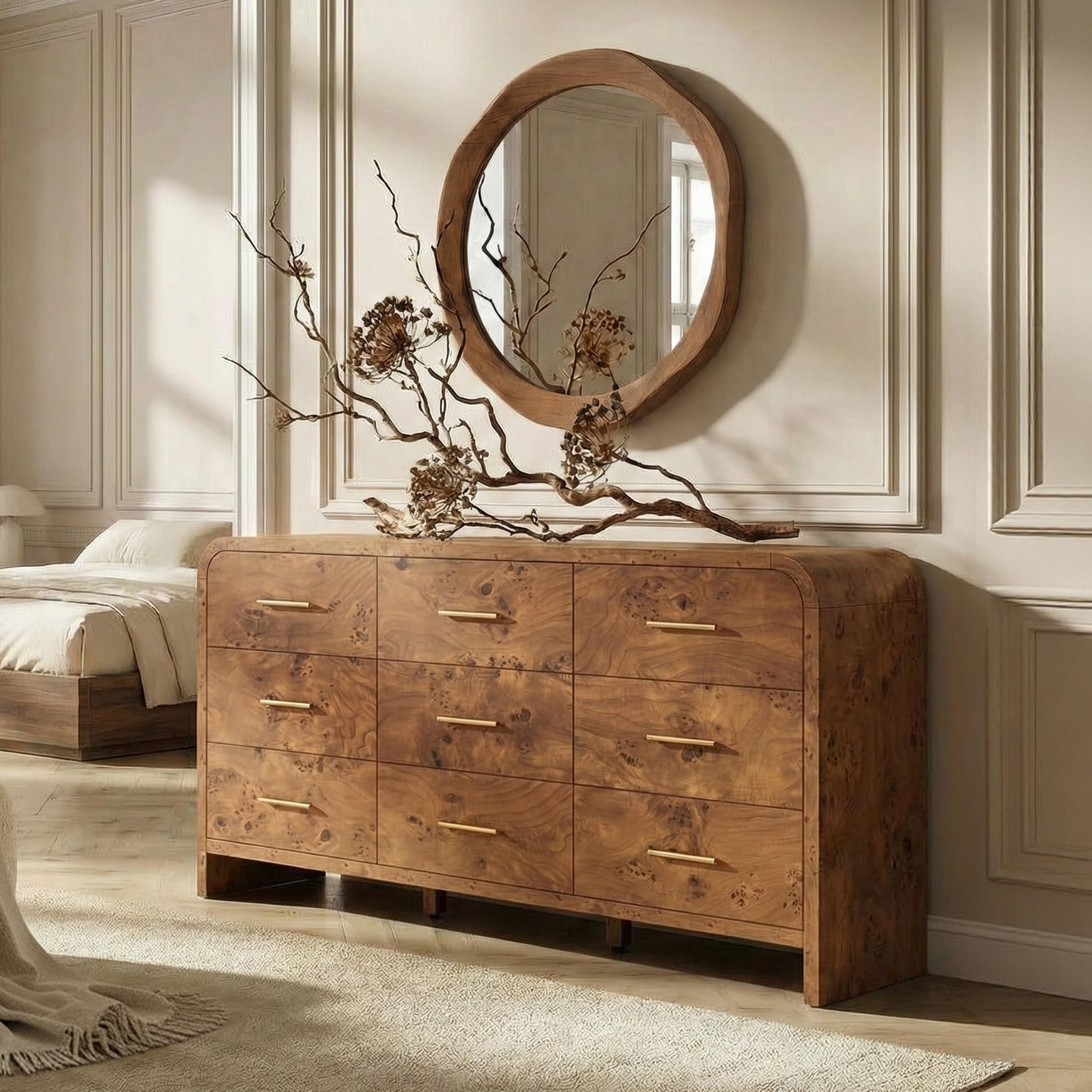
A warm floor lamp beside a wooden dresser can emphasize the warmth of the wood. A table lamp can make a reading chair feel like a deliberate part of the room rather than an extra seat.
Think of lighting as part of the furniture arrangement, not something you add at the very end.
Add Texture Instead of More Color
If your room already has several colors, don't keep adding more.
Try adding texture instead.
A linen curtain, woven rug, knitted throw, wooden accessory, or textured cushion can make a neutral room feel much richer without creating visual chaos.
This is especially useful when your furniture has a simple design.
Match the Mood, Not Every Item
Your furniture, rug, curtains, and accessories don't need to come from the same collection.
In fact, a room can feel more natural when they don't.
A modern dresser can work with a textured rug. A simple sofa can sit beside patterned curtains. A wooden dining table can be paired with upholstered chairs.
What matters is that they share something—color, material, shape, texture, or overall mood.
Final Thoughts
Soft furnishings shouldn't compete with your furniture.
They should help the furniture make sense together.
Start with the larger elements—such as rugs and curtains—then use cushions, throws, lighting, and smaller accessories to repeat colors and textures.
You don't need everything to match.
You just need enough connections for the room to feel intentional.
👉 Explore the collection and enjoy a great deal: Curved 6-Drawer Dresser

