
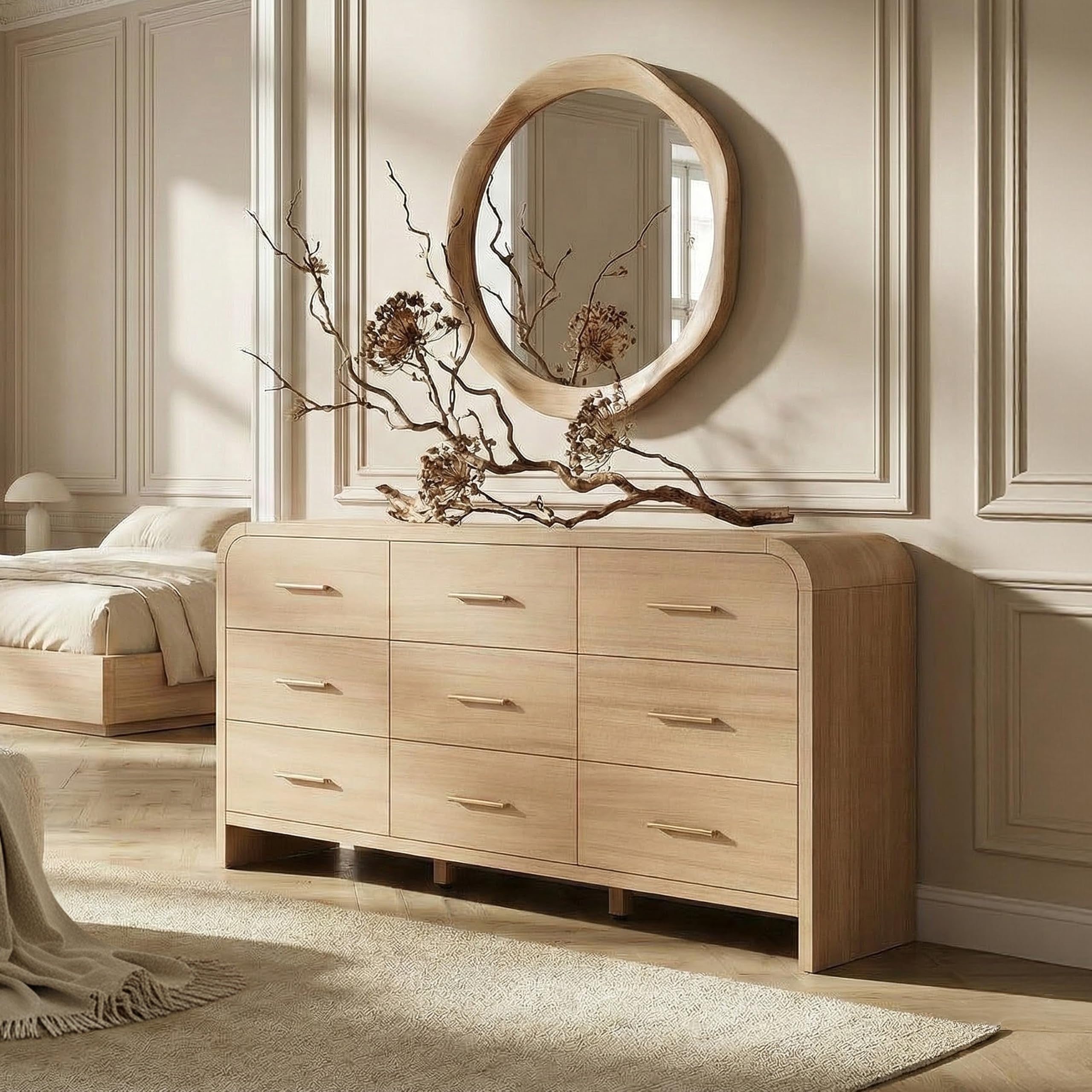
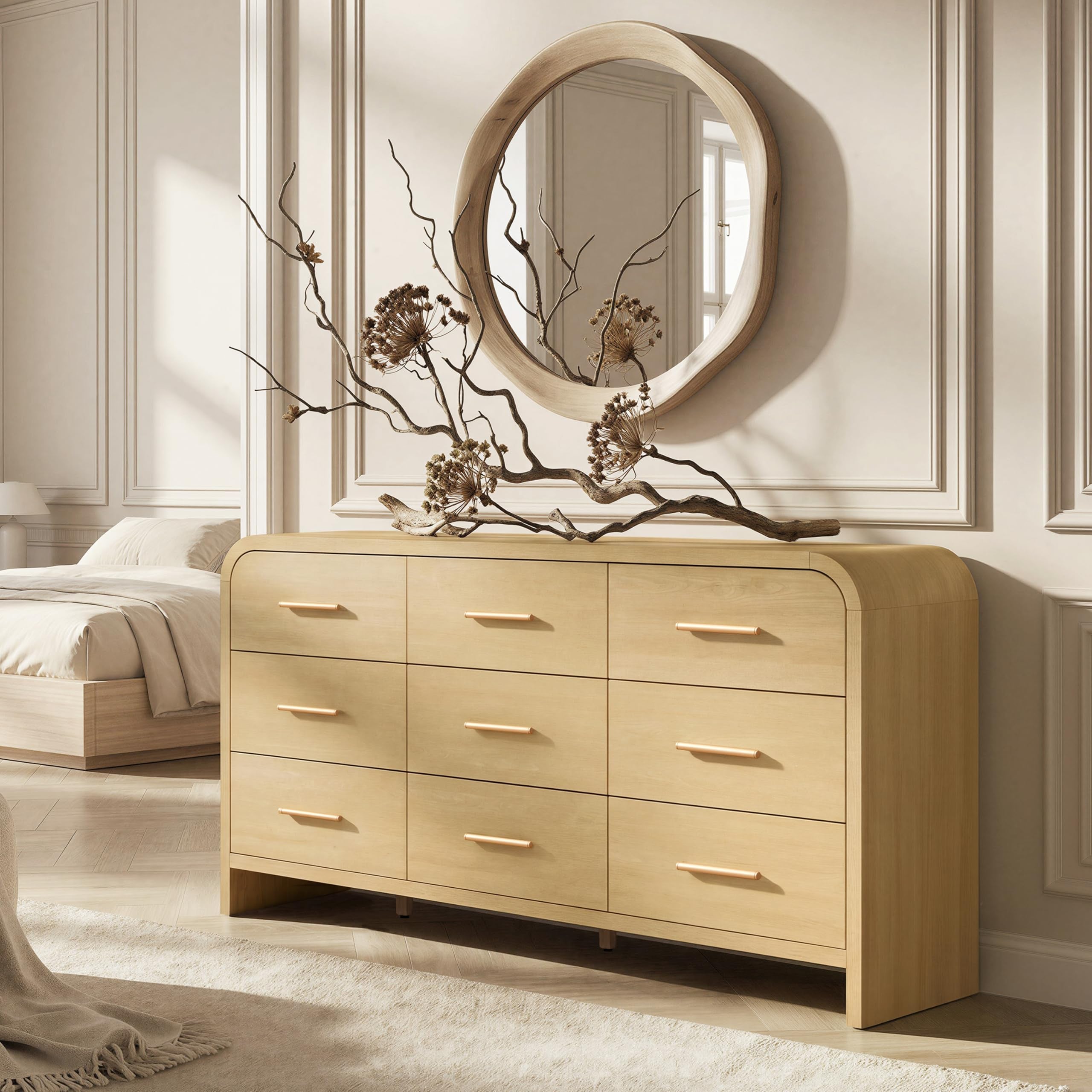
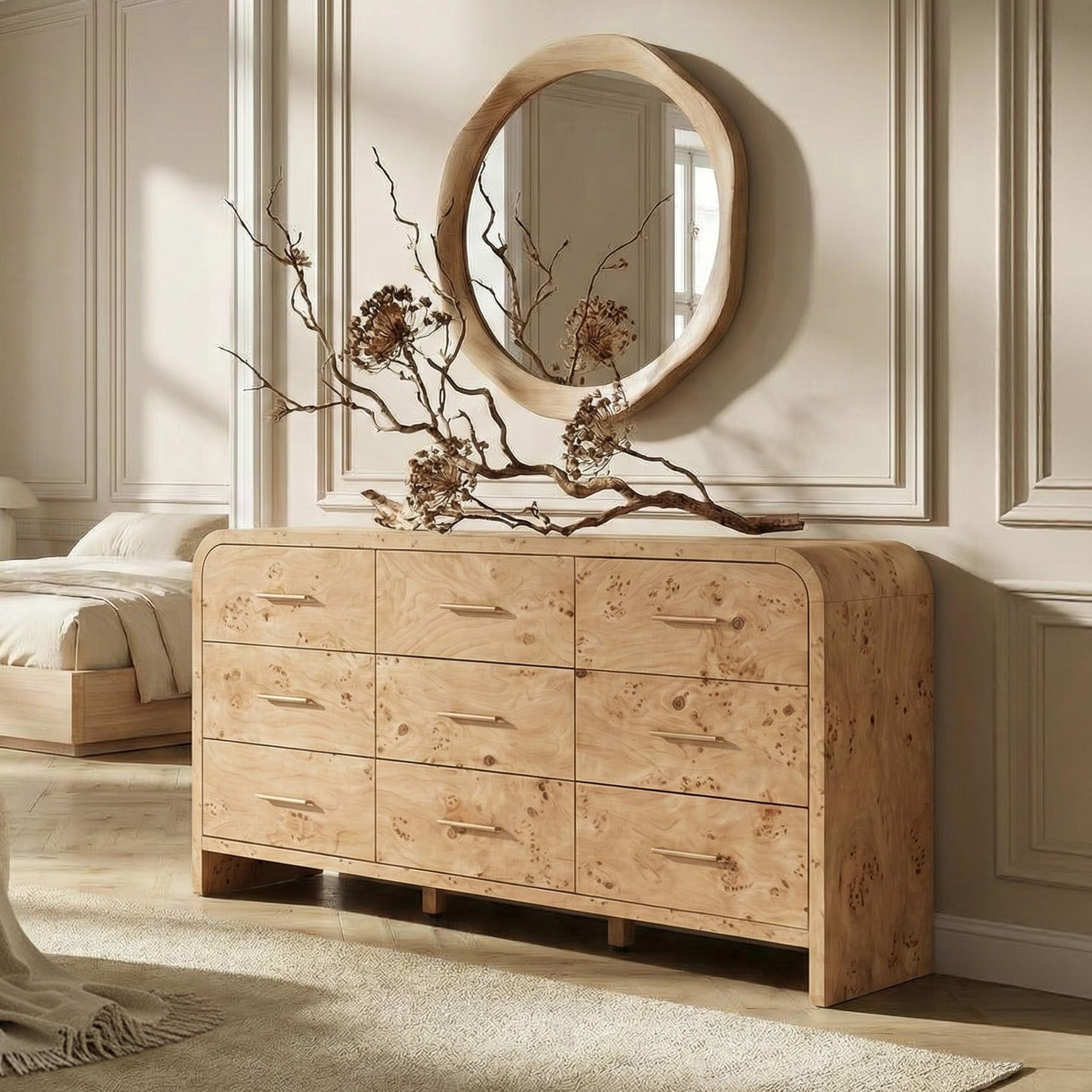
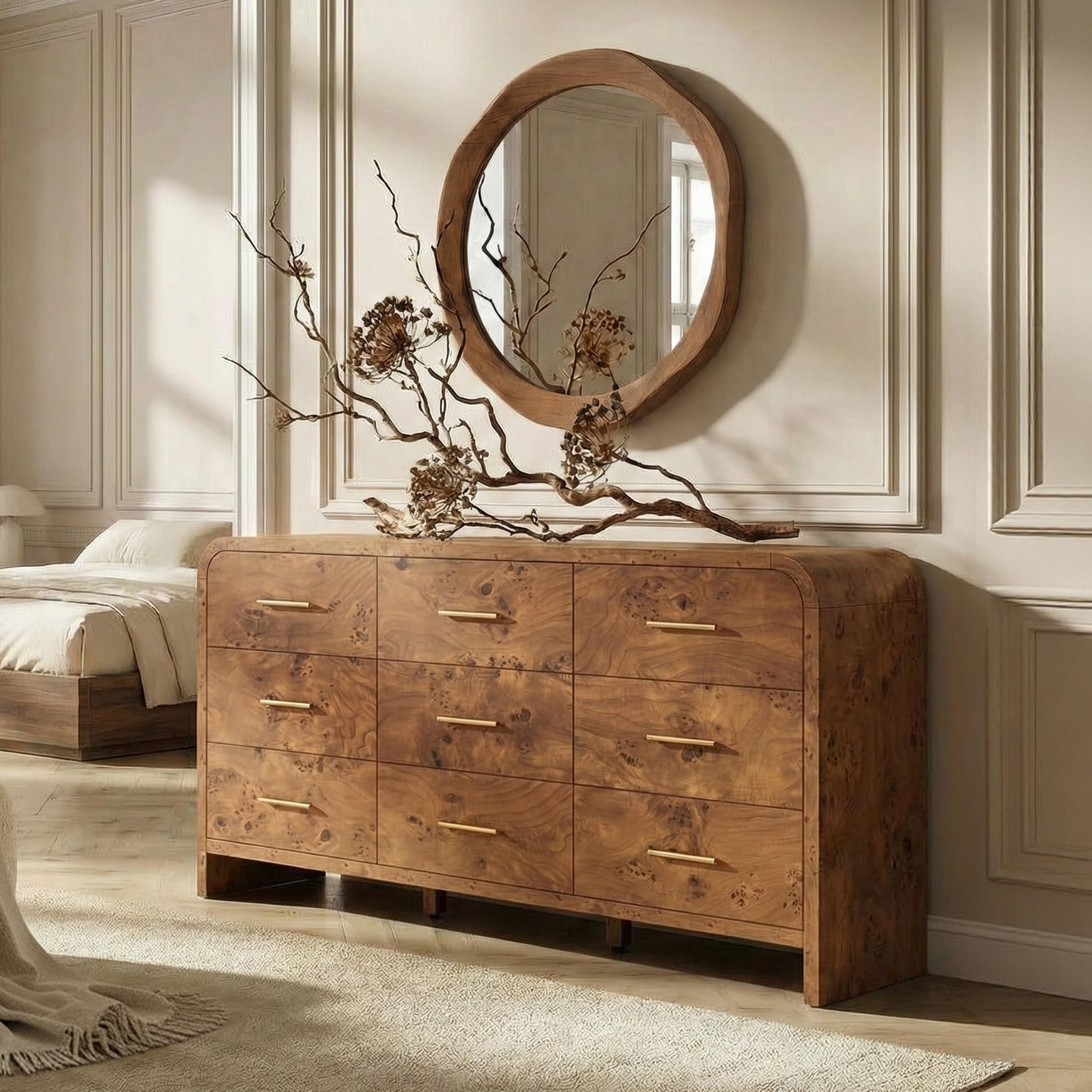
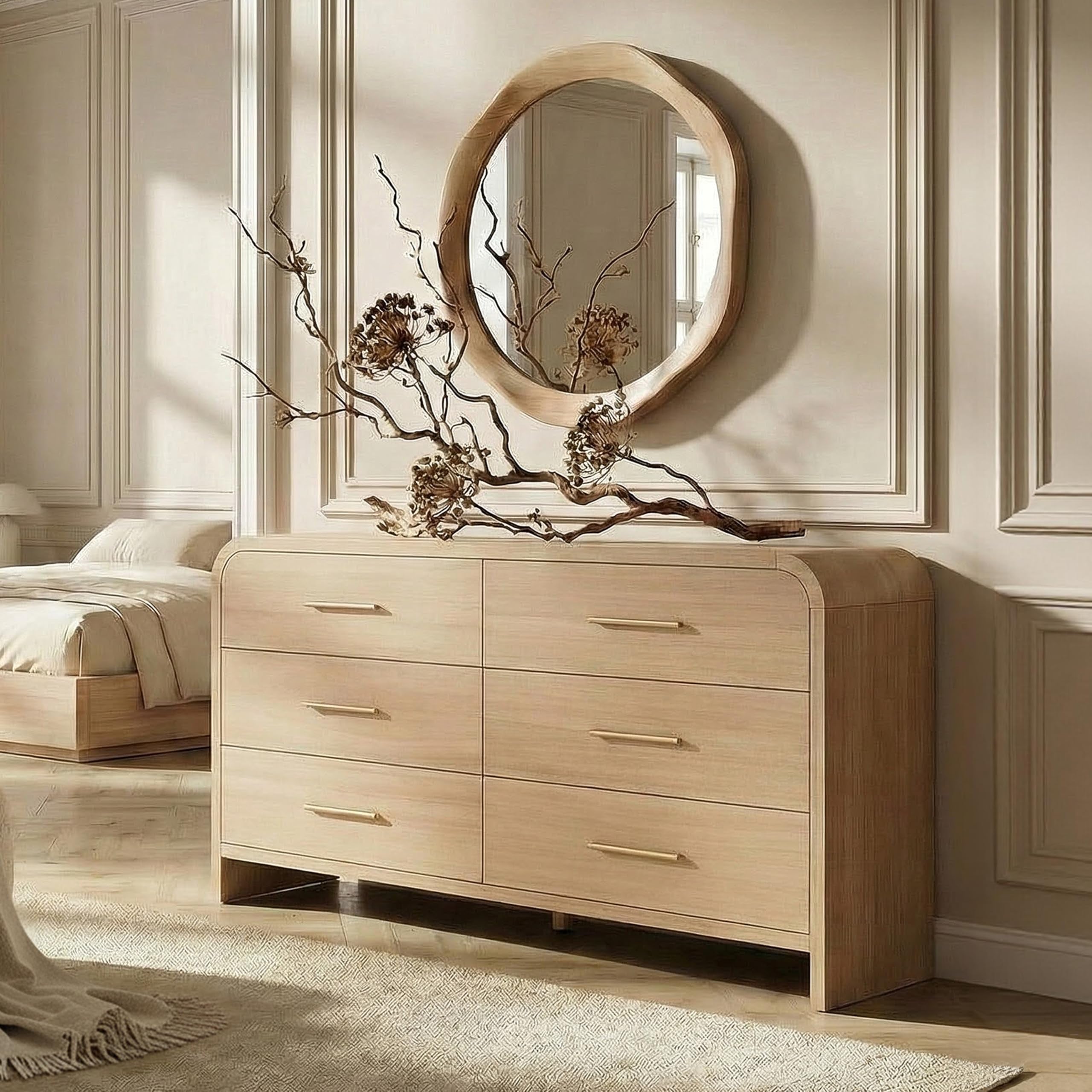
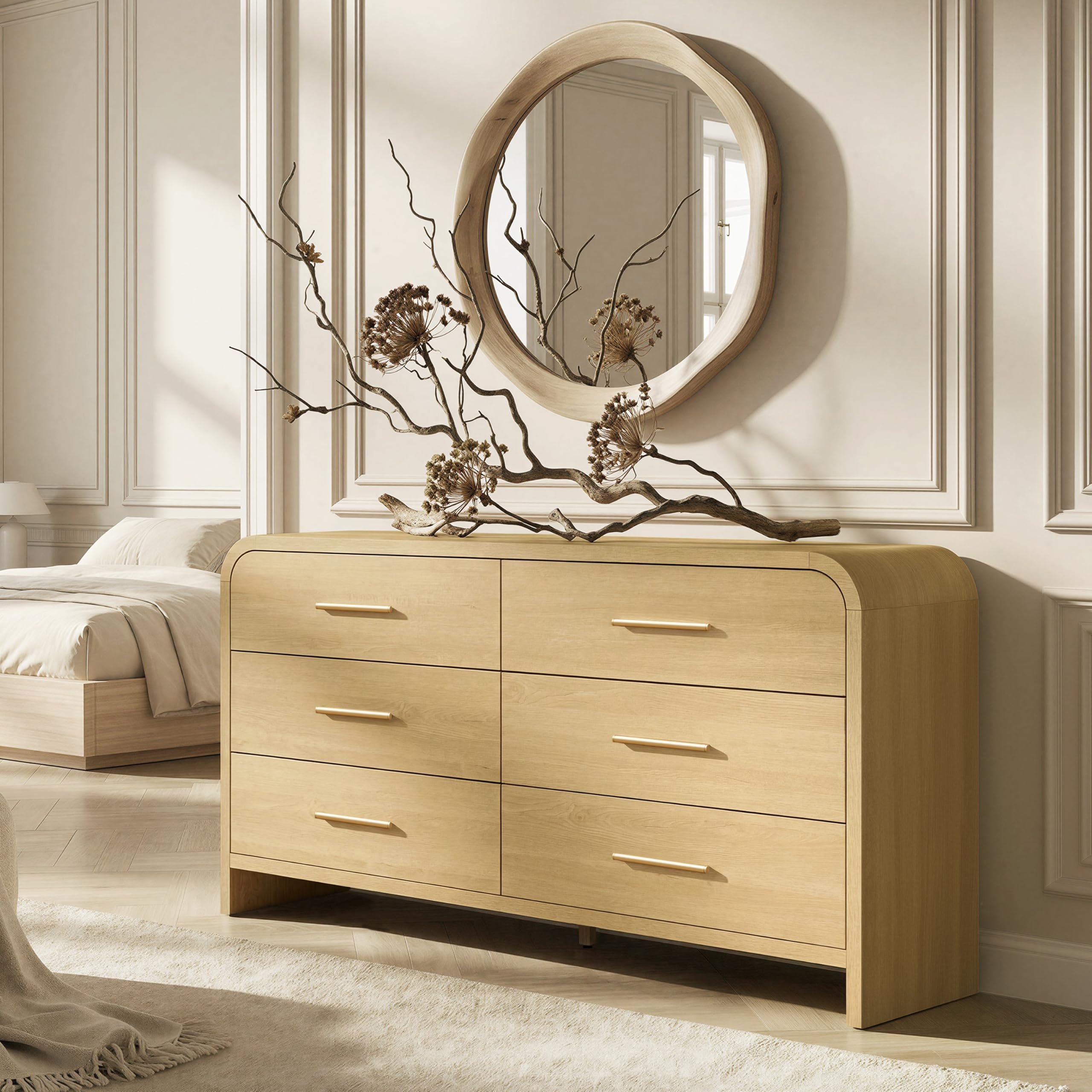
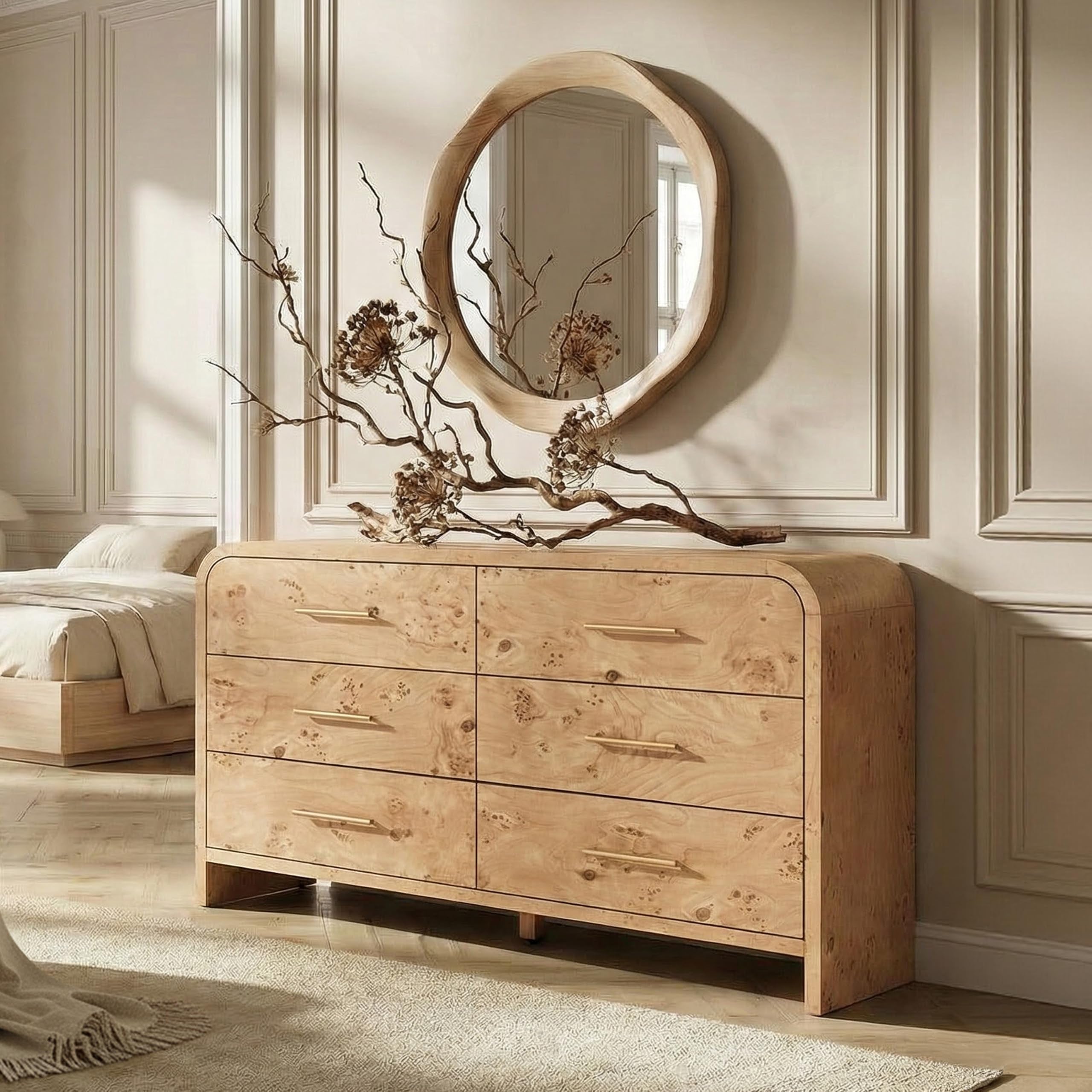
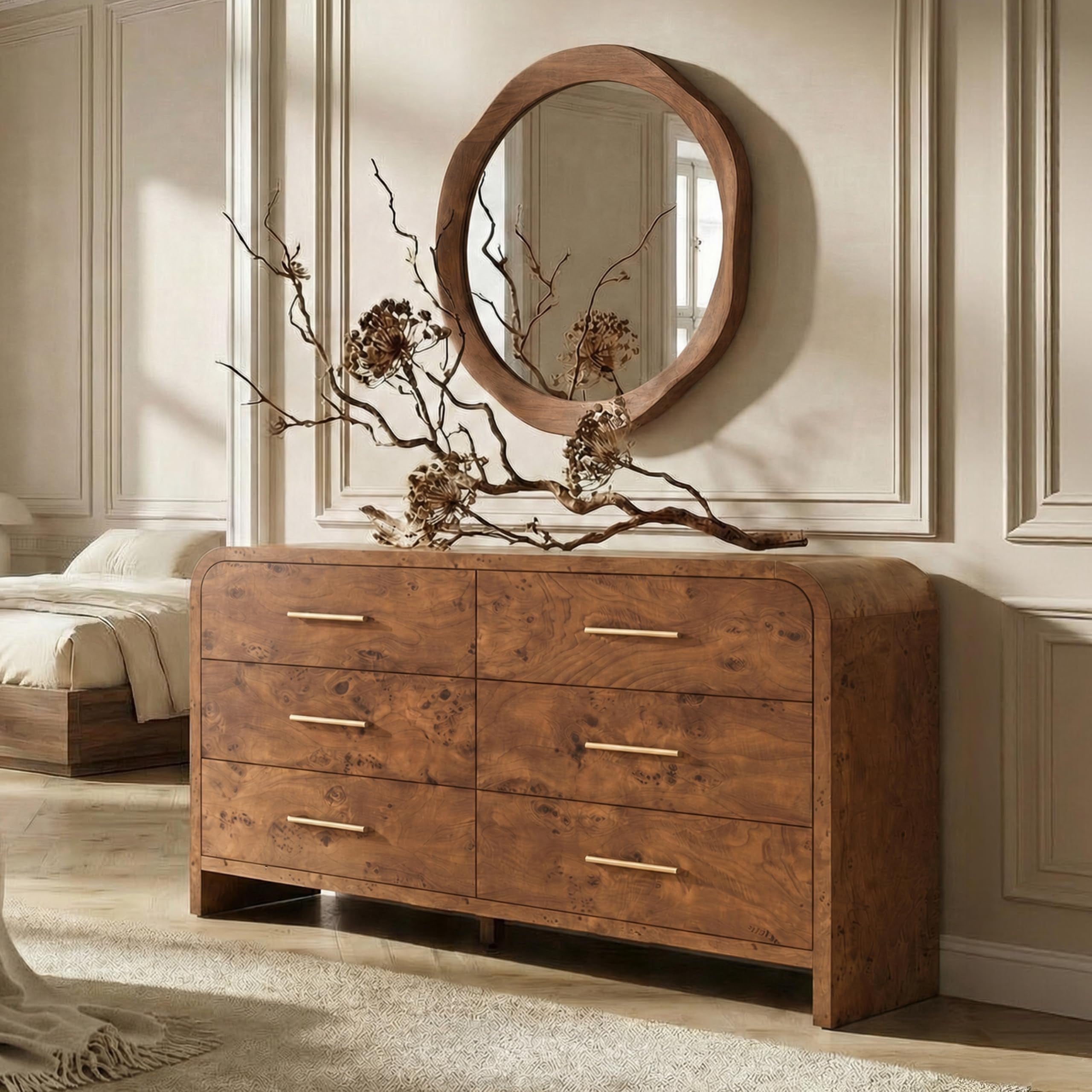


Furniture does not come with an expiration date.
A scratched table can still be useful. A slightly faded chair may still be comfortable. And an older dresser may have more character than something bought last year.
So instead of asking “How old is it?”, a better question is:
“Is this piece still doing its job well?”
When Wear Starts Affecting Daily Use
Some signs are easy to ignore because they appear gradually.
A chair becomes less comfortable.
A drawer starts sticking.
A table wobbles.
A cabinet door no longer closes properly.
One small issue may not justify replacing a piece. But when several problems begin affecting everyday use, the furniture may have reached the end of its practical life.
When Repair No Longer Makes Sense
Not every damaged piece needs to be thrown away.
Tightening hardware, replacing drawer slides, refinishing a surface, or repairing a loose joint can often extend a piece's life.
But consider replacement when repairs become frequent, expensive, or temporary.
If you keep fixing the same problem every few months, you may be spending more effort maintaining the furniture than enjoying it.
When Your Furniture No Longer Fits Your Life
Sometimes furniture is not physically worn out—it is simply no longer suitable.
Maybe your storage needs have changed.
Maybe a dresser that once worked for one person is now constantly overflowing.
Maybe a large coffee table makes it difficult to move comfortably around the room.
Your furniture should adapt to your current lifestyle rather than forcing you to work around it.
When the Room Feels Harder to Use
This is one of the most overlooked reasons to replace furniture.
A piece can be perfectly functional but still make a room feel crowded, inconvenient, or difficult to maintain.
Ask yourself:
- Does it block useful space?
- Is it difficult to clean around?
- Does it make everyday movement awkward?
- Are you constantly wishing it were smaller, larger, or better organized?
If the answer is yes, the problem may not be the room. It may be the furniture.
Don't Replace Furniture Just Because It's Old
Age alone is a poor reason to replace something.
Well-made furniture can remain useful for many years, while poorly made furniture may become frustrating much sooner.
Before buying something new, consider whether the existing piece can be repaired, repurposed, or simply used differently.
Replacing furniture should solve a real problem—not create another piece of waste.
Final Thoughts
The right time to replace furniture isn't necessarily when it looks old.
It's when it stops supporting the way you live.
If a piece is uncomfortable, unreliable, difficult to maintain, or constantly getting in your way, replacing it may be worthwhile.
But if it still works beautifully, there is no reason to replace it simply because it has been around for a long time.
👉 Explore the collection and enjoy a great deal: Curved 3-Drawer Nightstand

