


The best living rooms don't always look perfectly styled.
They feel easy.
You walk in and naturally know where to sit. There's enough space to move around. The coffee table is close enough to reach. The sofa invites you to stay for a while.
Nothing feels forced.
That sense of ease is often what makes a living room feel truly comfortable.
Start With How You Actually Use the Room
A living room can serve many purposes.
It might be where you watch a movie after dinner, catch up with family, read on a quiet afternoon, or have friends over on the weekend.
Your furniture arrangement should reflect those moments.
Instead of placing the sofa and other pieces simply because that's where they seem to fit, think about how people naturally move through the room.
Where do conversations happen?
Where do you usually sit?
Which direction do you face?
The answers can help create a layout that feels intuitive rather than overly planned.
Give the Sofa Room to Breathe
The sofa is usually the heart of a living room, but it shouldn't have to fill the entire space.
Leave enough room around it for people to walk comfortably. A little distance between the sofa, coffee table, and surrounding furniture can make the whole room feel more open.
If you have a larger sofa or sectional, balance it with open space or lighter-looking pieces nearby.
The goal isn't to make the room look empty.
It's to make it feel easy to use.
Create More Than One Place to Sit
A living room feels more natural when people have options.
A large sofa can be perfect for relaxing together, while an accent chair or ottoman can create another comfortable spot without separating the room.
Different seating areas can also make conversations feel more natural.
Not everyone has to face the television.
Sometimes, turning a chair slightly toward the sofa is enough to make the room feel more social.
Keep Storage Part of the Design
Living rooms collect things quickly—books, remotes, blankets, games, electronics, and everyday items.
Without enough storage, even a beautifully furnished room can start feeling cluttered.
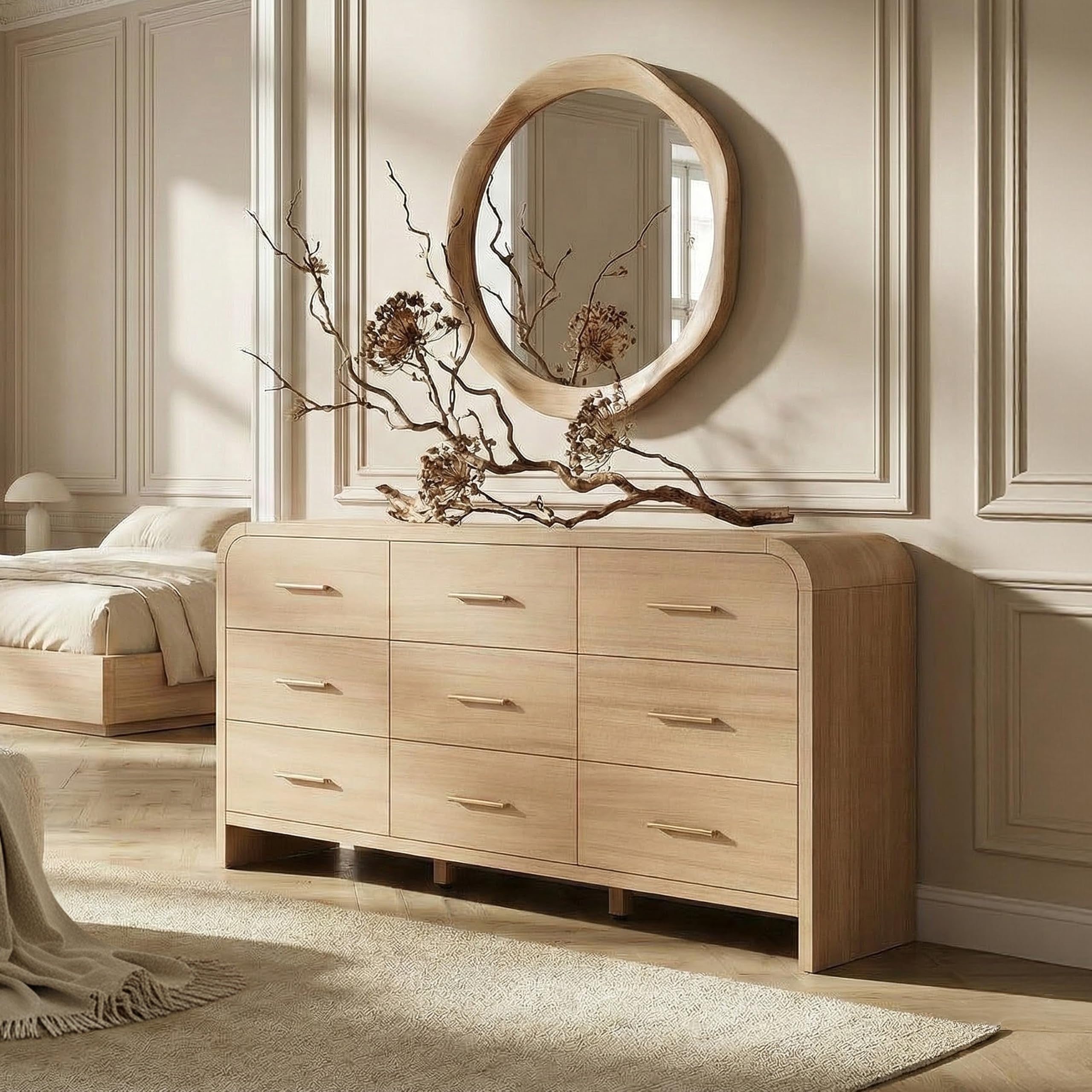
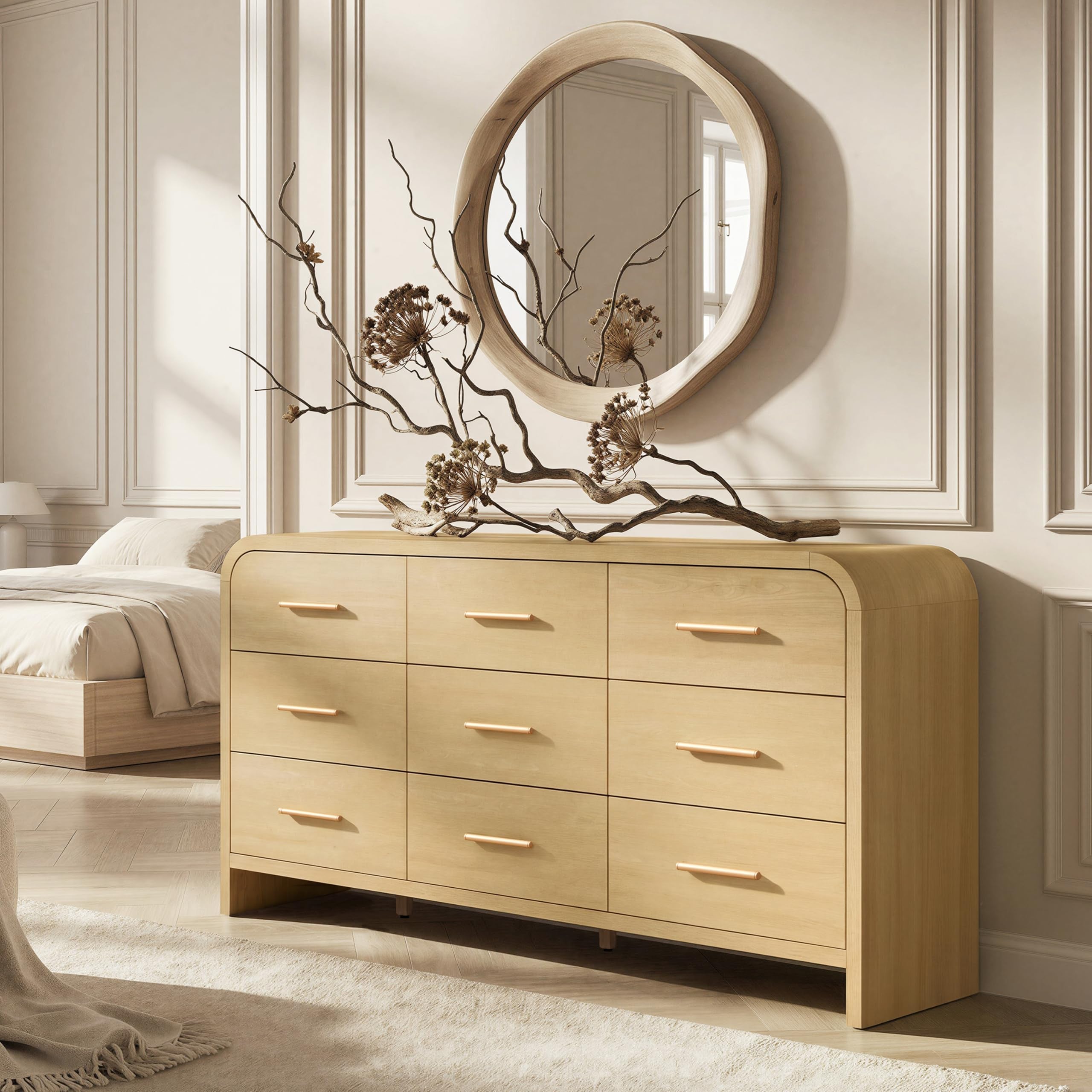
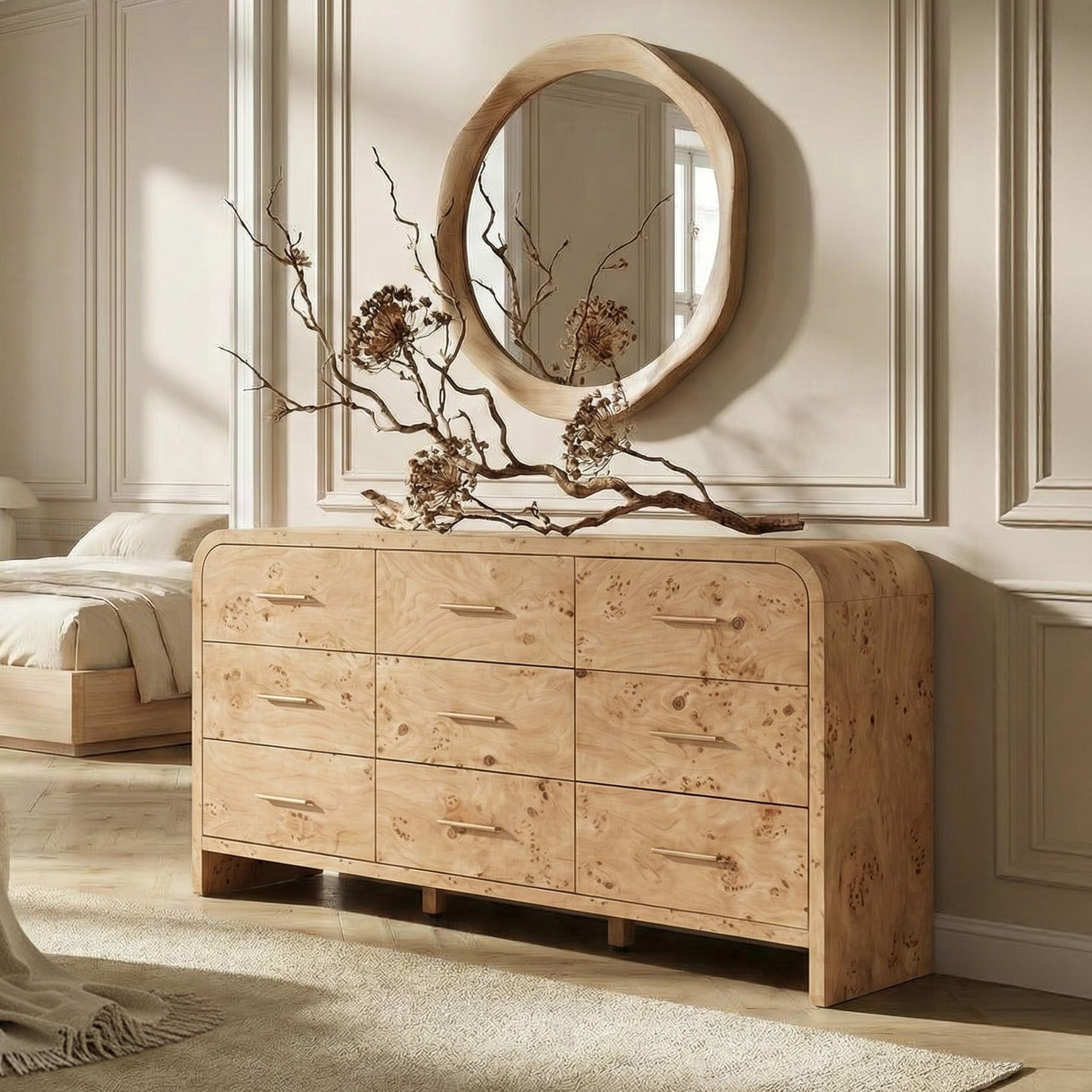
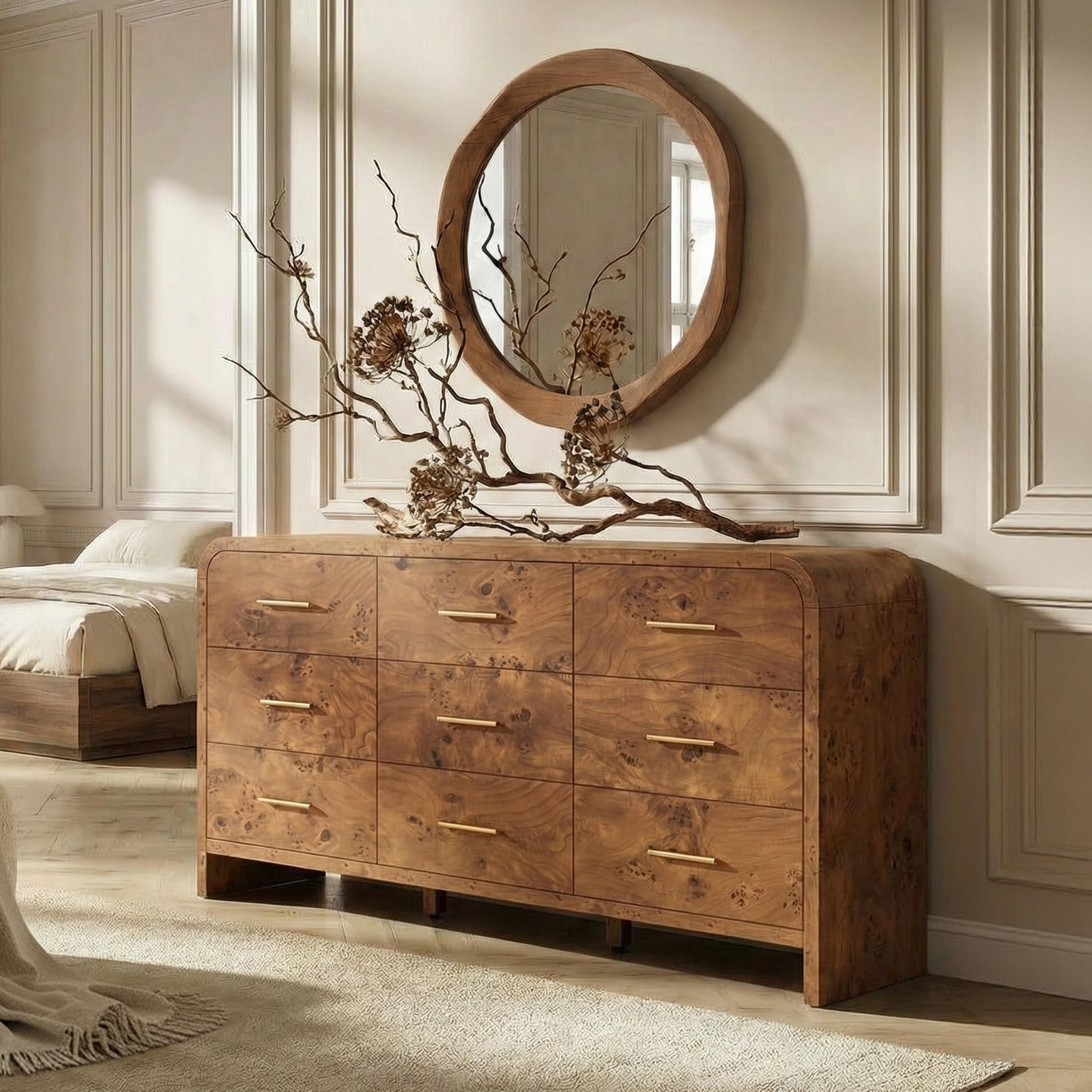
A TV stand, sideboard, or cabinet can give these items a place to go while keeping the main living area visually calmer.
Good storage doesn't have to stand out.
When it works well, you may barely notice it.
Don't Try to Fill Every Empty Space
An empty corner isn't necessarily wasted space.
In a living room, some open areas help create visual balance and make movement easier.
Instead of adding another piece of furniture simply because a corner looks empty, ask whether the room actually needs it.
Sometimes, a little breathing room is exactly what makes the furniture you already have look better.
Let the Living Room Feel Lived In
A comfortable living room shouldn't feel like nobody is allowed to touch anything.
A blanket on the sofa. A book left on the coffee table. A favorite chair that always seems to be occupied.
These small signs of everyday life can make a space feel more inviting.
The goal isn't to create a room that looks perfect in a photograph.
It's to create one where people naturally want to spend time.
The Most Natural Living Rooms Feel Like You
There is no single formula for a great living room.
Some families need a large sectional. Others prefer several smaller seating options. Some want a dedicated entertainment area, while others care more about conversation and quiet evenings.
What matters is whether the room supports the way you live.
At Cozyshome, we believe furniture should make everyday living feel more natural—not more complicated.
Because the living rooms we love most aren't necessarily the most perfectly decorated.
They're the ones where we instinctively sit down, stay awhile, and feel completely at home.

