


Some homes look beautiful the moment you walk through the door.
Others have something harder to describe.
Everything just seems to work.
You can walk through the room without squeezing past furniture. The things you use every day are easy to reach. There is somewhere to put your keys, somewhere to sit, and somewhere to store the things you don't want on display.
That feeling doesn't necessarily come from having a larger home or more expensive furniture. Often, it comes from making everyday spaces work with the way you actually live.
Start With How You Move
Before rearranging furniture, pay attention to your usual movements.
Where do you walk when you come home? Where do you naturally stop? Which areas do you use most often?
A room becomes easier to live in when furniture doesn't constantly interrupt those patterns.
Try to keep frequently used pathways open and avoid placing large pieces where they create unnecessary turns or narrow passages.
The goal isn't to create an empty room.
It's to create a room that doesn't make you think about where to walk.
Choose Furniture That Fits the Room
Furniture should have enough presence to serve its purpose without overwhelming the space.
A large sofa may work beautifully in a spacious living room but feel restrictive in a smaller one. Likewise, a tiny storage piece may look neat while failing to provide enough practical storage.
Before bringing a new piece home, consider:
- The room's overall dimensions
- Door and drawer clearance
- Walking space around the furniture
- How many people normally use the room
- What the furniture actually needs to hold
The right size isn't simply about whether something fits.
It's about whether the room still functions comfortably once it's there.
Put Storage Where Clutter Actually Happens
Every home has predictable clutter zones.
Maybe it's the entryway. Maybe it's the coffee table, kitchen counter, bedroom chair, or bedside table.
Instead of constantly fighting these habits, work with them.
If small items always collect near the entrance, consider storage there. If blankets and books tend to gather around the sofa, keep storage within easy reach.
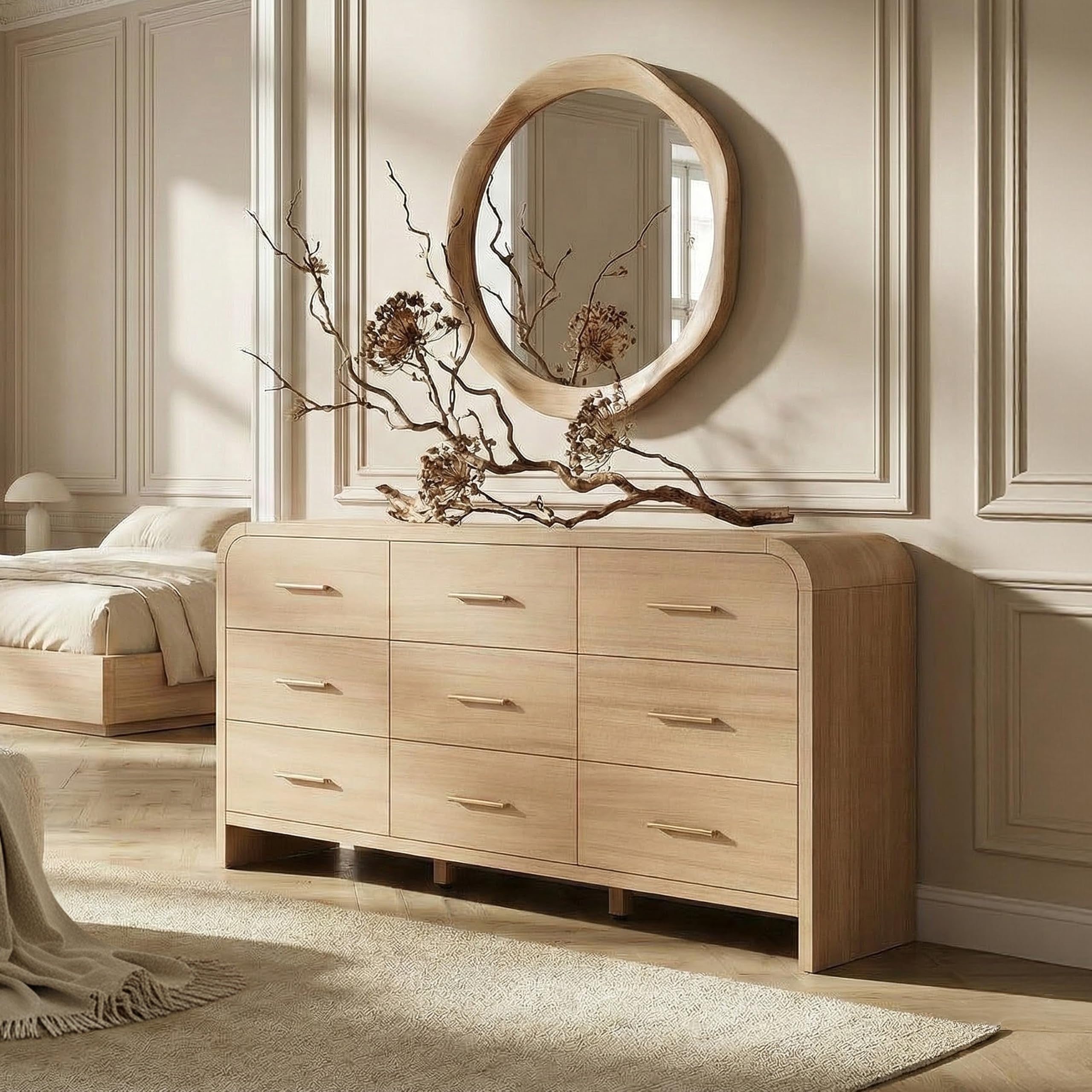
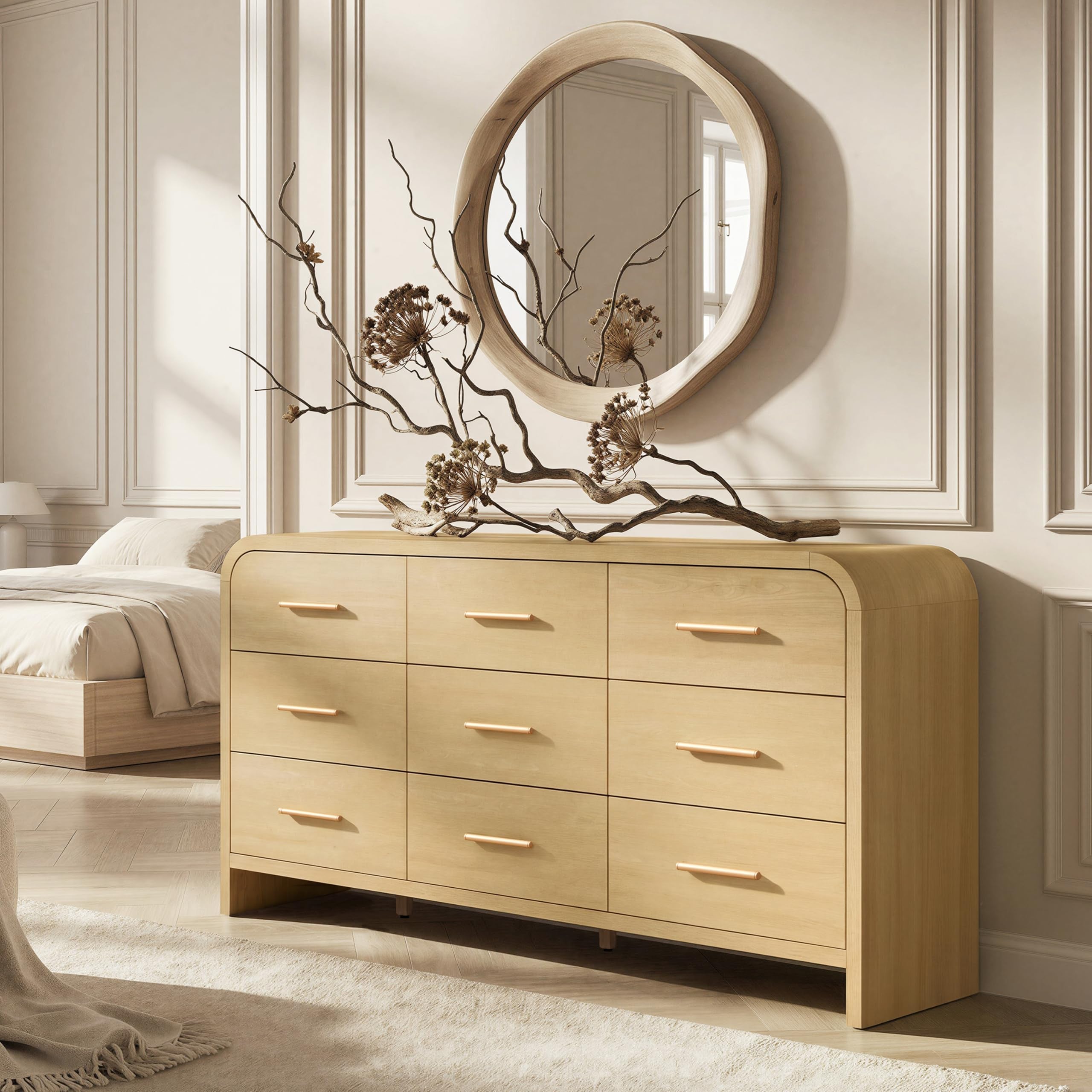
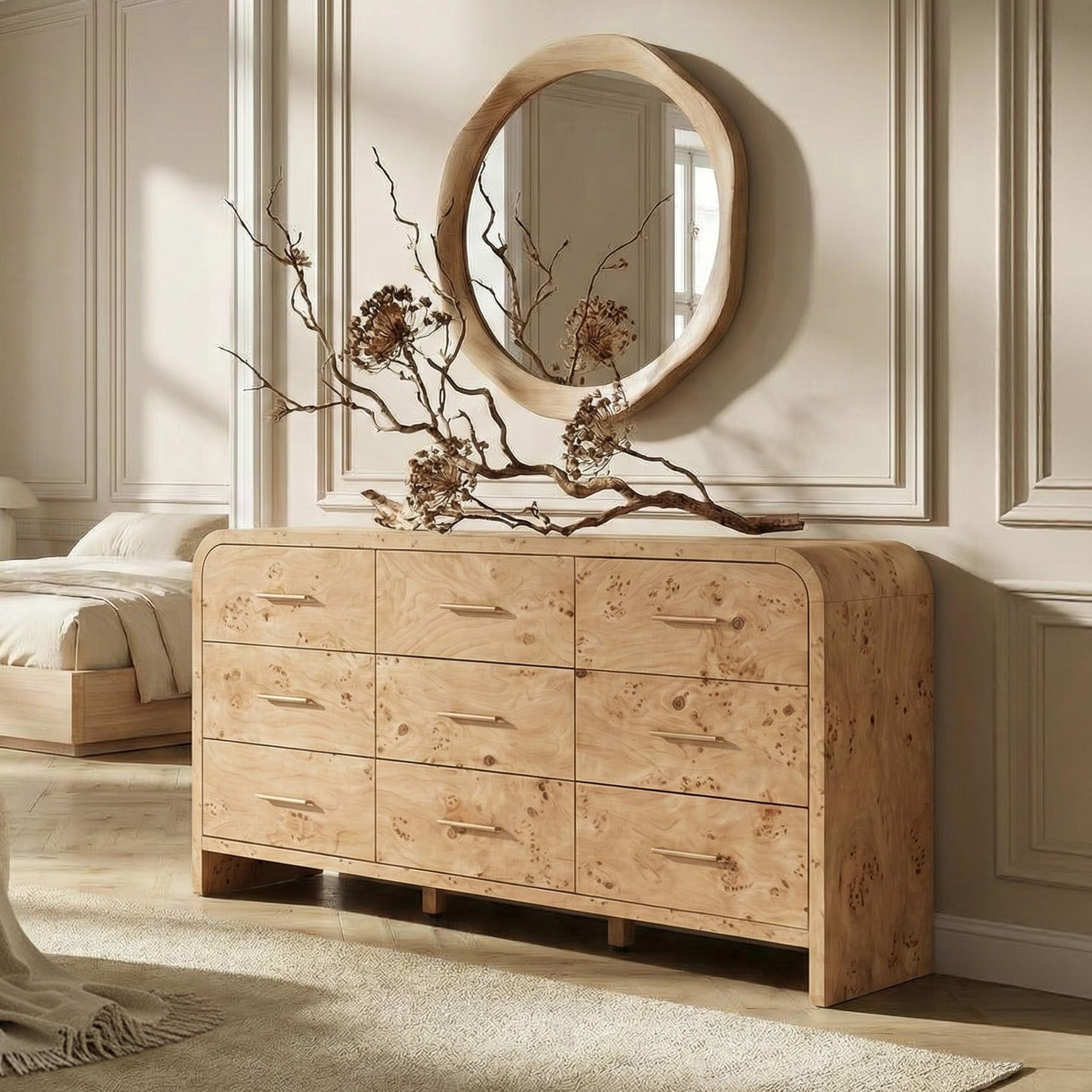
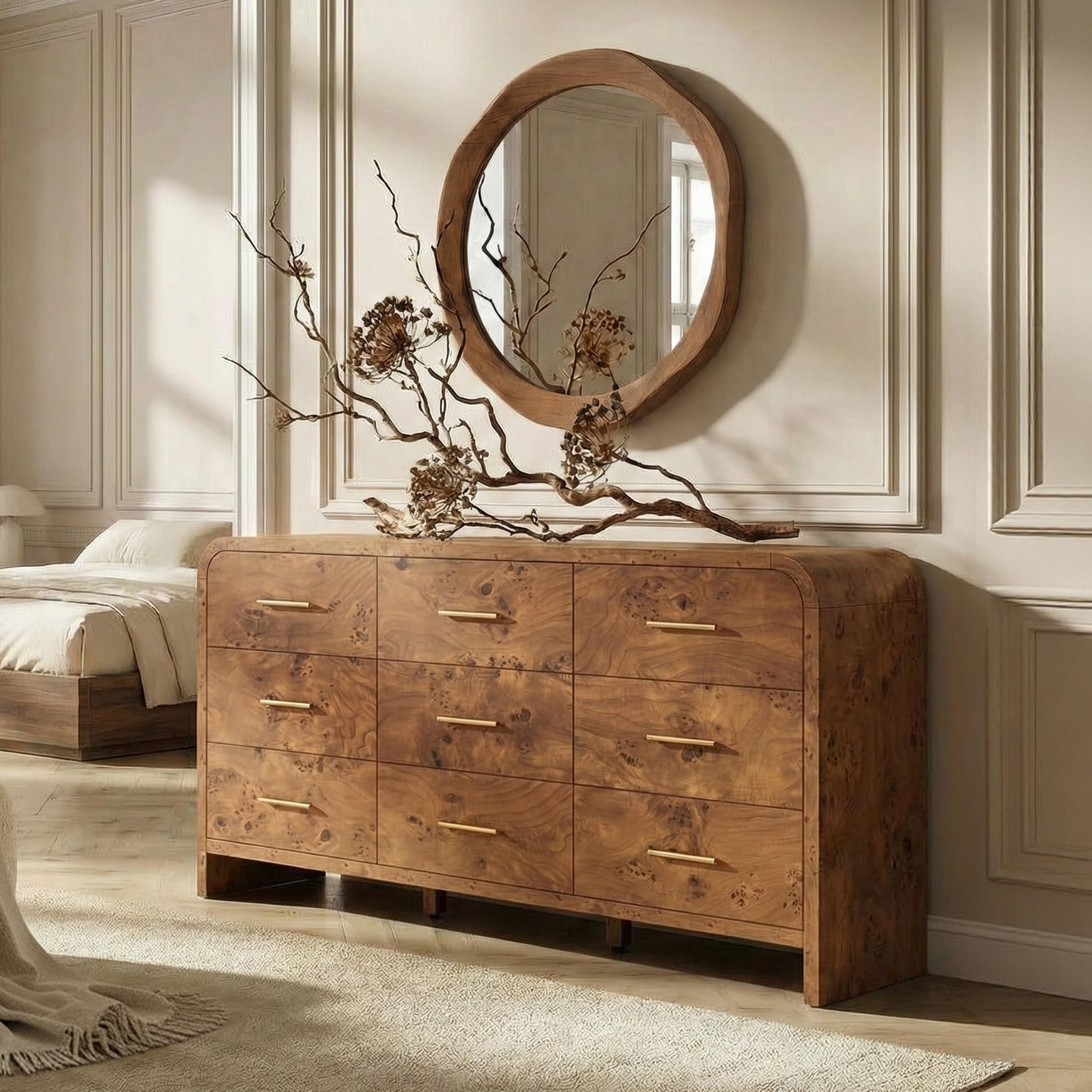
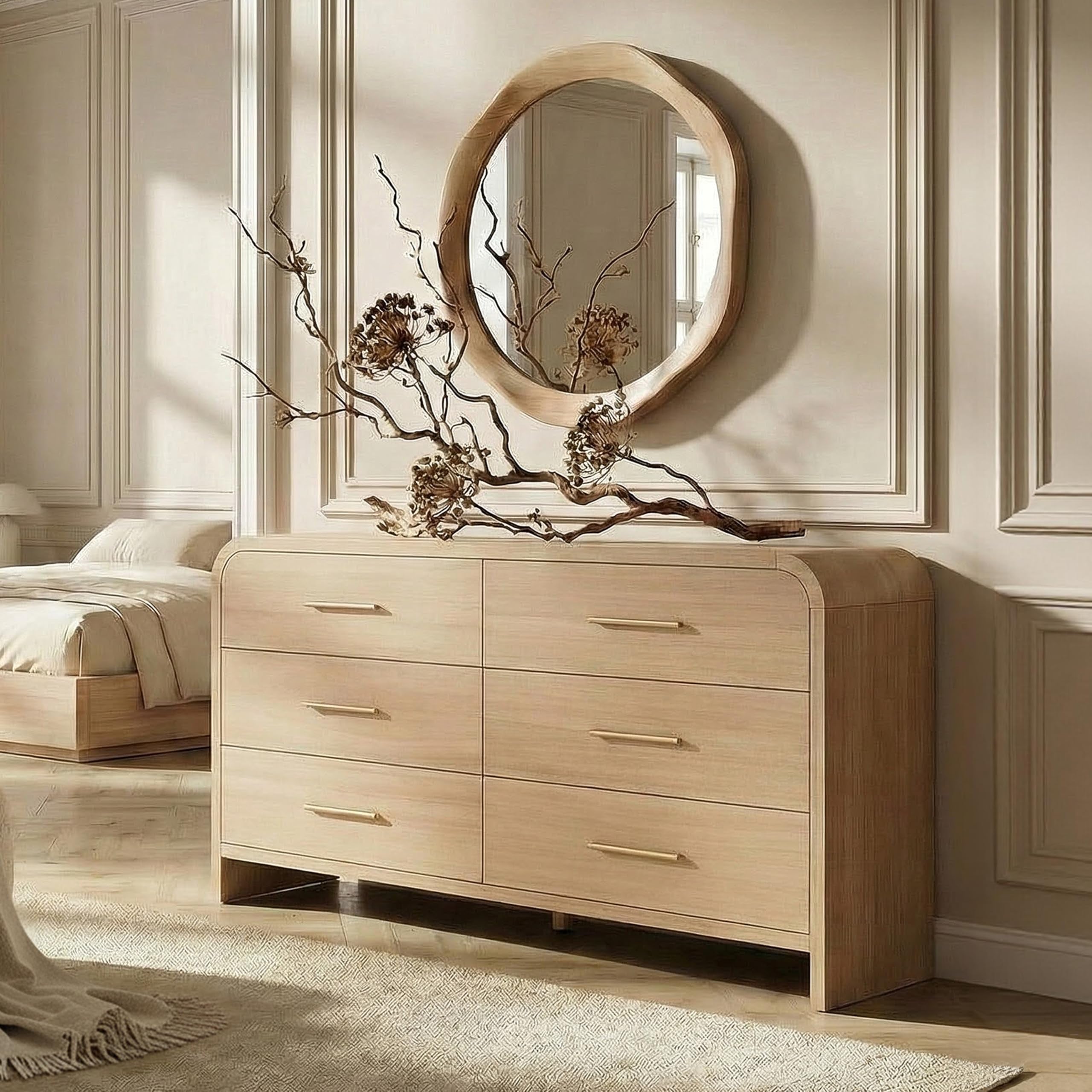
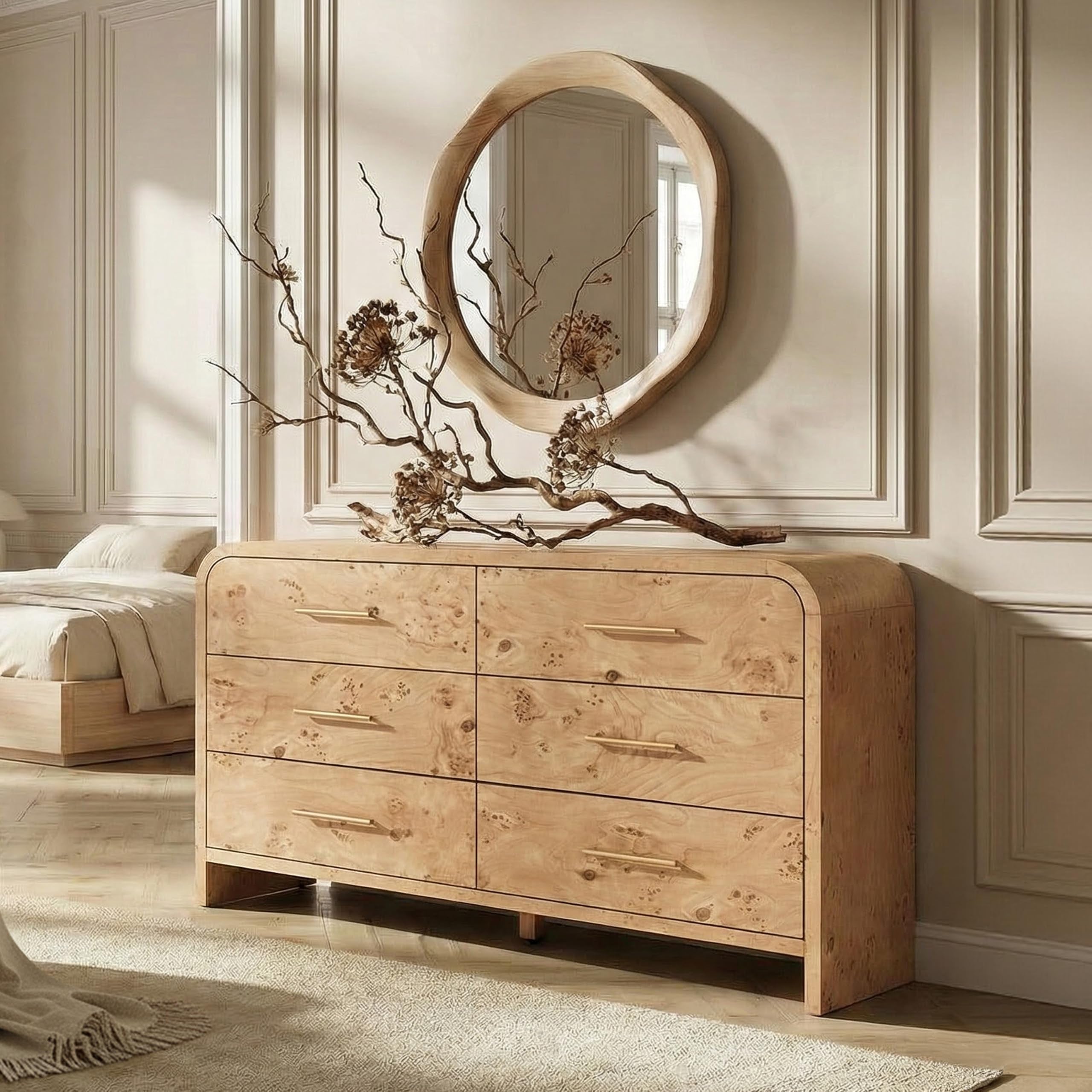
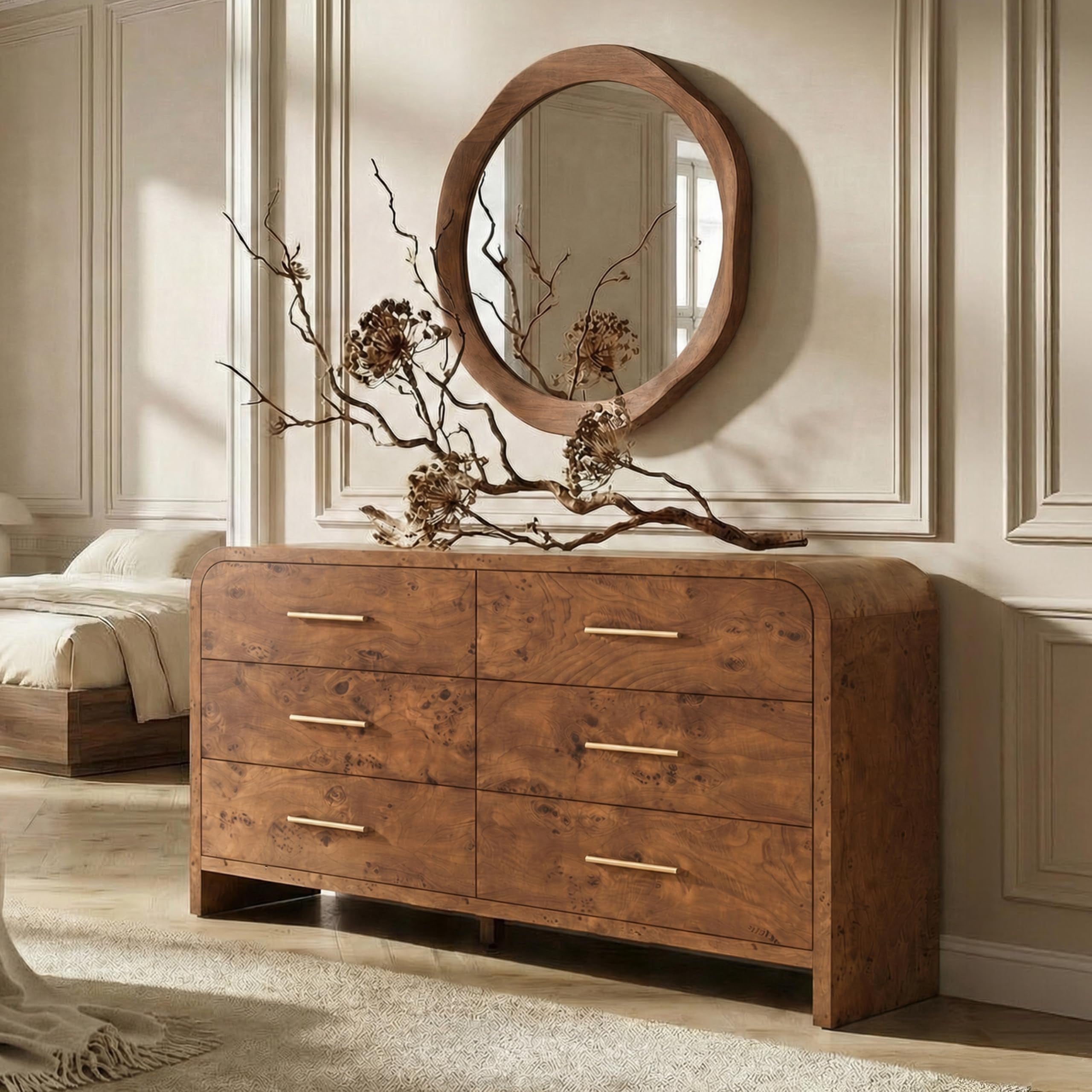
A sideboard, cabinet, dresser, or nightstand can quietly absorb everyday clutter when it's positioned close to where that clutter naturally appears.
Good storage doesn't ask you to completely change your habits.
It makes those habits easier to manage.
Make the Furniture Work Together
A room can contain beautiful individual pieces and still feel awkward.
The relationship between the furniture matters.
In a living room, for example, seating should feel connected rather than scattered. A coffee table should be accessible without blocking movement. Storage should be close enough to be useful without making the seating area feel crowded.
Think about the room as a whole rather than choosing each piece separately.
Ask yourself:
Can I comfortably sit, walk, reach, open, and put things away?
If the answer is yes, the room is probably doing its job.
Keep Everyday Items Within Easy Reach
Convenience often comes down to distance.
The things you use constantly shouldn't require unnecessary effort to access.
A nightstand can keep bedtime essentials beside the bed. A dresser can keep frequently worn clothing organized. A living room cabinet can hold remotes, books, games, or electronics close to where they're used.
This doesn't mean everything needs to be visible.
In fact, keeping everyday items behind drawers and doors can make the room feel calmer while keeping them just as accessible.
Leave Some Space for Life to Happen
It's tempting to fill an empty corner with another piece of furniture.
But empty space has a purpose too.
A clear area gives children room to move, allows people to walk comfortably, and makes a room easier to adapt when you have guests.
It also gives the furniture you already love enough room to be appreciated.
A home doesn't need to maximize every square foot.
Sometimes, having less in the room makes what is there work better.
Design for the Life You Actually Have
A home should reflect real routines rather than an imaginary version of them.
If you regularly work from the sofa, read before bed, host friends on weekends, or keep certain belongings close by, your furniture arrangement should support those activities.
Don't organize a room only for how you think it should be used.
Organize it for how you actually use it.
That's often where the biggest improvements come from.
When a Home Starts Working With You
An easy-to-live-in home isn't necessarily minimalist, perfectly organized, or professionally designed.
It simply removes small obstacles from everyday life.
You know where things belong.
You can move around without constantly adjusting your path.
The furniture provides the storage, seating, and surfaces you actually need.
And the room still leaves enough space for the unexpected moments that make a home feel lived in.
At Cozyshome, we believe furniture should support the rhythm of everyday life. When thoughtful pieces, practical storage, and comfortable spaces come together, a home doesn't just look good—it starts to feel naturally easy to live in.
👉 Explore the collection and enjoy a great deal: Curved TVstand + 3 Drawer Set

