
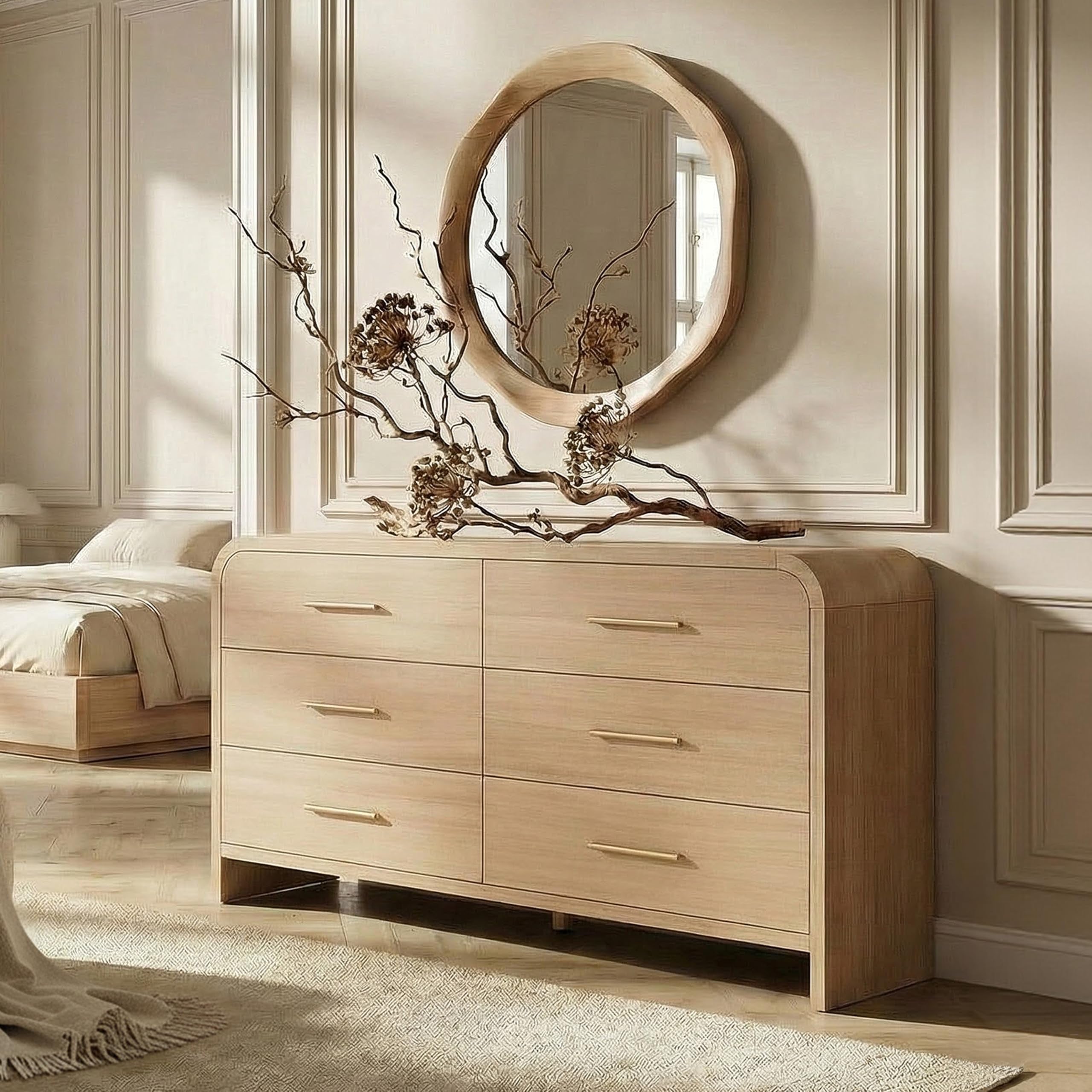
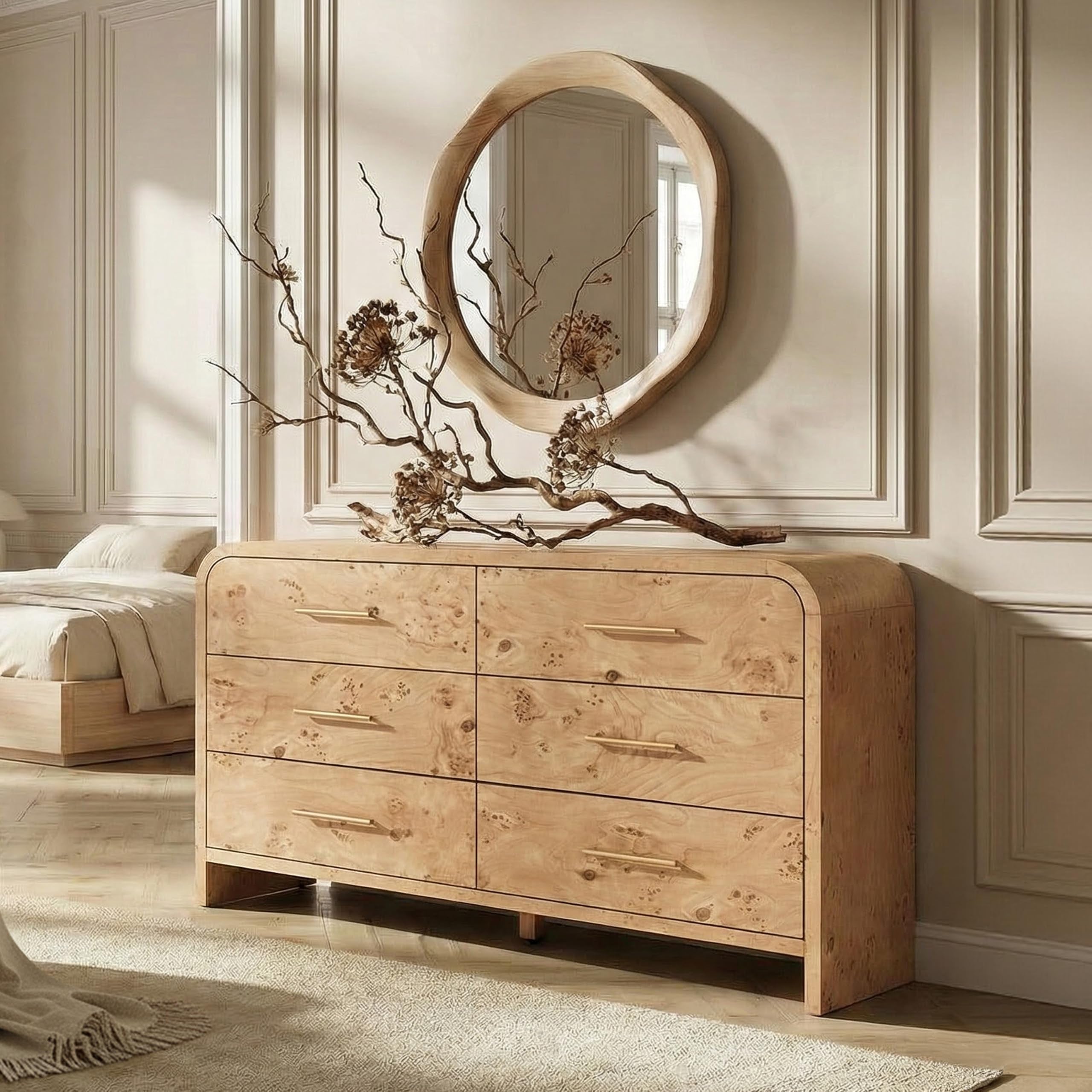
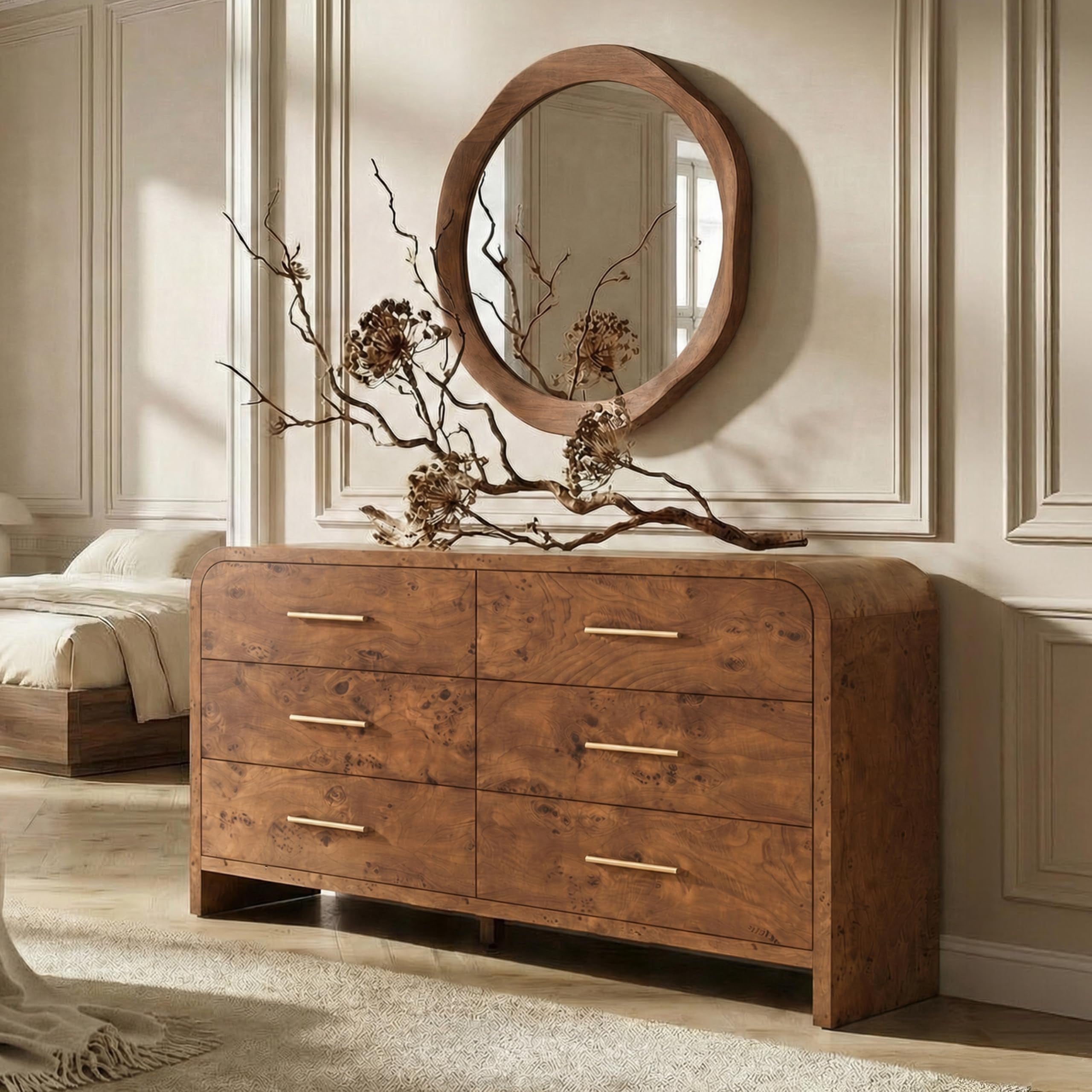


When decorating a home, an empty corner can feel like a problem waiting to be solved.
Maybe there's a space beside the sofa, an unused wall in the bedroom, or a quiet corner of the living room that doesn't seem to have a purpose yet. The natural reaction is often to find something to put there.
But not every empty space needs furniture.
Sometimes, leaving a corner open is exactly what makes a room feel more comfortable, balanced, and intentional.
Empty Space Is Part of the Design
Furniture naturally attracts attention.
A cabinet fills a wall. A chair creates a destination. A sideboard adds both storage and visual weight.
When every available area is filled, however, the room can begin to feel crowded even when there isn't technically too much furniture.
Empty space gives the eye somewhere to rest.
It creates small pauses between larger pieces and allows the furniture you already love to stand out.
Give Your Furniture Some Breathing Room
A sofa doesn't always need a table beside both arms.
A cabinet doesn't have to sit directly against another piece of furniture.
And an open wall doesn't automatically need artwork, shelving, or storage.
Leaving a little space around furniture can make the entire arrangement feel more deliberate.
Instead of asking, “What can I put here?” try asking, “Does this space actually need anything?”
Sometimes the answer is no.
Think About How You Move Through the Room
Good furniture placement isn't only about how a room looks.
It's also about how you live in it.
Think about the paths you naturally take throughout the day:
- Walking from the sofa to the kitchen
- Moving around the coffee table
- Opening cabinet or dresser drawers
- Getting in and out of a chair
- Carrying laundry, groceries, or everyday items through the room
An empty corner can sometimes make these movements easier.
That extra space may not look like a design feature, but you'll notice it every day.
Not Every Wall Needs to Be Filled
Large rooms can create a different kind of temptation.
An open wall may look unusually bare at first, especially after moving into a new home. But filling every wall simply because there is room can make the overall design feel disconnected.
Instead, consider the furniture that already anchors the room.
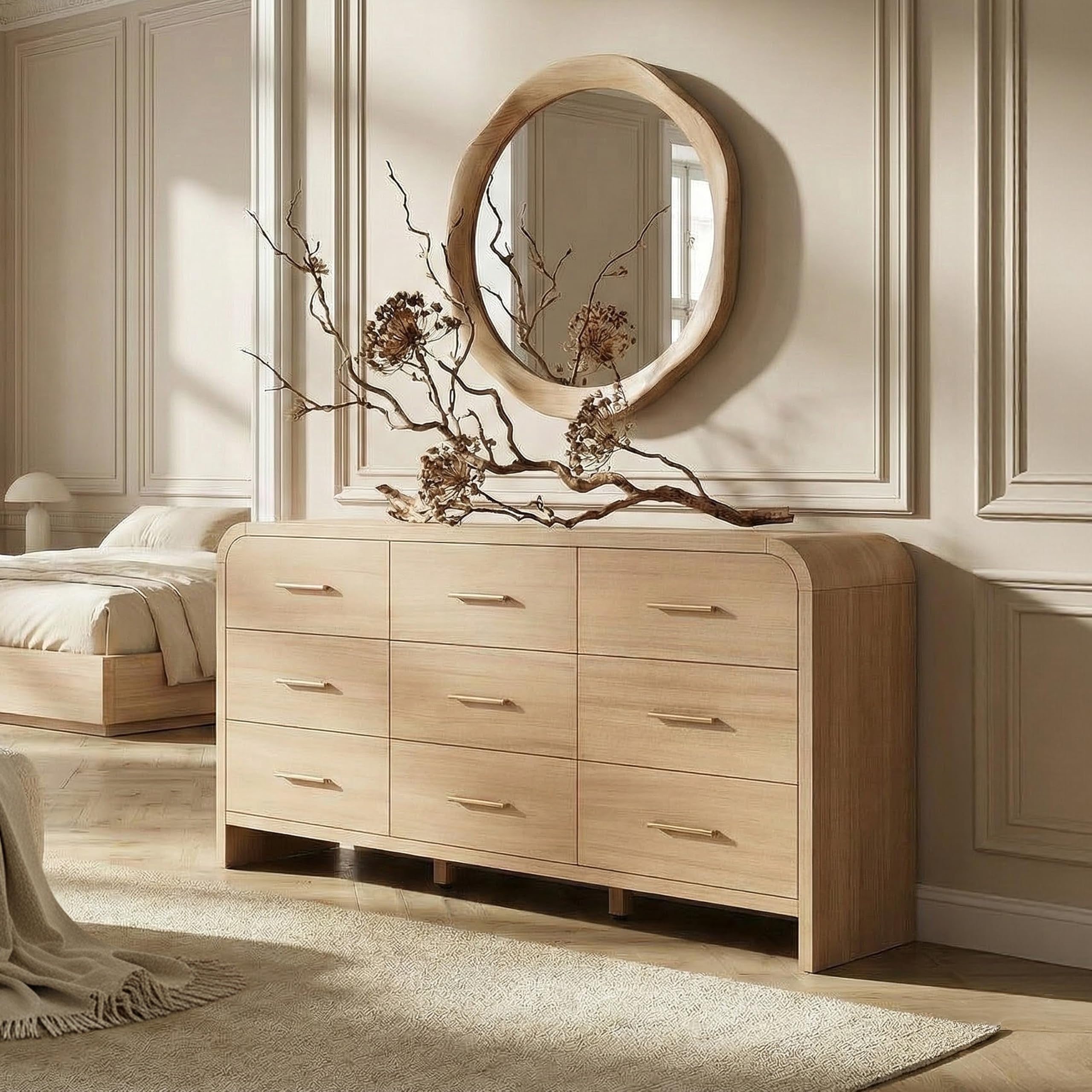
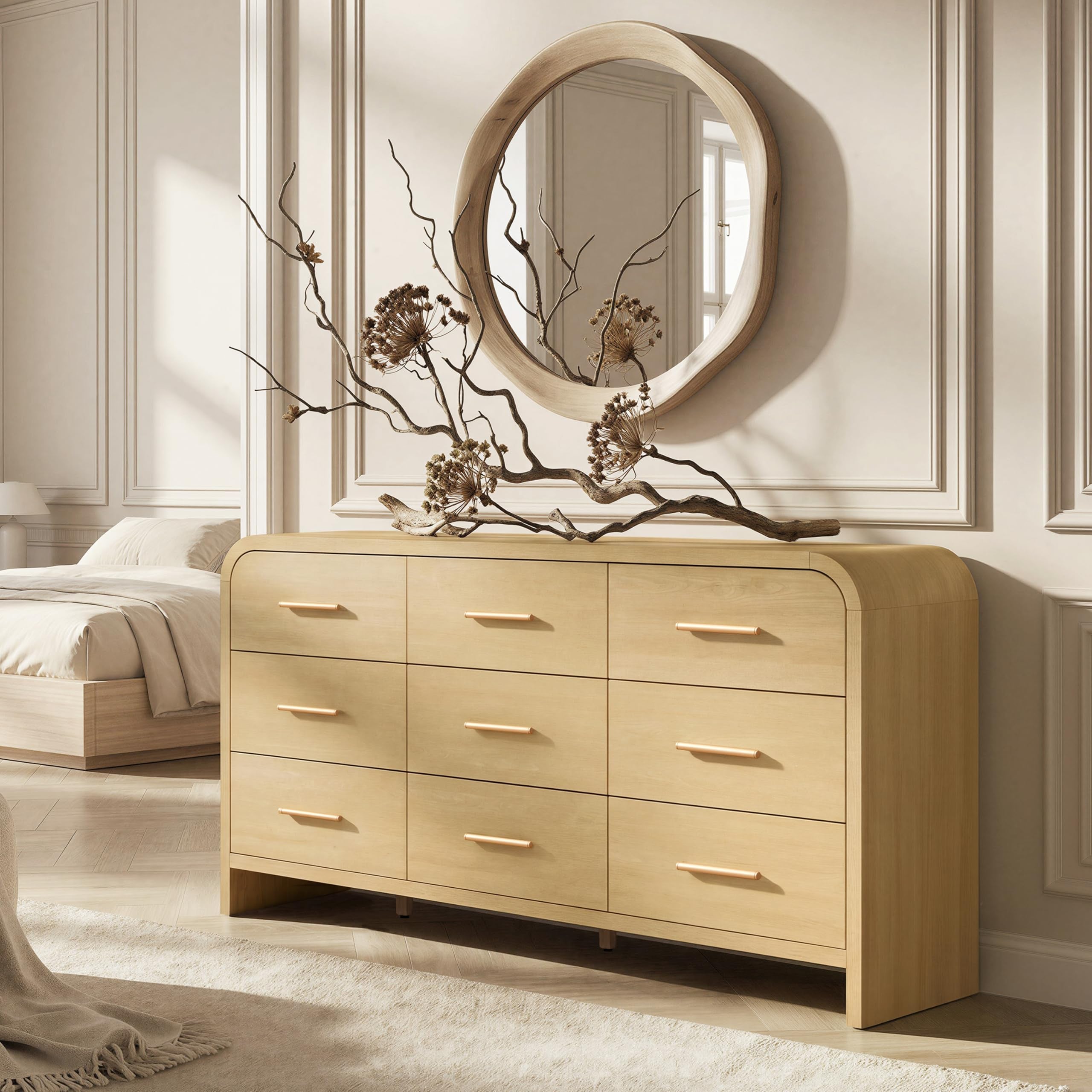
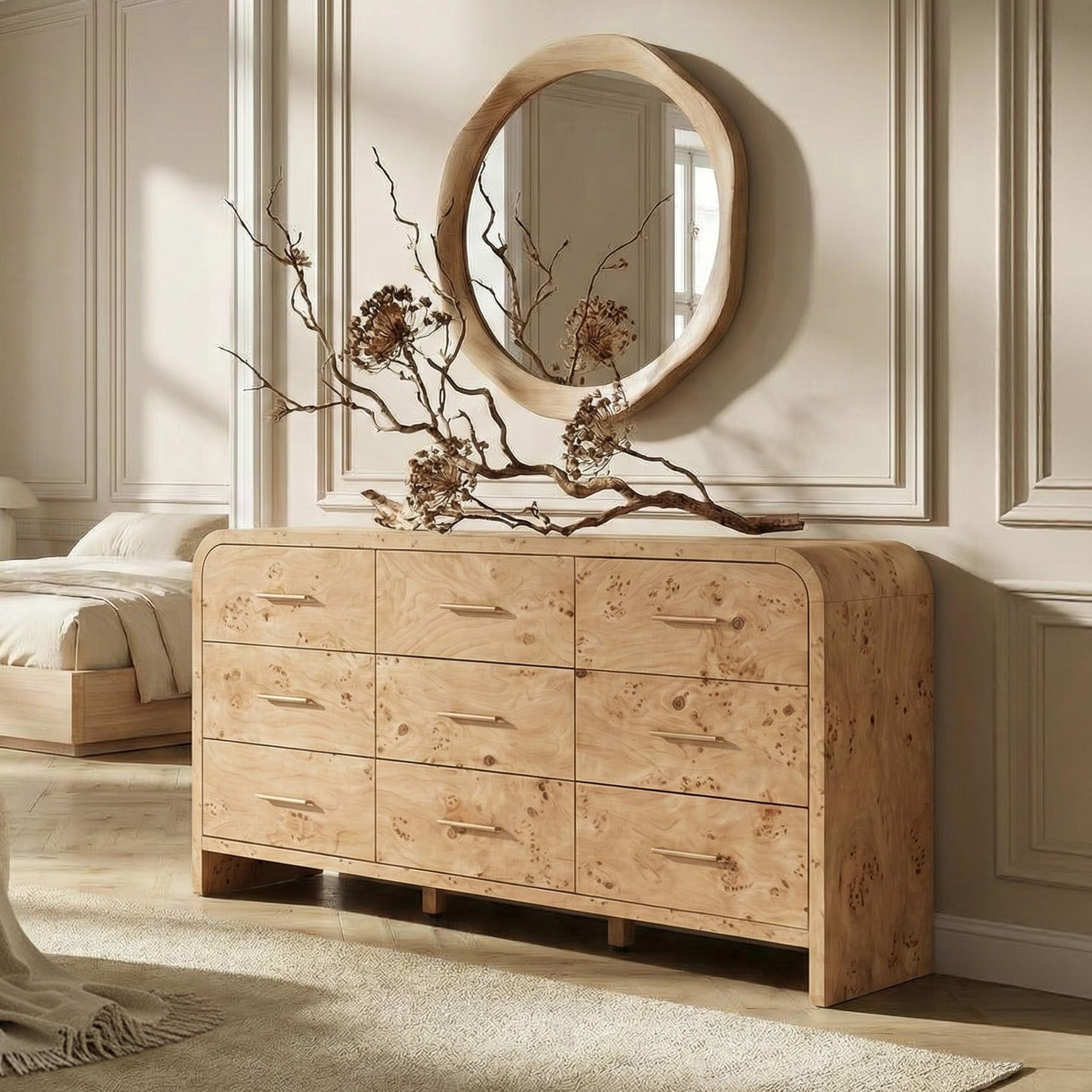
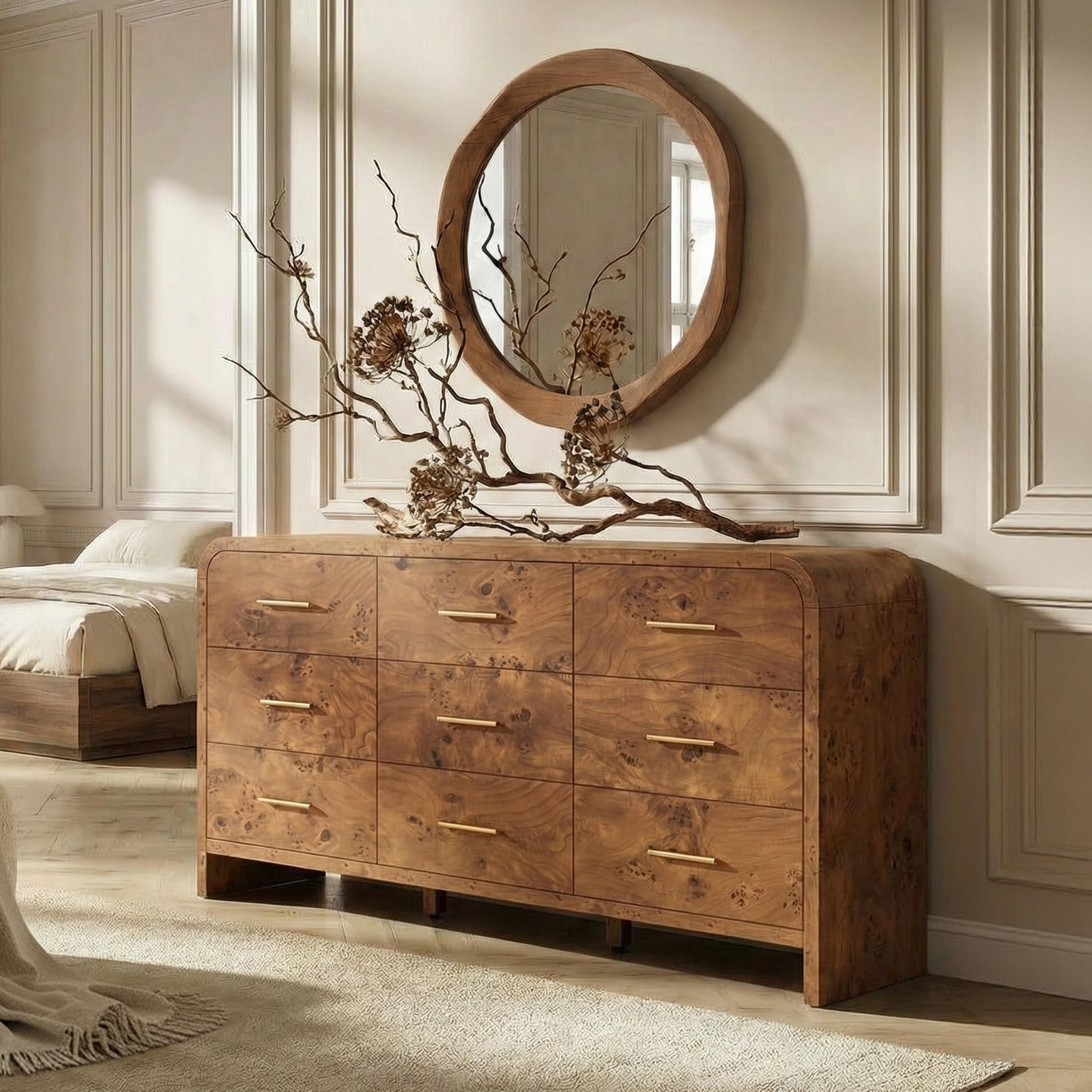
A well-placed TV stand can define an entertainment area. A sideboard can establish a dining or storage zone. A dresser can give a bedroom a clear focal point.
Once those key pieces are in place, the remaining space doesn't necessarily need to be filled.
Let One Piece Stand Out
Sometimes the best way to appreciate a beautiful piece of furniture is to give it some space.
A textured cabinet surrounded by too many decorative objects may lose some of its impact.
The same cabinet with a little breathing room can become a natural focal point.
This is especially useful with furniture that has interesting materials or details—such as woven doors, visible wood grain, curved shapes, or distinctive hardware.
The less visual competition around the piece, the more noticeable those details become.
Choose Furniture for a Reason
This doesn't mean you should avoid filling your home with furniture you love.
It simply means every piece should have a reason for being there.
Before adding another cabinet, table, or storage unit, consider:
- Do I actually need the storage?
- Will this make the room easier to use?
- Does it complement the furniture already here?
- Will there still be enough space to move comfortably?
- Am I filling the corner because I need the piece—or because the empty space feels strange?
These questions can prevent unnecessary purchases and help create a home that feels more intentional.
Let Light and Space Work Together
Empty areas can also make a room feel brighter.
When furniture isn't blocking windows, doorways, or open areas, natural light has more room to move through the space.
Even a small amount of additional visual openness can change how a room feels during the day.
Instead of adding another object, sometimes the better choice is simply to let the light in.
A Home Doesn't Have to Be Completely Filled
A comfortable home isn't measured by how much furniture it contains.
Some of the most inviting rooms have a combination of useful furniture and intentional empty space.
There is room to sit.
Room to walk.
Room for light.
And room for the eye to pause.
At Cozyshome, we believe furniture should support the way a home is lived in—not simply occupy every available corner. Sometimes, the most thoughtful design decision is knowing when not to add another piece.
👉 Explore the collection and enjoy a great deal: Curved 2-Door Cabinet
