
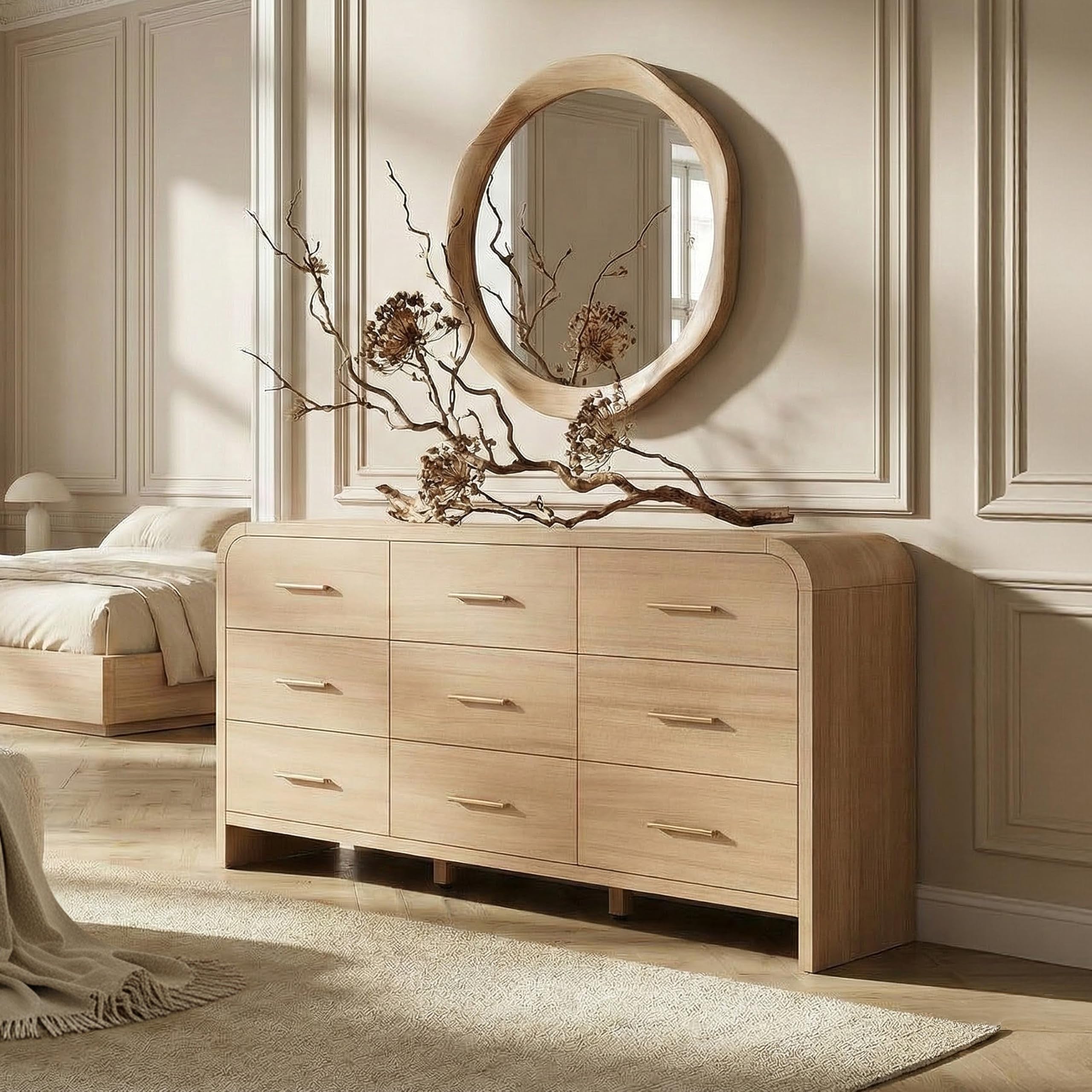
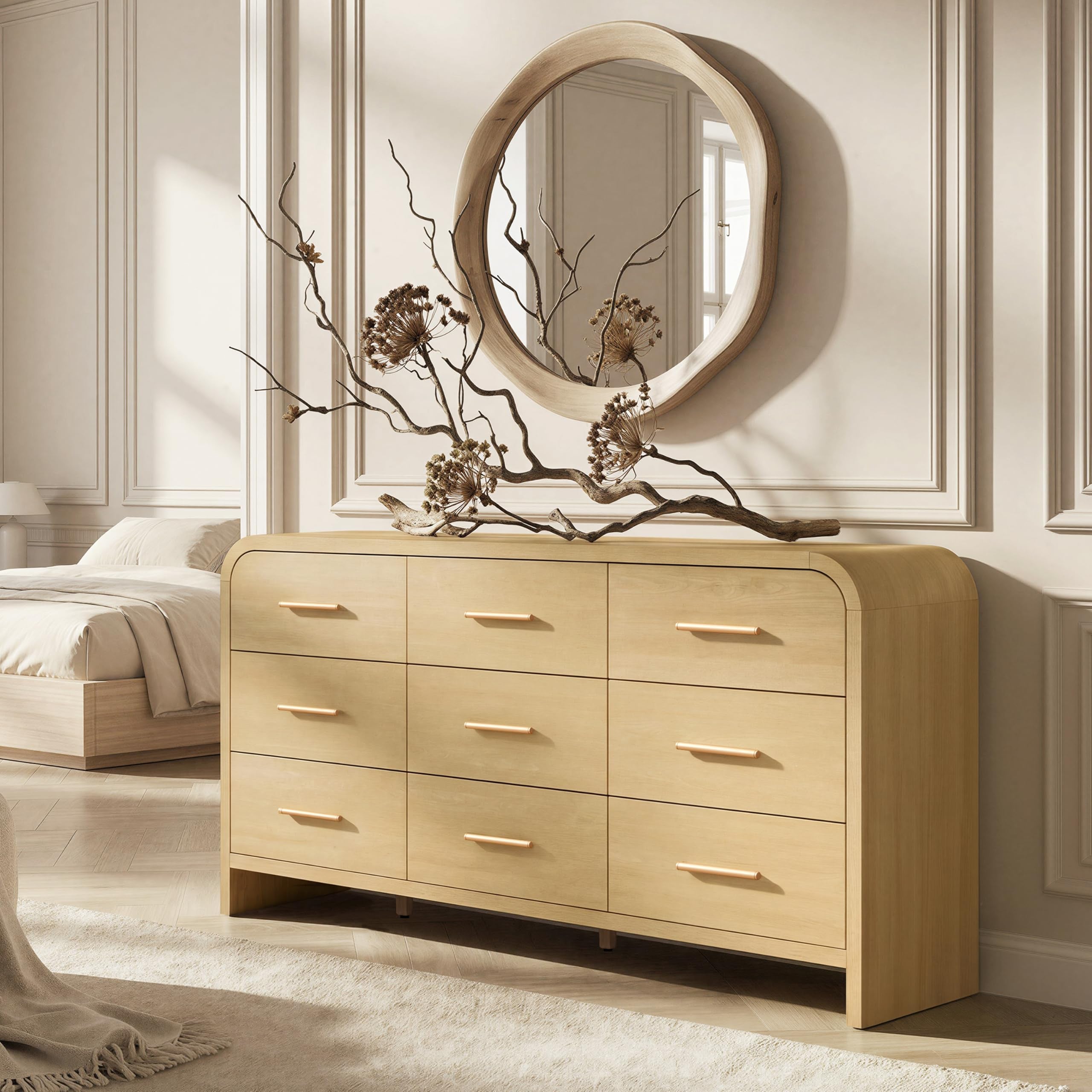
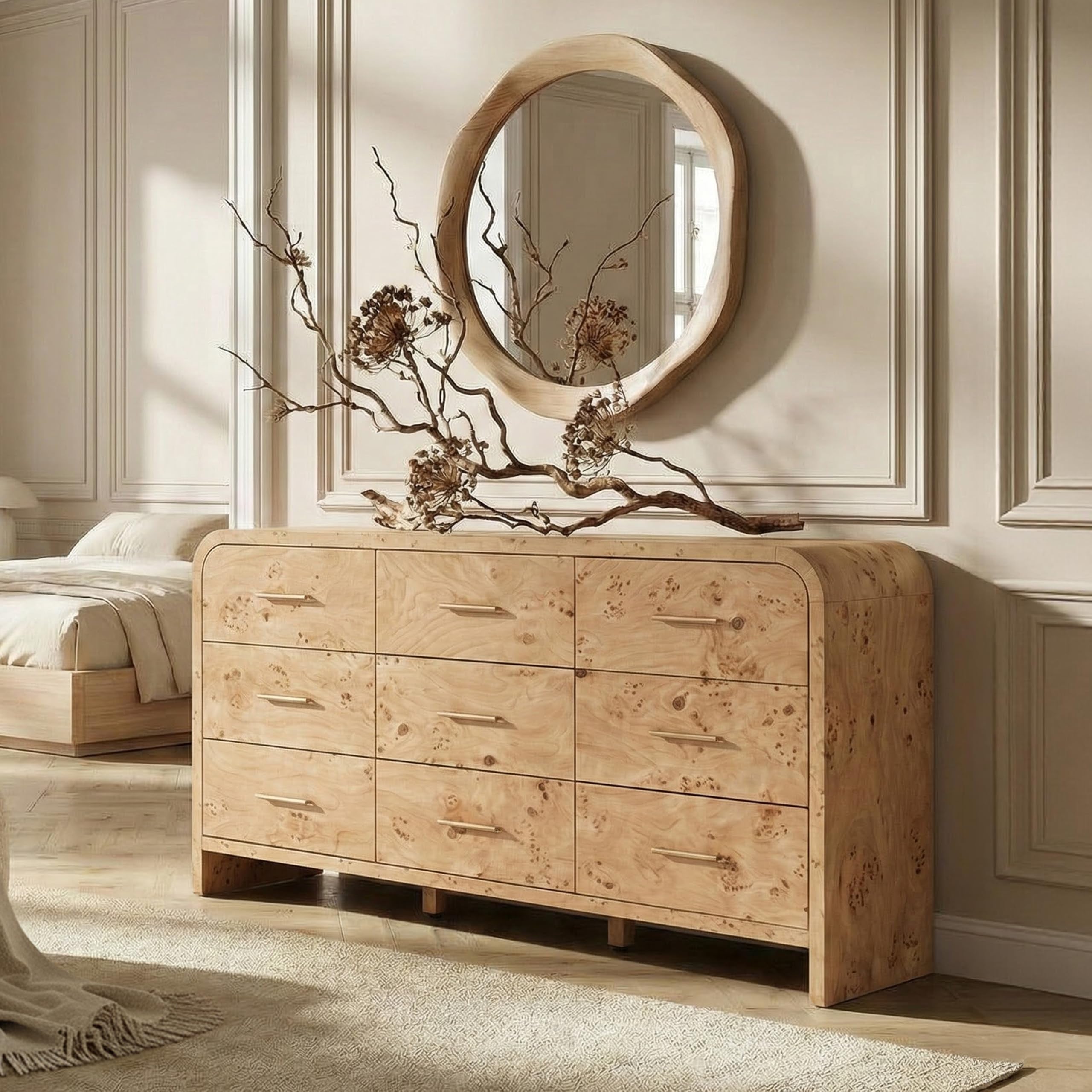
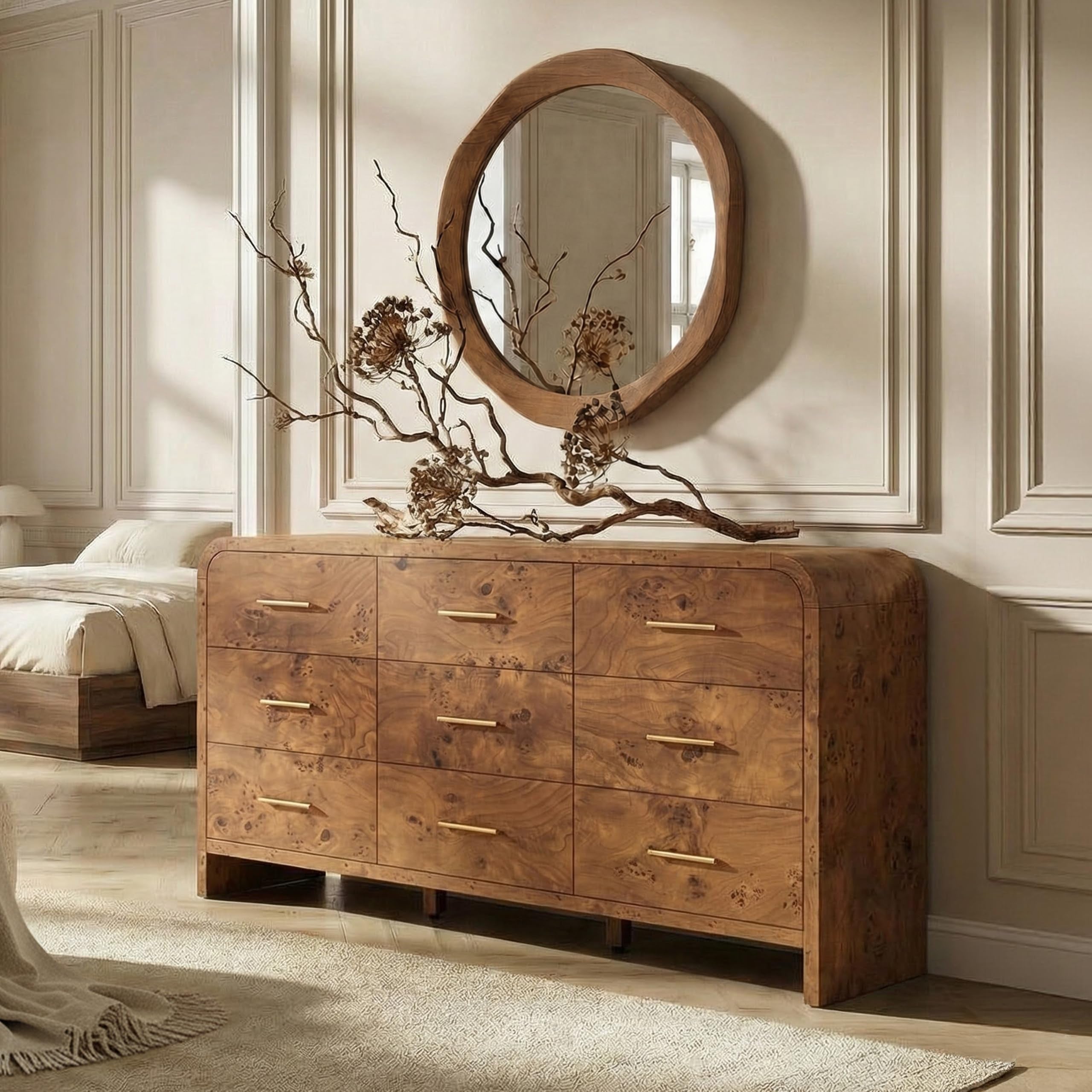
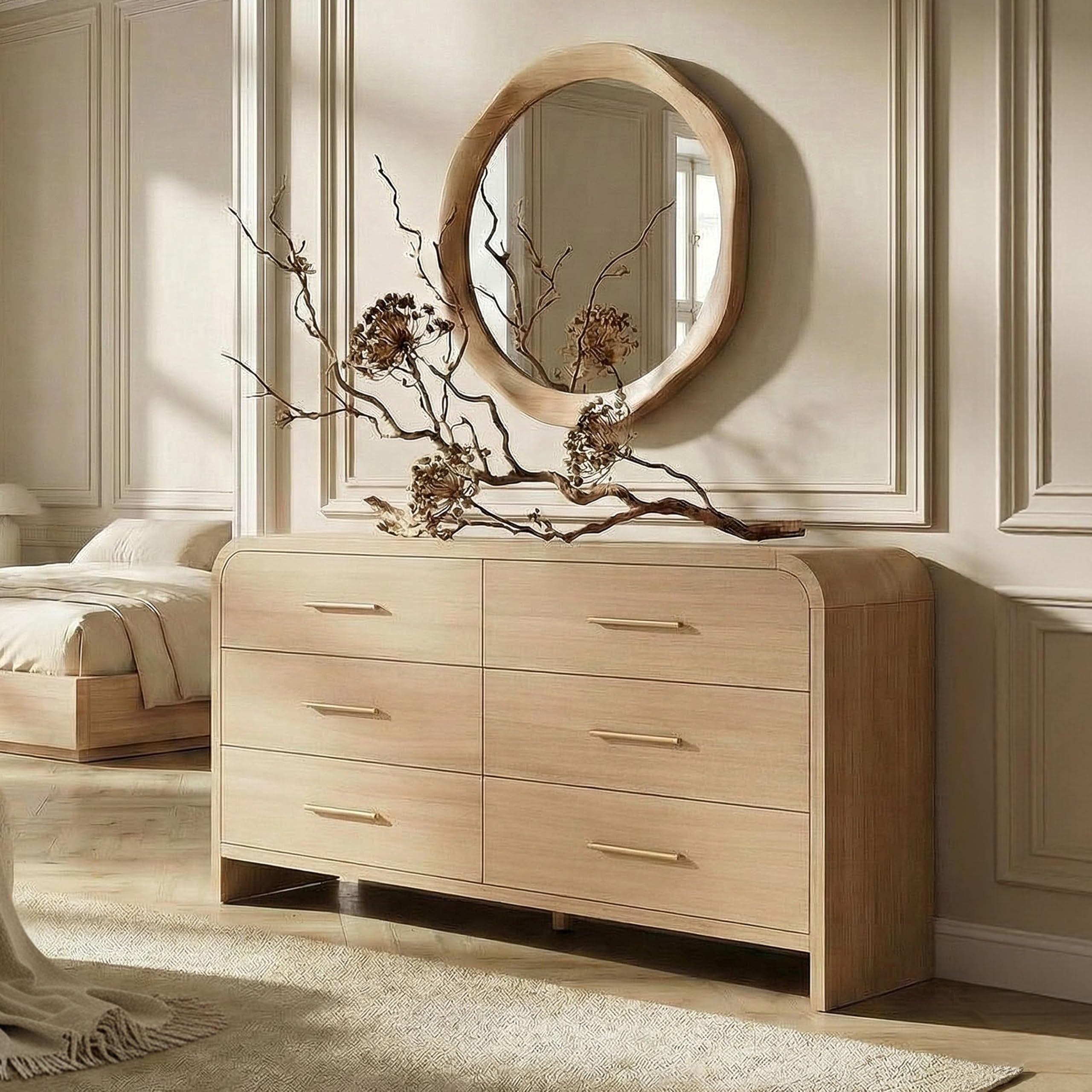
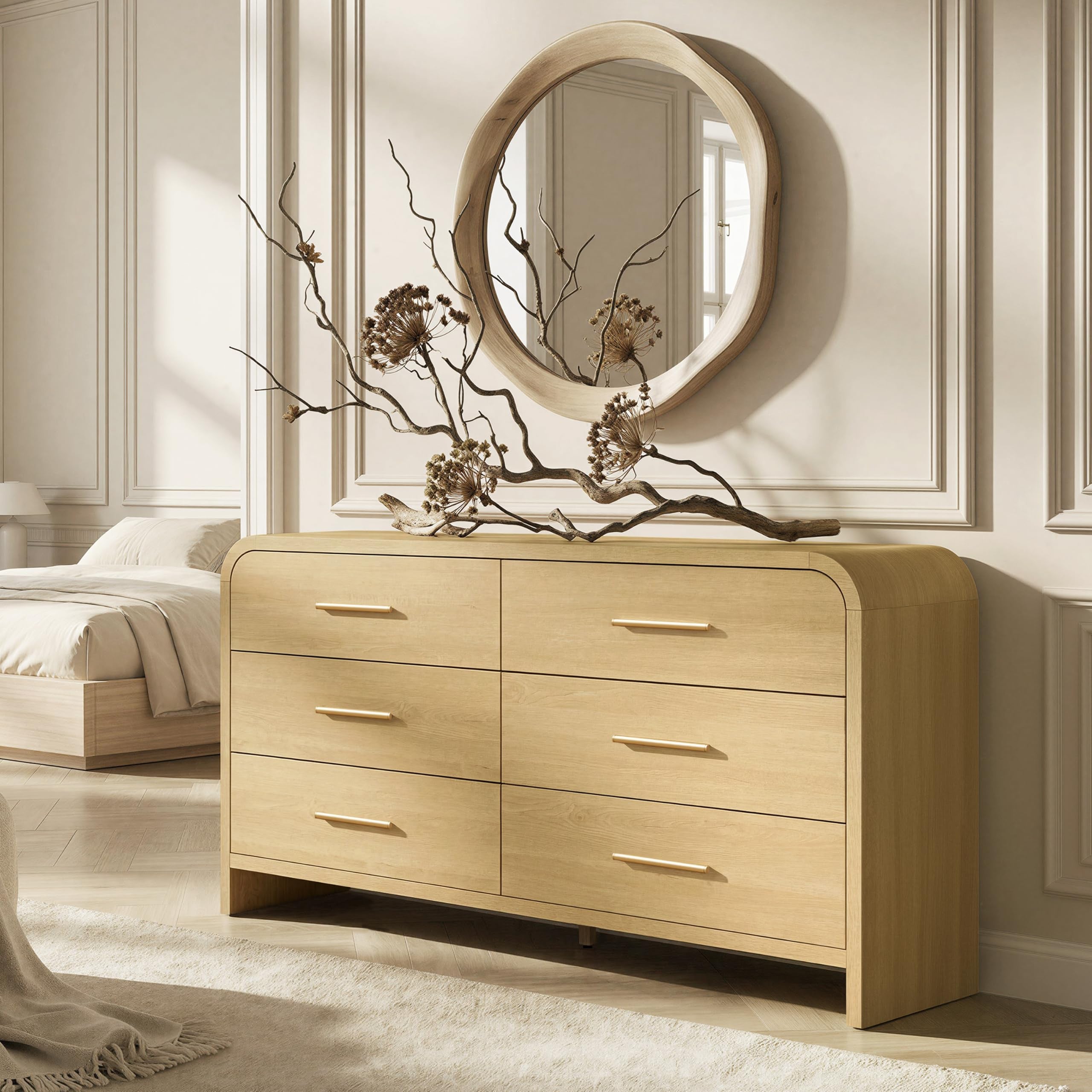
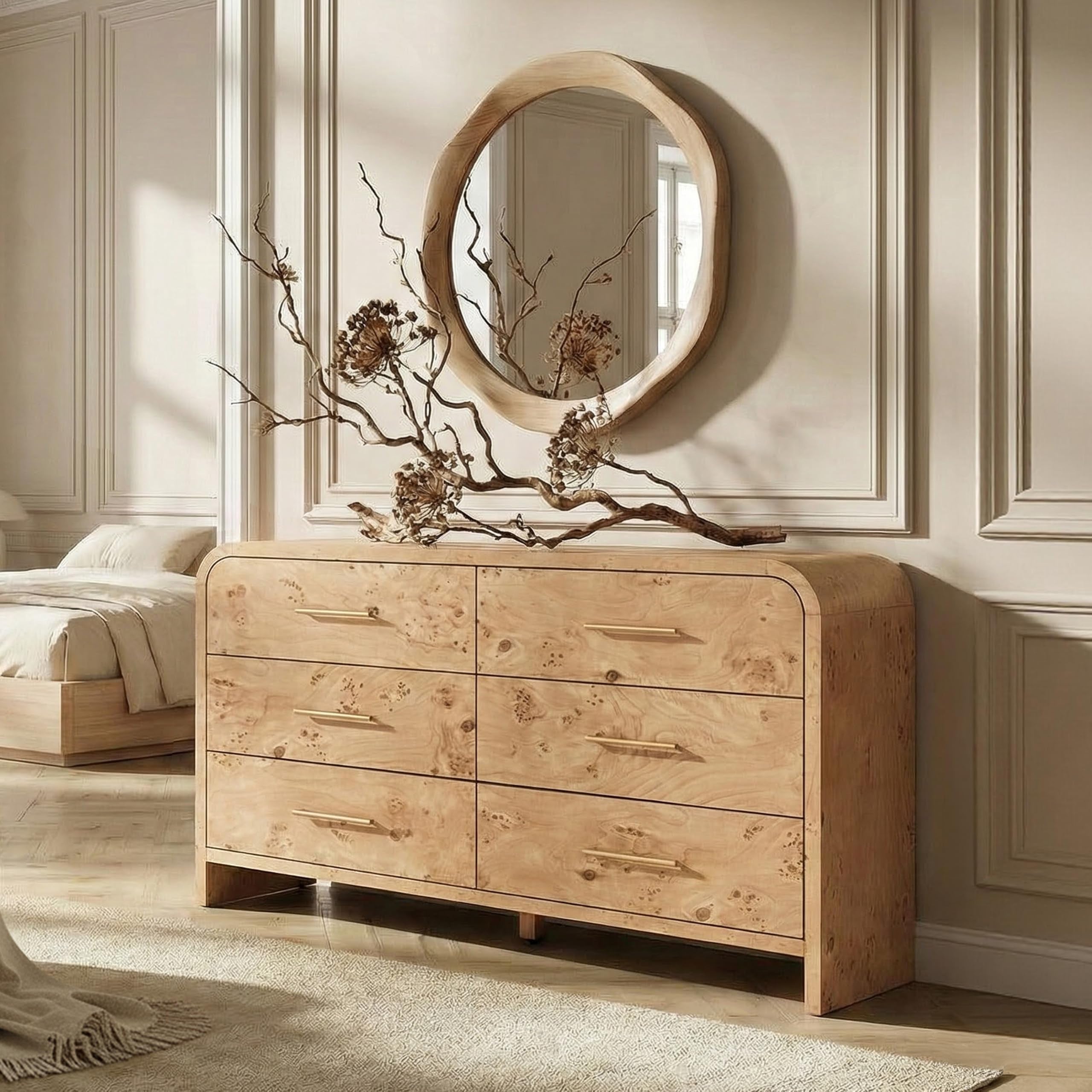
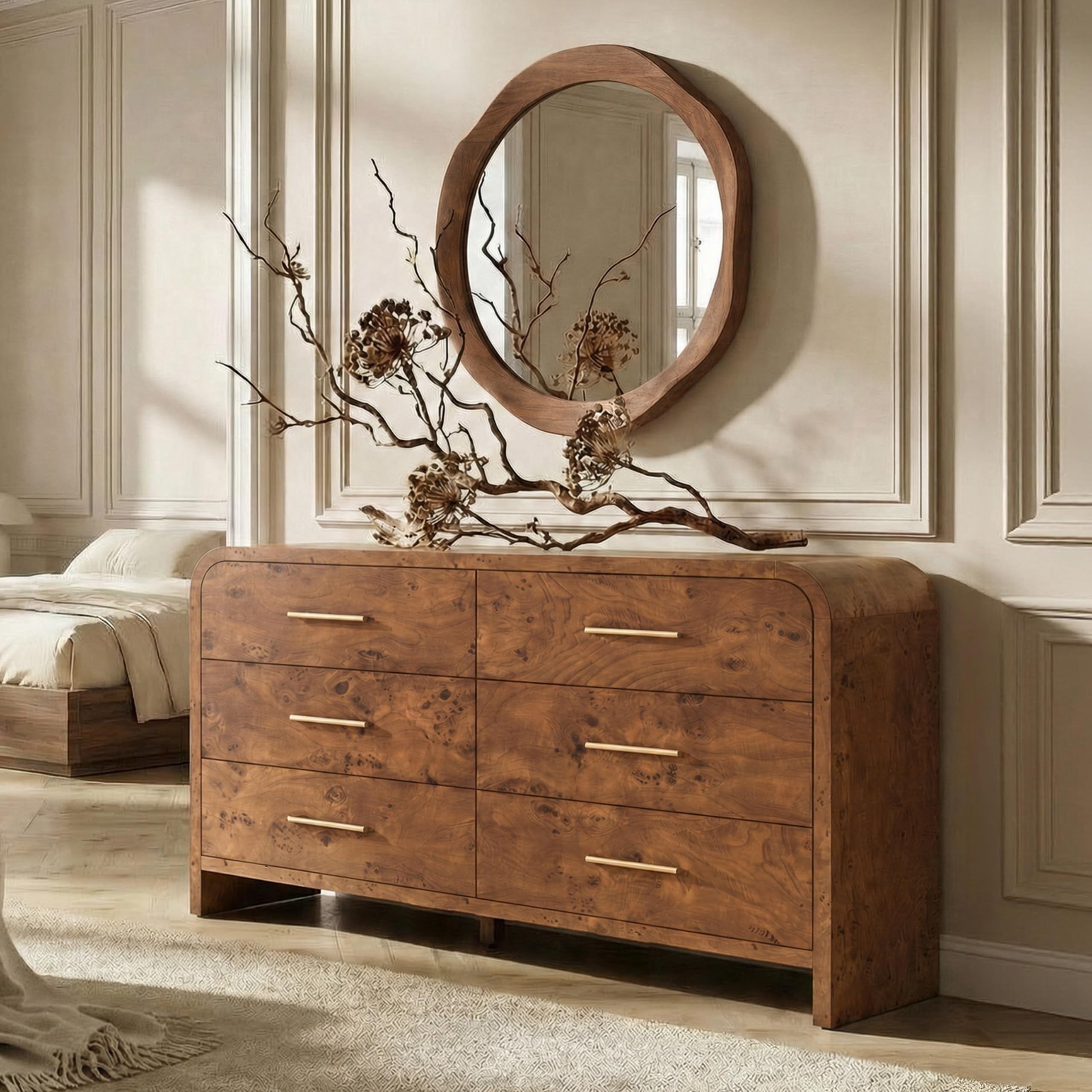


A dresser can do more than keep clothing organized. Its top surface offers a small opportunity to bring personality into the bedroom, whether through a favorite photograph, a ceramic vase, or the everyday objects you like to keep within reach.
The challenge is knowing when to stop. Too many accessories can make the surface feel crowded, while leaving everything completely bare may miss an opportunity to make the room feel more personal.
A well-styled dresser finds a comfortable balance between decoration and everyday use.
Start With What You Actually Use
Before adding decorative objects, consider what belongs on your dresser in the first place.
Perhaps you reach for a fragrance each morning, keep a jewelry dish nearby, or prefer having a small tray for everyday essentials. These practical items can become part of the arrangement rather than things you need to hide away.
Begin with the objects that genuinely belong in your routine. Once they have a place, you'll have a clearer idea of how much room remains for decoration.
This approach also helps prevent a familiar problem: styling a surface beautifully, only to cover it with everyday belongings a few days later.
Give Each Object a Little Space
A dresser top doesn't need to be filled from edge to edge to feel complete.
Try grouping two or three objects together instead of distributing small accessories across the entire surface. A vase beside a framed photograph, for example, creates a simple focal point without making the arrangement feel overly deliberate.
Pay attention to the space between objects, too. A little distance allows individual shapes and materials to stand out, making even a modest collection feel more considered.
If an arrangement looks crowded, removing one item may improve it more than adding something new.
Play With Height and Proportion
Objects of similar height can make a display feel flat, while too many tall pieces competing for attention can create visual clutter.
A simple way to introduce variation is to combine different proportions: a taller vase, a low jewelry dish, and a medium-height frame. The contrast creates interest without requiring a large collection of accessories.
Keep the dresser itself in mind. A wide dresser may accommodate a more spread-out arrangement, while a narrow one often benefits from a smaller grouping that leaves room for practical use.
The aim is to make the objects feel connected to the furniture, rather than treating the dresser top as a separate display shelf.
Use the Mirror Without Overdoing It
If your dresser sits beneath a mirror, the mirror already contributes height and visual presence. The objects below it don't need to compete with that feature.
A small arrangement placed slightly to one side can keep the setup from feeling too symmetrical. Alternatively, a pair of related objects can create a more balanced look when the dresser and mirror are centered together.
Consider reflections, too. A mirror may visually repeat everything placed in front of it, making a crowded surface appear even busier.
Sometimes, keeping the dresser top simple allows the mirror, furniture finish, and surrounding room to work together more naturally.
Let Light and Materials Do Some of the Work
Styling doesn't always require more accessories. The materials already in the room can create interest on their own.
A wooden dresser may pair well with a ceramic vessel, a glass object, or a small fabric-covered box. Differences in texture help the arrangement feel layered without adding unnecessary color or decoration.
Lighting matters as well. Natural daylight can reveal the grain of wood and the subtle details of decorative objects. A nearby lamp may add warmth in the evening, especially when its light complements the rest of the bedroom.
Rather than introducing several new elements, try working with the finishes, textures, and light you already have.
Keep Everyday Clutter Within Reach but Out of Sight
Some dresser-top items are useful but don't necessarily need to remain visible.
Small accessories, personal care products, and miscellaneous belongings can quickly take over a surface when they don't have a designated place. Use the dresser's drawers to store items you need regularly but prefer to keep out of sight.
A tray can also help contain a few frequently used objects, making them easier to gather and put away. Just avoid turning the tray into a collection point for everything that doesn't have a home.
A little organization behind the scenes makes it easier to maintain a relaxed, uncluttered display.
Leave Room for the Bedroom to Feel Like a Bedroom
The most inviting dresser tops aren't always the ones with the most elaborate styling. Often, their appeal comes from a few meaningful objects, enough open space to use the surface comfortably, and a connection to the rest of the room.
You don't need to fill every empty corner or follow a fixed decorating formula. Start with what you use, add something you enjoy looking at, and leave the rest of the surface available for everyday life.
At Cozyshome, we believe good furniture should support both practical routines and personal expression. A dresser can provide useful storage while giving your bedroom a more individual character.
Style a little, keep what matters close, and leave a little breathing room. Sometimes, that's all a bedroom needs to feel more like your own.
👉 Explore the collection and enjoy a great deal: Woven 6-Drawer Dresser C

