
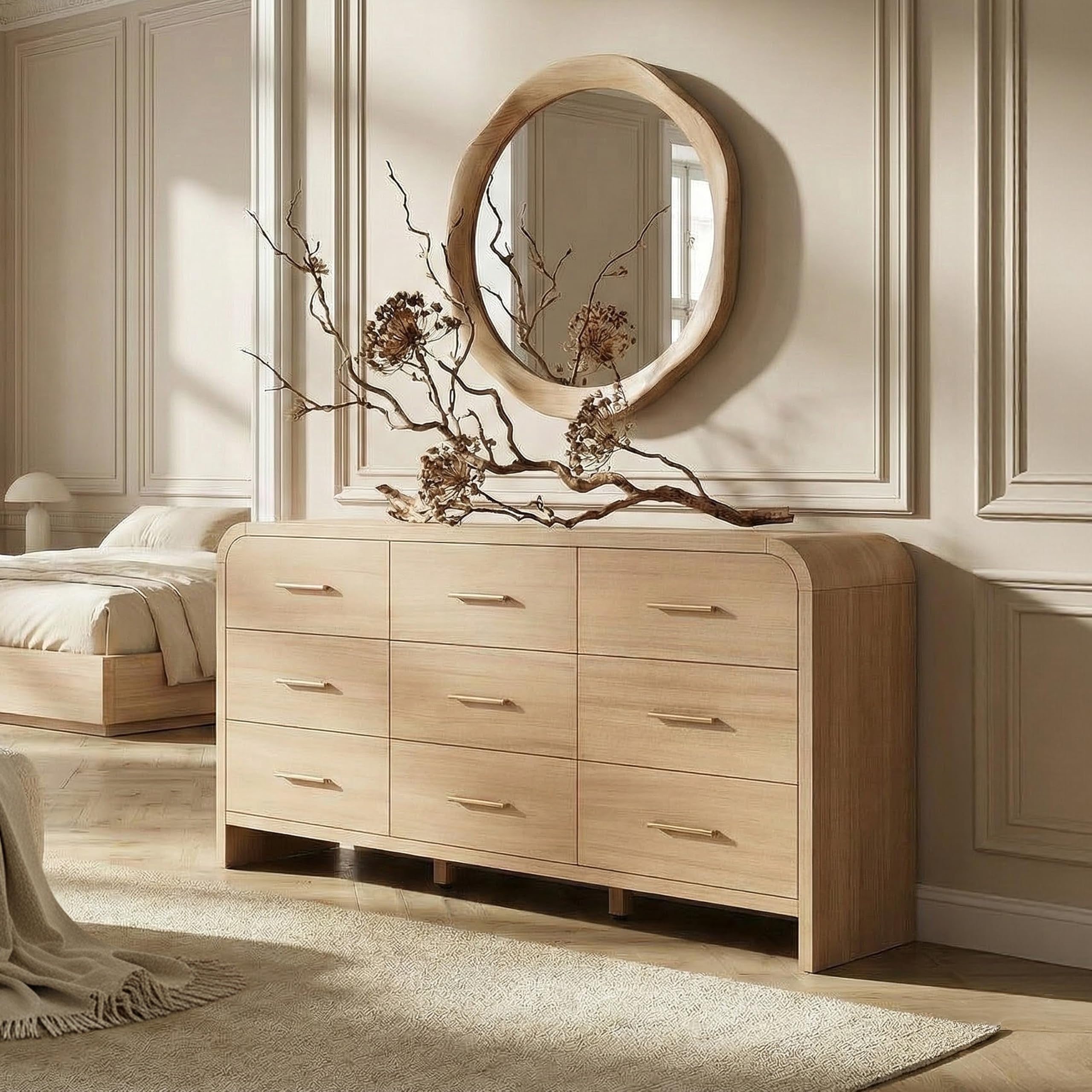
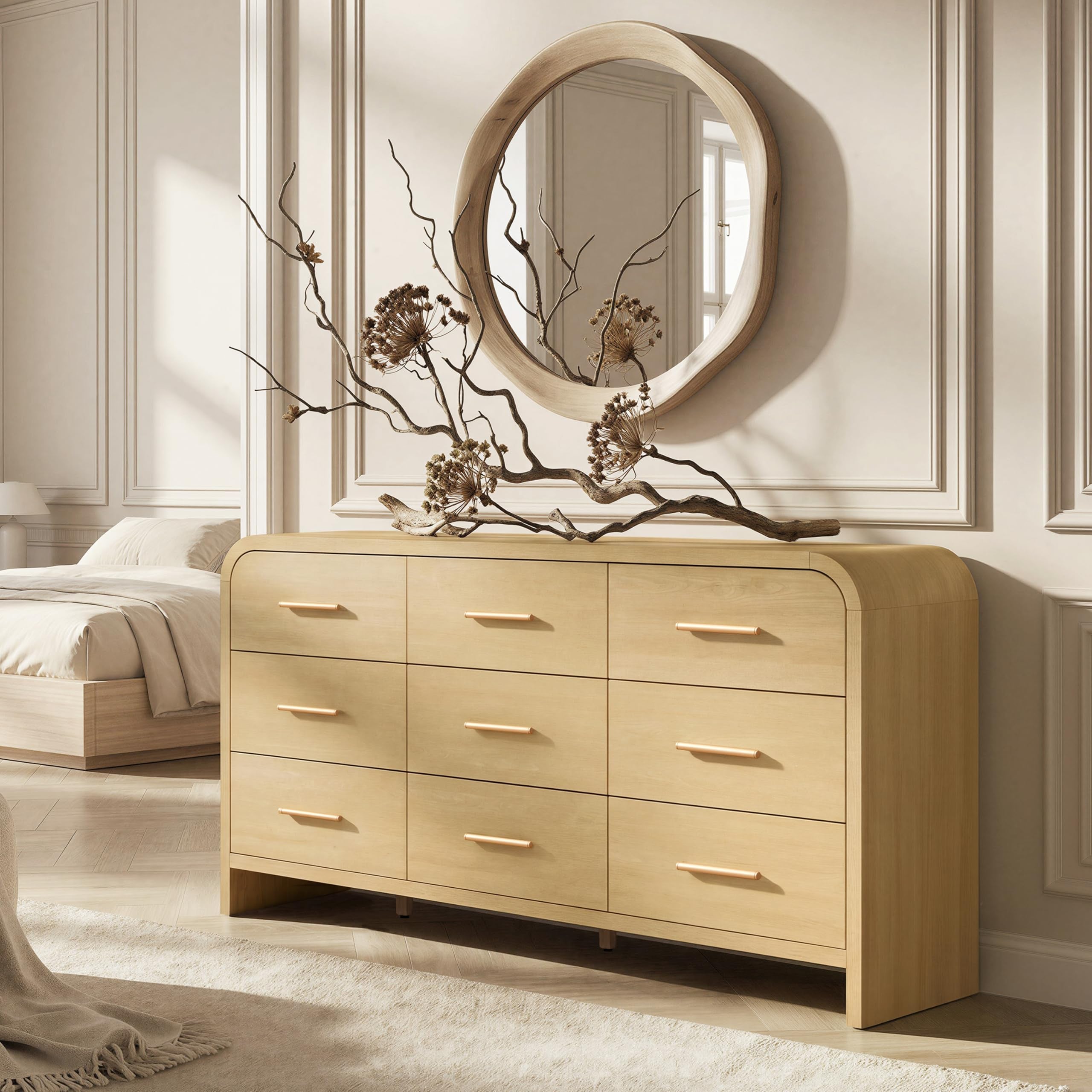
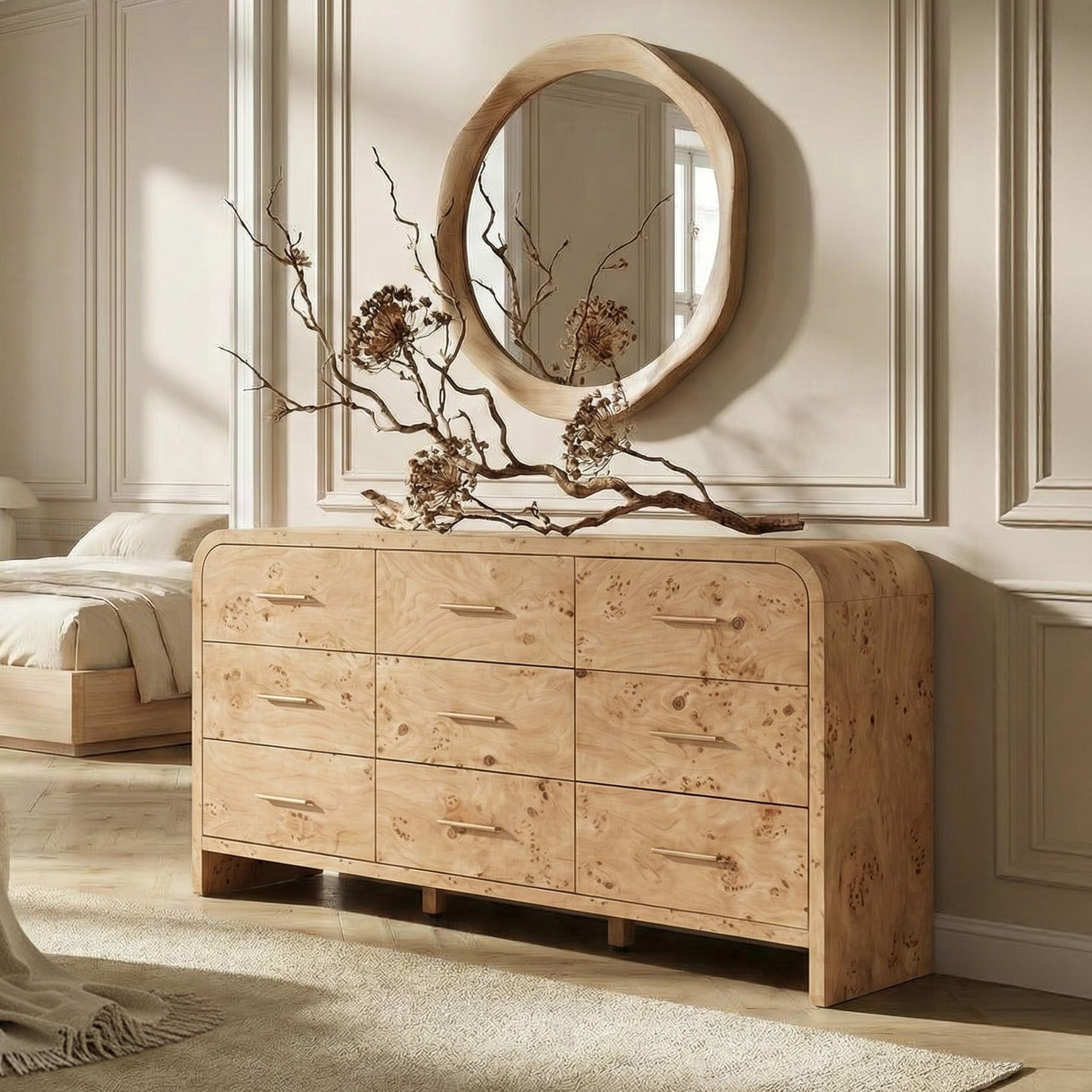
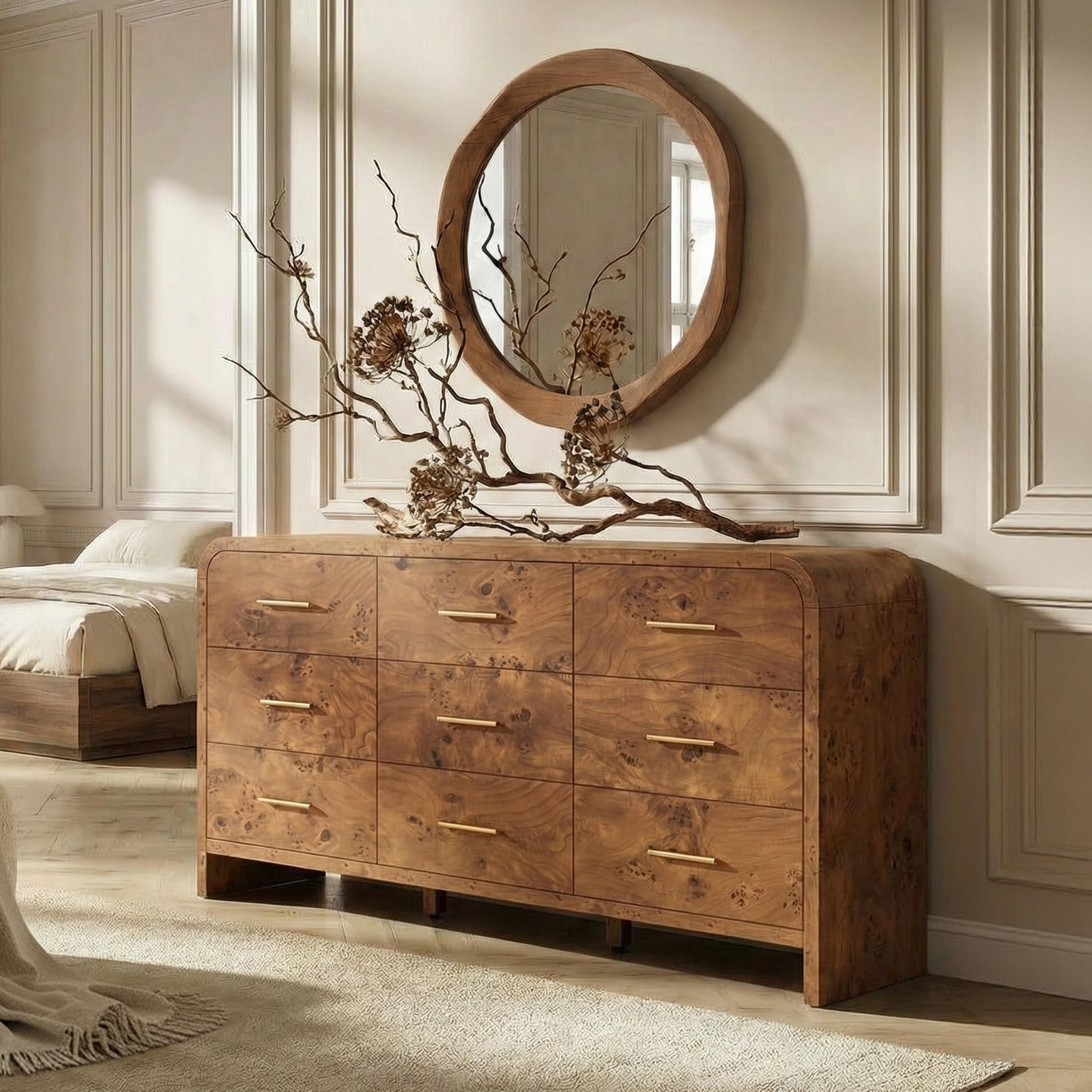
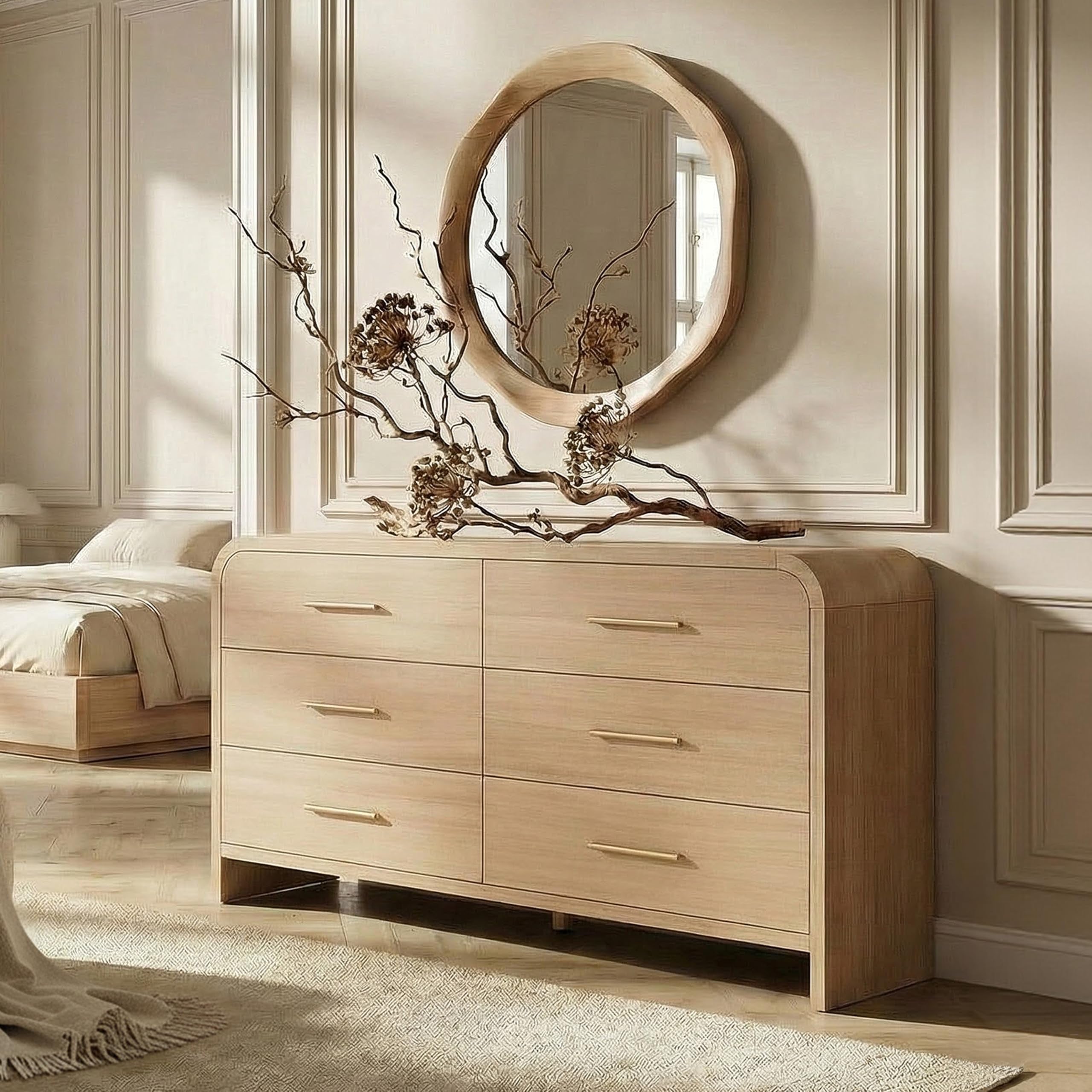
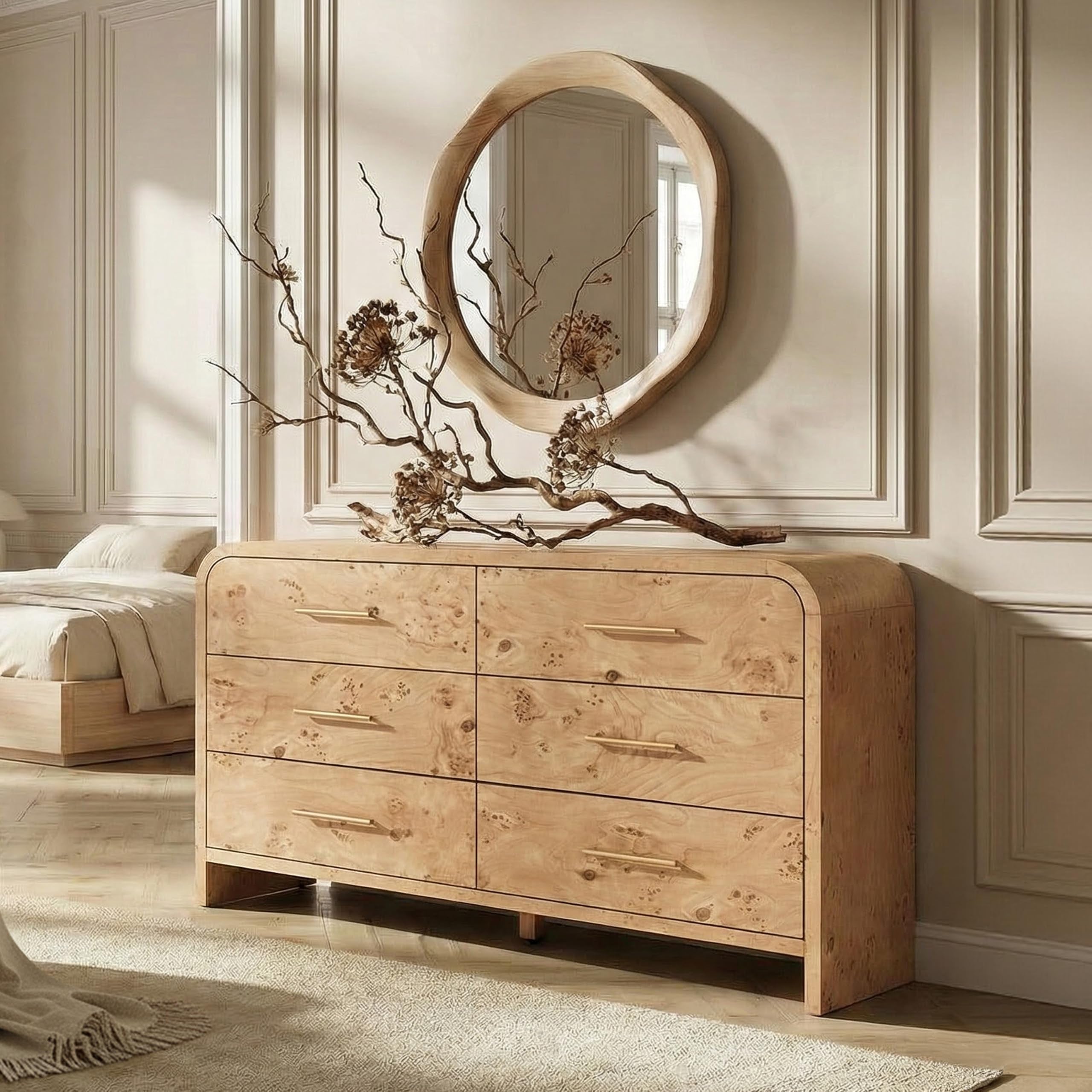
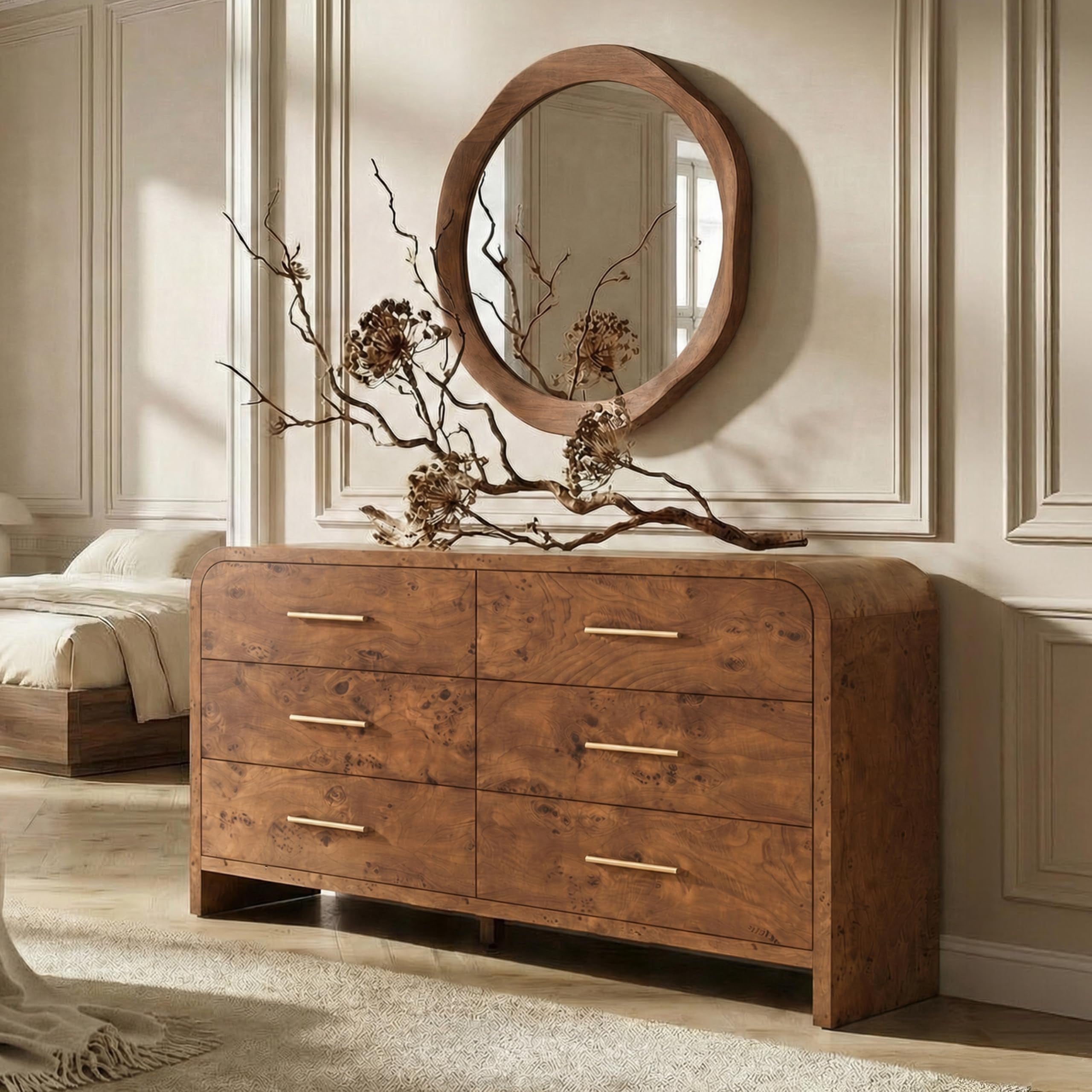


Walk into a furniture showroom and everything often seems to belong together.
The same finish. The same shape. The same design language.
It looks polished—but real homes rarely develop that way.
Over time, we collect things from different places and different stages of life. A modern cabinet might sit beside a vintage chair. A woven piece may share a room with dark wood furniture. Something inherited from family might become one of the most meaningful pieces in the house.
Your home doesn't need to follow one design style to look intentional.
Your Home Is Not a Showroom
A home is meant to reflect the people who live in it.
Maybe you love clean modern lines but also have a soft spot for traditional wood furniture. Perhaps you prefer neutral colors but enjoy adding one dramatic piece.
There is no reason everything needs to match perfectly.
Instead of asking:
“What design style is my home?”
Try asking:
“What do I like living with?”
That small change can make decorating feel much more personal.
Mixing Materials Adds Depth
One of the easiest ways to create a more interesting room is to combine different materials.
Think about pairing:
- 🪵 Wood with glass
- 🧺 Woven details with smooth finishes
- 🪞 Reflective surfaces with natural textures
- ✨ Soft fabrics with structured furniture
When every piece has exactly the same texture, a room can sometimes feel flat.
A little contrast gives the eye something to discover.
Different Shapes Can Work Together
Furniture doesn't have to share the same silhouette either.
A room can combine straight-lined storage with a curved dresser or rounded accent chair.
Curved furniture can soften a space dominated by rectangular shapes, while structured pieces can provide balance.
The goal isn't perfect repetition. It's visual conversation.
Find Connections Instead of Matching Everything
The secret to mixing styles successfully isn't randomness.
It's finding small connections between pieces.
For example, different furniture styles can still share:
- A similar wood tone
- A complementary color palette
- Repeated curves or shapes
- Similar proportions
- One or two common materials
These subtle relationships help different pieces feel like they belong together.
Let One Unexpected Piece Stand Out
Not every piece needs to blend into the background.
Sometimes, the furniture that doesn't quite match is what gives a room personality.
A dark burl dresser in a light bedroom. A sculptural sideboard in a simple dining area. A woven cabinet surrounded by more traditional pieces.
One unexpected element can make the entire room feel more collected.
Contrast can be a design feature, not a mistake.
Make Room for the Past
Your home doesn't have to represent only who you are today.
Maybe there's an old chair you inherited, a cabinet from your first apartment, or a piece you found while traveling.
These objects may not fit neatly into a particular design category—and that's exactly why they can make a home feel personal.
A home with a little history often feels more authentic than one where everything was purchased at the same time.
Think About How the Room Feels
Design labels can be useful when you're looking for inspiration, but they shouldn't become rules.
Instead of worrying about whether your room is completely:
Modern. Traditional. Contemporary. Minimalist.
Think about the feeling you're trying to create:
- Warm
- Relaxed
- Sophisticated
- Welcoming
- Comfortable
- Personal
Once you focus on the feeling, mixing different styles becomes much easier.
Give Yourself Permission to Change
Your taste isn't fixed.
The furniture you love today may not be what you choose five years from now. Your home may change as your lifestyle changes.
That's perfectly normal.
You can move a sideboard to another room, replace a lamp, add a new chair, or introduce a completely different material.
Good design leaves room for evolution.
Your Home Should Look Like You
The most memorable homes aren't necessarily the ones that follow a single design trend perfectly.
They're the ones where you can sense the people who live there.
A mixture of textures. Different periods. Favorite colors. Meaningful objects. Furniture that serves a purpose and pieces that simply make you happy.
Your home doesn't need one design style.
It needs a style that feels like yours.

