


Open-plan living has plenty of advantages.
A single room can feel brighter, more spacious, and more connected. But there is one common challenge: how do you make one large space feel like several purposeful areas without putting up walls?
The answer doesn't always require construction.
With the right furniture placement, lighting, rugs, and visual cues, you can create distinct zones while keeping the room open and connected.
Start With What You Want Each Area to Do
Before moving furniture around, think about how you actually use the space.
One room might need to serve several purposes:
- A place to relax
- An area for dining
- A small workspace
- A reading corner
- A place for hobbies or quiet time
Instead of asking how to divide the room, ask:
“What does each part of this room need to help me do?”
Once each zone has a purpose, arranging the furniture becomes much easier.
Let Furniture Define the Boundaries
Furniture can act as a visual boundary without physically closing anything off.
For example, a sofa can separate the living area from the dining area. A console table can create a subtle transition behind the sofa, while a sideboard can visually anchor another section of the room.
You can use:
- Sofas
- Console tables
- Sideboards
- Bookcases
- Cabinets
- Accent chairs
The key is to create separation without blocking the natural flow of movement.
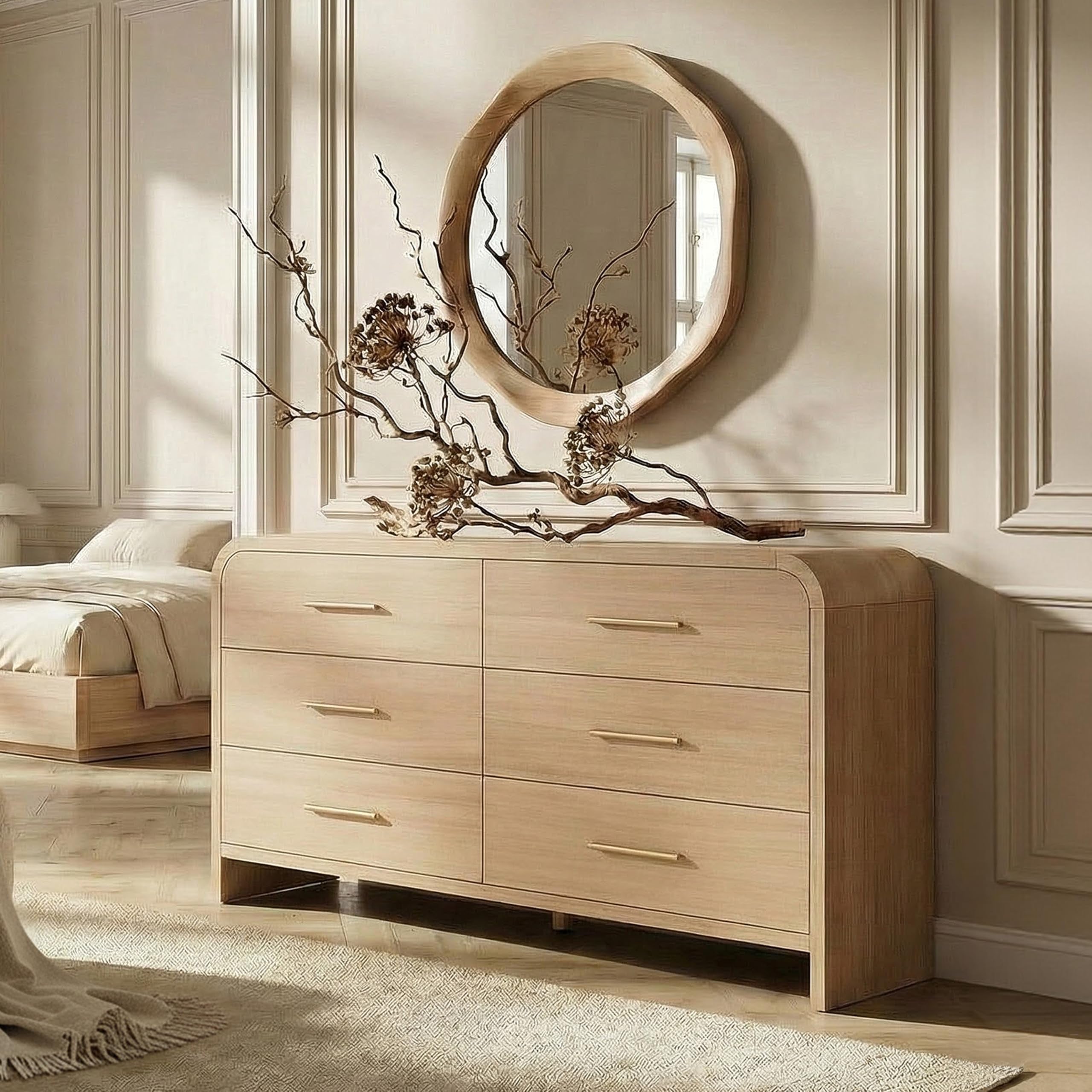
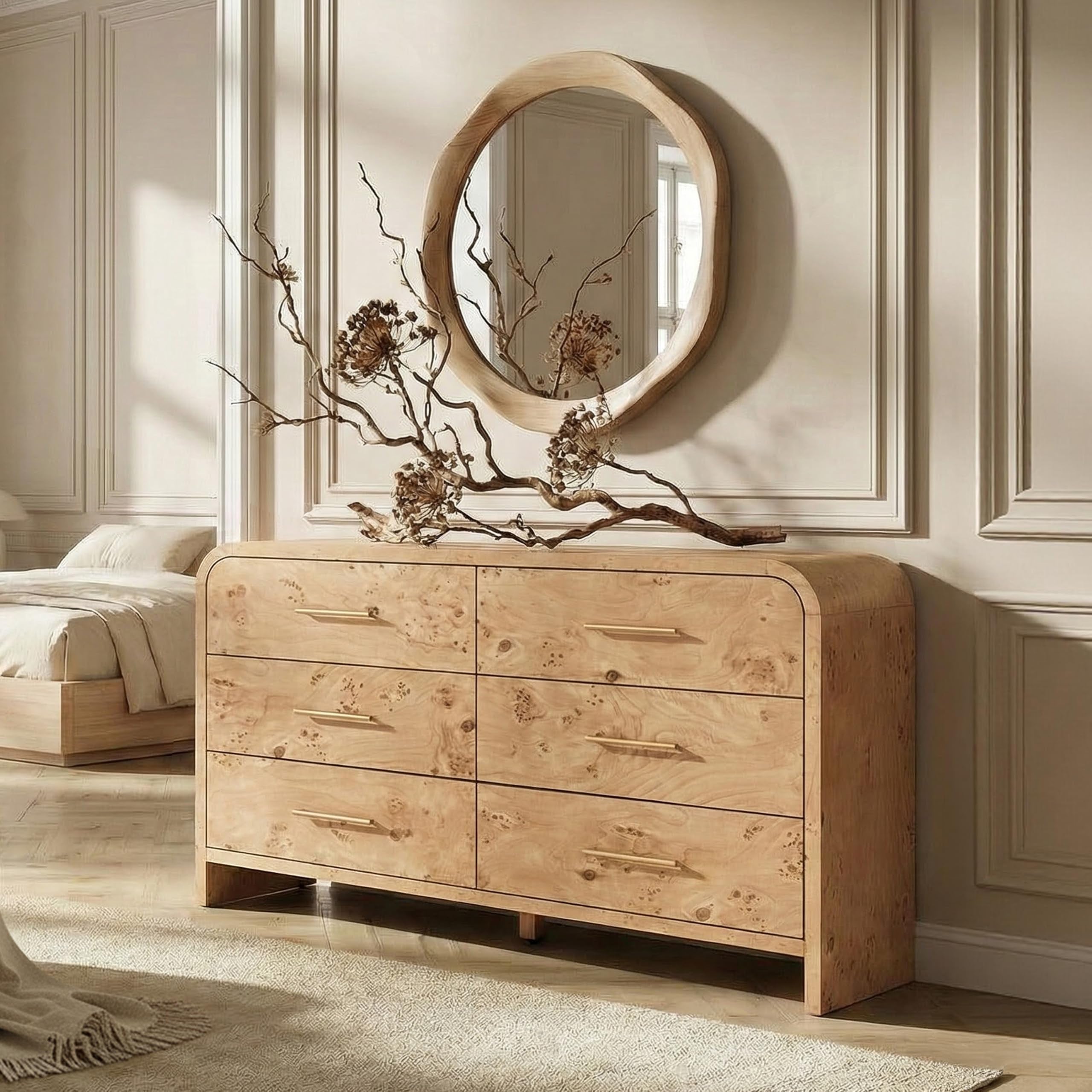
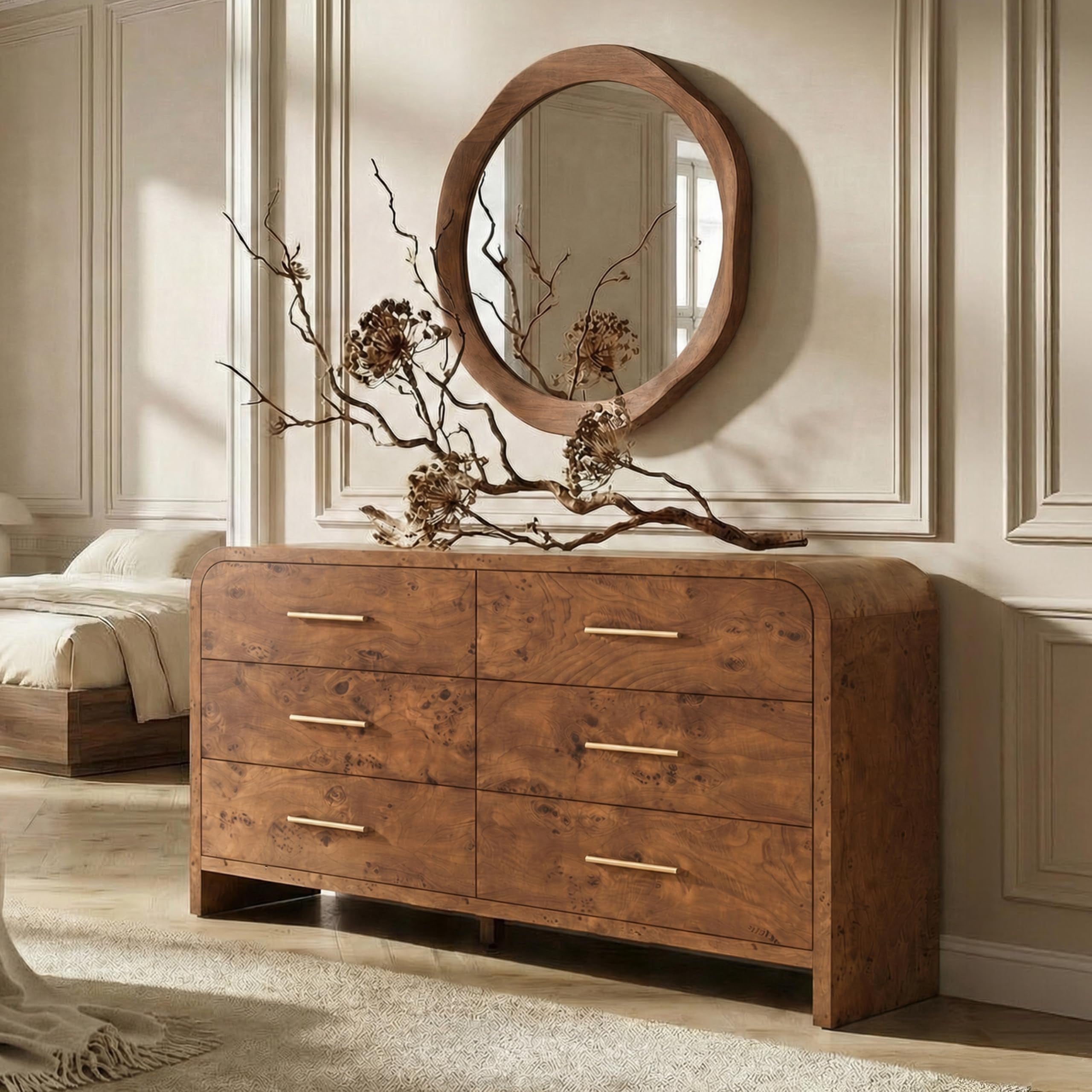
Use a Sideboard as a Visual Anchor
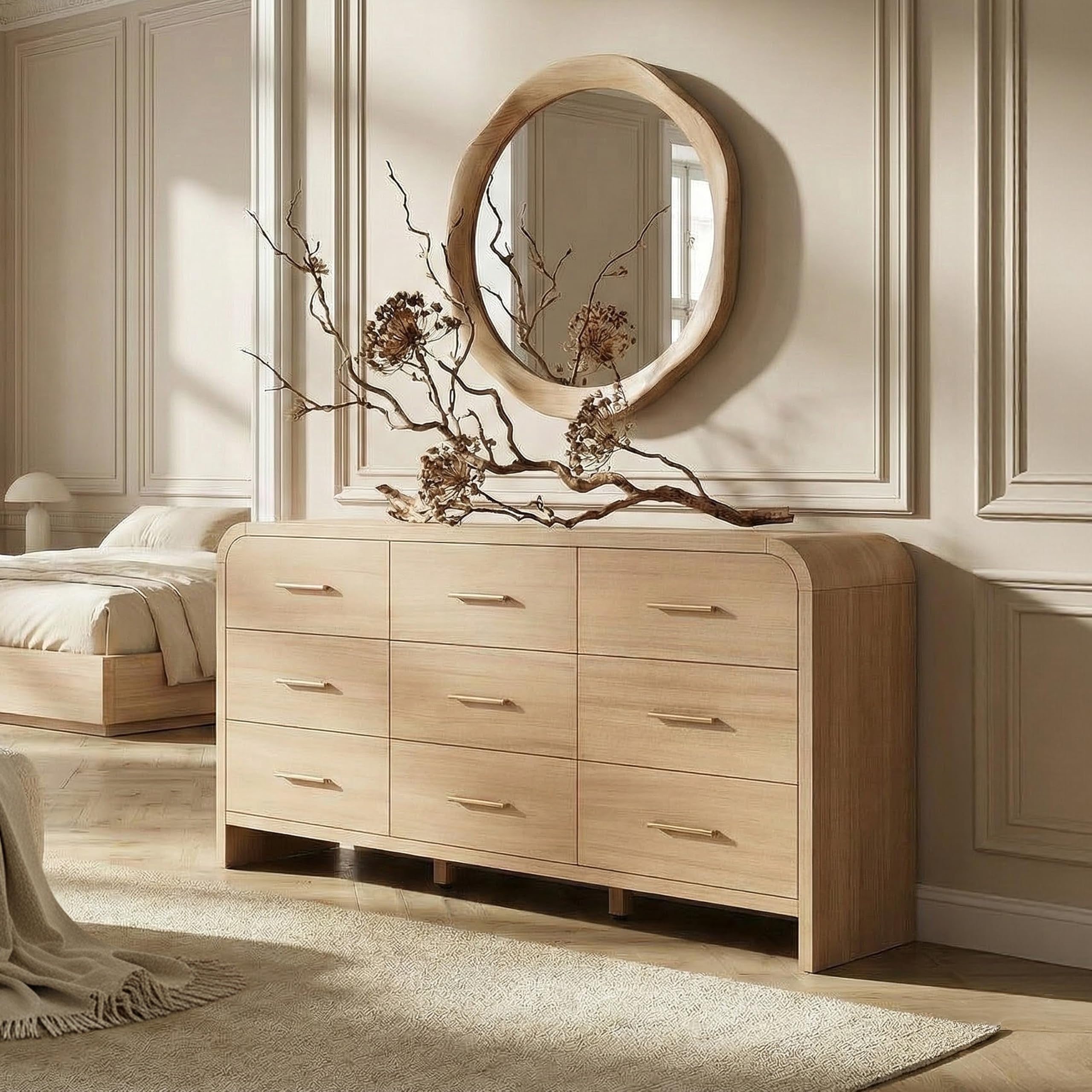
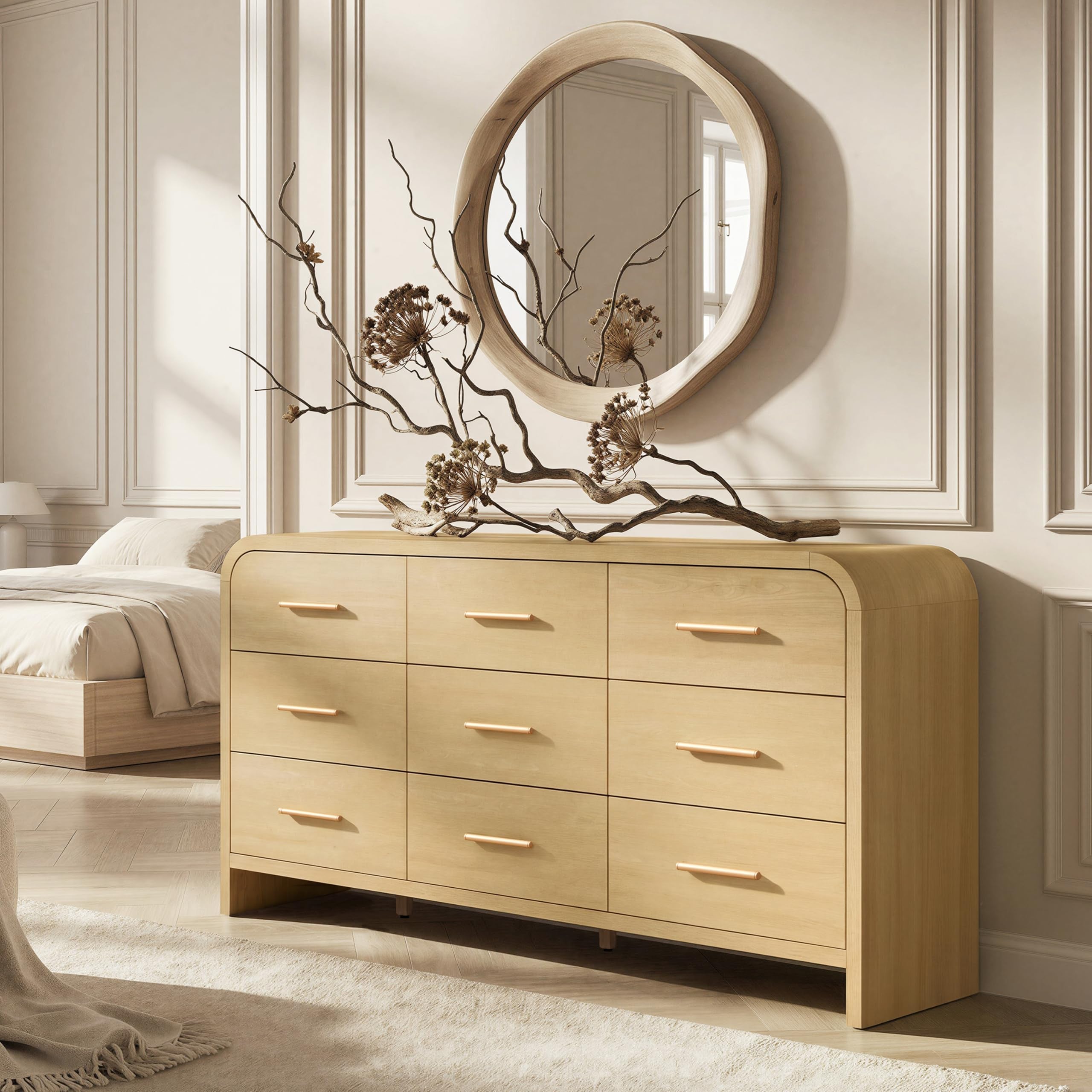
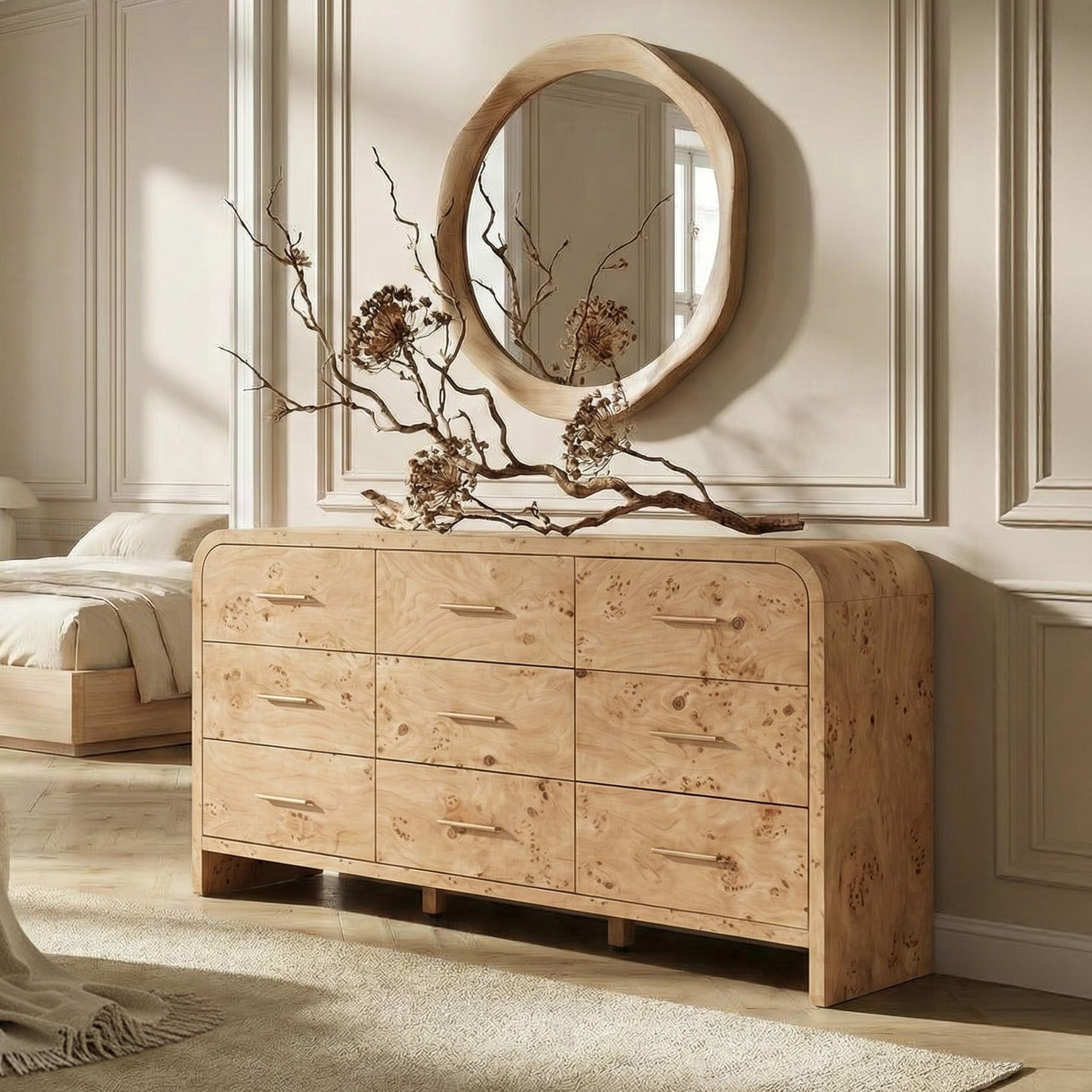
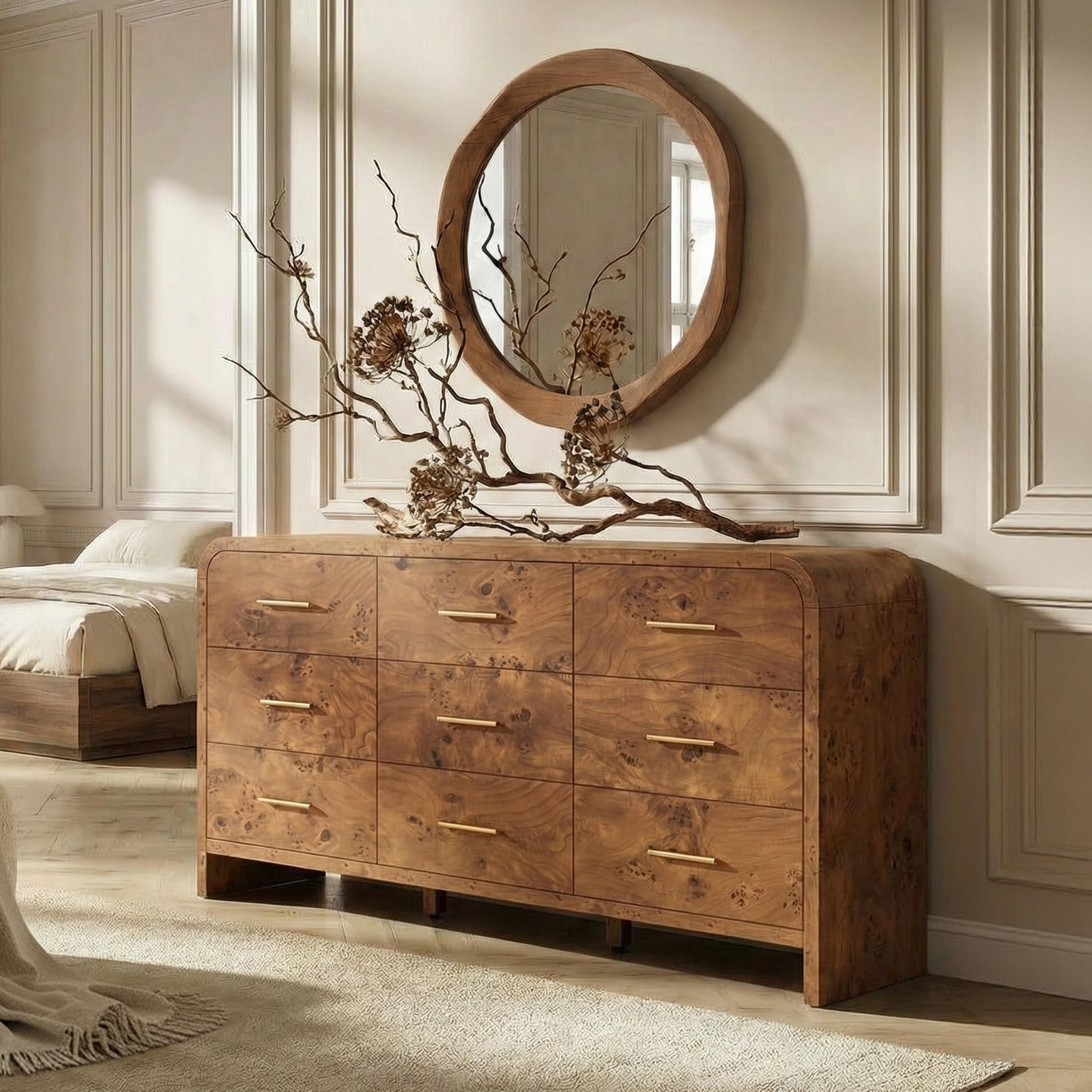
A sideboard isn't only useful for storage.
Its horizontal shape can help define a particular area while giving you a practical place to keep everyday belongings.
For example, a sideboard can help establish a dining zone while providing space for:
- 🍽️ Dinnerware
- 🕯️ Decorative objects
- 🍷 Glassware
- 📚 Books or household items
This creates a clear sense of purpose without making the room feel divided.
Use Rugs to Mark Different Areas
A rug can create an invisible boundary.
Place one beneath the main seating area, for example, and the furniture immediately feels grouped together.
In a larger open room, different rugs can help distinguish between:
Living → Dining → Working
without interrupting the visual connection between them.
Choose rugs that complement one another rather than making every zone feel like a completely separate room.
Let Lighting Create Different Moods
Lighting is another easy way to establish zones.
A pendant light can visually anchor a dining table, while a floor lamp can define a reading corner.
Consider using:
- Pendant lights over dining areas
- Floor lamps beside seating
- Table lamps on cabinets or sideboards
- Softer lighting in relaxing areas
Different lighting sources can make each part of a room feel intentional while keeping the overall space cohesive.
Create Separation Through Color and Texture
You don't need dramatically different colors to make zones feel distinct.
Subtle differences can be enough.
For example, a living area might use soft textiles and warm tones, while a nearby dining area incorporates wood, glass, or woven details.
You can also repeat one material or color across multiple zones to keep everything connected.
The goal isn't to make every zone identical. It's to make them feel related.
Pay Attention to Walking Paths
Creating zones doesn't mean filling every empty space.
One of the biggest mistakes in an open-plan room is placing too much furniture between areas.
Before finalizing your layout, walk through the room as you normally would.
Ask yourself:
- Is there enough space to move comfortably?
- Can drawers and cabinet doors open fully?
- Does furniture interrupt the main pathway?
- Can people move naturally from one zone to another?
A good layout should feel intuitive rather than carefully navigated.
Give Each Zone One Clear Purpose
You don't need to fill every corner.
Sometimes the simplest layouts work best.
A comfortable sofa and coffee table can be enough for a living zone. A dining table and sideboard can establish a dining area. A small desk and chair can create a functional workspace.
Clarity is often more effective than adding more furniture.
Keep the Whole Room Connected
Although separate zones should have their own purposes, they shouldn't feel like unrelated rooms.
Try repeating a few elements throughout the space:
- Similar wood tones
- Complementary colors
- Consistent materials
- Repeated shapes
- Similar decorative details
This creates a visual thread that ties everything together.
Divide the Space Without Closing It Off
Creating separate zones isn't really about dividing a room.
It's about giving different parts of your home different jobs.
With thoughtful furniture placement, rugs, lighting, and texture, one open space can support many different parts of everyday life without sacrificing the feeling of openness.
You don't always need another wall.
Sometimes, the right piece of furniture in the right place is enough to make a room work better.

