


When people think about making a home look “well-designed,” they often focus on color or furniture style.
But one of the most overlooked elements is texture.
Texture is what makes a room feel warm instead of flat, lived-in instead of staged, and comfortable instead of empty.
The real “secret” to a cozy and balanced home is not more decoration—it’s better layering of textures.
👉 Explore the collection and enjoy a great deal: Woven 3-Drawers Nightstand
Why Texture Matters More Than You Think
A room with the same material everywhere can feel visually flat.
Even if the colors match perfectly, something feels missing.
That’s because texture adds:
- depth
- warmth
- contrast
- visual interest
Without it, a space can feel clean—but also lifeless.
Start With Natural Wood as a Base
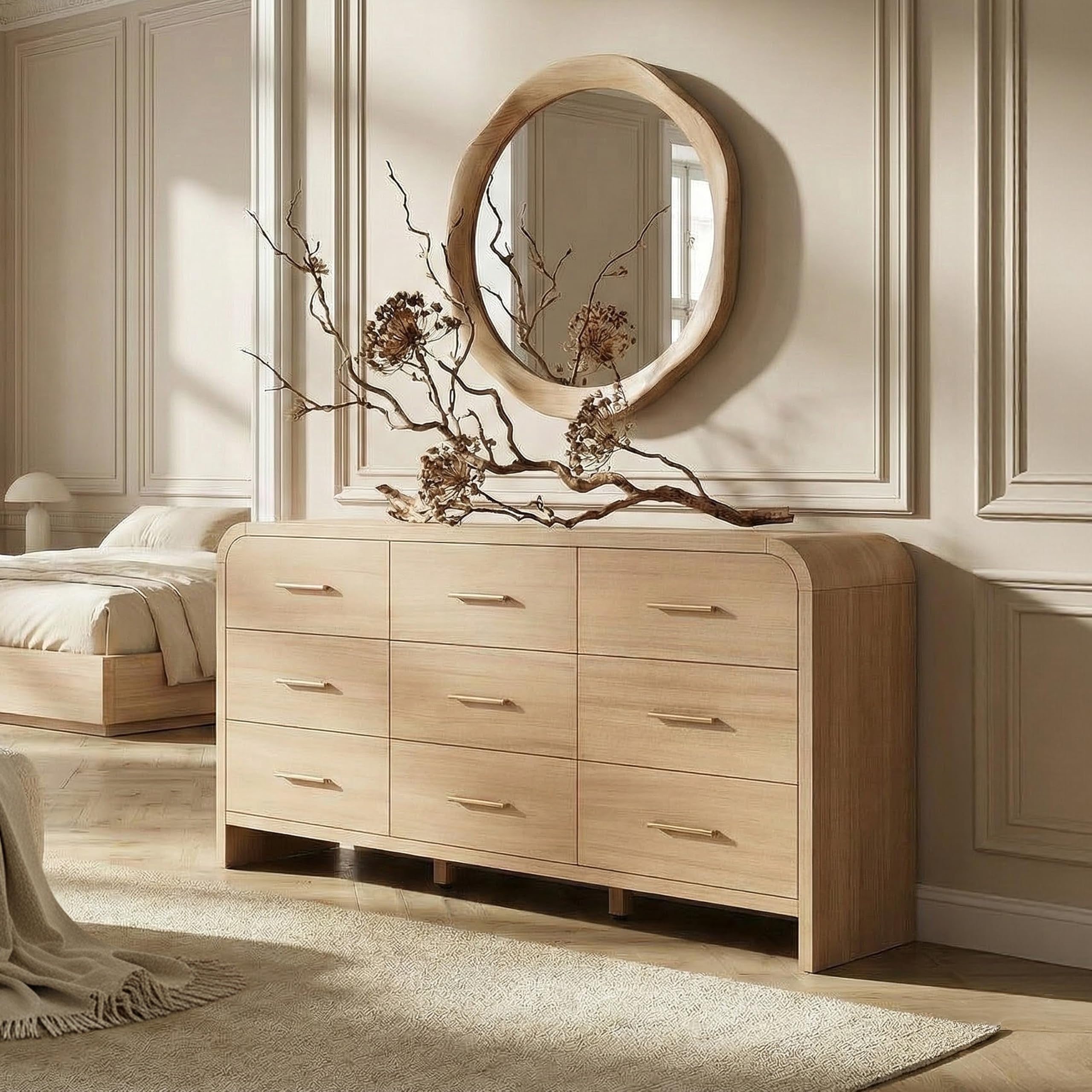
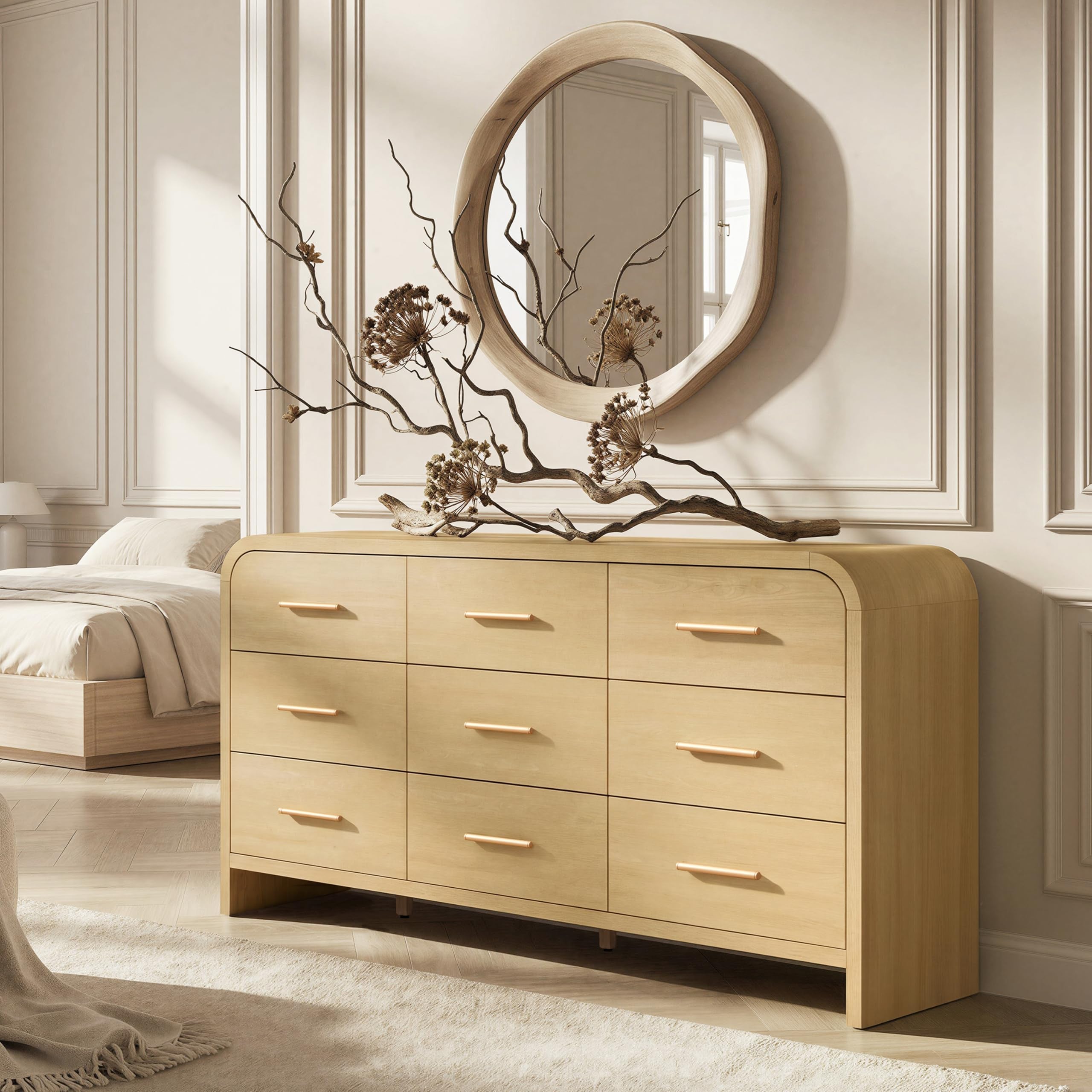
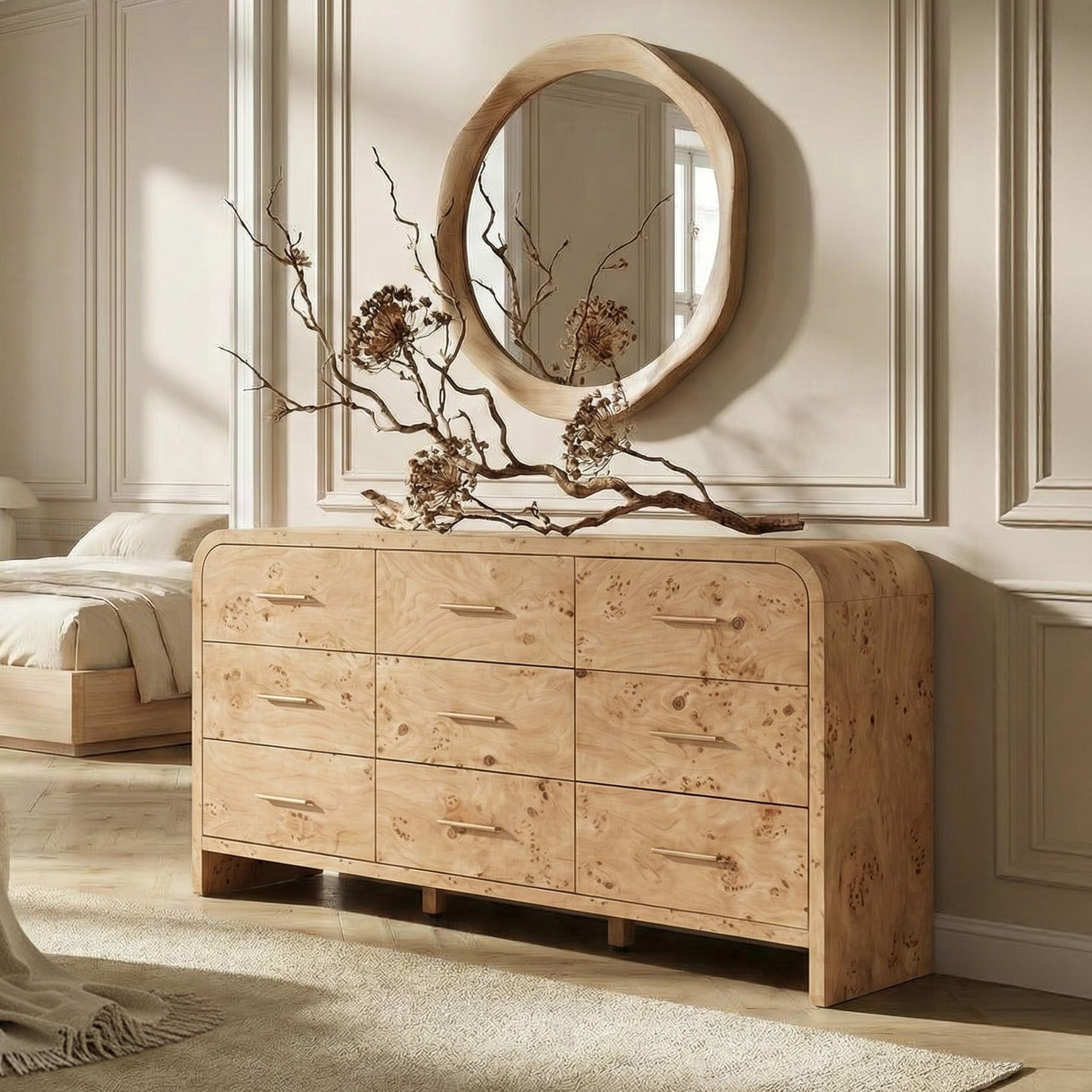
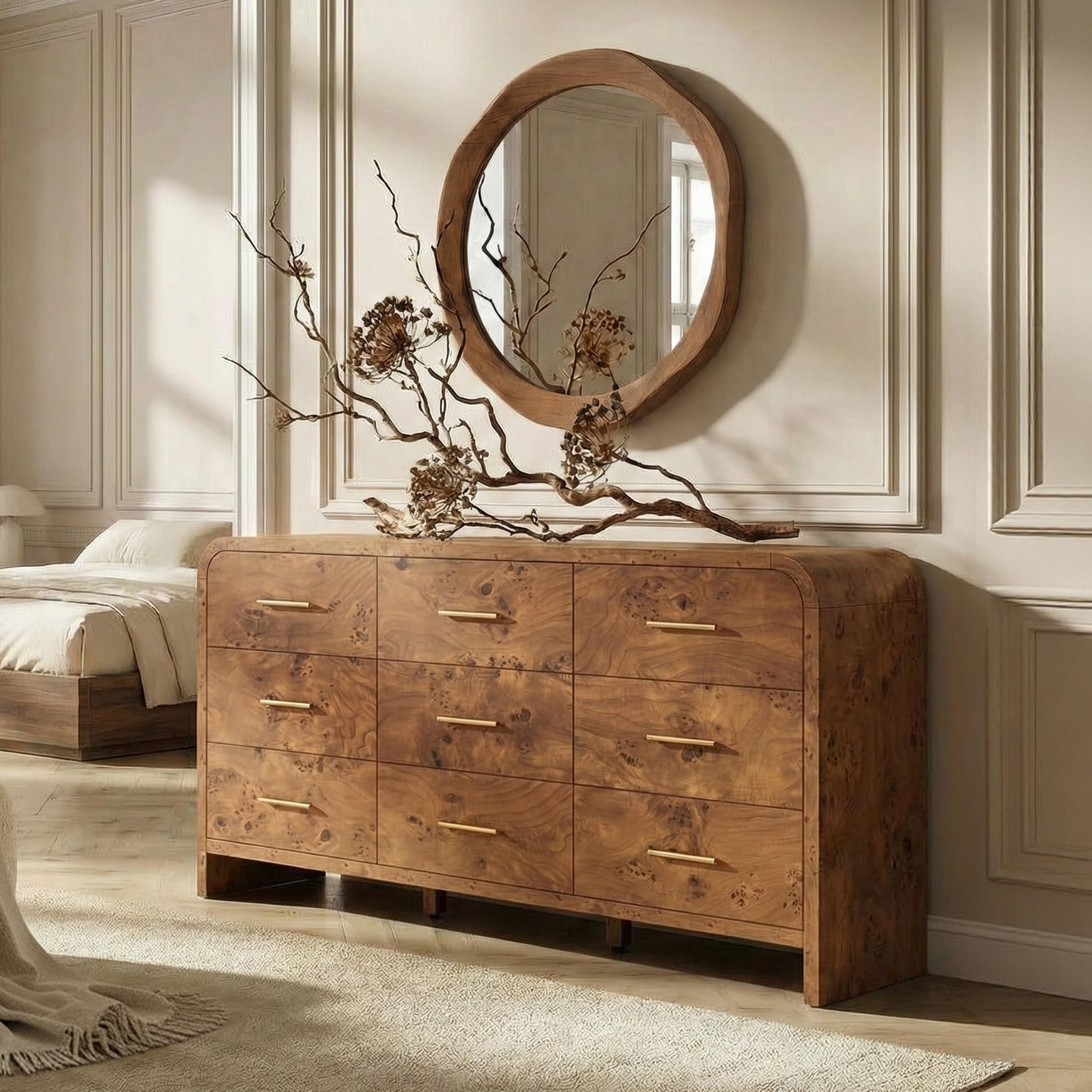
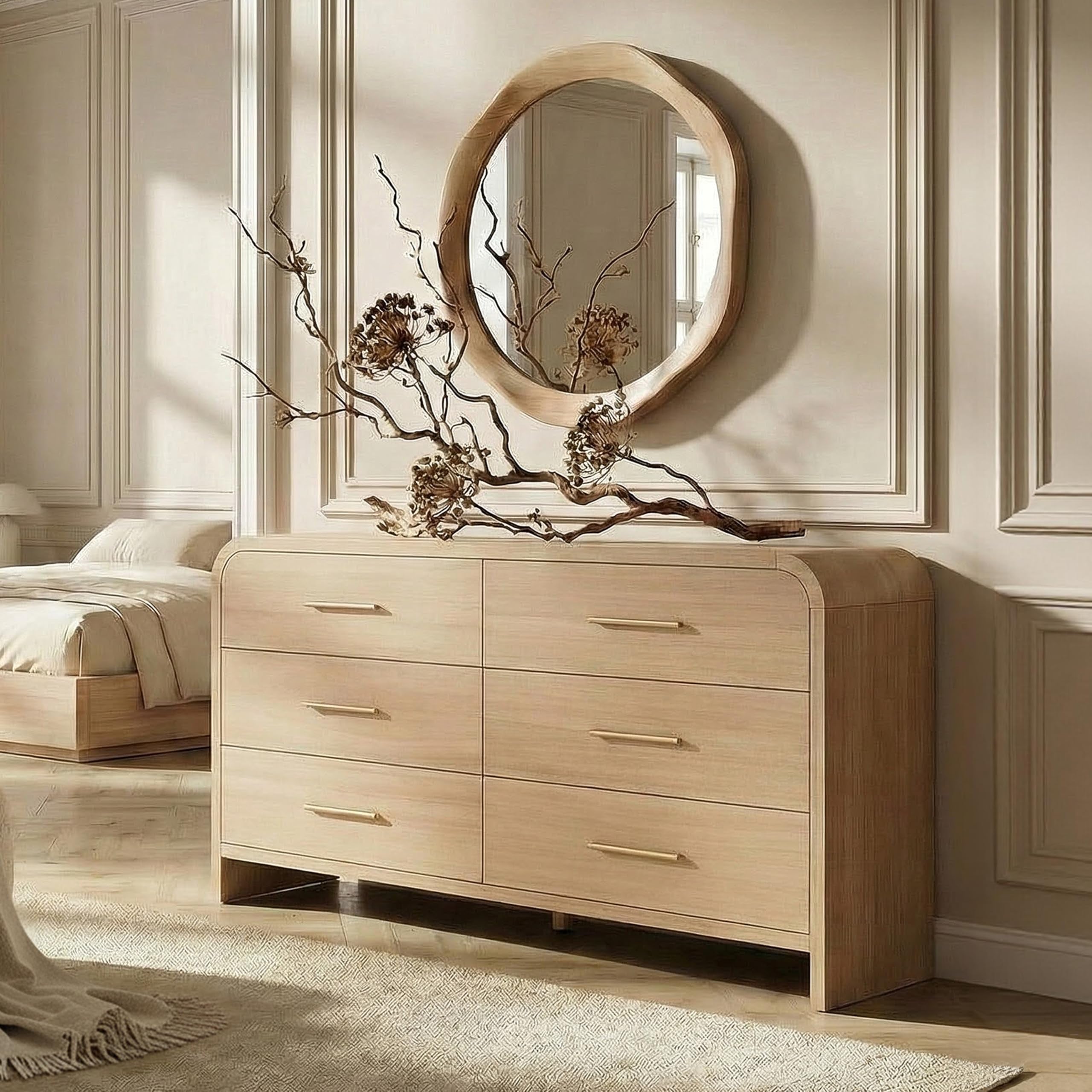
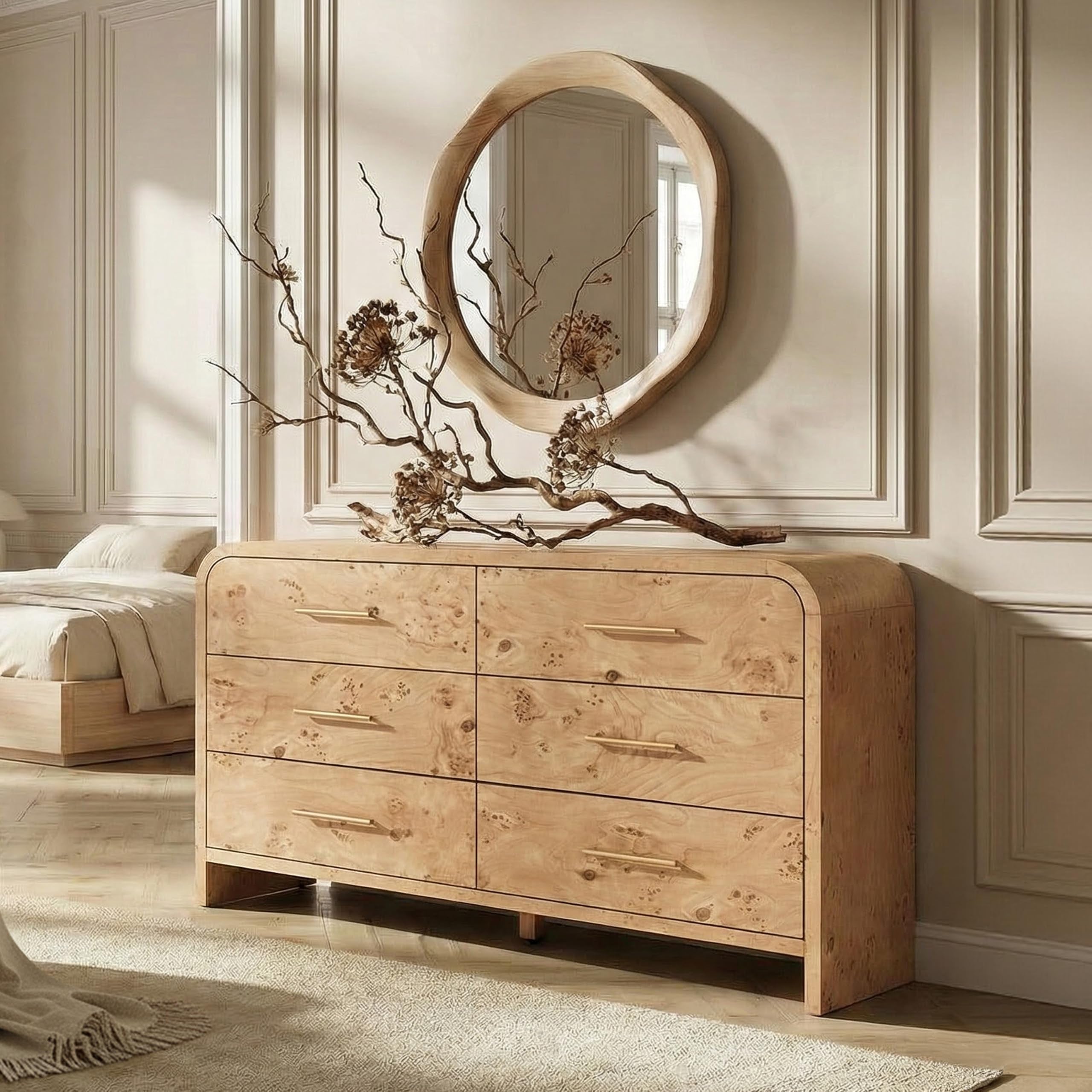
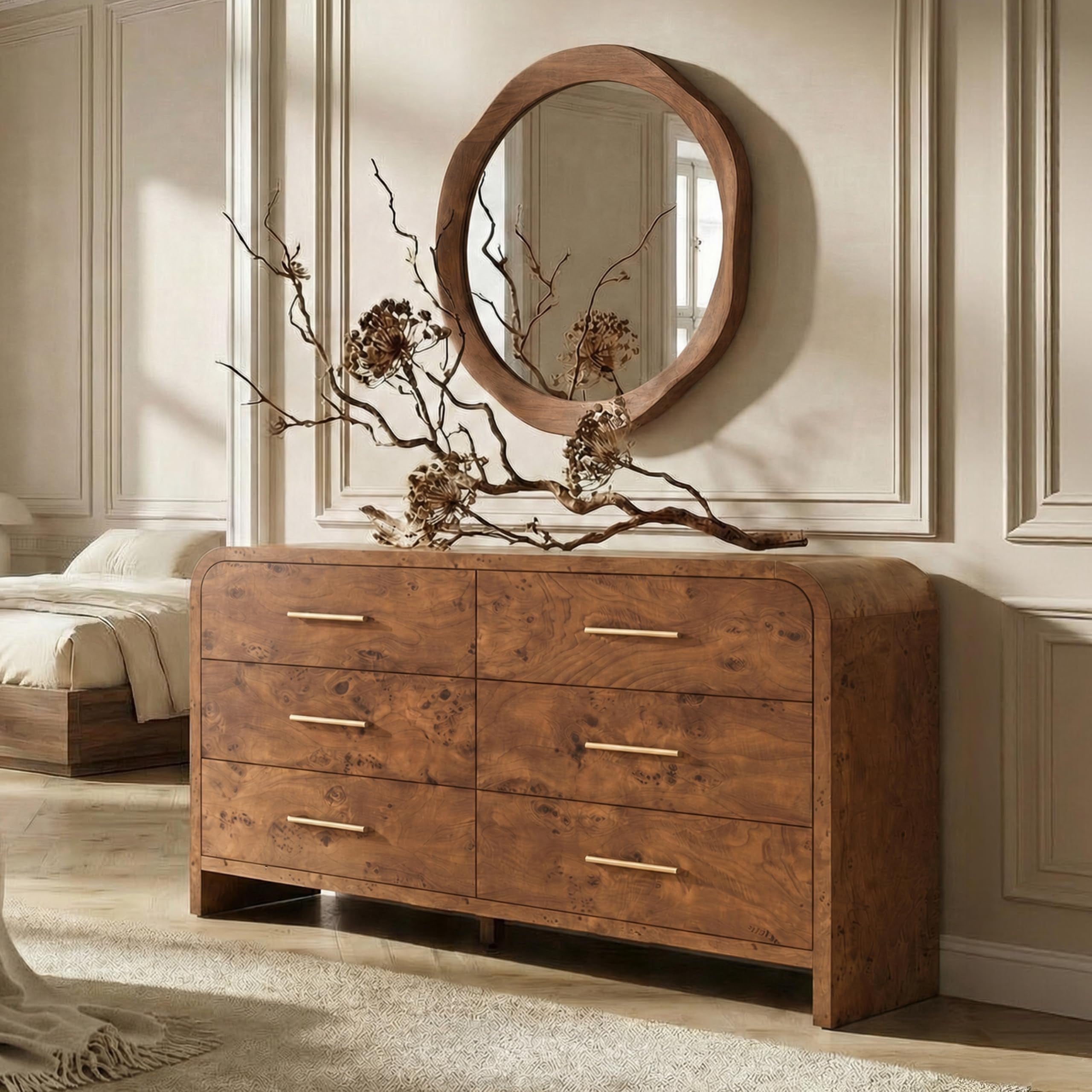
Wood is often the foundation of good interior texture.
It already carries natural grain, variation, and warmth.
Whether it’s:
- a dresser
- a dining table
- a sideboard
- or a bed frame
wood provides a grounding layer that makes the rest of the room feel more natural.
Add Soft Textures to Balance Hard Surfaces
If wood is the structure, soft materials are the comfort layer.
You can introduce softness through:
- fabric cushions
- linen bedding
- woven rugs
- upholstered chairs
These elements balance the firmness of wood and create a more inviting atmosphere.
Mix Smooth and Rough Surfaces
Good texture layering is not only about soft vs hard—it’s also about surface variation.
For example:
- smooth wooden furniture + textured fabric
- matte finishes + natural grain
- polished surfaces + woven materials
This contrast is what makes a room feel visually rich without being busy.
Don’t Overdo It—Balance Is Key
Layering texture does not mean adding everything at once.
Too many competing textures can make a space feel chaotic.
A good rule is:
- 1–2 dominant materials (like wood)
- 1–2 soft supporting textures
- subtle accents for variation
This keeps the room cohesive and calm.
Texture Also Affects How a Space Feels Emotionally
Texture is not just visual—it influences how people feel in a space.
Soft textures feel relaxing.
Natural textures feel grounding.
Layered materials feel lived-in and comfortable.
This is why well-designed interiors often feel calm even before you notice why.
Furniture Is the Starting Point of Texture Design
Furniture plays a central role in layering texture because it takes up the most visual space.
Wood furniture, especially, acts as the anchor that everything else builds around.
When furniture is chosen thoughtfully, it becomes easier to layer other textures naturally.
Final Thoughts
The secret to a well-designed home is not complexity—it’s balance.
When wood, fabric, and surface textures are layered thoughtfully, a room feels warmer, richer, and more comfortable to live in.
Good texture design doesn’t demand attention.
It quietly makes a space feel like home.
Explore Furniture That Builds Natural Warmth
Discover our collection of wood furniture designed to bring depth, texture, and comfort into everyday living spaces.
👉 Explore the collection and enjoy a great deal: Woven 3-Drawers Nightstand

