





A living room can feel unfinished even when it's full of furniture and carefully chosen decorations. Another cushion seems tempting, a new side table might fill an empty spot, and a few accessories could make the room feel more complete. Yet sometimes, adding more only makes the space harder to enjoy.
A cozy living room isn't necessarily the one with the most layers or the fullest shelves. Often, it comes from making better use of what you already have—adjusting the arrangement, paying attention to everyday comfort, and giving favorite pieces room to stand out.
Start With How You Use the Room
Before changing the decor, notice what happens in your living room on an ordinary day.
Where do you sit to read? Which seat does everyone gravitate toward? Is there a corner that collects bags, blankets, or things waiting to be put away?
These habits reveal more than a styling checklist can. A room may look attractive in a photograph but feel inconvenient when the coffee table is too far away or the main walkway is constantly blocked.
Try rearranging what you already own to support those routines. Move a side table closer to the seat where it's actually used, or reposition a chair to make conversation easier. Small changes can make a familiar room feel more welcoming without introducing another piece of furniture.
Let Softness Come From What You Already Own
Comfort doesn't always require new decorative layers. A favorite throw, a textured cushion, or a fabric you already love can bring warmth when used thoughtfully.
Instead of spreading every soft accessory across the sofa, choose a few that serve a purpose. Fold a blanket where it's easy to reach on a cool evening. Keep the cushions you genuinely use, and put away those that constantly need moving before anyone can sit down.
The same principle applies to color. Repeating a tone already found in your rug, curtains, or upholstery can make the room feel more connected. You don't need to buy matching accessories if the colors already work together.
Make Existing Furniture Work Harder
Sometimes a room feels cluttered because furniture isn't being used in the most helpful way.
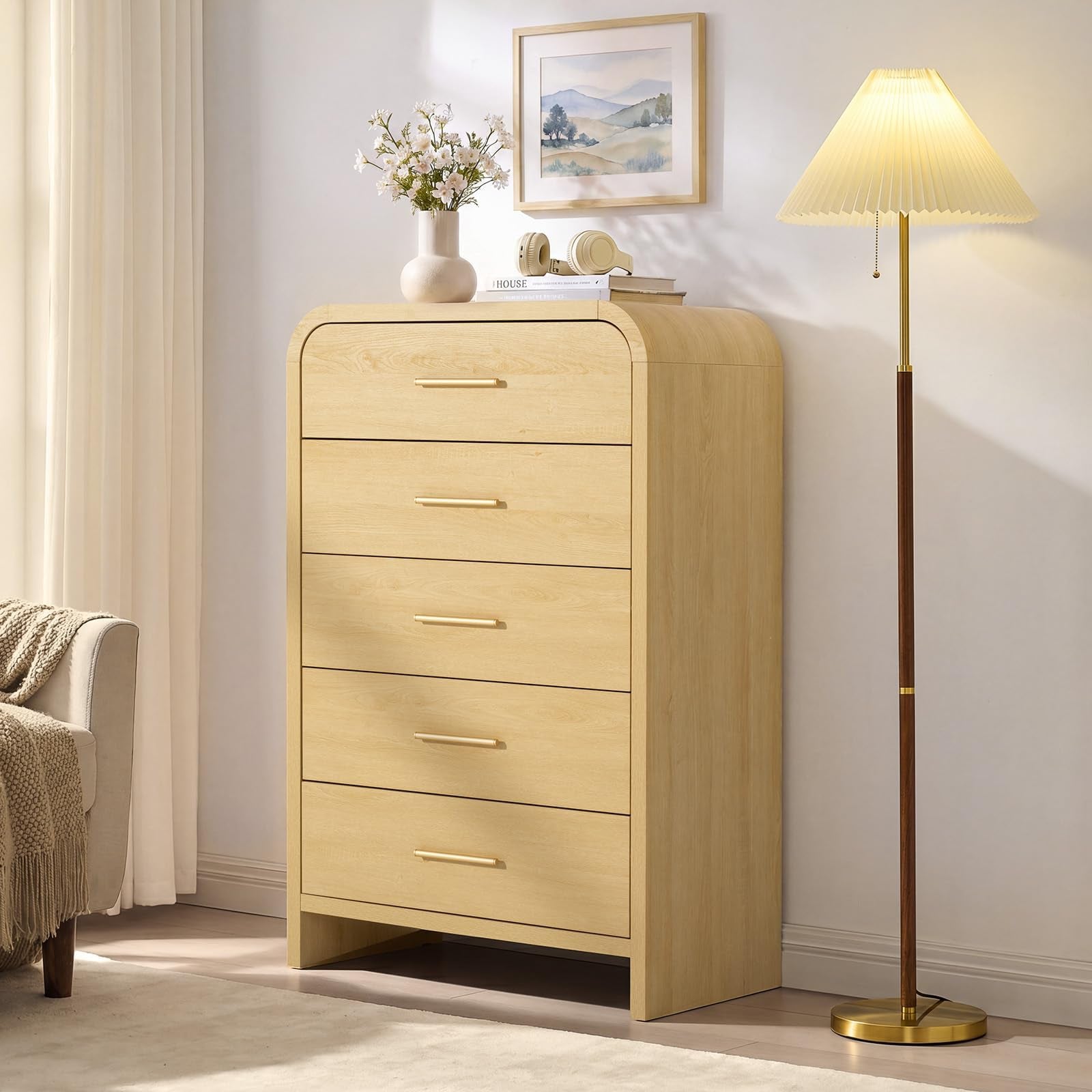
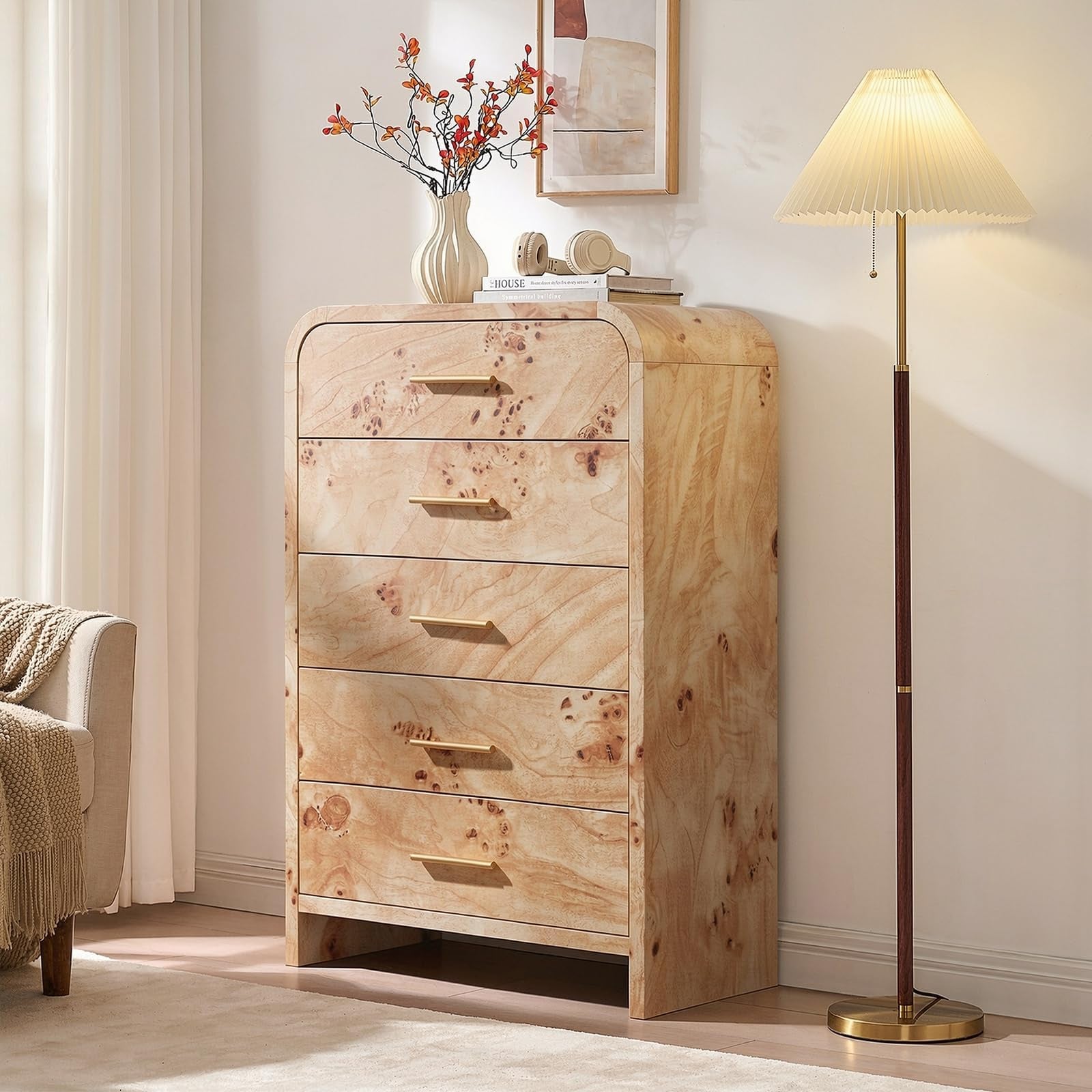
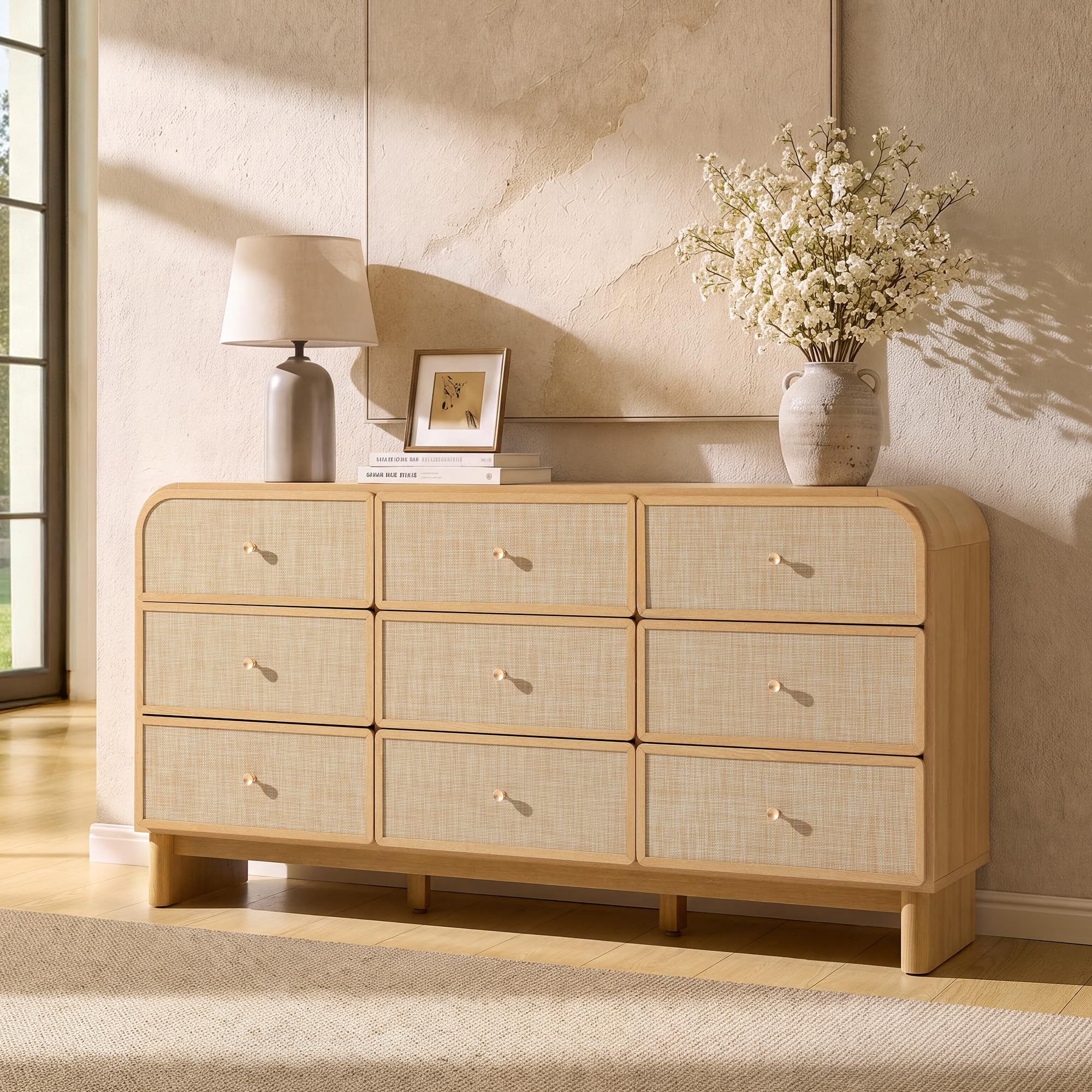
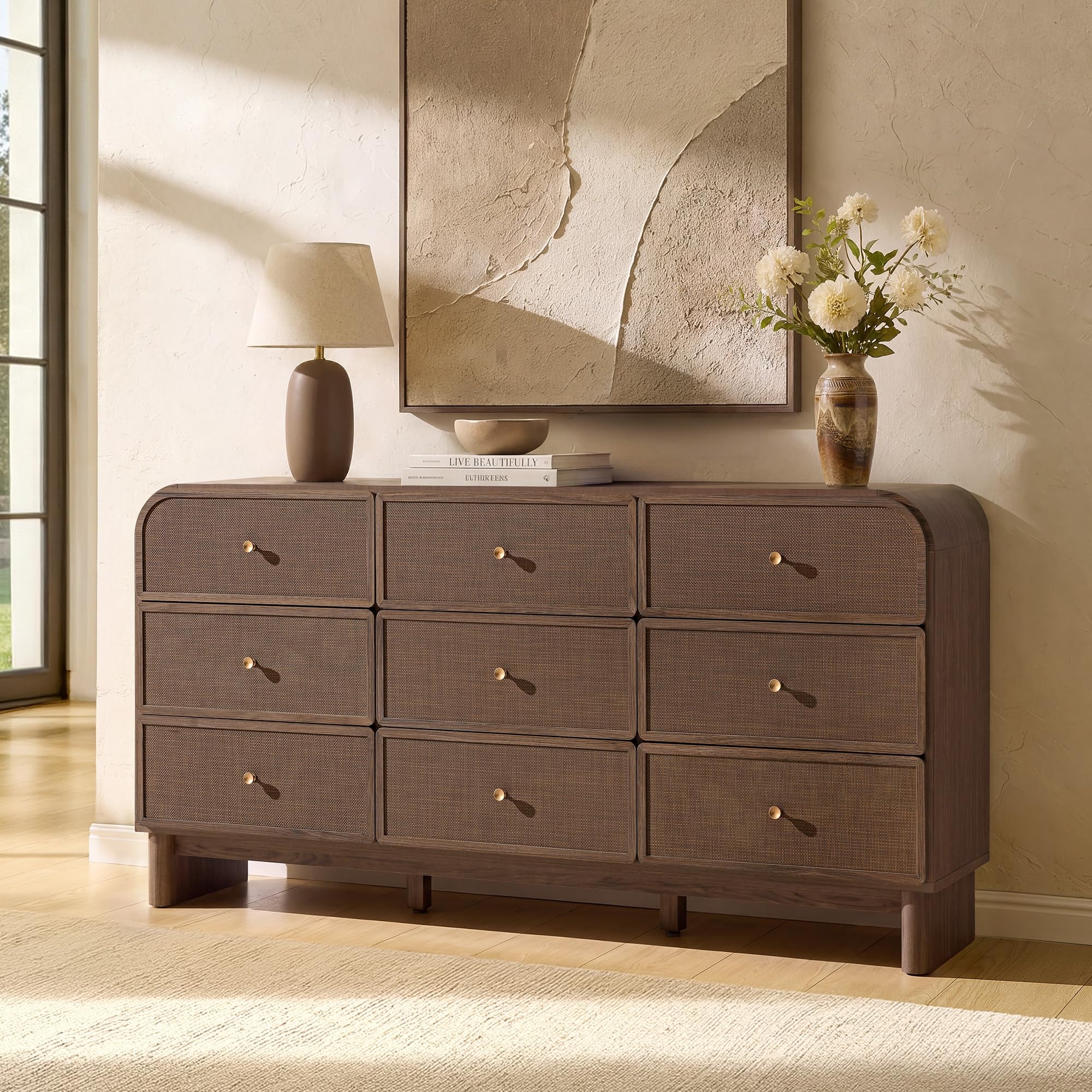
A storage cabinet can keep everyday items close without leaving them scattered across visible surfaces. A coffee table can provide a convenient place for drinks and books, while a side table may be enough if the room is small.
Look at the furniture you have and ask whether each piece supports the way you live. Could a decorative basket hold the blankets currently piled on the sofa? Could a cabinet provide a home for remote controls, chargers, and other small items?
Furniture should make daily life easier, not create another surface that needs constant organizing. If a piece has become unnecessary, removing it may improve the room more than replacing it with something new.
Use Lighting to Change the Mood
Lighting can make a room feel noticeably different without changing its furniture or decor.
During the day, open curtains when privacy and weather allow, and let natural light reach the parts of the room where you spend the most time. In the evening, a single bright overhead light may feel less relaxing than a combination of existing lamps and softer lighting.
Pay attention to where light falls. A reading corner needs enough illumination for the activity, while a seating area may benefit from a gentler atmosphere. If you already own a lamp, try moving it before buying another.
The goal isn't to make every corner equally bright. It's to make the room comfortable for the activities that happen there.
Give Everyday Objects a Place to Go
A cozy room can still feel messy when frequently used items have nowhere to return to.
Mail lands on the coffee table. Charging cables stay beside the sofa. Blankets migrate from one seat to another. These small accumulations can make a room feel busier than it really is.
Choose simple homes for the things you use regularly. Keep a tray for small essentials, use existing drawers for items that don't need to stay visible, and leave the most convenient surfaces available for their intended purpose.
You don't have to hide everything. A book you're currently reading or a meaningful personal object can make the room feel lived-in. The difference is between objects that belong there and things that have simply been left behind.
Leave Some Space for Living
An empty section of a shelf or a clear patch of coffee table isn't necessarily a decorating problem. It can make everyday use easier and help the things you do display feel more personal.
Try removing a few items from one surface rather than restyling the entire room. Live with the change for a few days. You may discover that the space feels calmer, cleaning is easier, and the objects you kept are more noticeable.
A comfortable living room doesn't need to look complete from every angle. It needs to feel good when you sit down, spend time with family, or enjoy a quiet evening.
At Cozyshome, we believe a welcoming home is shaped as much by thoughtful choices as by the things inside it. Before adding something new, take another look at what you already have. Sometimes, a little rearranging, a clearer surface, and furniture that works with your routine are all it takes to make a living room feel more like home.
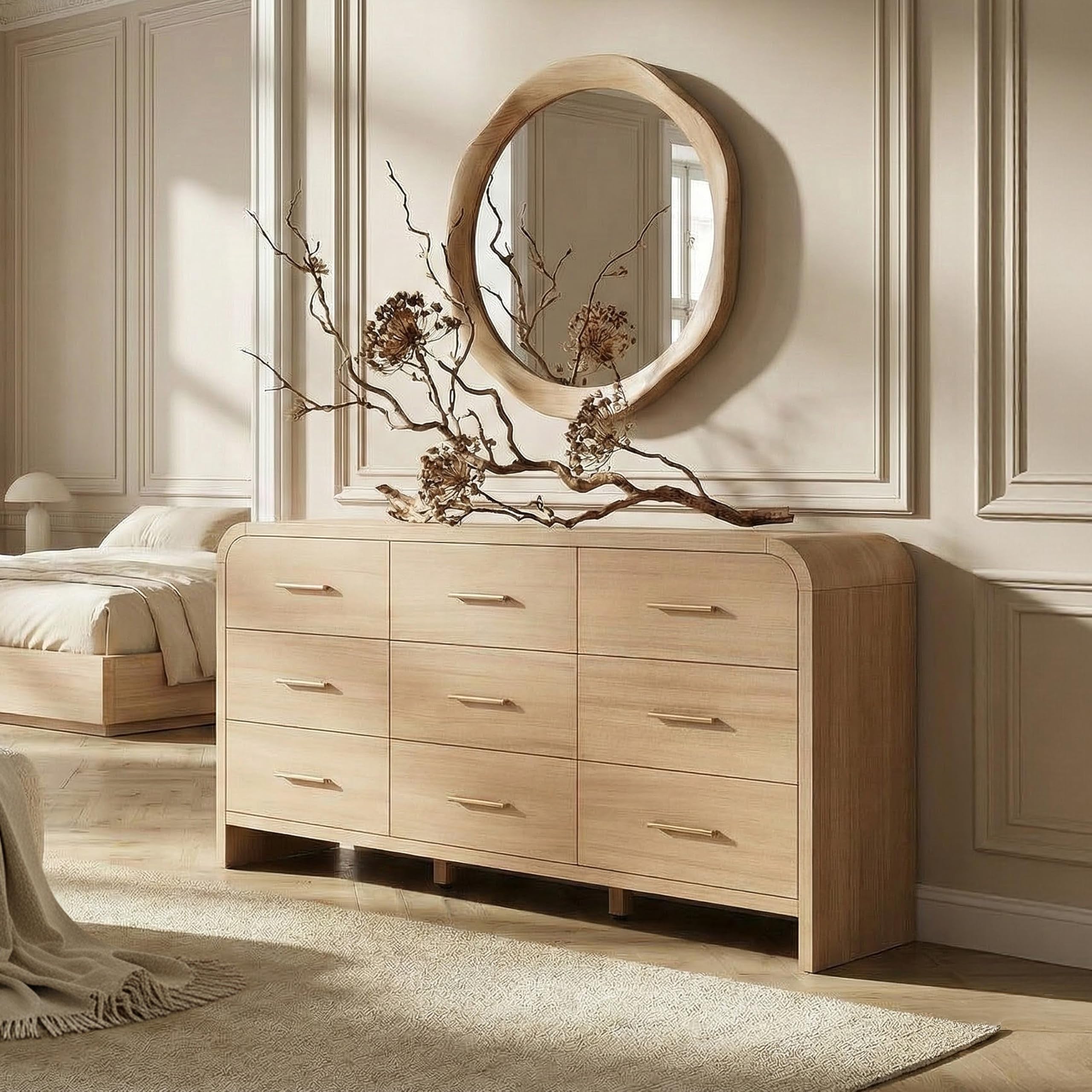
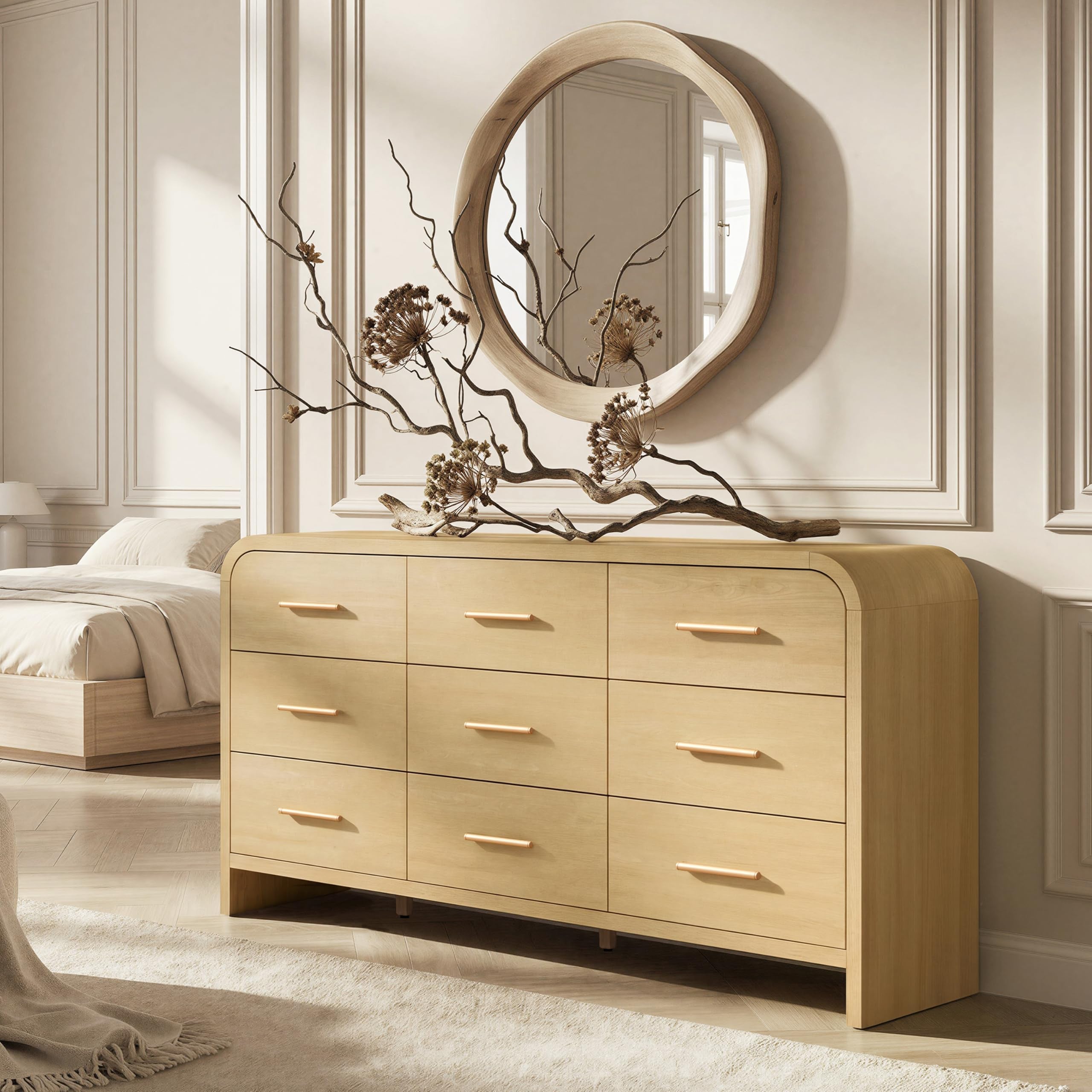
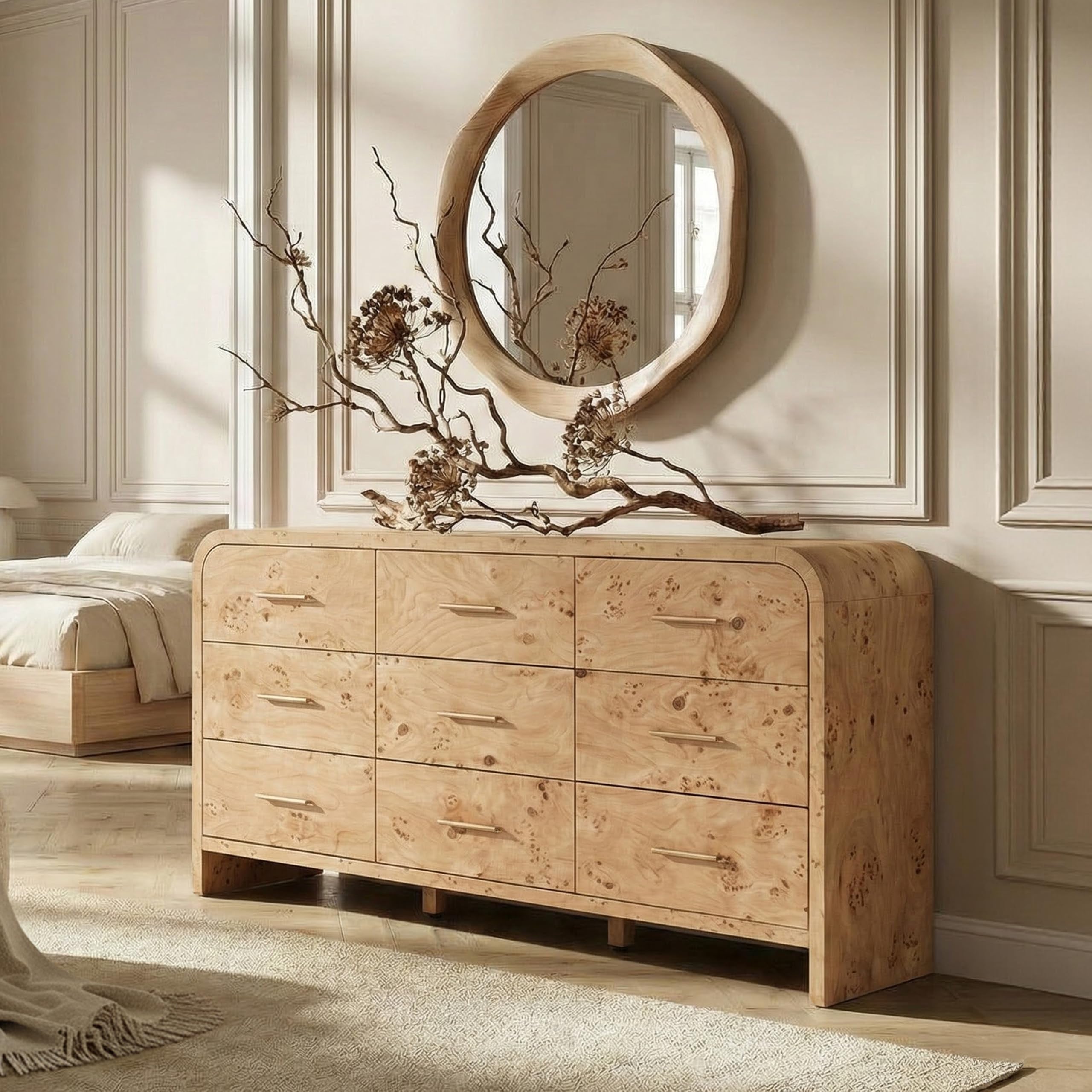
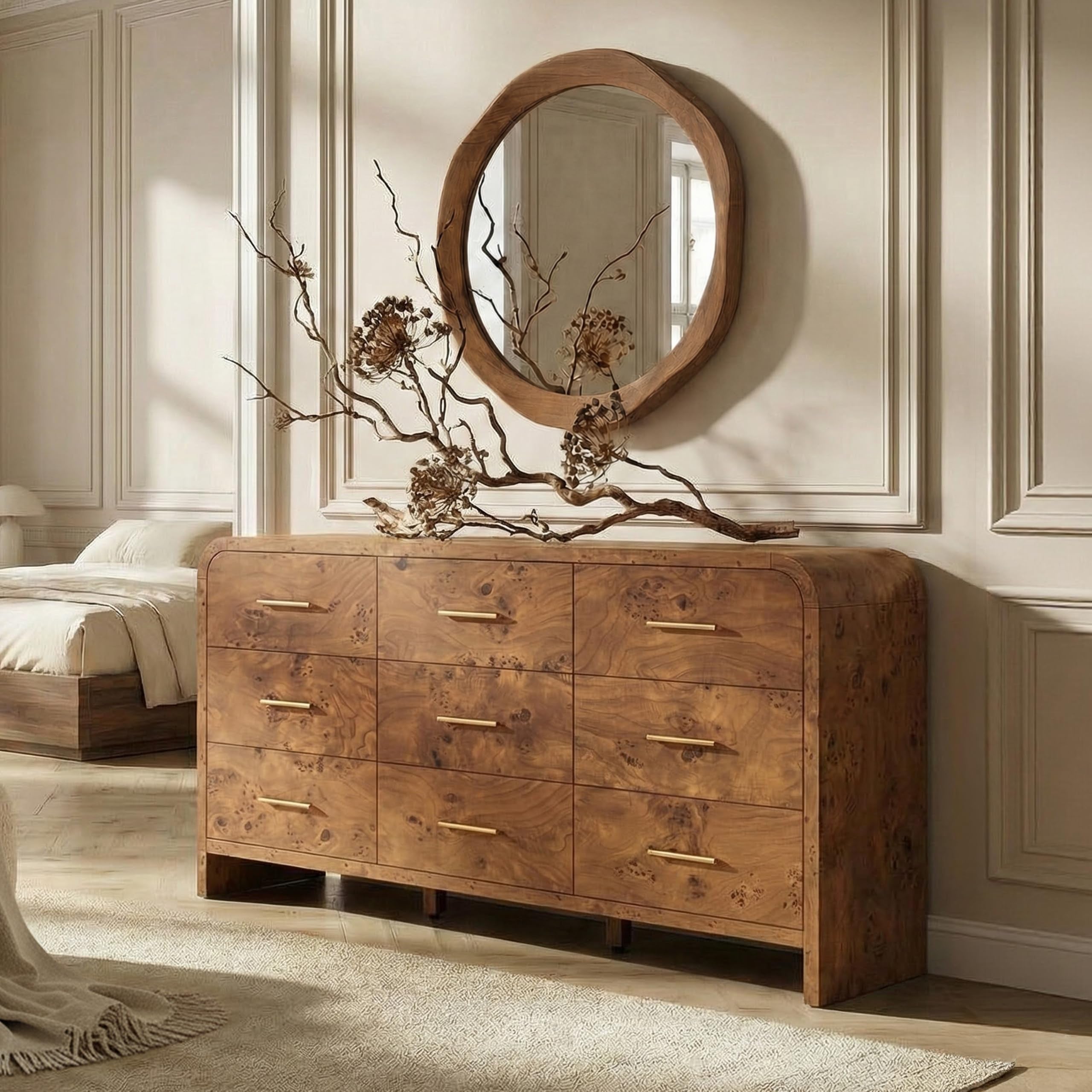
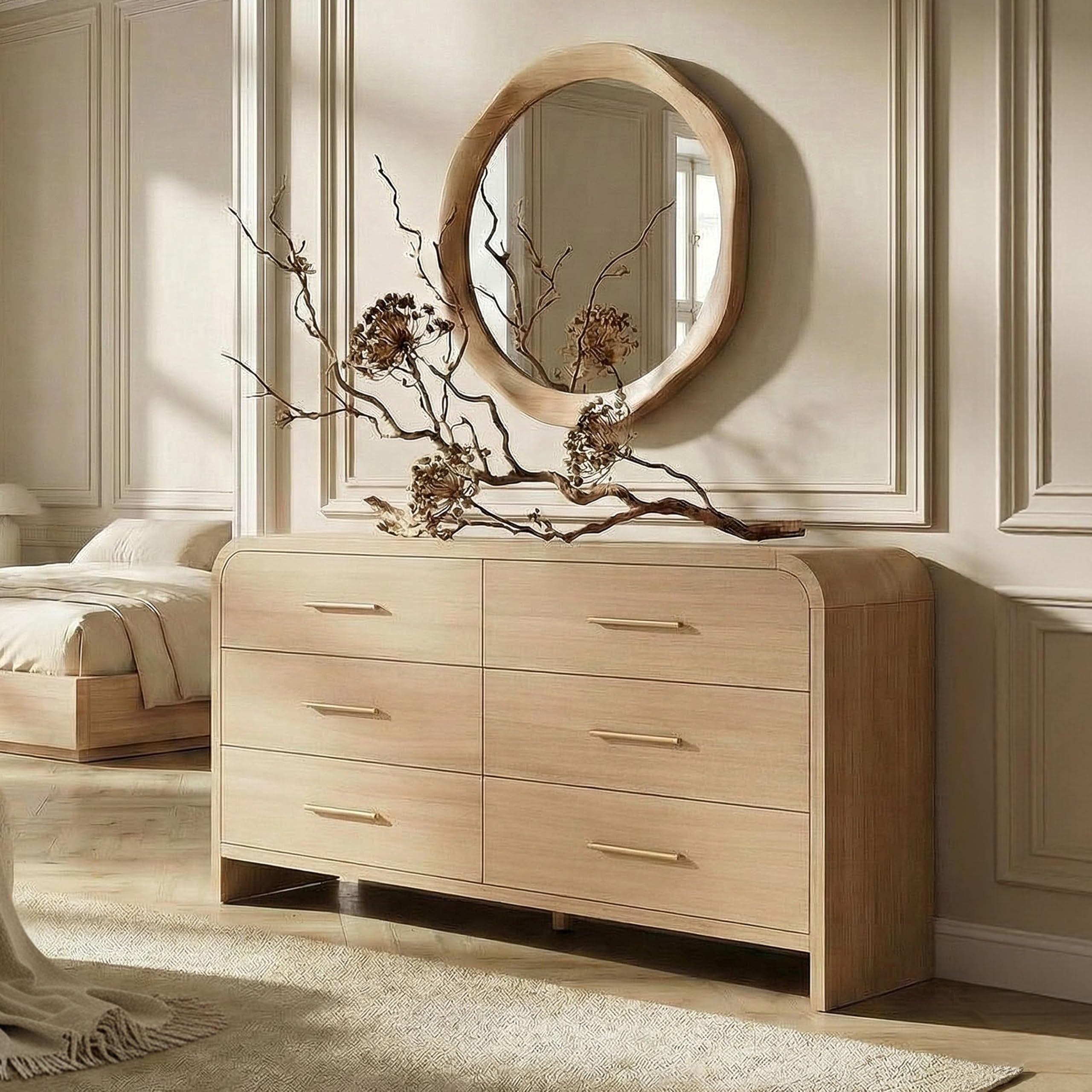
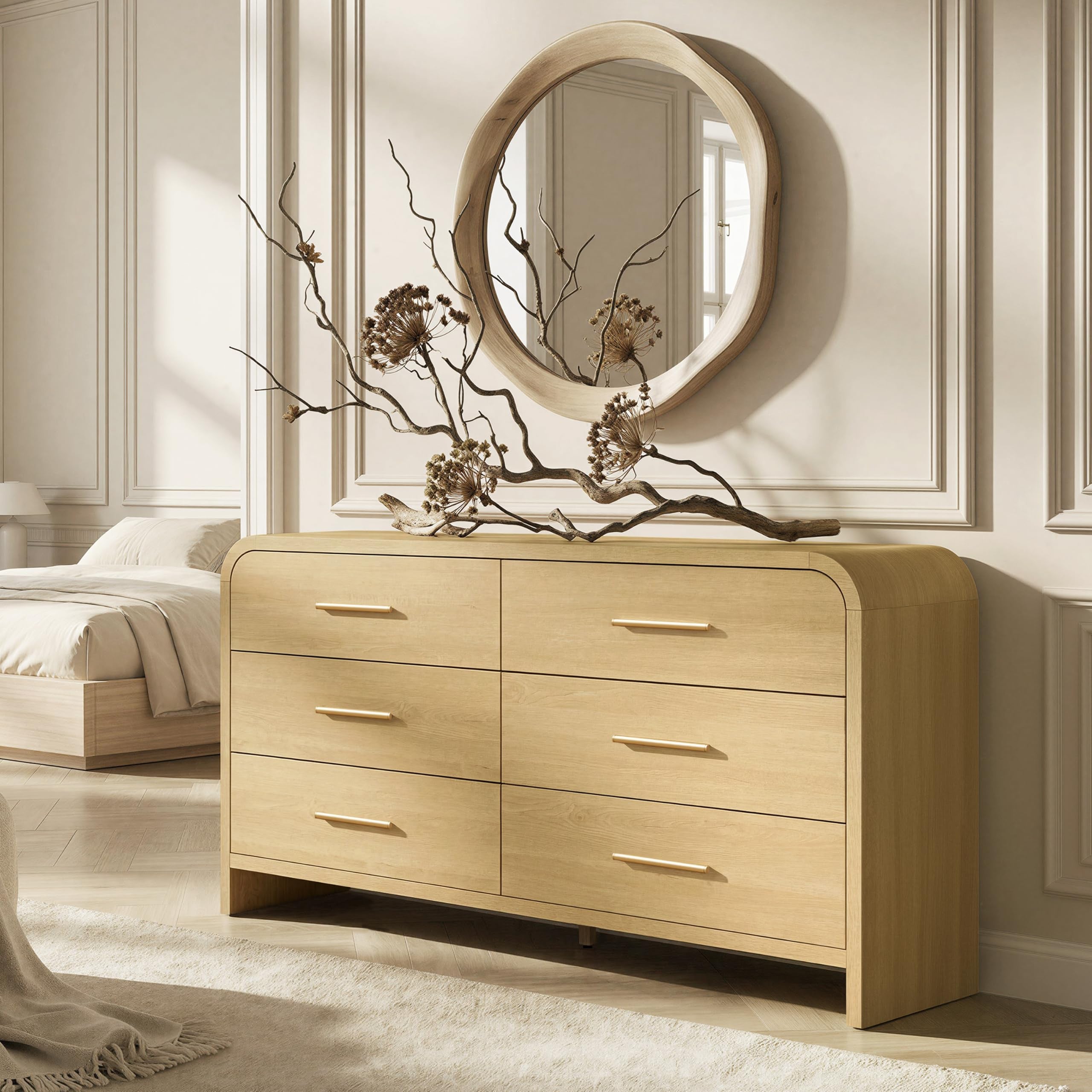
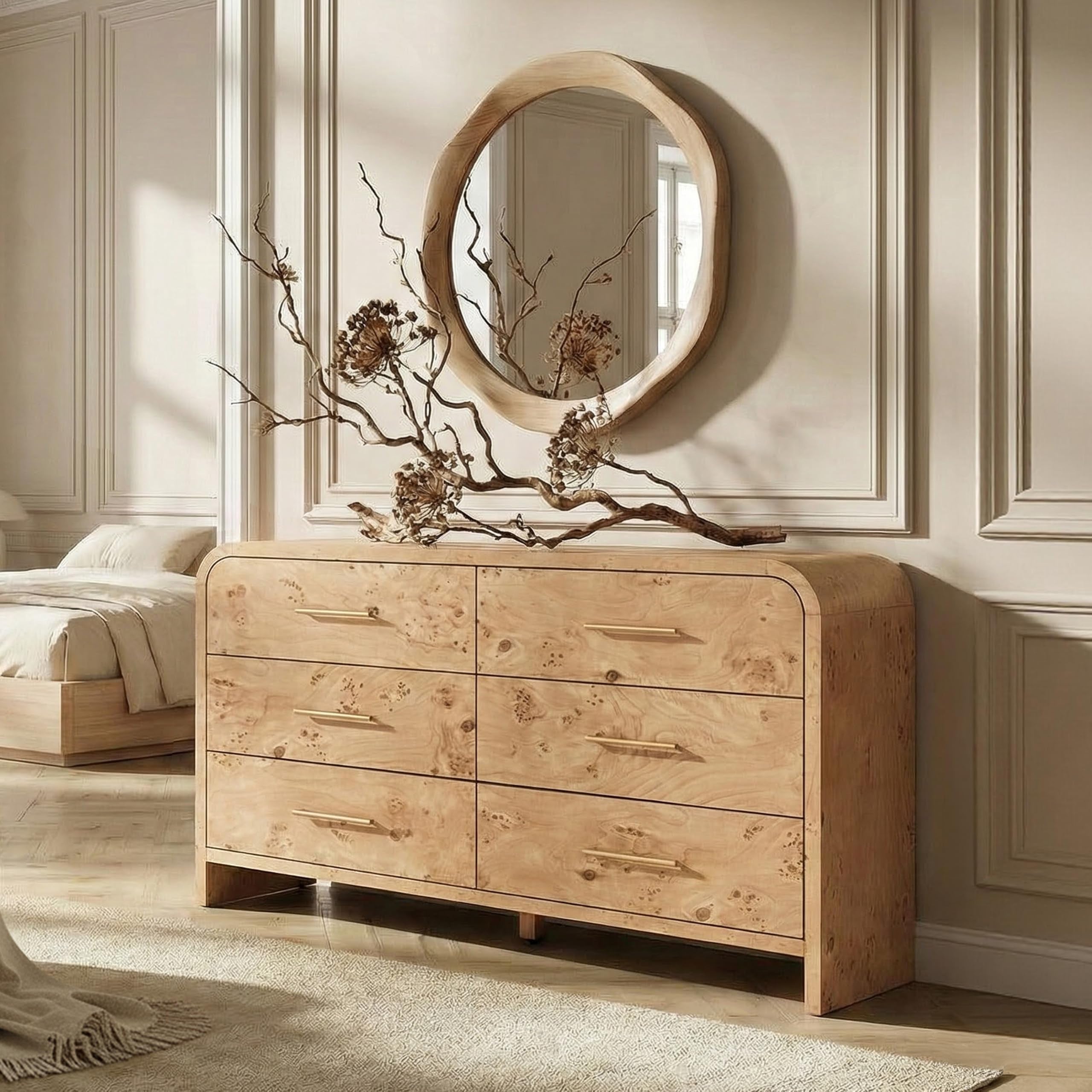
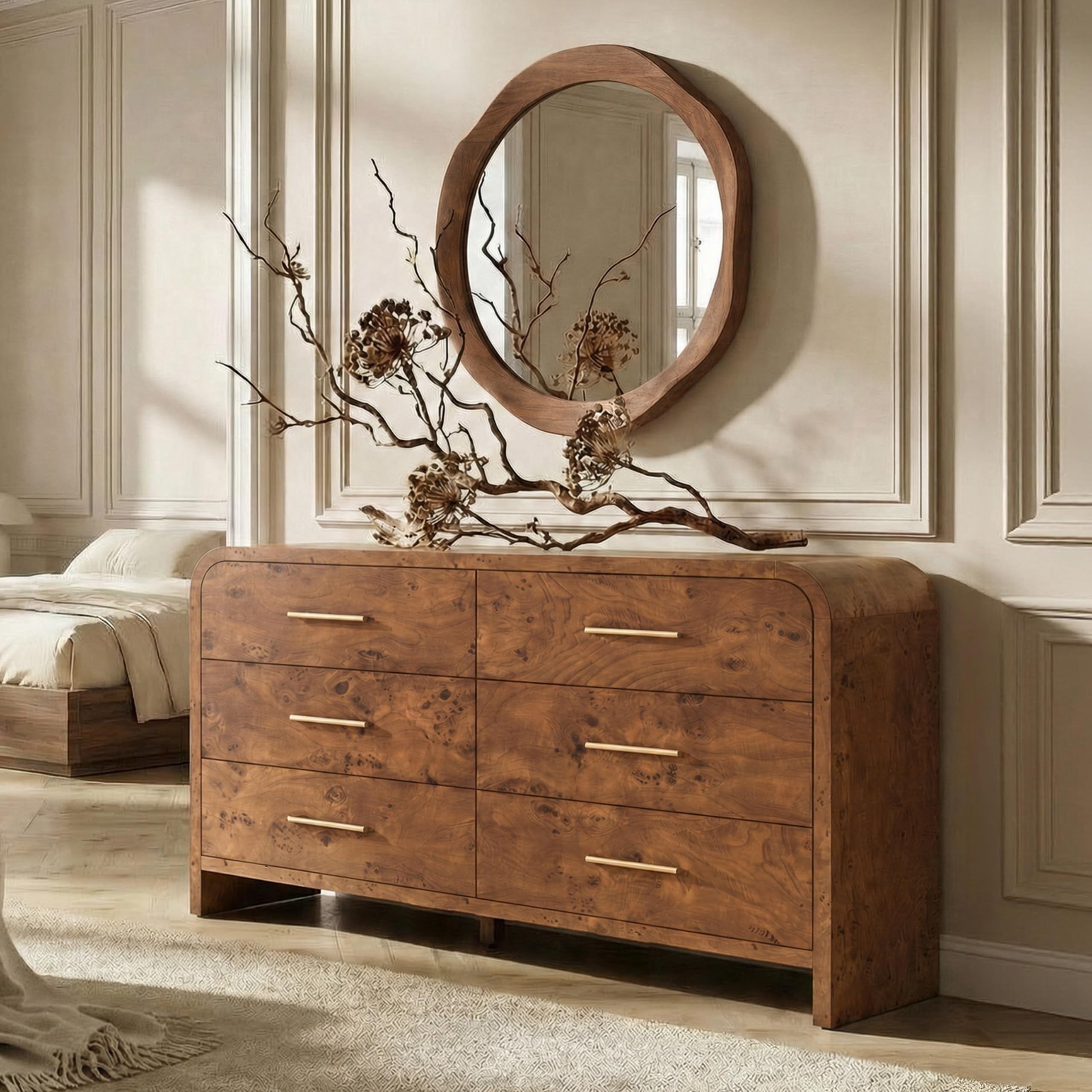
👉 Explore the collection and enjoy a great deal: Arcora Sideboard

