
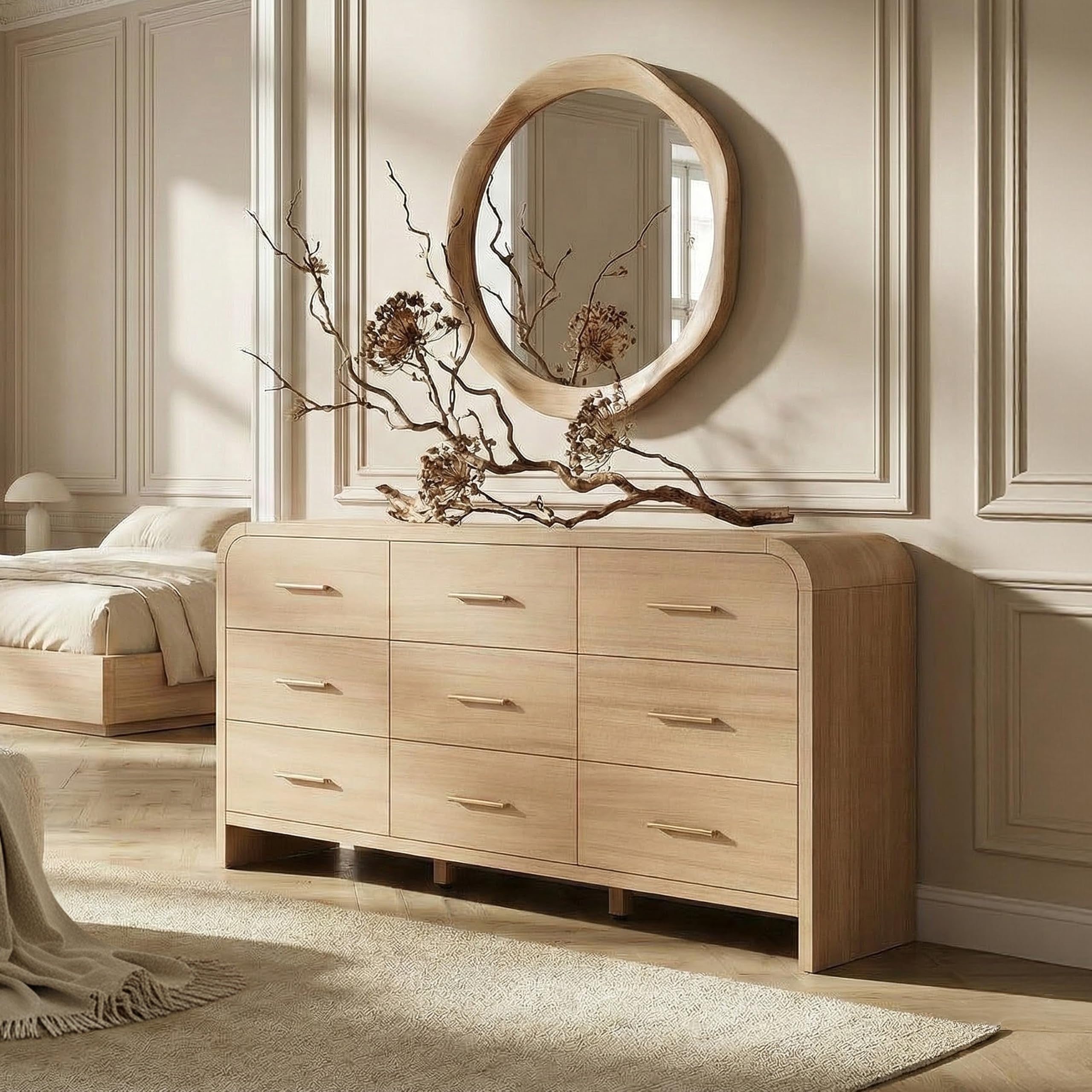
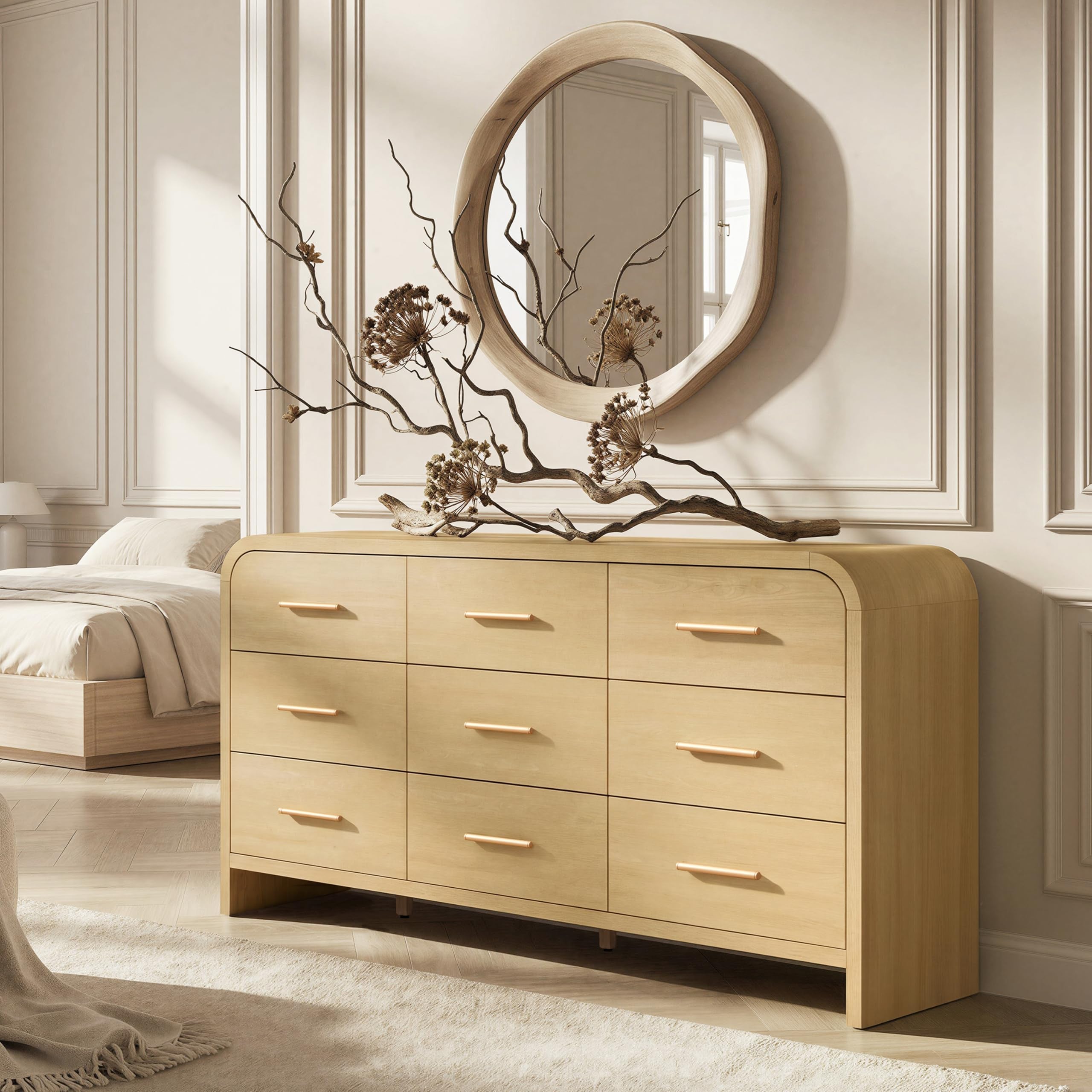
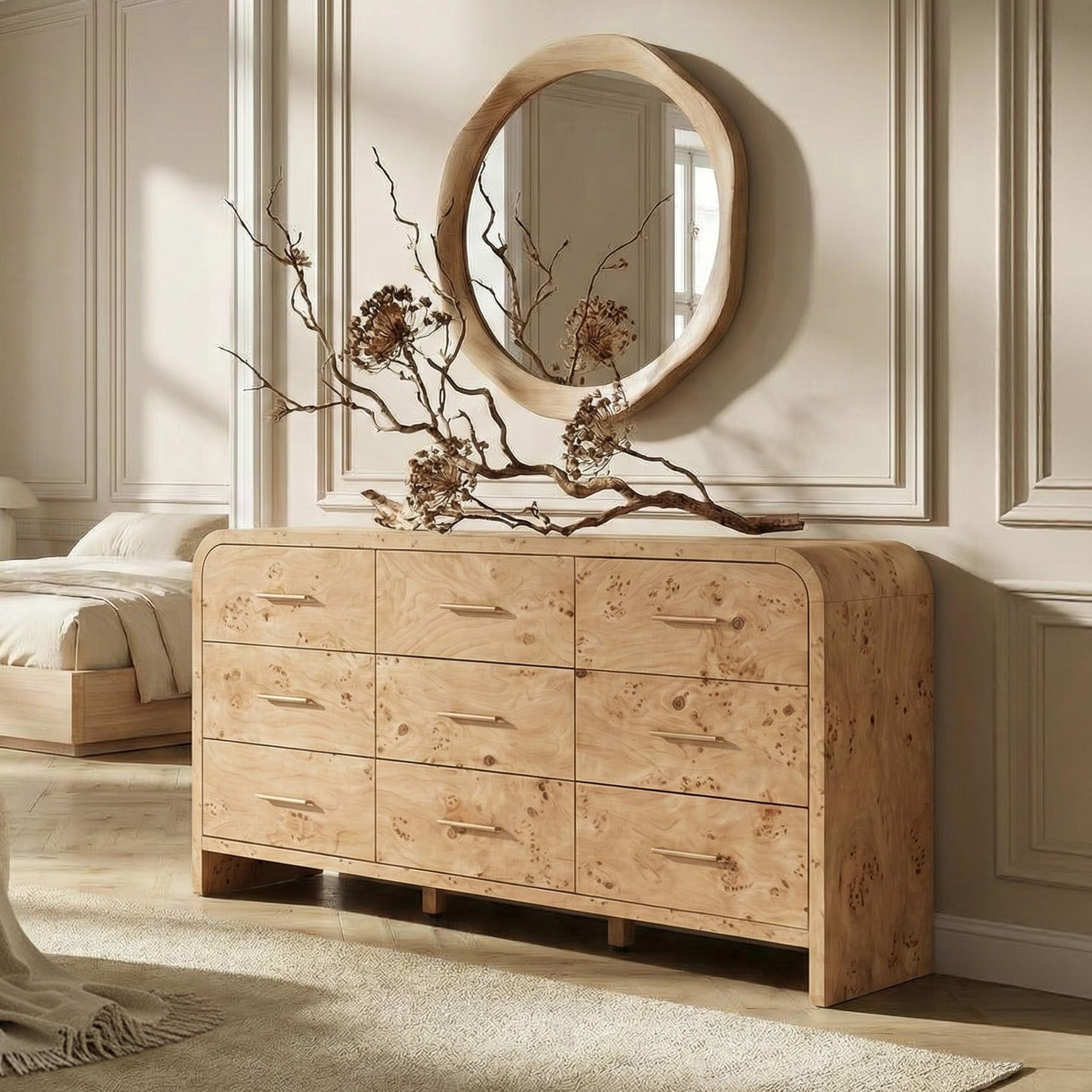
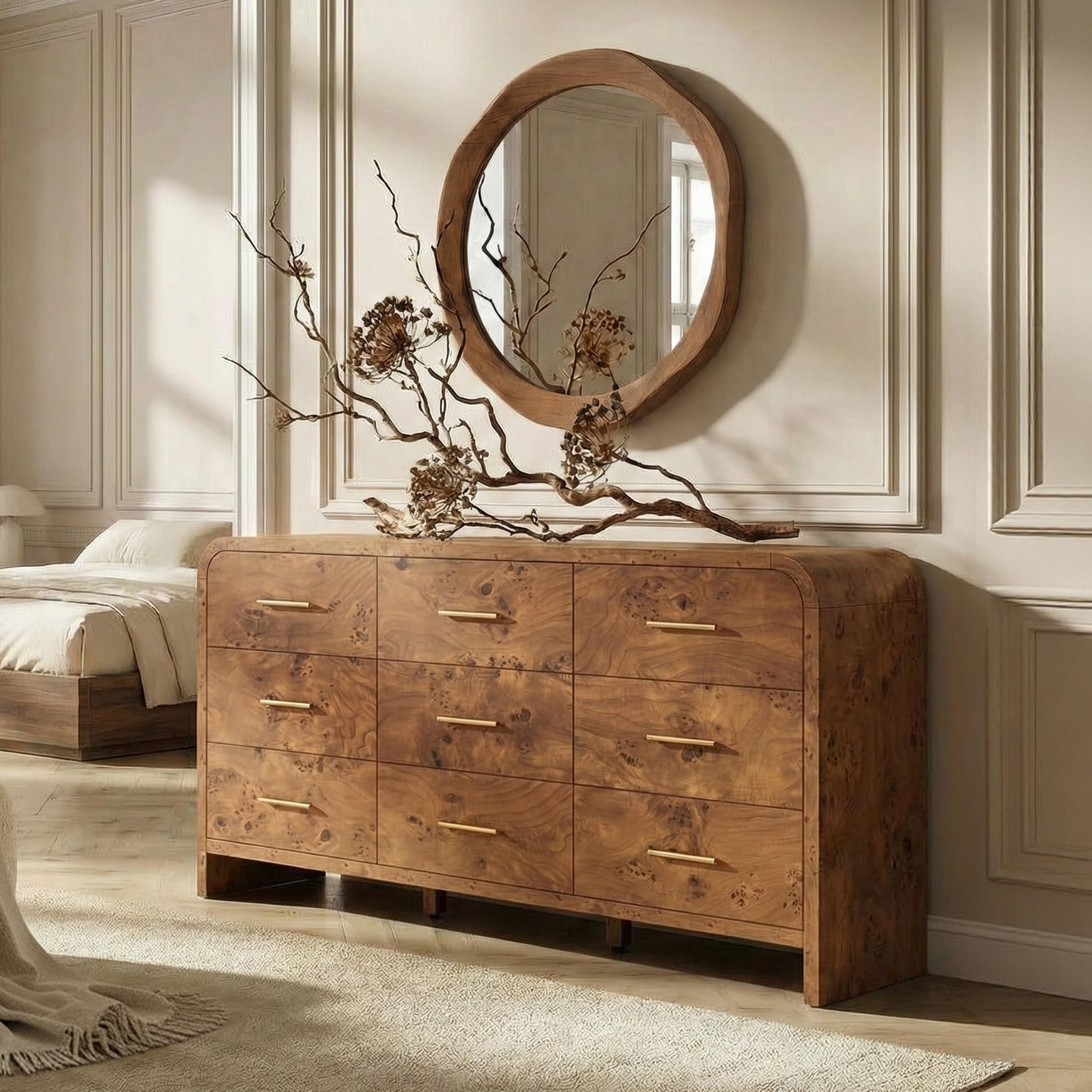
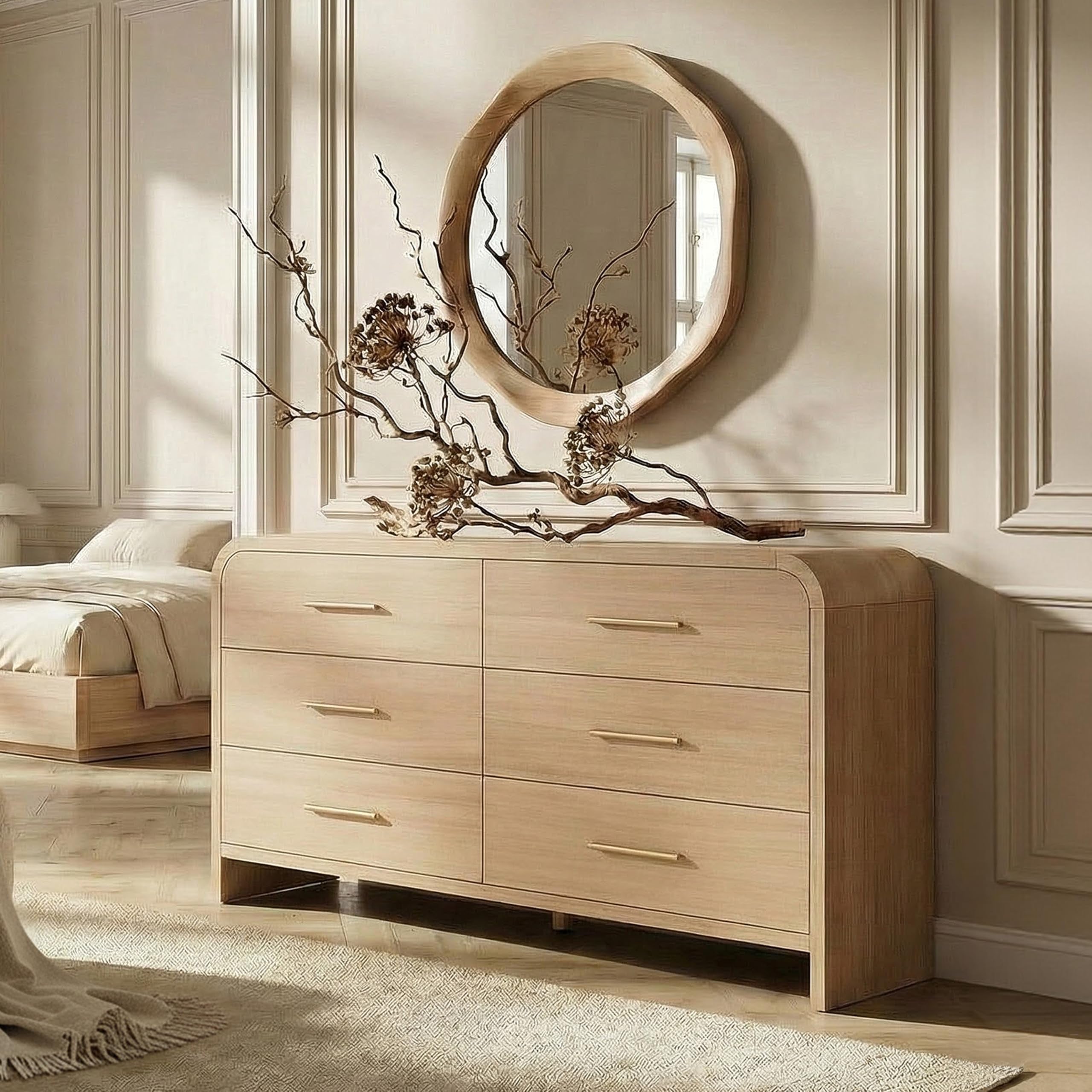
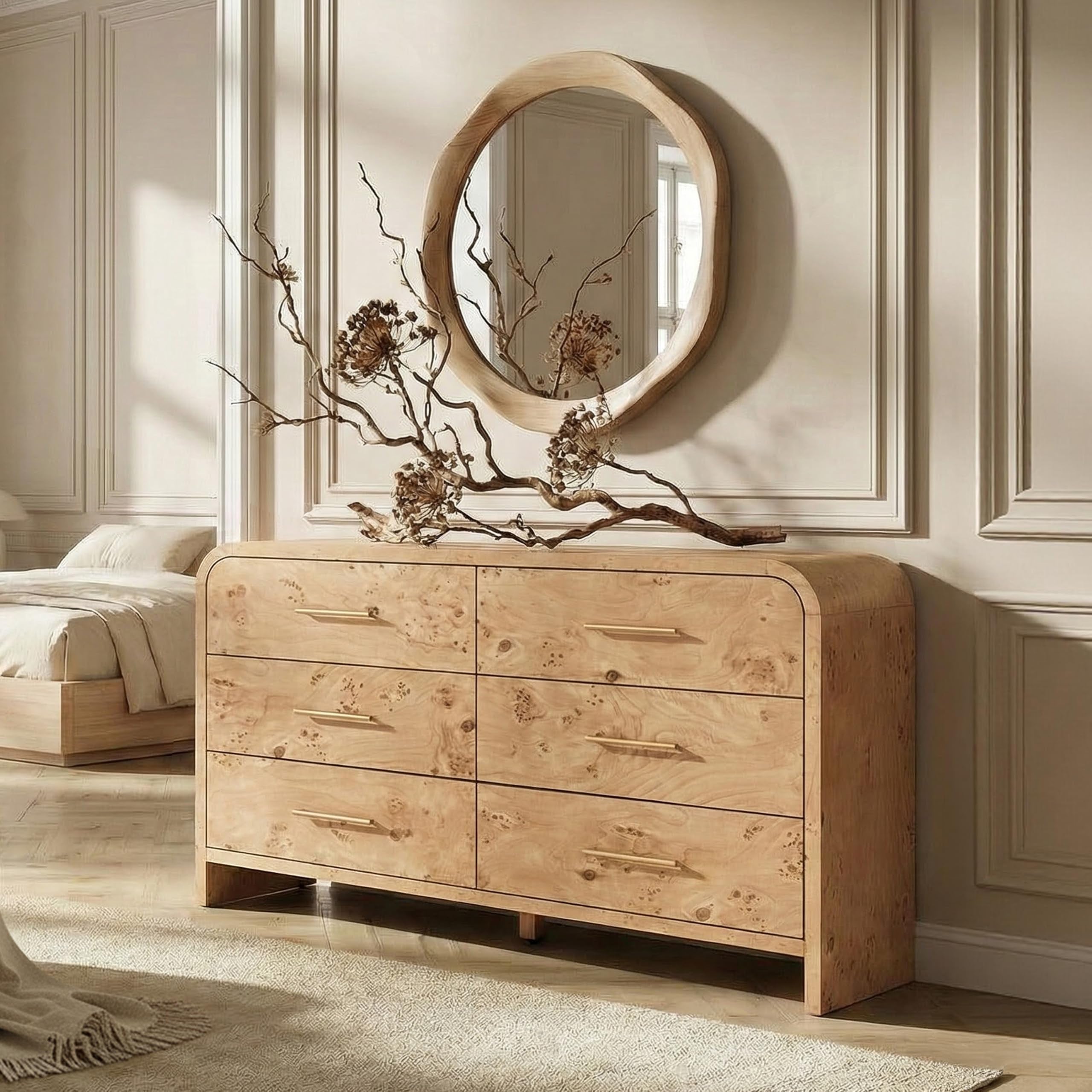
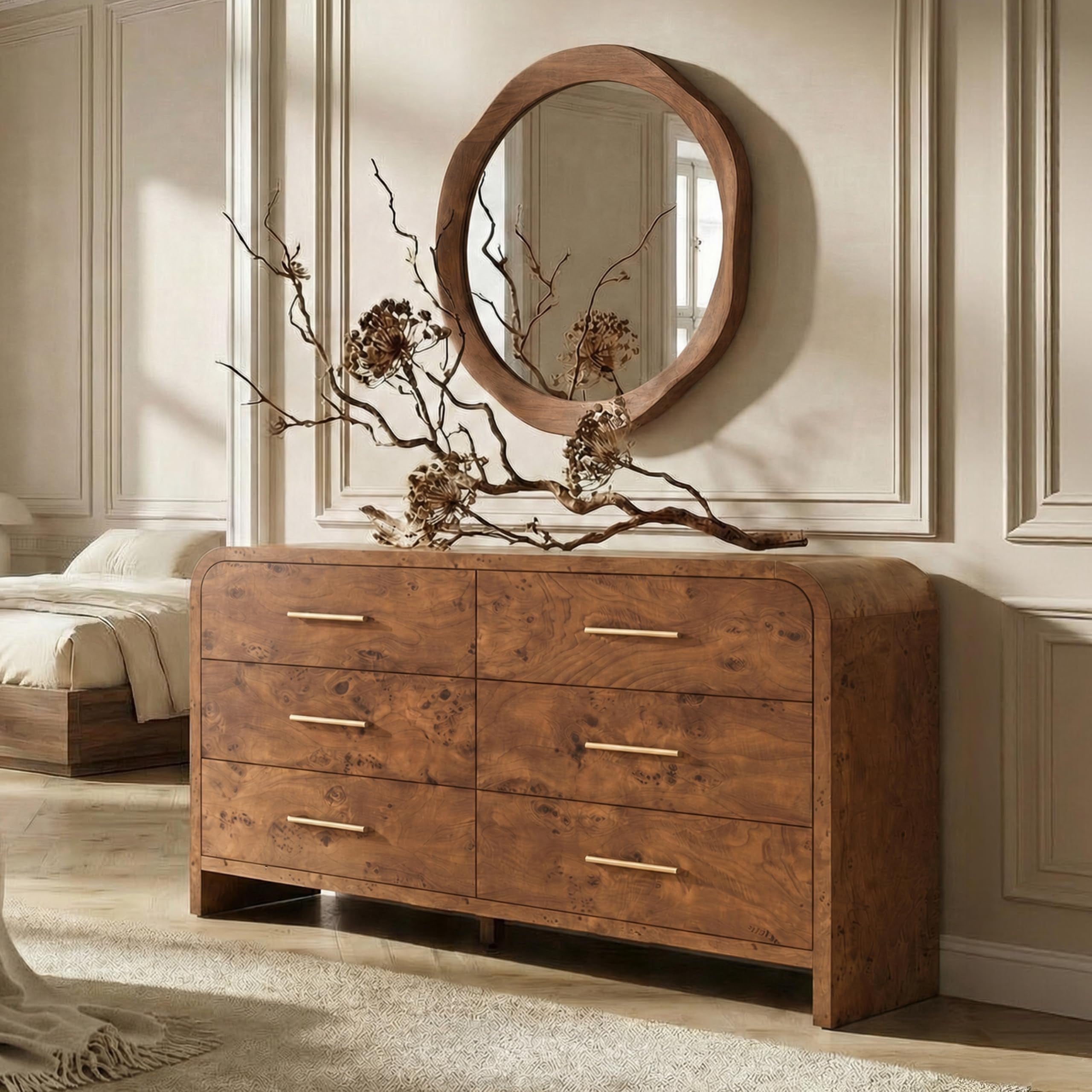


A sideboard can be one of the most useful pieces of furniture in a home—but only when it has the right place.
Put it somewhere without a clear purpose, and it can quickly become another surface for clutter. Place it thoughtfully, and it can provide storage, display space, and visual balance all at once.
So where should a sideboard actually go?
The answer depends less on a specific room and more on what you need the furniture to do.
In the Dining Room: The Classic Choice
The dining room is perhaps the most natural home for a sideboard.
Traditionally, sideboards were used to keep dinnerware, serving pieces, and table linens close to the dining area. Today, they can serve the same practical purpose while also becoming part of the room's design.
A dining room sideboard can hold:
- 🍷 Glassware and serving pieces
- 🍽️ Plates and tableware
- 🕯️ Candles and decorations
- 🧺 Table linens
- 📦 Items you don't use every day
Keeping these things nearby can make hosting dinner or setting the table much easier.
In the Living Room: More Than Storage
A sideboard doesn't have to stay in the dining room.
In a living room, it can provide valuable storage without taking up as much visual space as a larger cabinet.
Consider placing one along:
- An empty wall
- Behind a sofa
- Beneath artwork
- Alongside a larger seating area
It can also become a surface for displaying books, lamps, artwork, plants, or personal objects.
The key is to give the sideboard a purpose instead of simply filling an empty wall.
Near the Entryway: A Practical Drop Zone
If your home has a spacious entryway, a sideboard can provide a useful transition between the outside world and the rest of your home.
It can become a convenient place for everyday items such as:
- 🔑 Keys
- 👜 Bags
- 🕶️ Accessories
- 🪴 Decorative pieces
However, make sure there is enough space around it for people to walk comfortably.
A beautiful sideboard isn't helpful if it turns the entrance into an obstacle course.
In the Bedroom: Unexpected but Useful
A sideboard can also work surprisingly well in a bedroom, particularly when additional storage is needed.
Instead of adding another tall dresser, a lower sideboard can provide storage while keeping the room visually balanced.
It can be useful for:
- Extra clothing
- Accessories
- Bedding
- Books
- Personal belongings
This works especially well in larger bedrooms where a long empty wall needs both function and character.
Think About Proportion Before Placement
One of the most common mistakes is choosing the location first and thinking about size later.
Before bringing a sideboard home, consider:
Wall length
A very small sideboard may look lost on a large wall, while an oversized one can overwhelm a narrow room.
Height
Consider the height of nearby furniture, windows, artwork, and other visual elements.
Walking space
Leave enough room for comfortable movement around the piece.
Door and drawer clearance
Make sure doors and drawers can open fully without hitting other furniture.
Don't Forget the Wall Above It
The space above a sideboard is part of the overall composition.
Depending on the room, you might add:
- A large piece of artwork
- A mirror
- Several smaller framed pieces
- A decorative wall arrangement
- Nothing at all
Sometimes leaving the wall relatively simple allows the sideboard itself to become the focal point.
Not every empty wall needs to be filled.
Match the Sideboard to the Way You Live
The best location isn't necessarily the one that looks best in a photograph.
Think about how you actually use the room.
If you frequently host dinner, keeping storage close to the dining table makes sense.
If your living room collects everyday clutter, a sideboard may be more useful there.
If your entryway constantly becomes a dumping ground, placing practical storage near the entrance could solve a real problem.
Furniture works best when it responds to your habits.
Let Function Decide the Location
There isn't one universally correct place for a sideboard.
The right spot is where it can solve a problem without creating another one.
Before deciding, ask yourself:
- What do I need to store?
- Where do I use those things most often?
- Which wall has enough space?
- Will people still move comfortably around it?
- Does the piece complement the furniture already in the room?
Once you answer those questions, the right location often becomes obvious.
A sideboard shouldn't simply fill an empty space.
It should make the space work better.
👉 Explore the collection and enjoy a great deal:

