
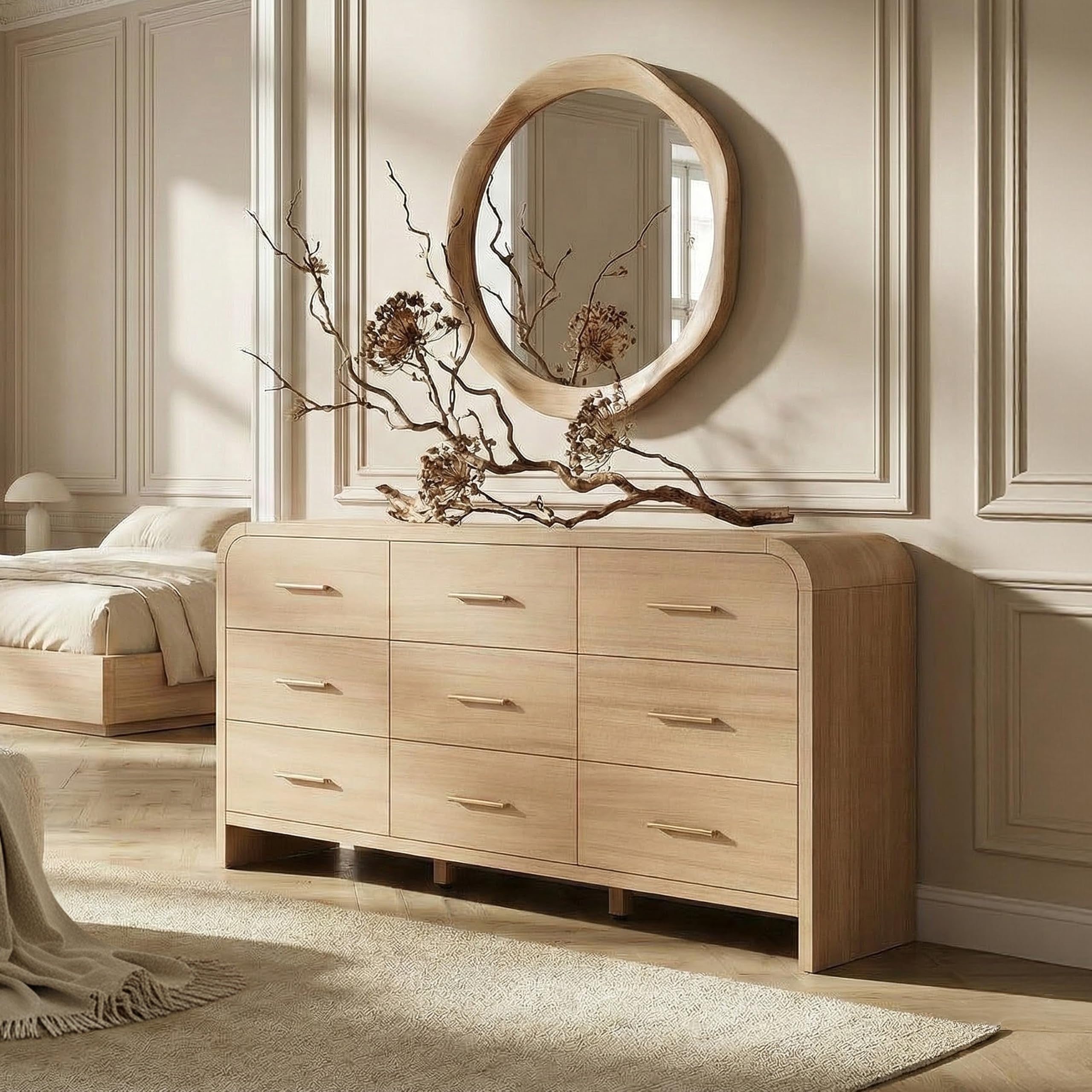
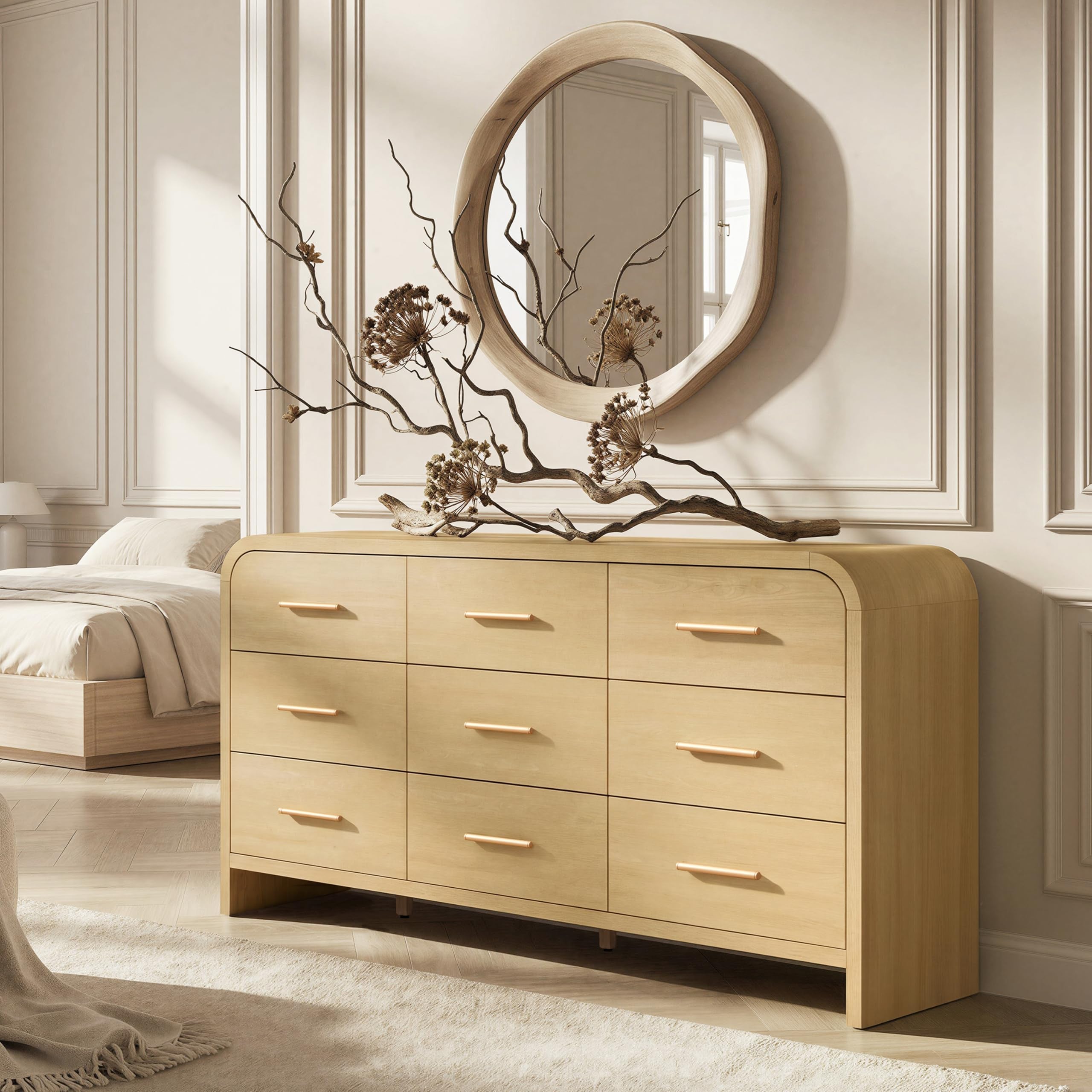
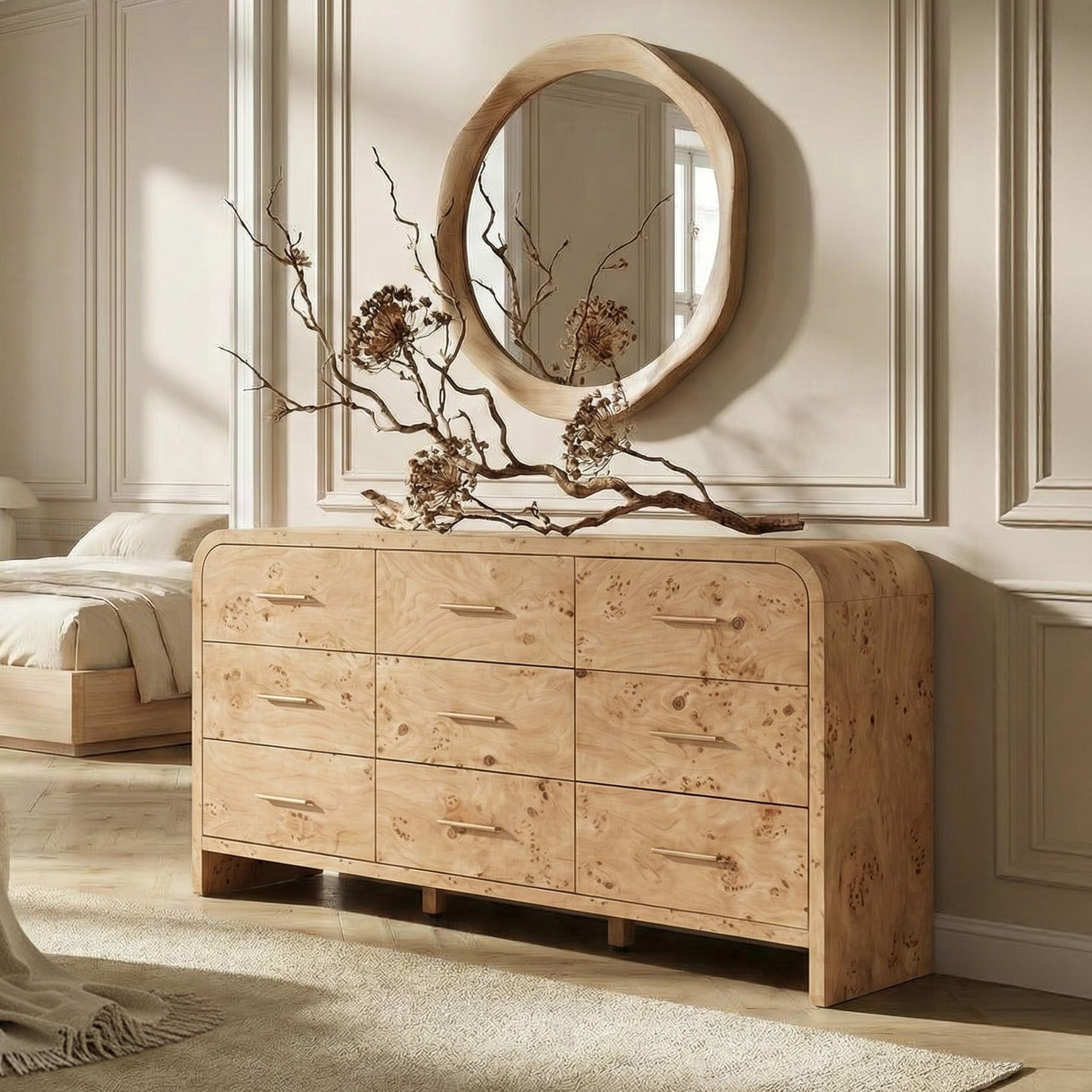
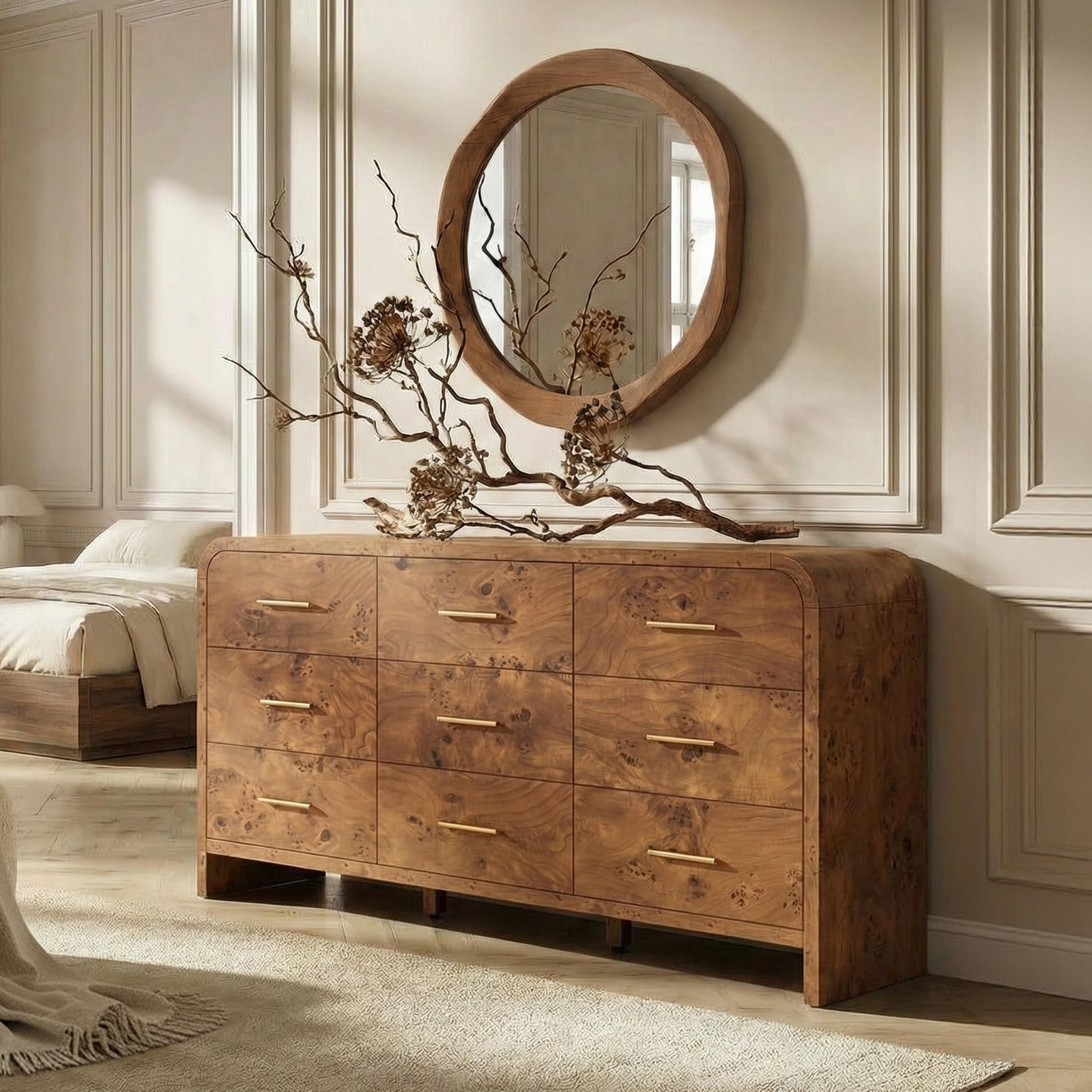
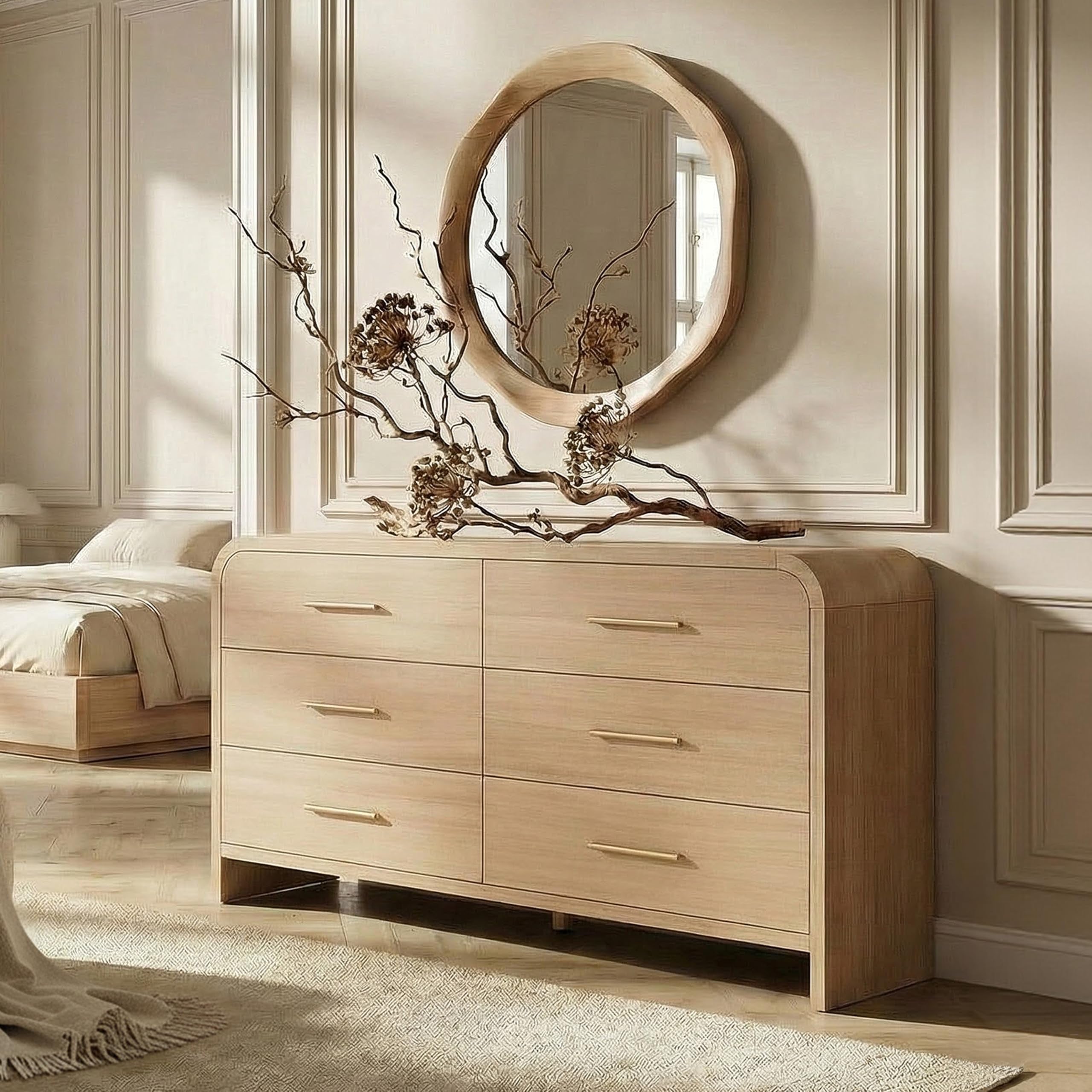
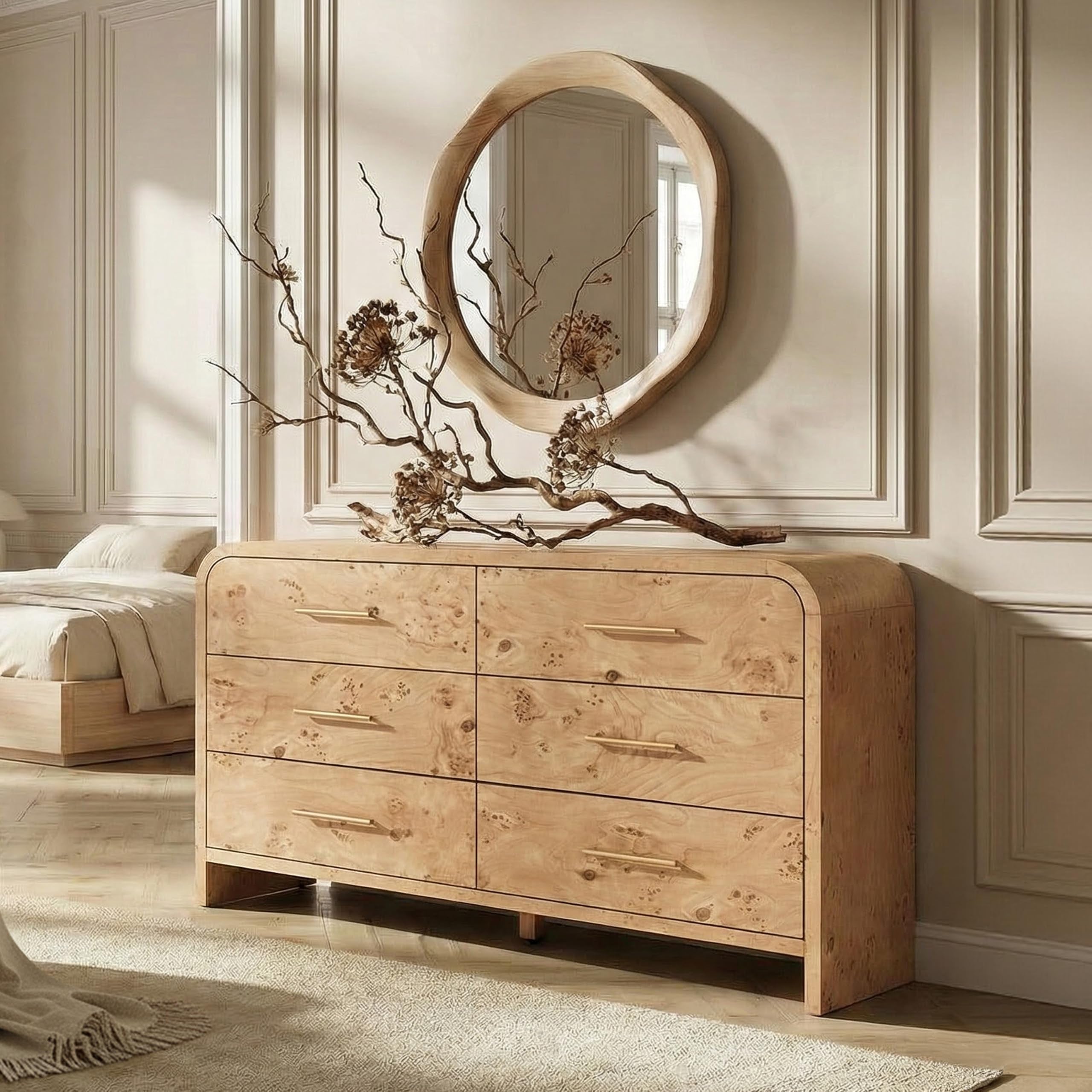
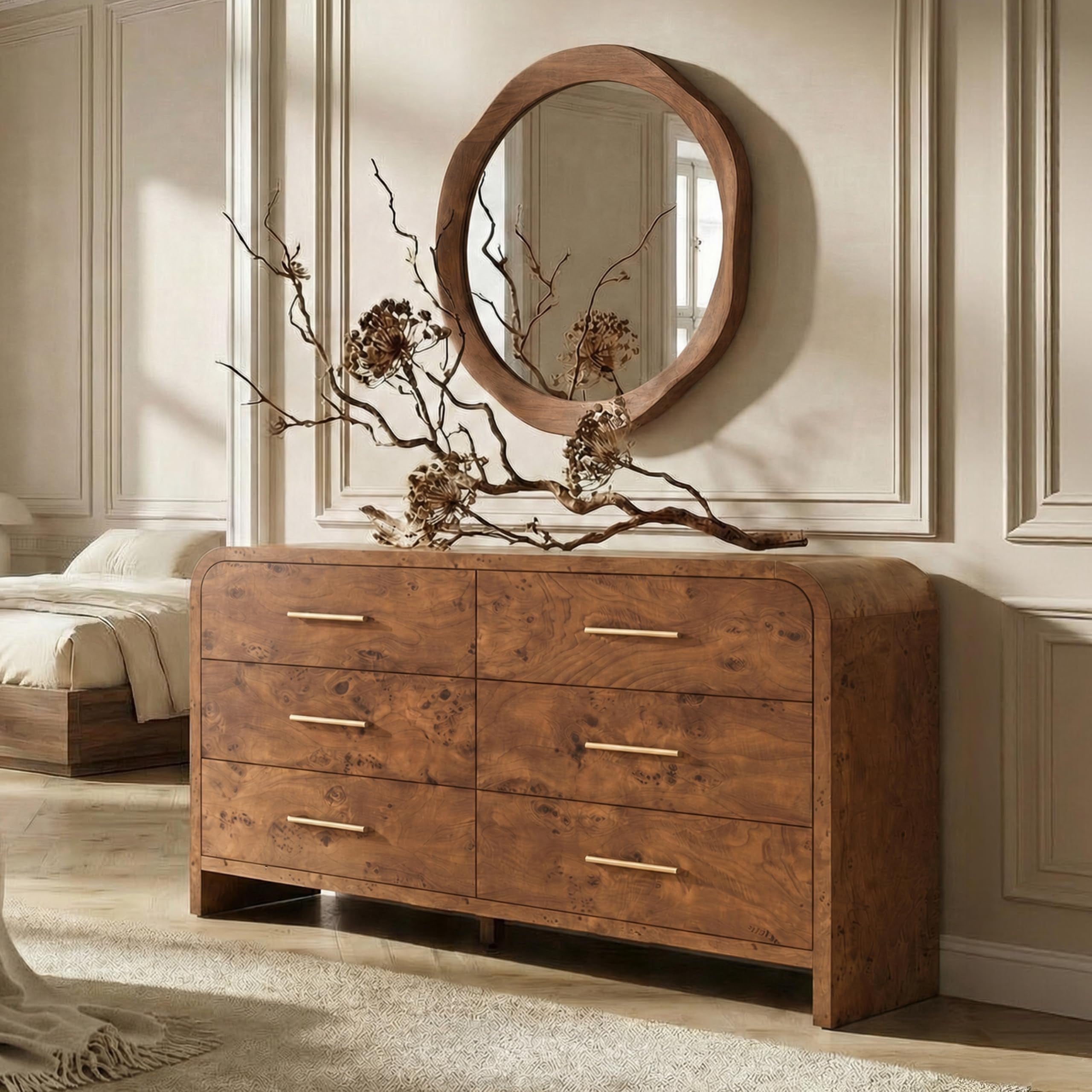


A small room doesn't necessarily have to feel cramped.
Sometimes, the problem isn't the size of the room at all. It's what we put inside it.
A sofa that's slightly too deep, a storage cabinet that takes up too much visual space, or furniture that's pushed against every wall can make an otherwise comfortable room feel crowded.
When space is limited, every furniture choice matters.
The good news is that you don't need to remove everything or completely redesign your home. A few thoughtful changes can make a small room feel more open, balanced, and comfortable.
Oversized Furniture Can Quickly Take Over
One of the most common mistakes in a small room is choosing furniture based only on how much seating or storage it provides.
A large sectional may look beautiful in a spacious showroom, but in a smaller living room, its deep frame and wide arms can dominate the entire space.
Before buying a larger piece, consider more than its width.
Look at:
- Overall depth
- Armrest size
- Back height
- Clearance around the furniture
- How much floor space remains
A piece that fits technically may still make the room feel visually heavy.
Furniture That Is Too Deep Can Be a Problem
Width gets most of the attention when people measure a room.
Depth can be just as important.
A deep sofa or oversized cabinet can extend farther into the room than expected, reducing walking space and making furniture feel closer together.
For smaller spaces, furniture with a more streamlined depth can help preserve an open path through the room.
Before purchasing, measure the entire footprint—not just the front width.
Then use those measurements to imagine how the piece will interact with the rest of the room.
Blocking Pathways Makes a Room Feel Smaller
Even when there is technically enough floor space, poor furniture placement can make a room feel difficult to move through.
A coffee table that's too close to the sofa, a chair blocking a doorway, or a cabinet placed directly along a major walking path can create visual and physical congestion.
Think about how you actually move through the room.
The best layout isn't necessarily the one that fills every corner.
It's the one that allows people to move naturally from one area to another.
Too Much Storage Can Create Visual Weight
Storage is essential, especially in smaller homes.
But adding more and more cabinets isn't always the best solution.
Multiple tall storage pieces can make walls feel crowded and draw attention away from the open space around them.
Instead, think about choosing fewer pieces that provide meaningful storage.
A well-designed sideboard, dresser, or cabinet can often do more for a room than several smaller storage units scattered throughout it.
The goal is to make storage feel intentional rather than accumulated.
Too Many Small Pieces Can Make a Room Look Busy
It may seem logical to choose several small furniture pieces for a small room.
But sometimes, the opposite approach works better.
A room filled with a small sofa, several little tables, multiple stools, and separate storage pieces can create too many visual breaks.
One or two well-proportioned pieces may actually make the room feel calmer.
This doesn't mean every small room needs oversized furniture.
It means fewer, better-chosen pieces can create a stronger sense of space.
Don't Ignore Visual Space
Furniture takes up physical space, but it also takes up visual space.
Dark, bulky, solid furniture can feel heavier than furniture with lighter proportions or more open detailing.
This doesn't mean you need to avoid darker colors altogether.
Instead, consider how different elements work together.
For example, pairing a substantial storage piece with lighter surrounding furniture, open floor space, or simple décor can help create balance.
The goal isn't to make every piece disappear.
It's to prevent one piece from visually overwhelming the room.
Matching Everything Can Make a Small Room Feel Flat
A perfectly matching furniture set may seem like the safest option.
But when every piece has the same size, shape, color, and visual weight, a small room can sometimes feel more like a showroom than a home.
Instead, introduce subtle differences.
Mix materials, vary heights, or combine different furniture shapes while keeping a consistent overall style.
A little contrast gives the eye somewhere to move.
And that can make the room feel more layered without adding more furniture.
Leave Some Space Empty
One of the hardest lessons in small-space design is learning that empty space is useful.
You don't have to fill every wall.
You don't need a piece of furniture in every corner.
An open area around a sofa or cabinet can actually make the entire room feel larger.
Think of empty floor space as part of your design rather than wasted space.
Sometimes removing one unnecessary piece of furniture can have a bigger impact than adding another decorative item.
Choose Furniture That Works With the Room
The best furniture isn't necessarily the smallest furniture.
It's furniture that fits the proportions and lifestyle of the space.
Before bringing something home, ask yourself:
Does this piece give me something I actually need without taking more space than necessary?
If the answer is yes, it has earned its place.
At Cozyshome, we believe furniture should make everyday spaces feel more comfortable, personal, and functional—not simply fill them.
A small room can still have character.
It can still feel warm.
It can still have beautiful furniture.
The key is choosing pieces that leave enough room for the most important thing of all: living in the space.
Small Space, Thoughtful Choices
A small room doesn't have to feel like a collection of compromises.
With the right proportions, thoughtful placement, and a little restraint, even a compact space can feel inviting and comfortable.
Instead of asking, “How much furniture can I fit here?”
Try asking:
“What furniture will help this room feel better to live in?”
That small change in perspective can make a surprisingly big difference.
👉 Explore the collection and enjoy a great deal: Curved 5-Drawer Dresser Dark Burl

