
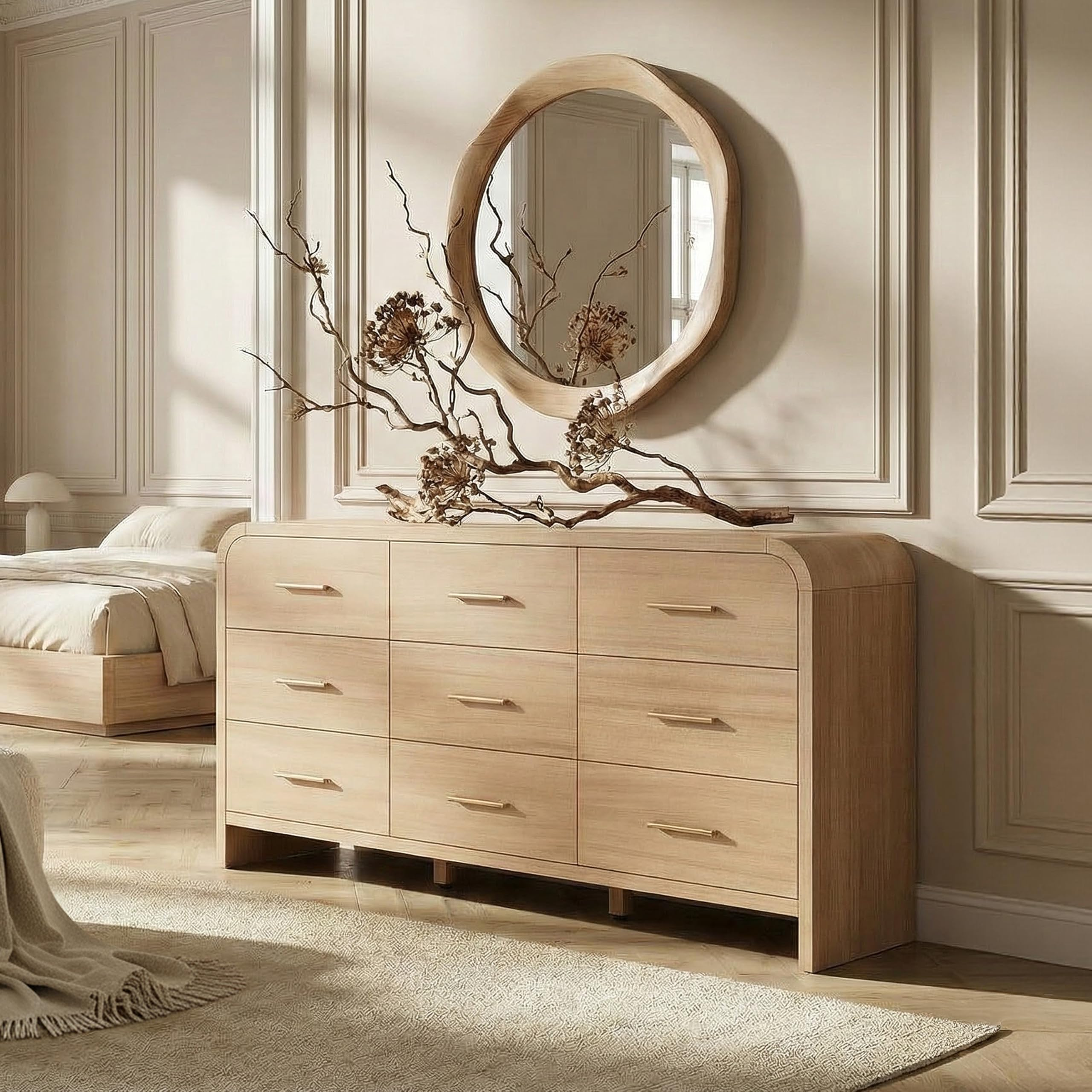
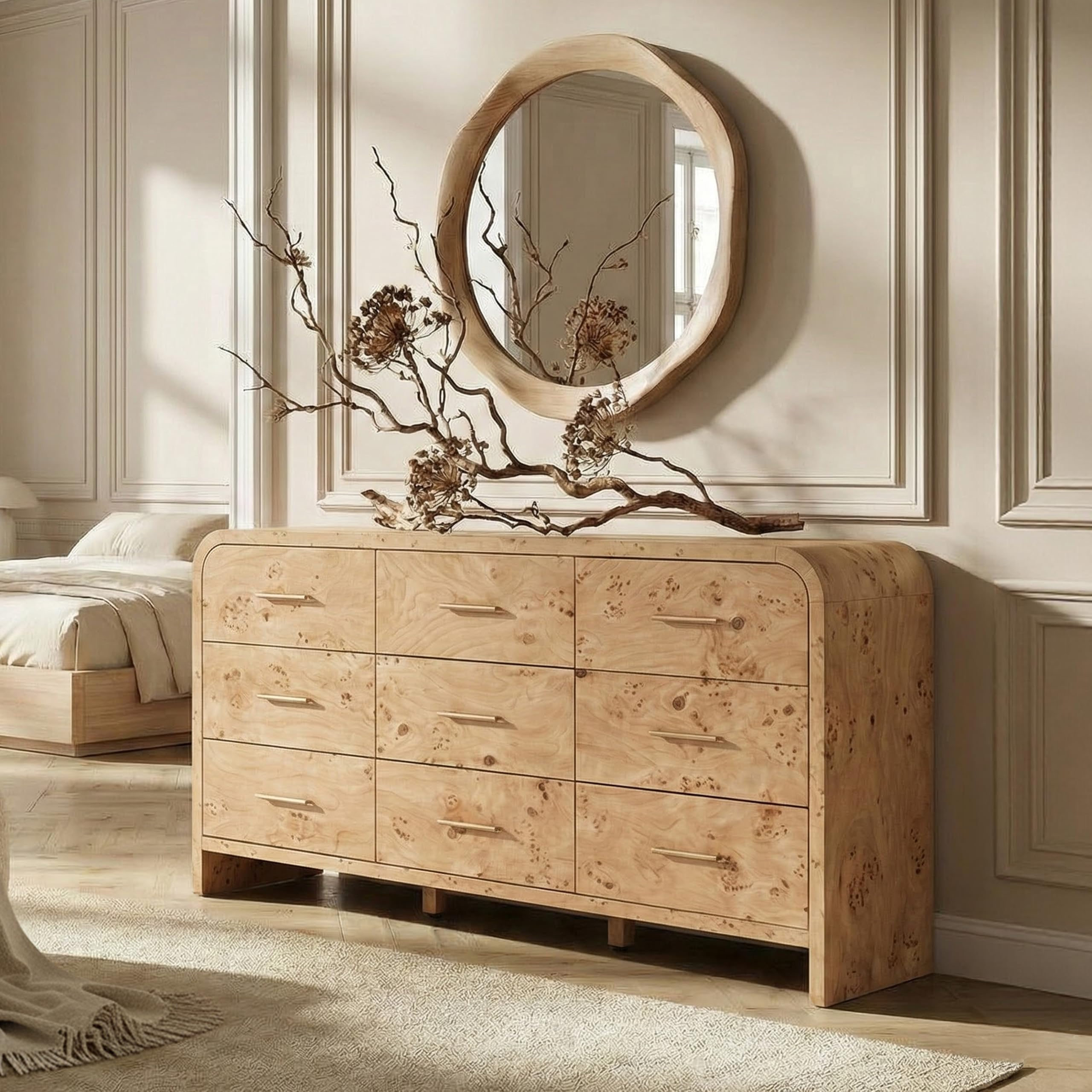
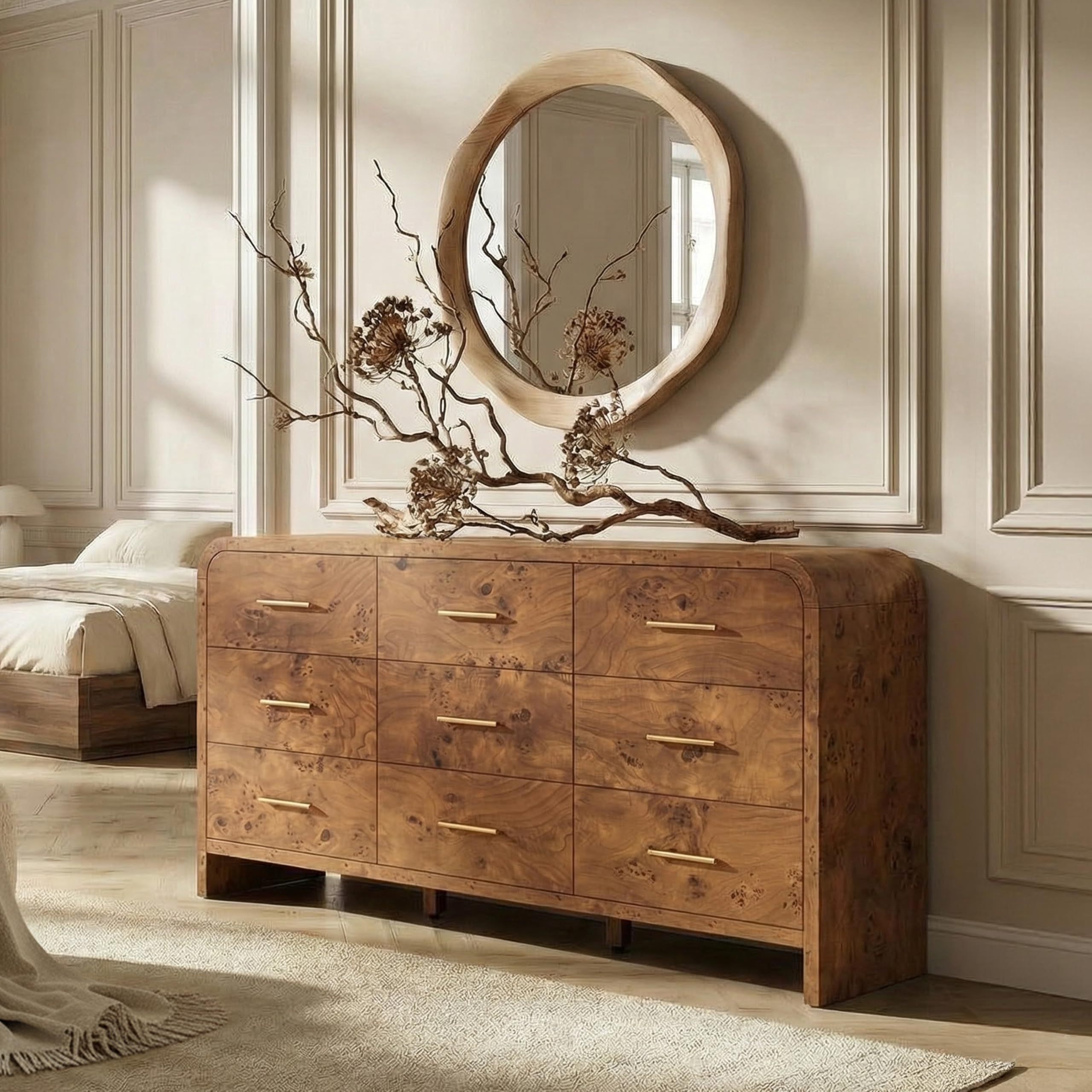
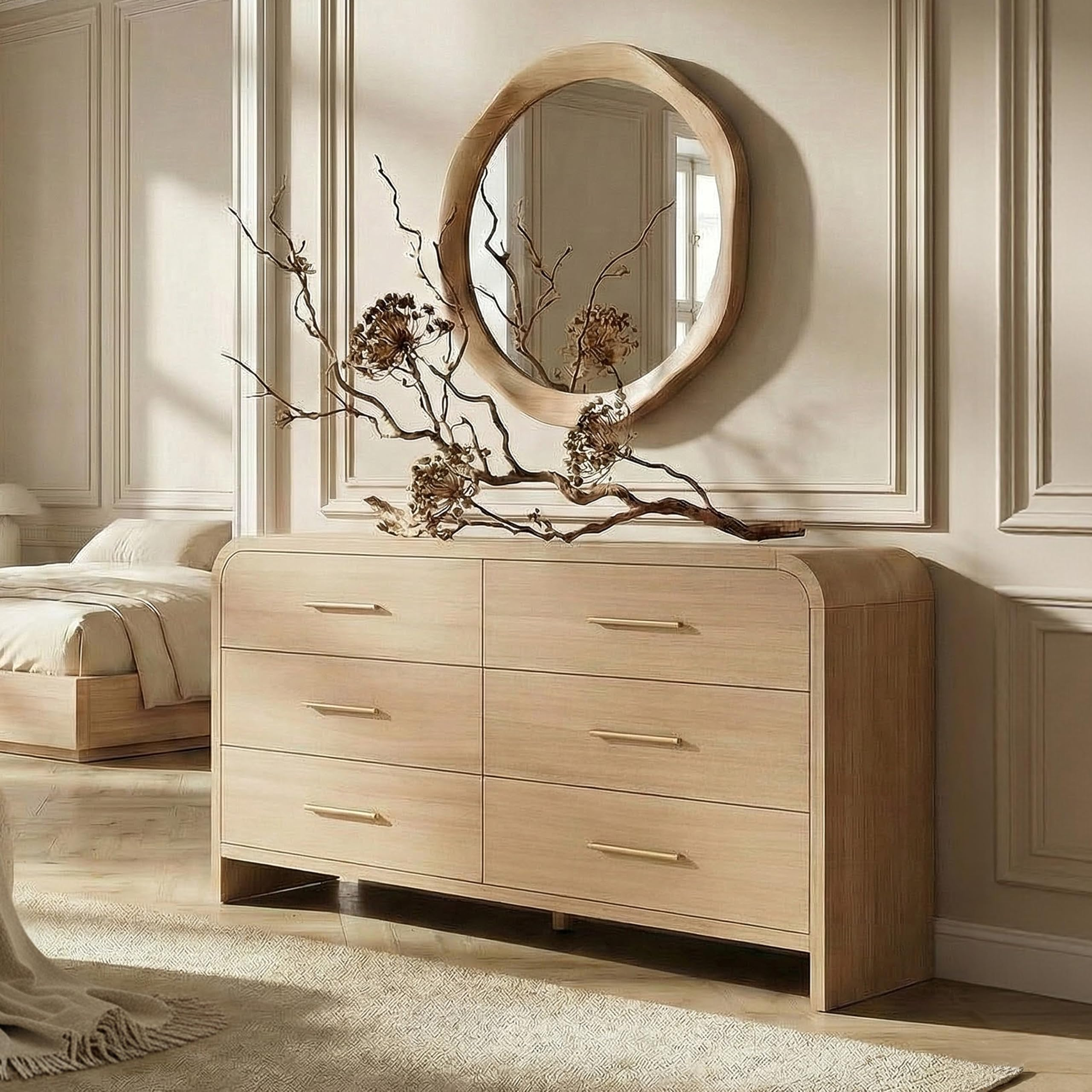
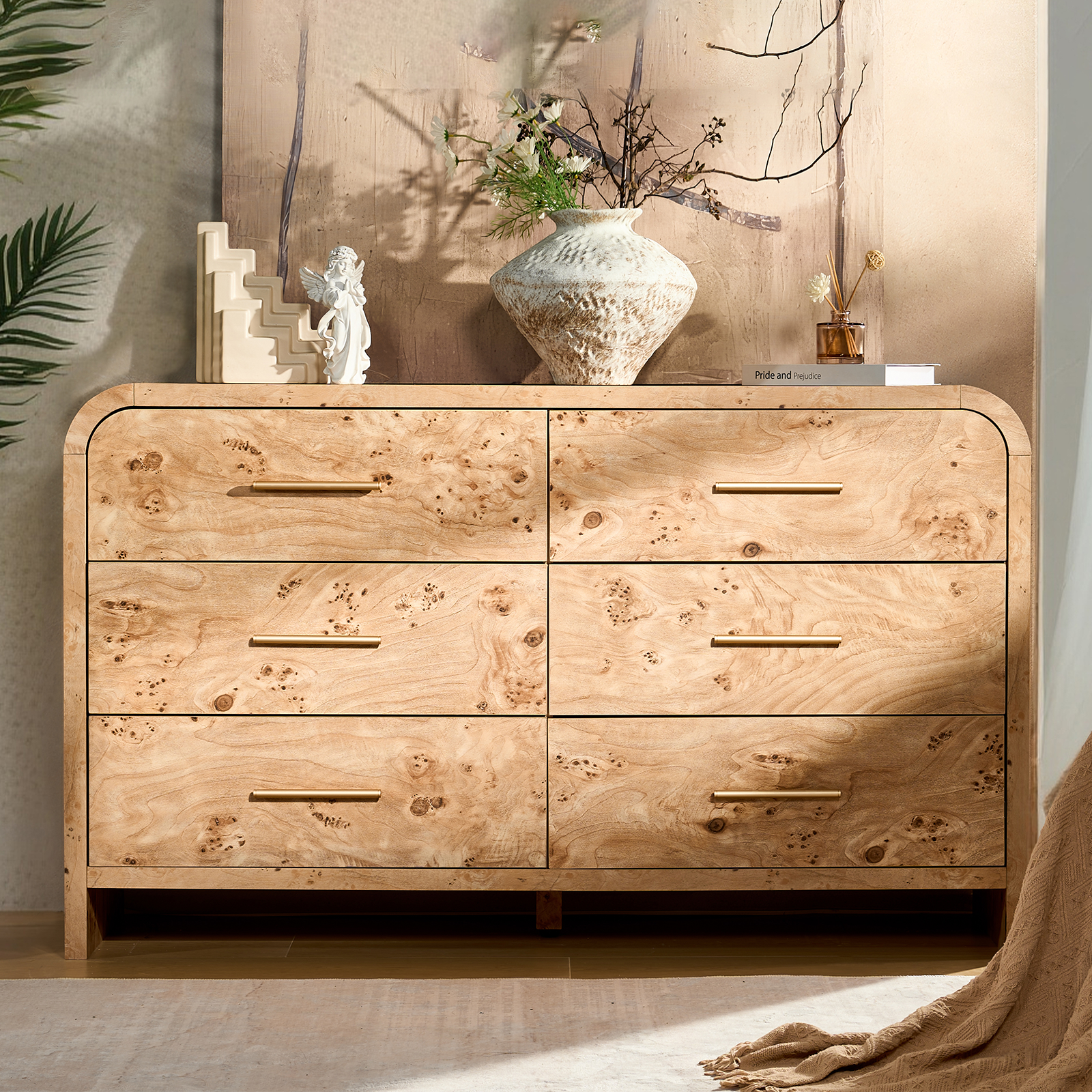
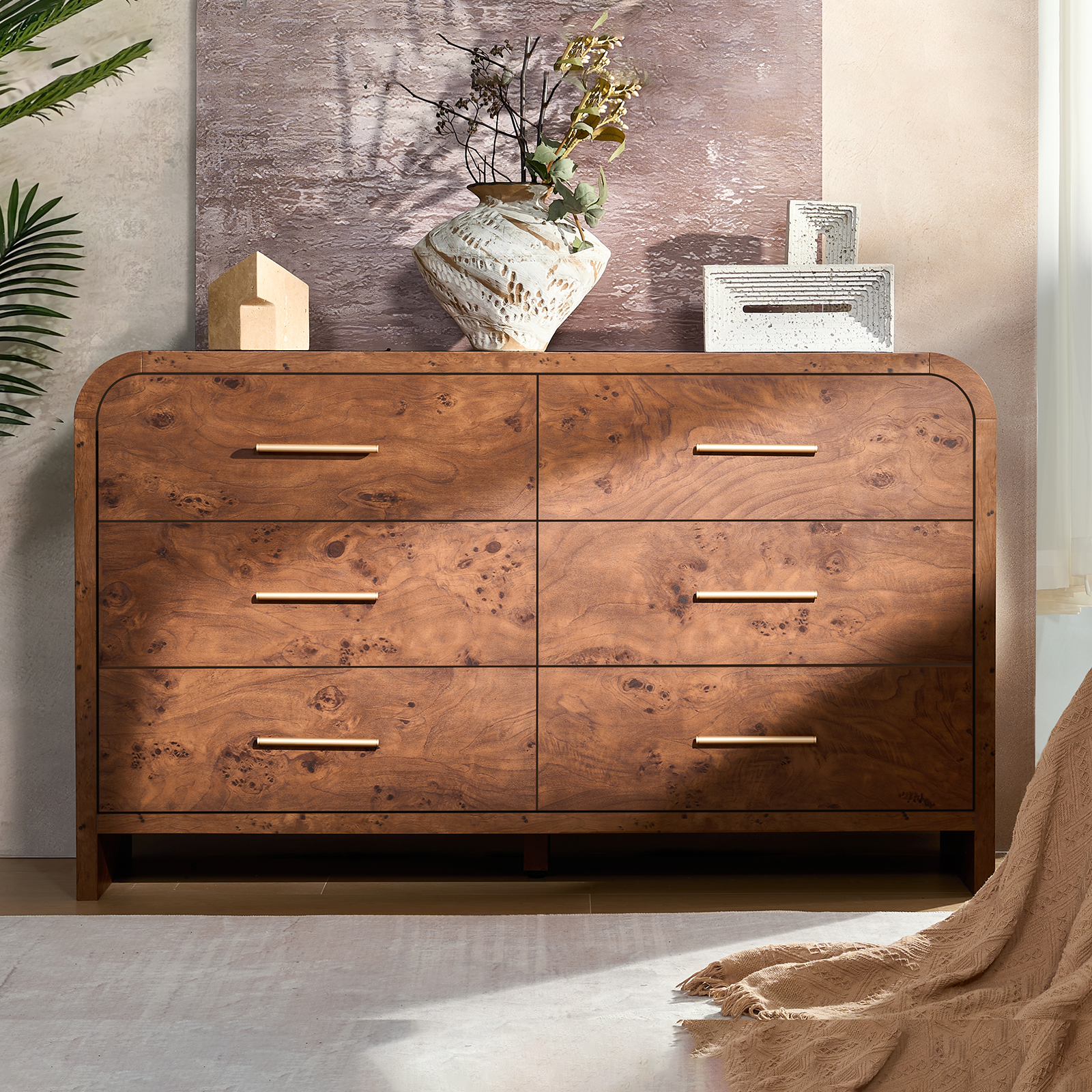
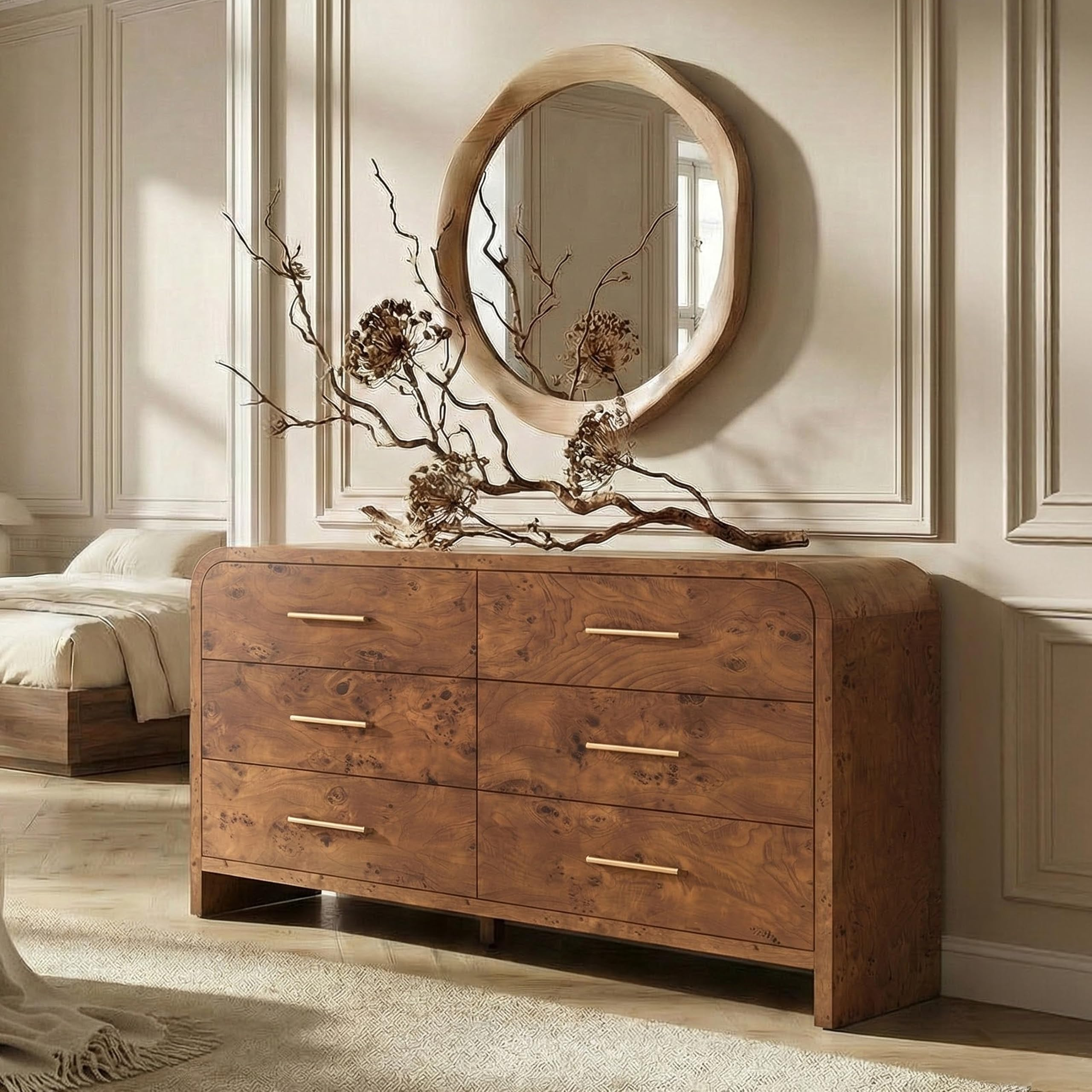


Choosing between light wood and dark wood is one of the most common decisions when designing a home.
At first, it may seem like a simple style preference. But in reality, wood tone affects how a room feels—its brightness, mood, and even how spacious it appears.
There is no universally “better” choice. The right option depends on how you live and what kind of atmosphere you want to create.
👉 Explore the collection and enjoy a great deal: Ripple 6-Drawer Dresser
Light Wood: Bright, Open, and Natural
Light wood is often associated with airiness and simplicity.
It works especially well in spaces where you want to create a sense of openness.
What light wood brings to a home:
- makes rooms feel brighter
- creates a more open visual space
- pairs well with modern or minimalist styles
- enhances natural light in the room
Light wood is often chosen for smaller spaces or homes that aim for a clean, calm aesthetic.
It feels light not only visually, but emotionally as well.
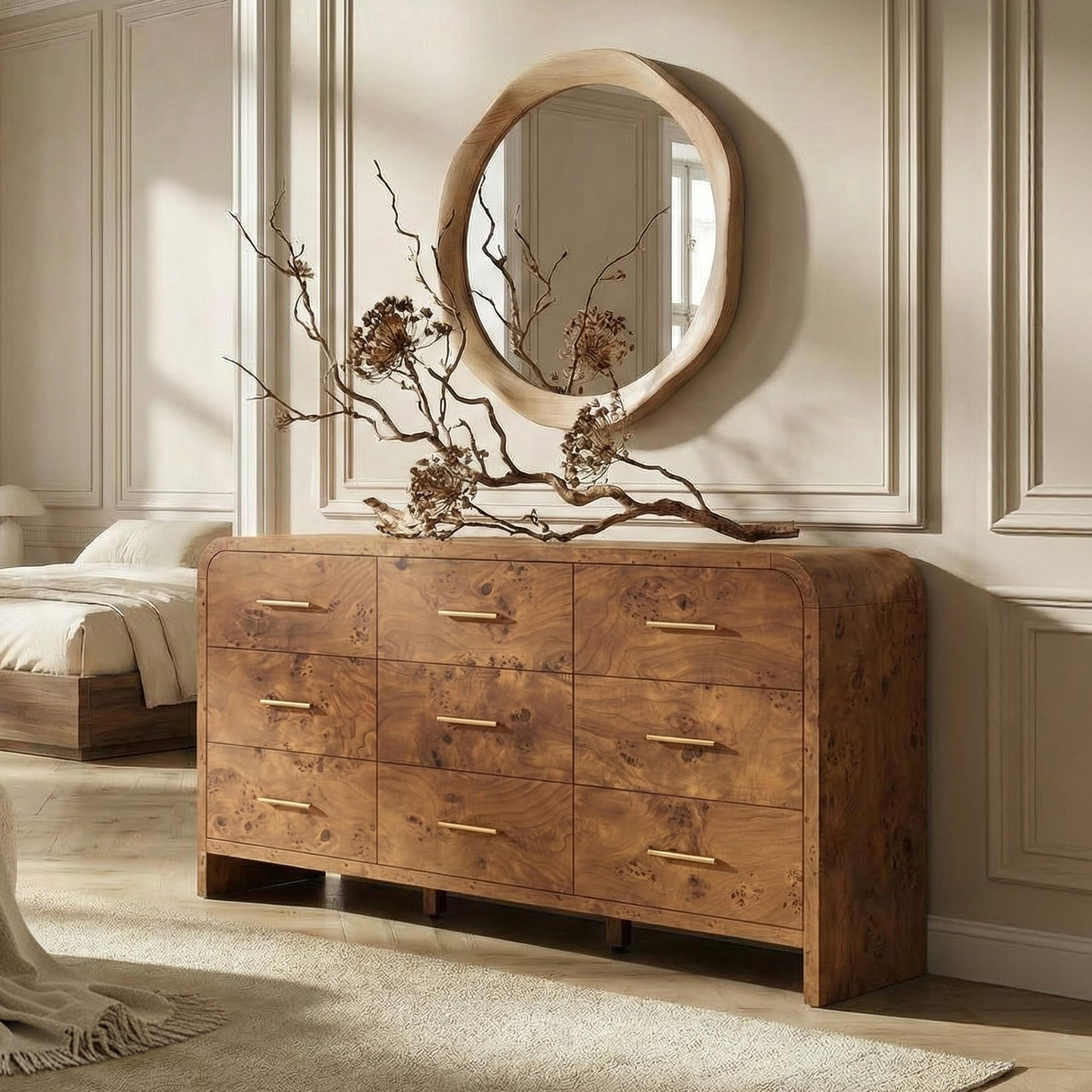
Dark Wood: Warm, Grounded, and Elegant
Dark wood brings depth and a stronger visual presence.
It tends to make a space feel more grounded and structured.
What dark wood brings to a home:
- adds warmth and richness
- creates a sense of stability
- works well in traditional or classic interiors
- pairs nicely with soft lighting and neutral tones
Dark wood often feels more intimate, especially in the evening or under warm lighting.
How Light and Dark Wood Change the Feeling of Space
The same room can feel very different depending on wood tone.
Light wood tends to:
- expand visual space
- feel more open and breathable
- emphasize simplicity
Dark wood tends to:
- visually anchor the room
- create contrast and depth
- feel more enclosed and cozy
It’s not just about color—it’s about atmosphere.
Many Homes Work Best With a Mix
In real interiors, the choice is rarely strictly one or the other.
Many well-designed homes combine both:
- light wood flooring with darker furniture
- dark wood tables with light surrounding decor
- layered tones for visual balance
Mixing tones thoughtfully can make a space feel more natural and less uniform.
Consider Your Lifestyle, Not Just Your Style
When choosing between light and dark wood, think about how you use your space:
- Do you prefer bright, open environments?
- Do you want a calm, cozy atmosphere?
- How much natural light does your home receive?
- Do you like minimal or rich, layered interiors?
Your daily experience matters more than design trends.
Furniture Is Where Wood Tone Becomes Real
Wood tone is most noticeable in furniture pieces like:
- dressers
- sideboards
- dining tables
- nightstands
These pieces set the visual foundation of a room, so choosing the right tone has a big impact on the overall feel of your home.
Final Thoughts
Light wood and dark wood are not competing choices—they simply create different moods.
Light wood brings openness and clarity.
Dark wood brings warmth and depth.
The best choice is the one that fits how you want your home to feel every day.
Explore Natural Wood Furniture in Every Tone
Discover furniture collections designed in both light and dark wood finishes—crafted to help you build a home that feels balanced, warm, and truly your own.
👉 Explore the collection and enjoy a great deal: Ripple 6-Drawer Dresser
