
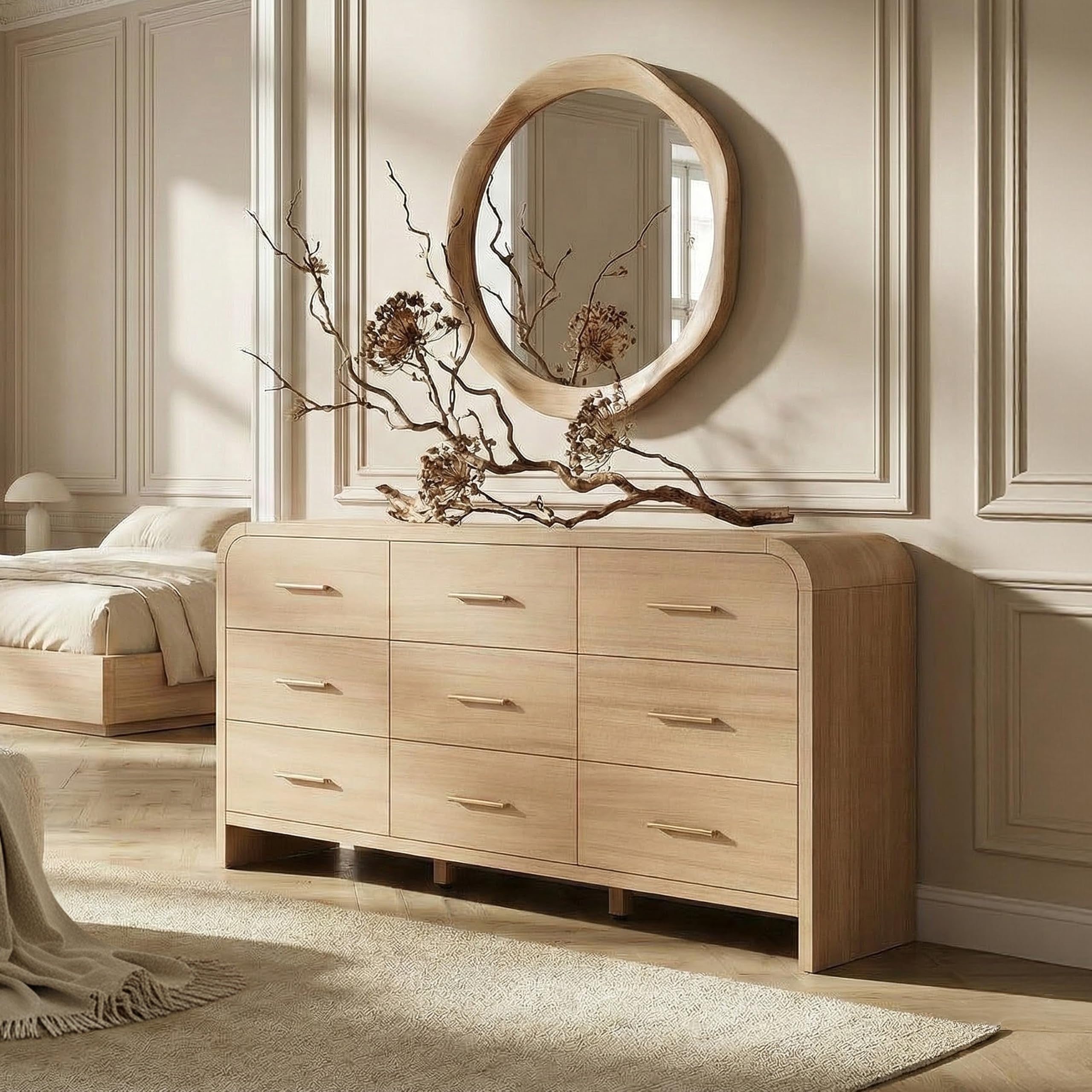
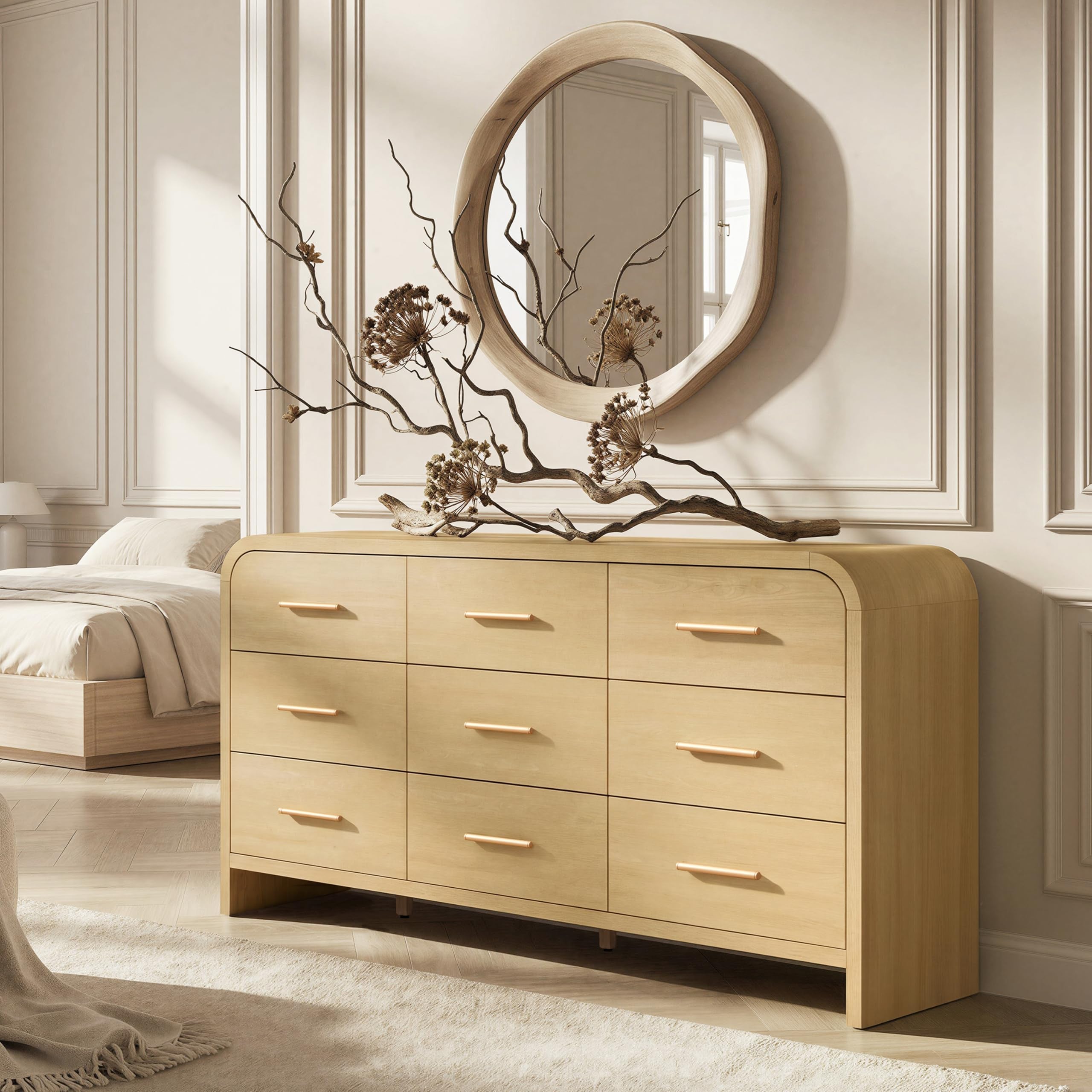
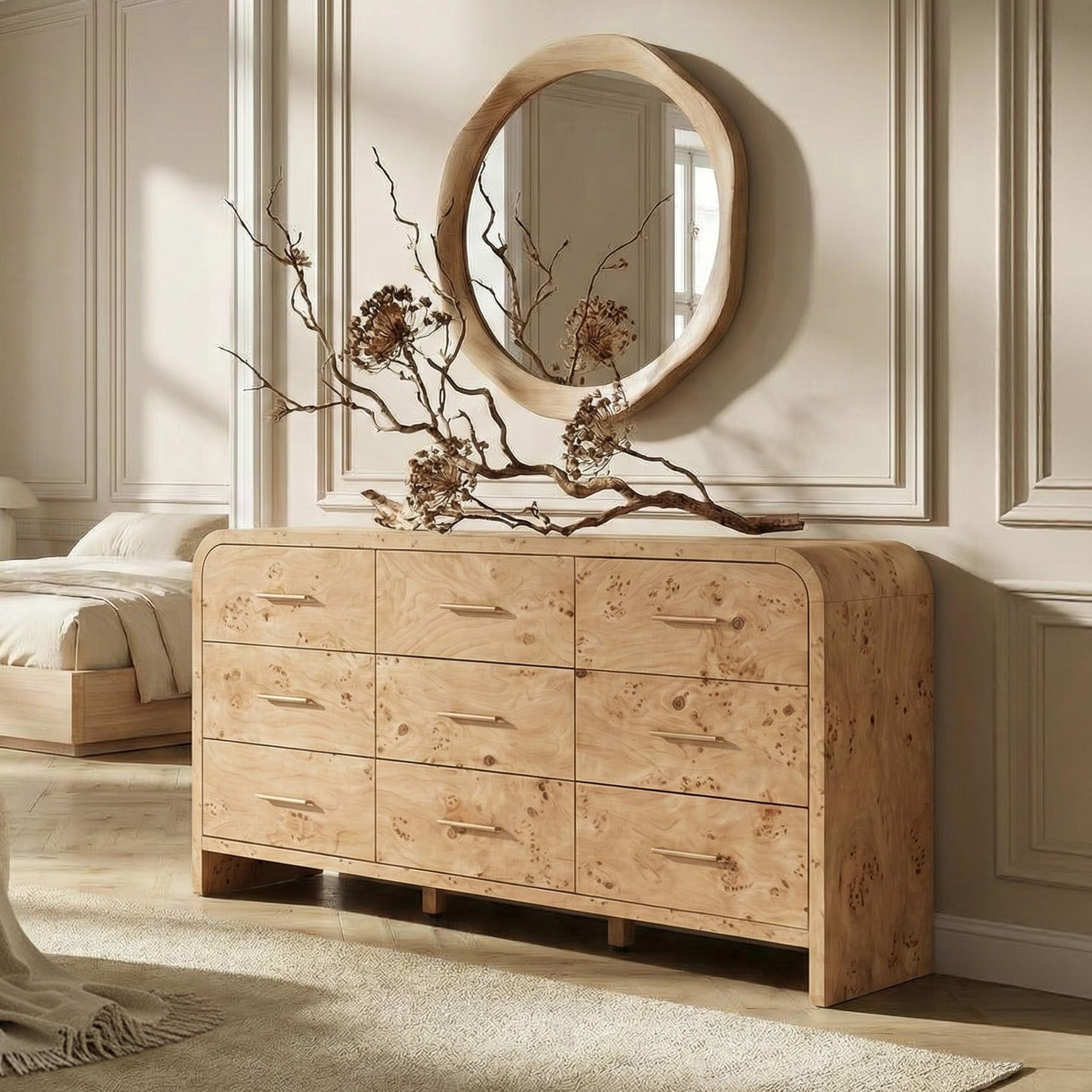
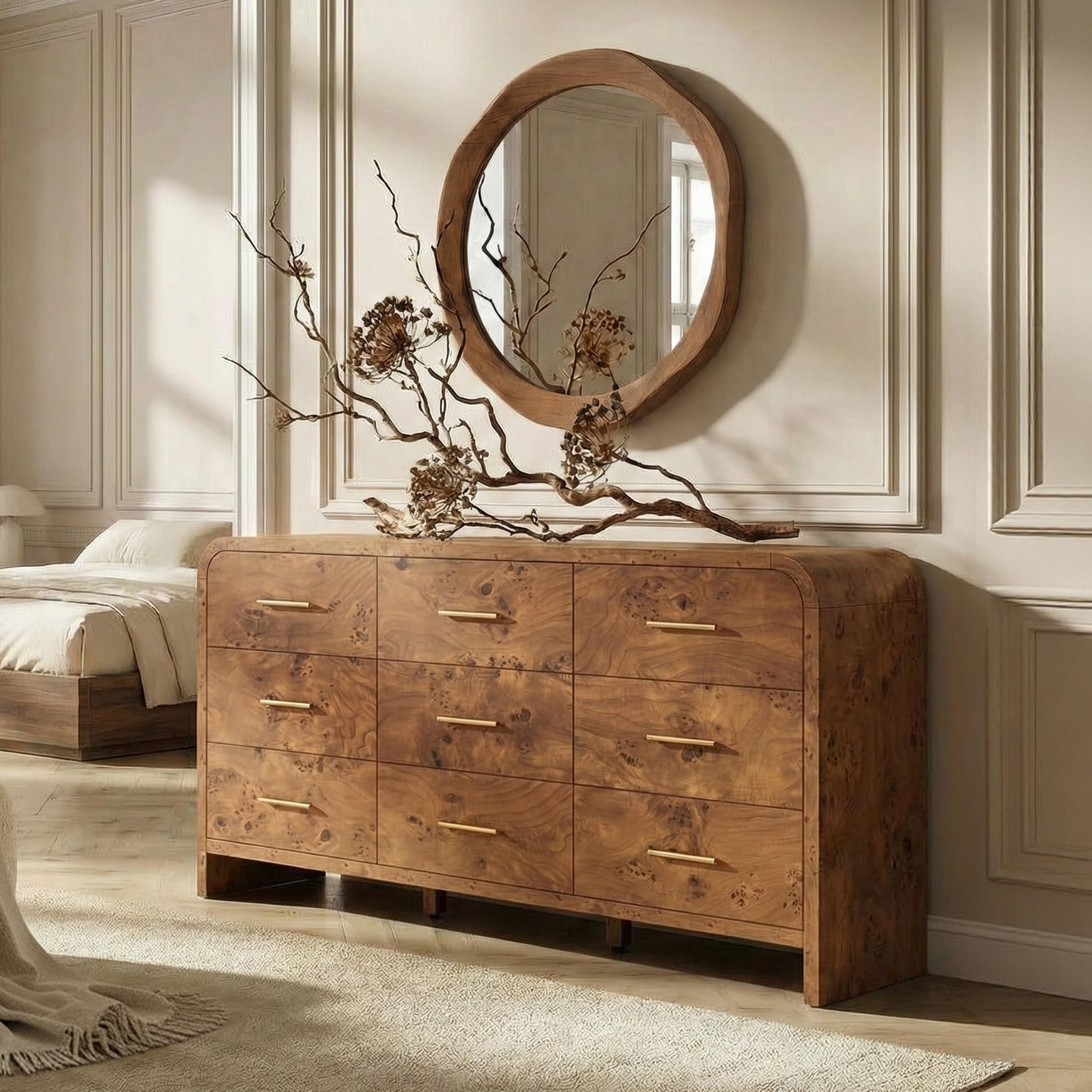
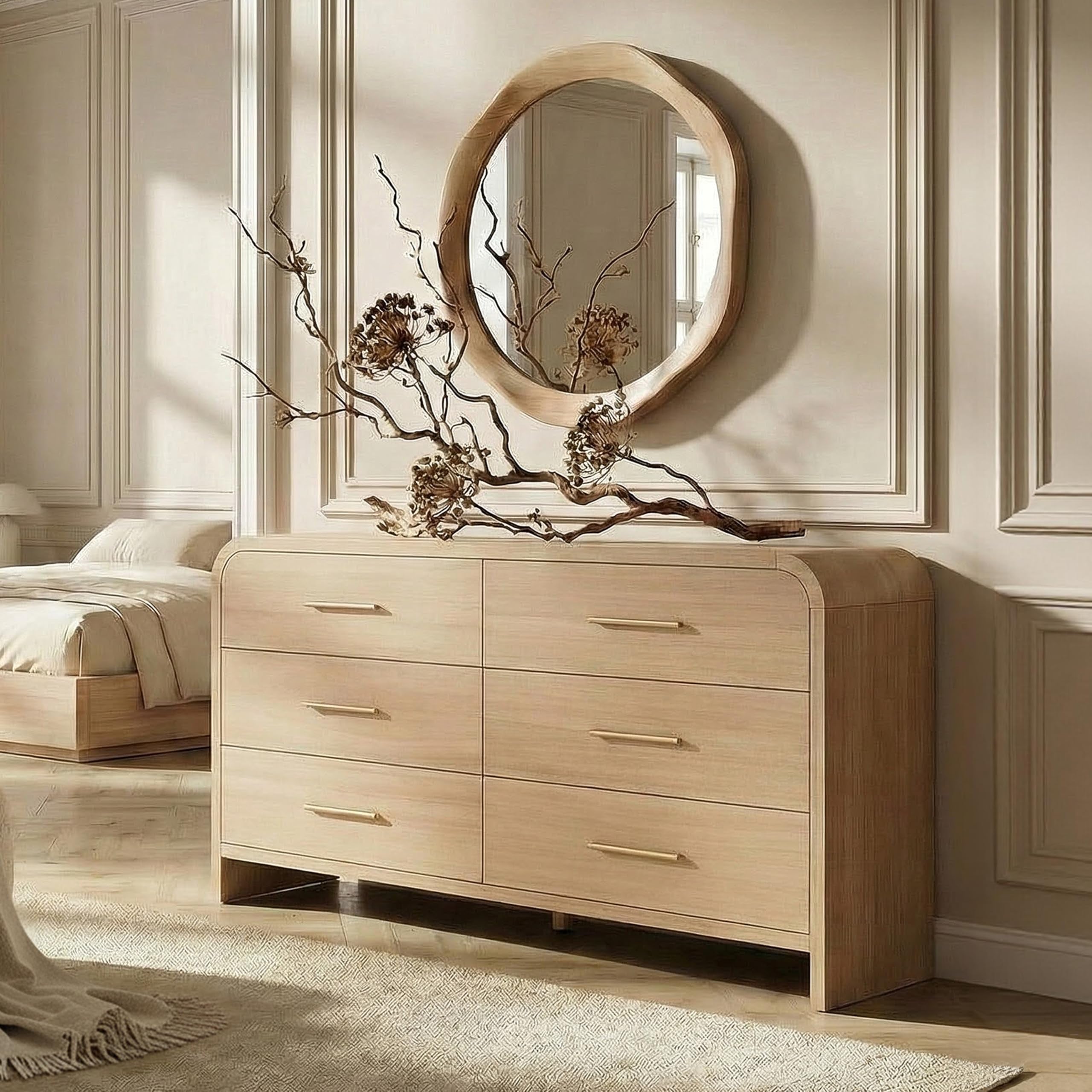
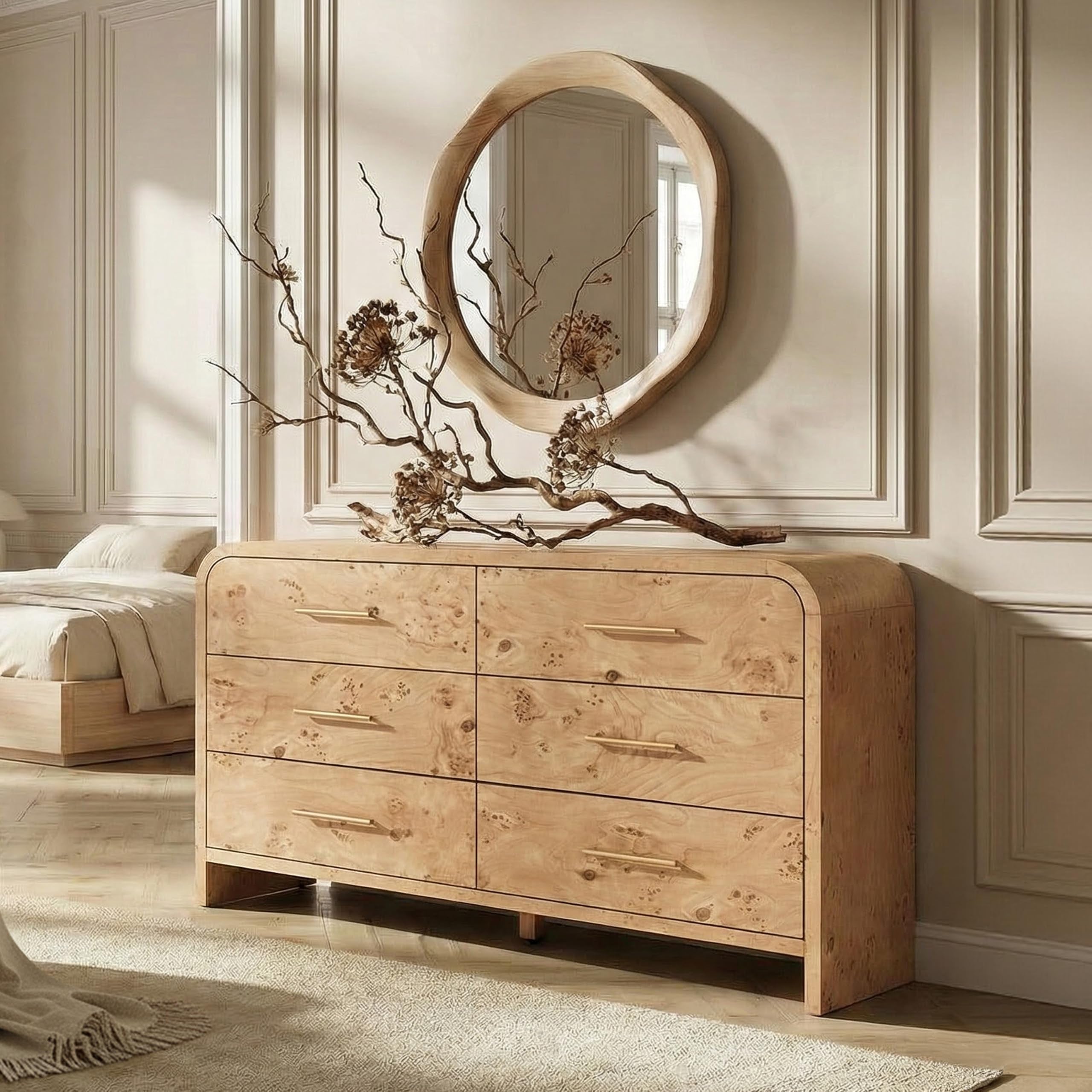
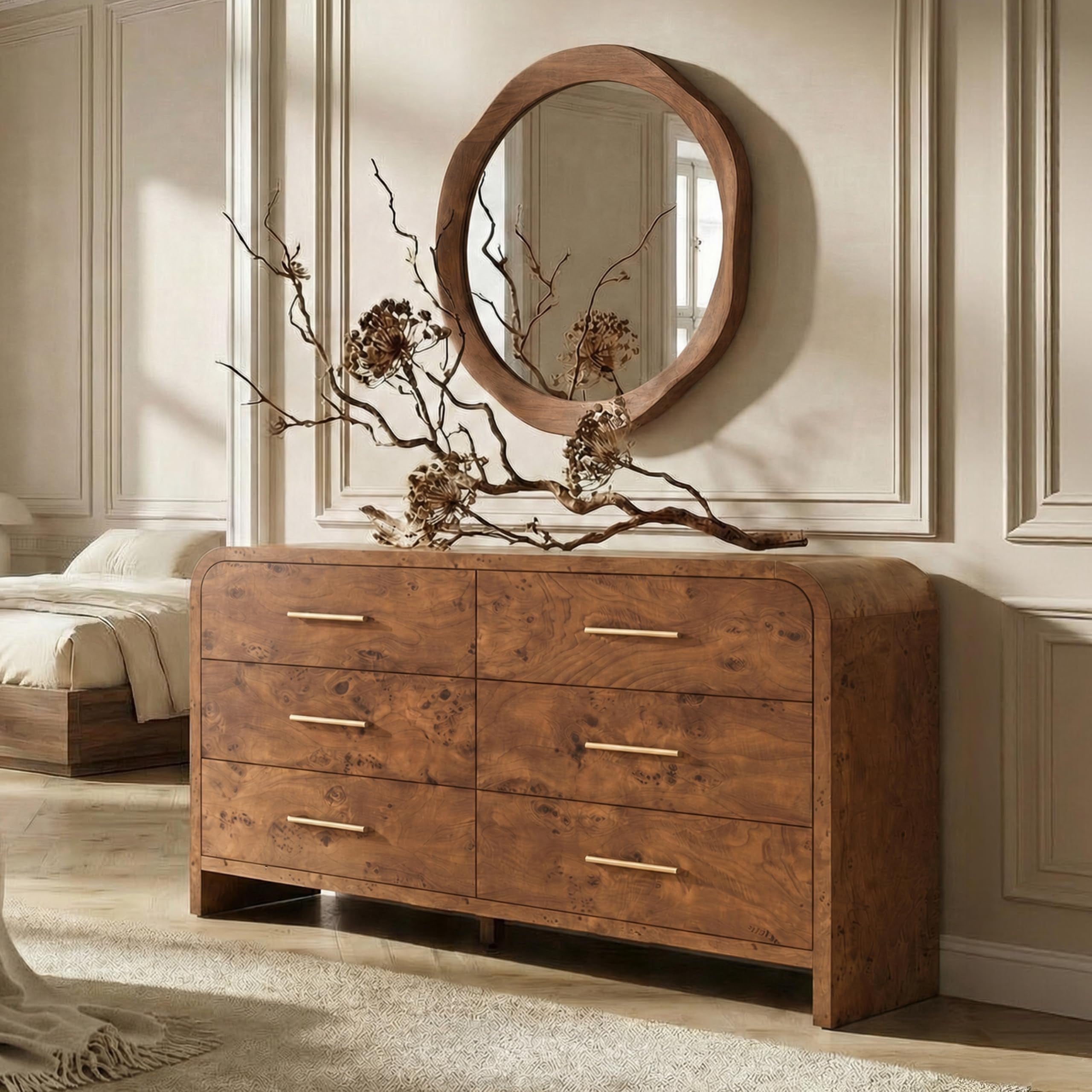


If you’ve ever tried to furnish a small bedroom, you probably know the feeling — you want it to look nice and put together, but it’s really easy to end up with a space that feels cramped or visually “heavy.”
The good news is, small bedrooms actually have a big advantage: every piece matters. You don’t need a lot of furniture to make the room feel complete — you just need to choose more intentionally.
Here are a few things that tend to make the biggest difference.
Think “visual weight,” not just size
One common mistake is focusing only on dimensions. A piece can be small, but still feel heavy in a room.
What matters more is how it looks in the space:
Dark, bulky furniture tends to feel heavier
Lighter tones and open shapes feel more breathable
Slim legs or softer silhouettes help reduce visual clutter
This is why a lot of modern bedroom design is moving toward softer, lighter-looking furniture instead of solid, boxy pieces.
Rounded edges can make a room feel less crowded
This is something people don’t always think about, but it makes a noticeable difference.
Furniture with sharp corners tends to create a more rigid, “boxed-in” feeling — especially in small rooms where everything is close together.
On the other hand, rounded or curved shapes tend to feel more natural and easier on the eye. Even something as simple as a rounded nightstand can make the whole room feel a bit more relaxed.
It’s part of a broader shift in design toward softer geometry rather than strict right angles.
Don’t overfill the room — let negative space do its job
In small bedrooms, empty space isn’t wasted space — it actually helps everything breathe.
A lot of people try to “fill the corners,” but that often makes the room feel smaller.
Instead, it usually works better to:
keep pathways clear
avoid overcrowding walls with furniture
choose fewer but more intentional pieces
A room with space around the furniture often feels more expensive and calm, even if it’s simple.
Stick to a consistent material palette
One thing that makes a room feel more “put together” (even if it’s minimal) is consistency in materials.
For example:
warm wood tones throughout
similar finishes across furniture
avoiding too many contrasting textures
This is where natural wood furniture tends to work well — it’s simple, but it brings warmth without visual noise.
Let a few key pieces carry the room
In a small bedroom, you don’t need many items to create a finished look.
Usually, it comes down to a few essentials:
bed
nightstand
maybe a small side cabinet or dresser
And honestly, the nightstand or side cabinet often does more visual work than people expect. It’s at eye level, close to the bed, and one of the first things you notice when you walk in.
That’s why people are starting to pay more attention to these smaller furniture pieces — not just for storage, but for how they shape the feel of the room.
A simple way to think about it
If you’re unsure, here’s an easy rule of thumb:
In small bedrooms, it’s not about adding more — it’s about choosing pieces that feel lighter, softer, and more intentional.
When that balance is right, even a simple room can feel calm, open, and surprisingly high-end without trying too hard.
👉Explore product:
https://cozyshome.com/products/curved-3-drawer-nightstand?variant=45481302786233

