
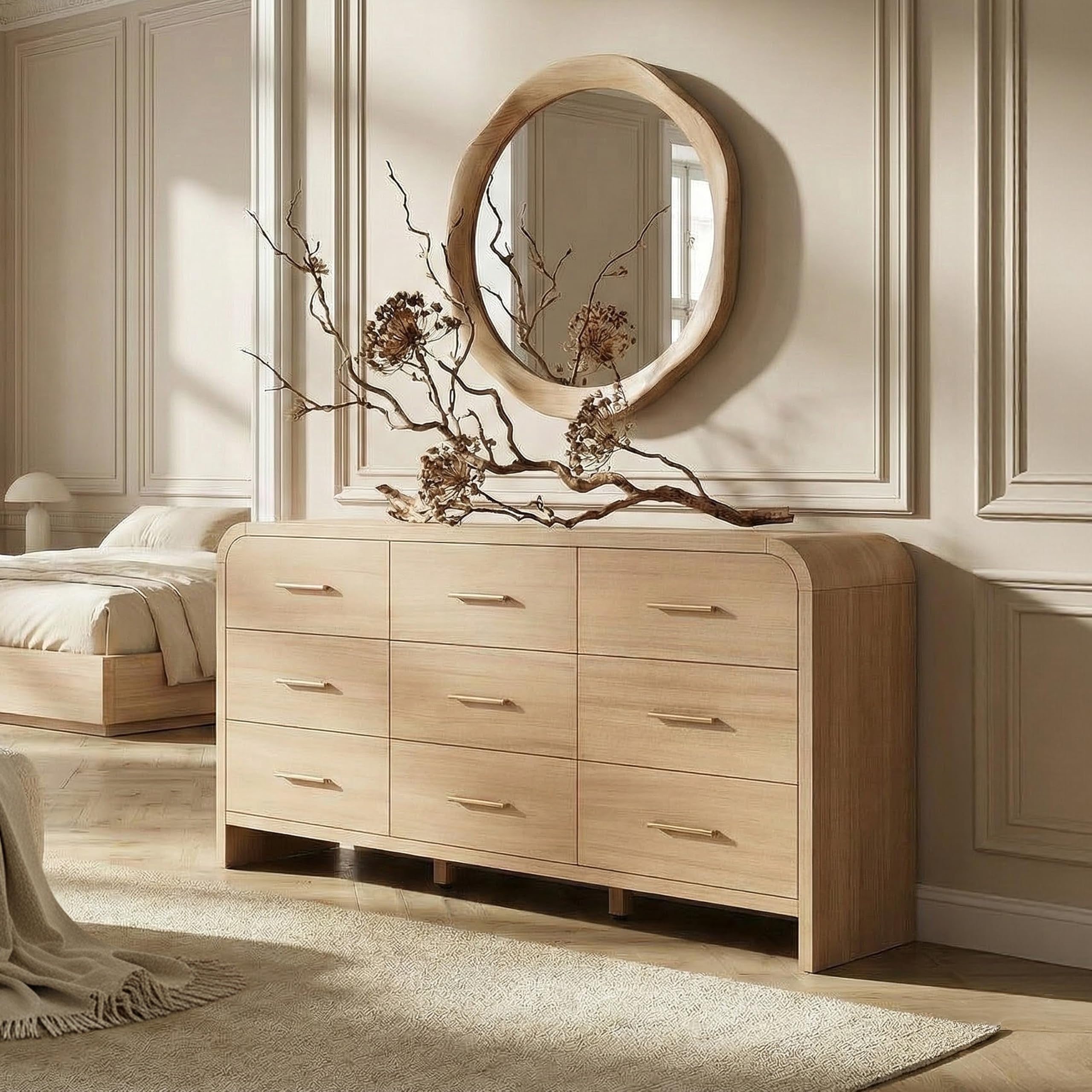
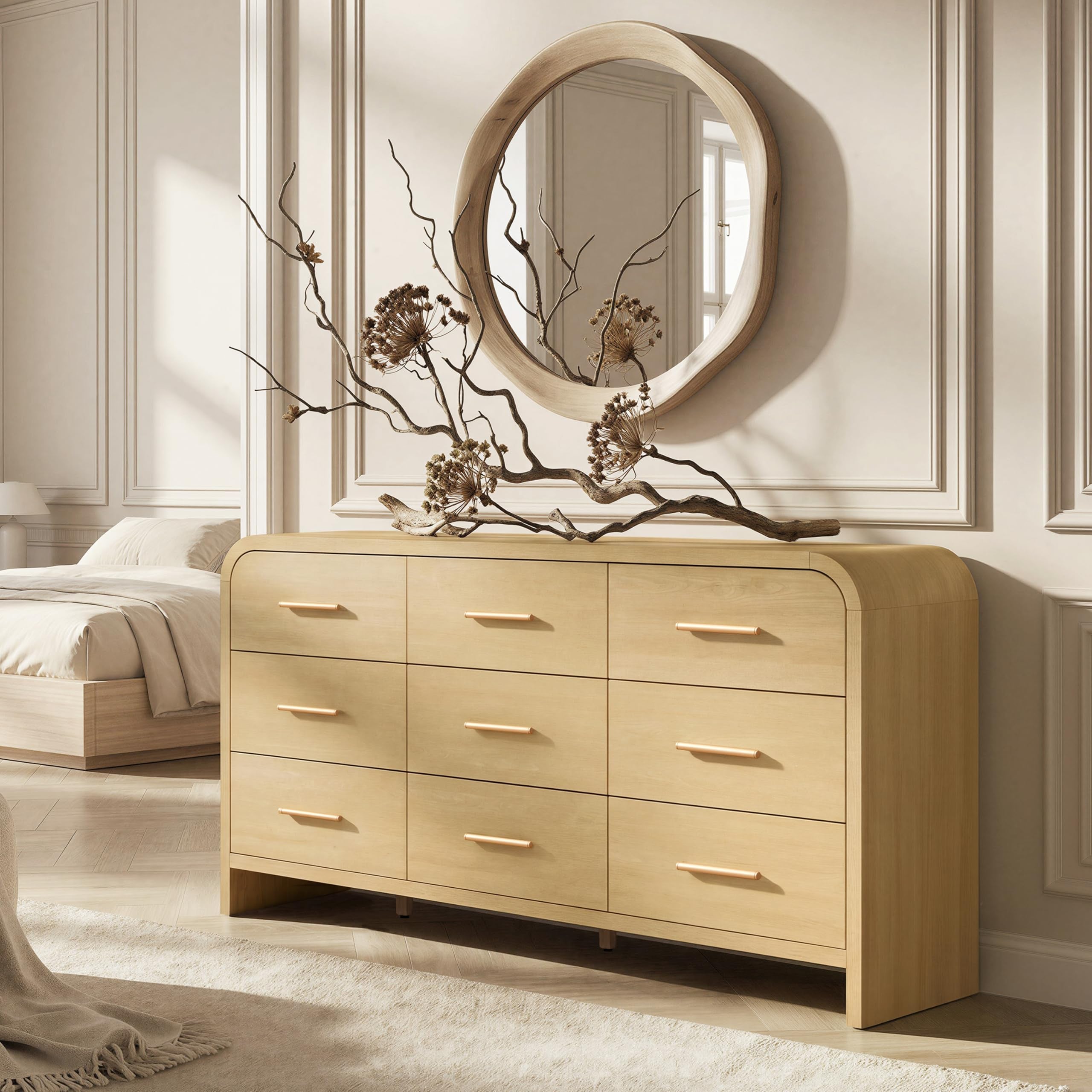
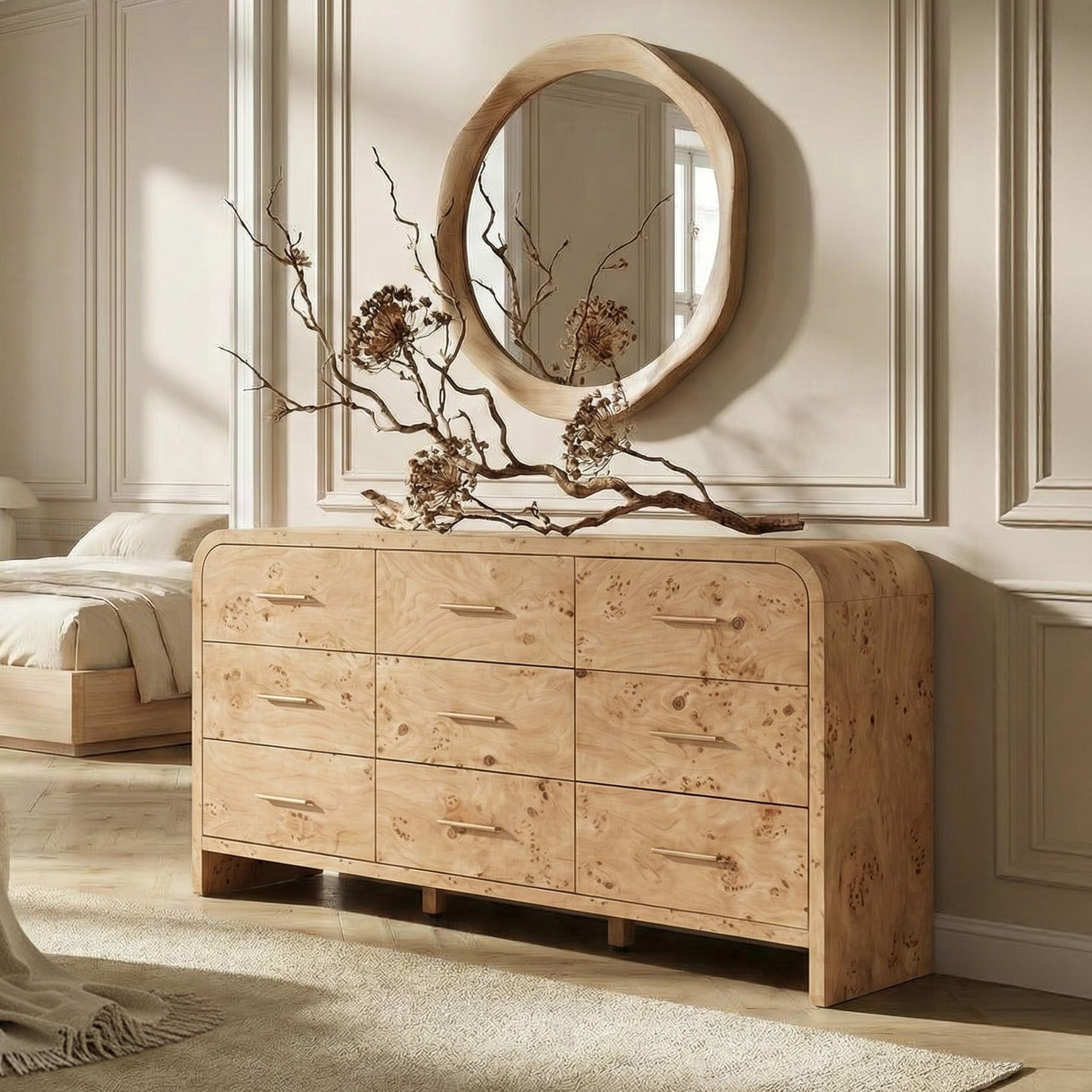
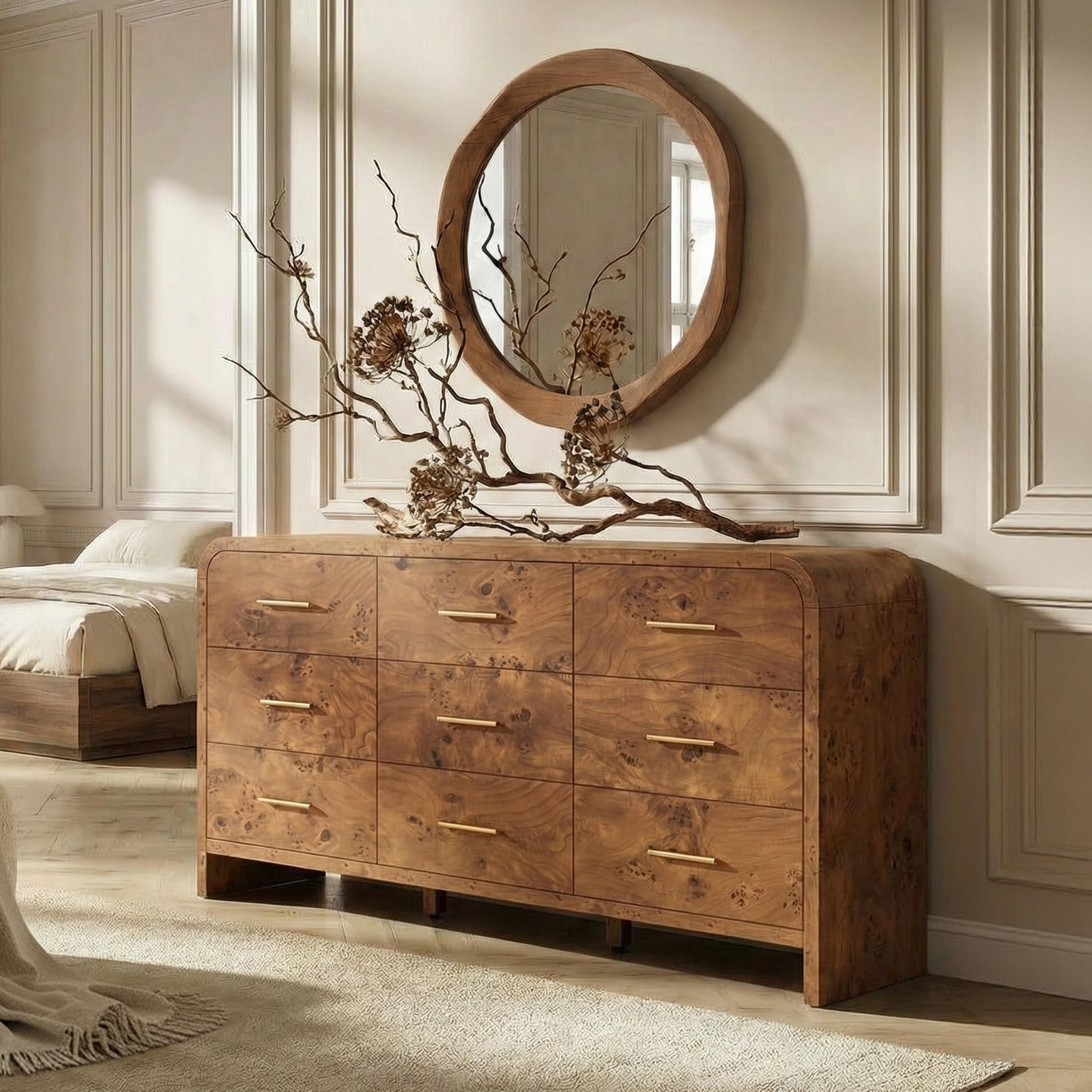
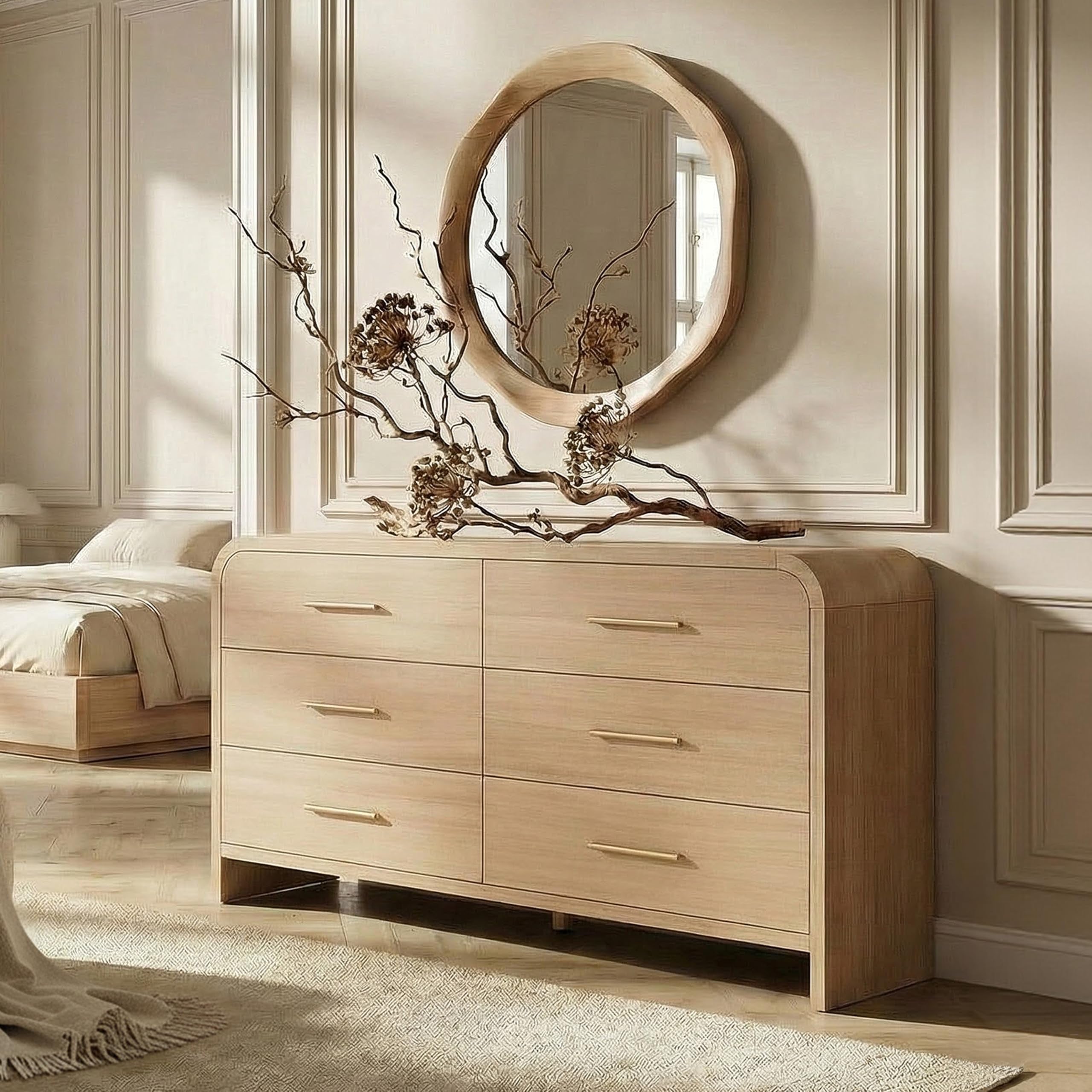
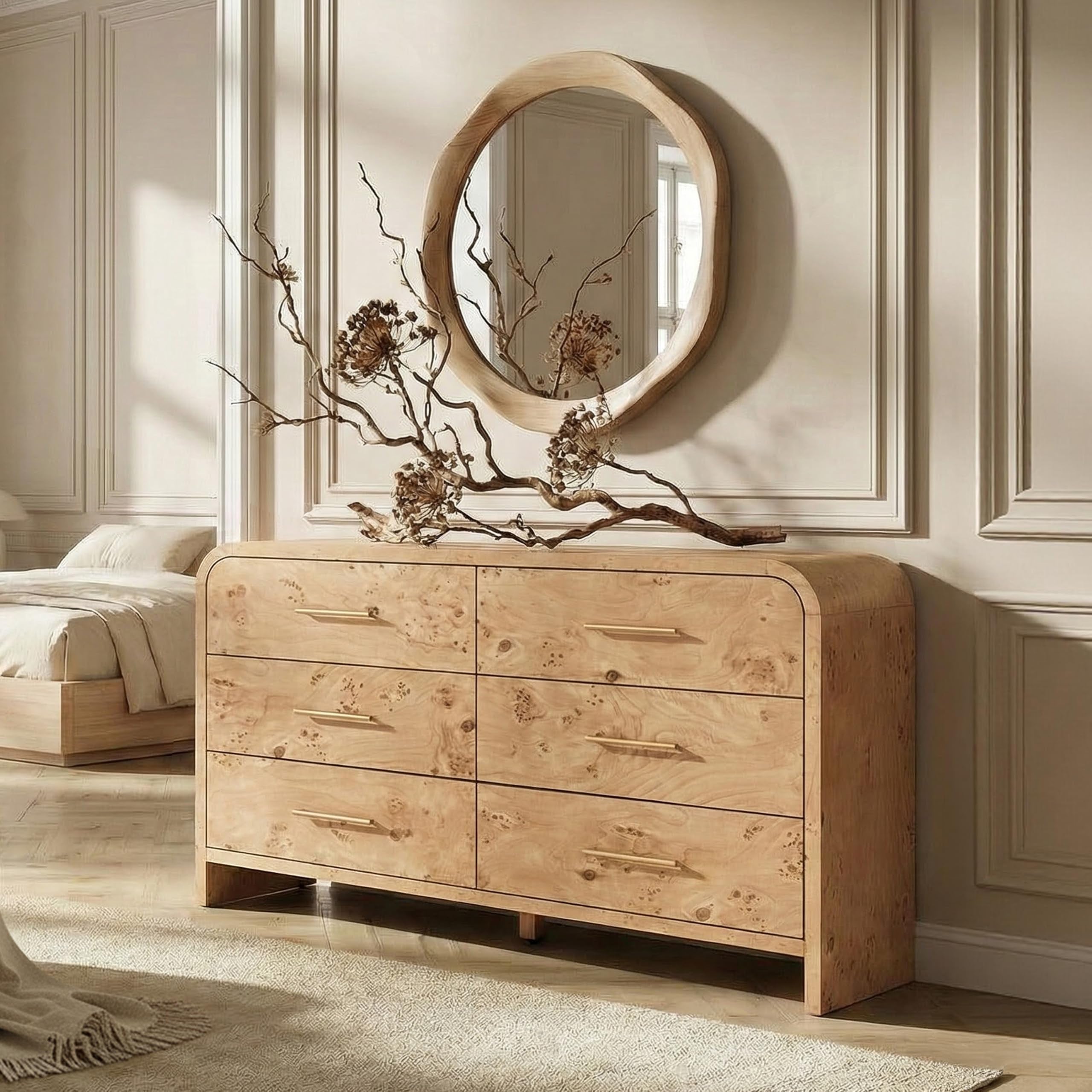
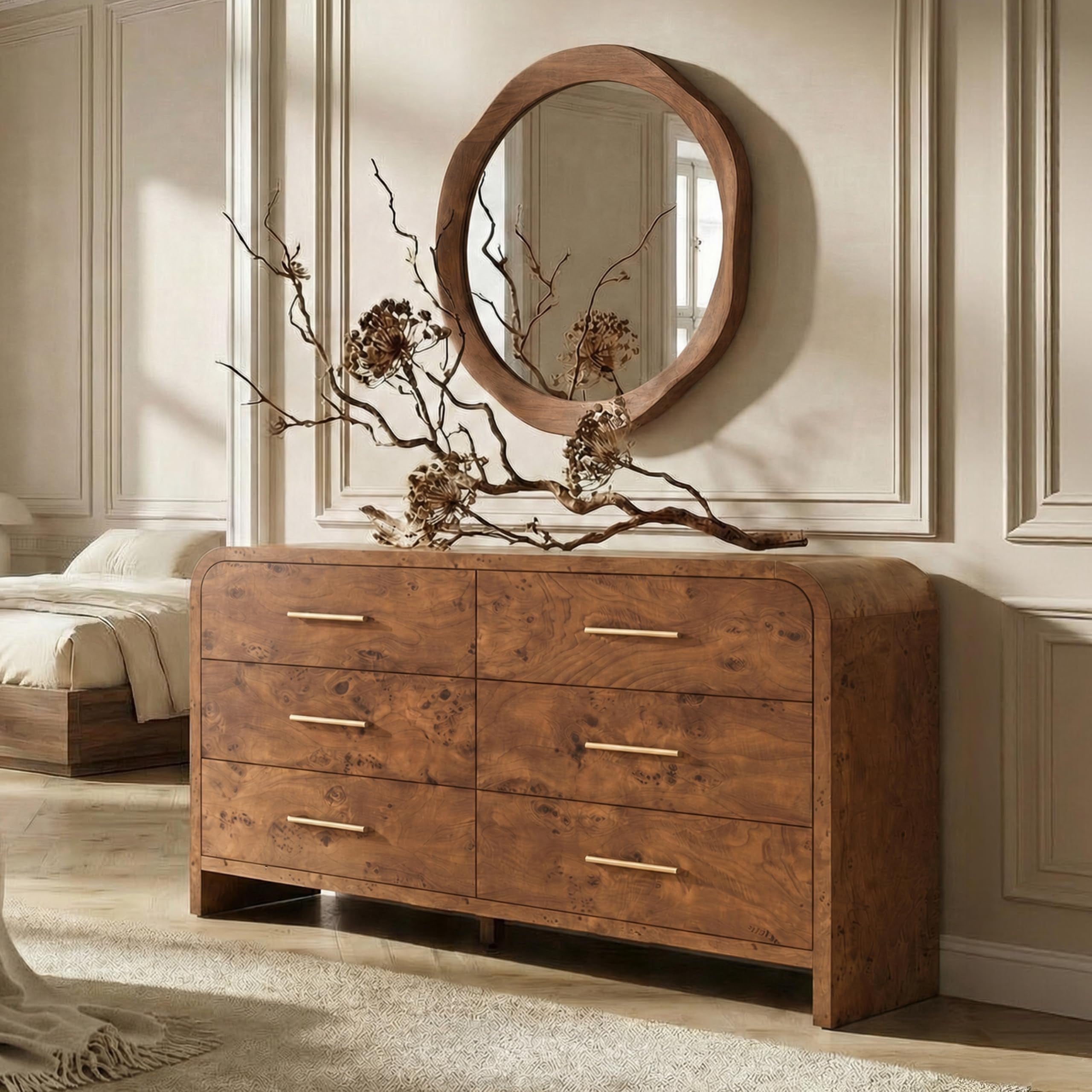


This is one of those design questions that keeps popping up lately, especially as more people are trying to make smaller bedrooms and apartments feel more comfortable without overfilling them.
The short answer is: it depends — but in many cases, yes, rounded furniture does make small spaces feel easier to live in. And it’s not just a style trend; there are a few practical reasons behind it.
Rounded shapes feel less “visually heavy”
In a small room, your eyes are constantly reading edges, lines, and boundaries. Sharp corners tend to create a more rigid, boxed-in feeling because they emphasize the limits of the space.
Rounded edges, on the other hand, soften those boundaries. They don’t interrupt the flow of the room as much, which can make everything feel a bit more open — even if the actual square footage hasn’t changed at all.
It’s a subtle effect, but in small spaces, subtle changes matter a lot.
They make tight layouts feel more comfortable to move around in
This one is more practical than aesthetic.
In small bedrooms, you’re often navigating close to furniture — walking past nightstands, getting in and out of bed, moving around corners.
Rounded furniture simply reduces that “collision feeling.” Even if you never actually bump into anything, your brain tends to feel more relaxed when there aren’t sharp edges everywhere at hip or knee level.
They soften the overall mood of the room
There’s also a psychological side to it.
Sharp lines tend to feel more structured and formal. Rounded forms feel more relaxed and organic.
That’s part of why you’re seeing a shift in 2026 interior design toward what some people call Softened Geometry — furniture that feels less rigid and more fluid in shape.
It’s not about making everything look “curvy,” but more about reducing harsh visual tension in the space.
But sharp-cornered furniture isn’t “bad” — it just depends on balance
To be fair, straight lines still have their place.
Rectangular furniture can feel clean, modern, and efficient — especially in larger rooms or more structured design styles.
The issue in small spaces usually isn’t sharp corners themselves, but too many heavy, boxy pieces in one room.
A balanced mix often works best.
So is rounded furniture actually better?
If we’re talking specifically about small bedrooms or compact living spaces, rounded furniture often has an advantage in how it feels:
it softens visual boundaries
it reduces the sense of crowding
it makes movement feel easier
it creates a calmer overall atmosphere
That’s why you’ll see more rounded nightstands, curved edges, and softened silhouettes showing up in modern bedroom design.
It’s less about following a trend and more about making small spaces feel a bit more livable.
A simple way to think about it
If a room already feels spacious, sharp and structured furniture works just fine.
But if you’re trying to make a smaller space feel less tight and more relaxed, softer shapes — even in small details like a nightstand — can make a noticeable difference.
It’s one of those design choices that doesn’t scream for attention, but you definitely feel it when you live with it every day.
👉 You can explore a few of those styles here: Cozyshome Eliteset Curved Drawer Dresser

