
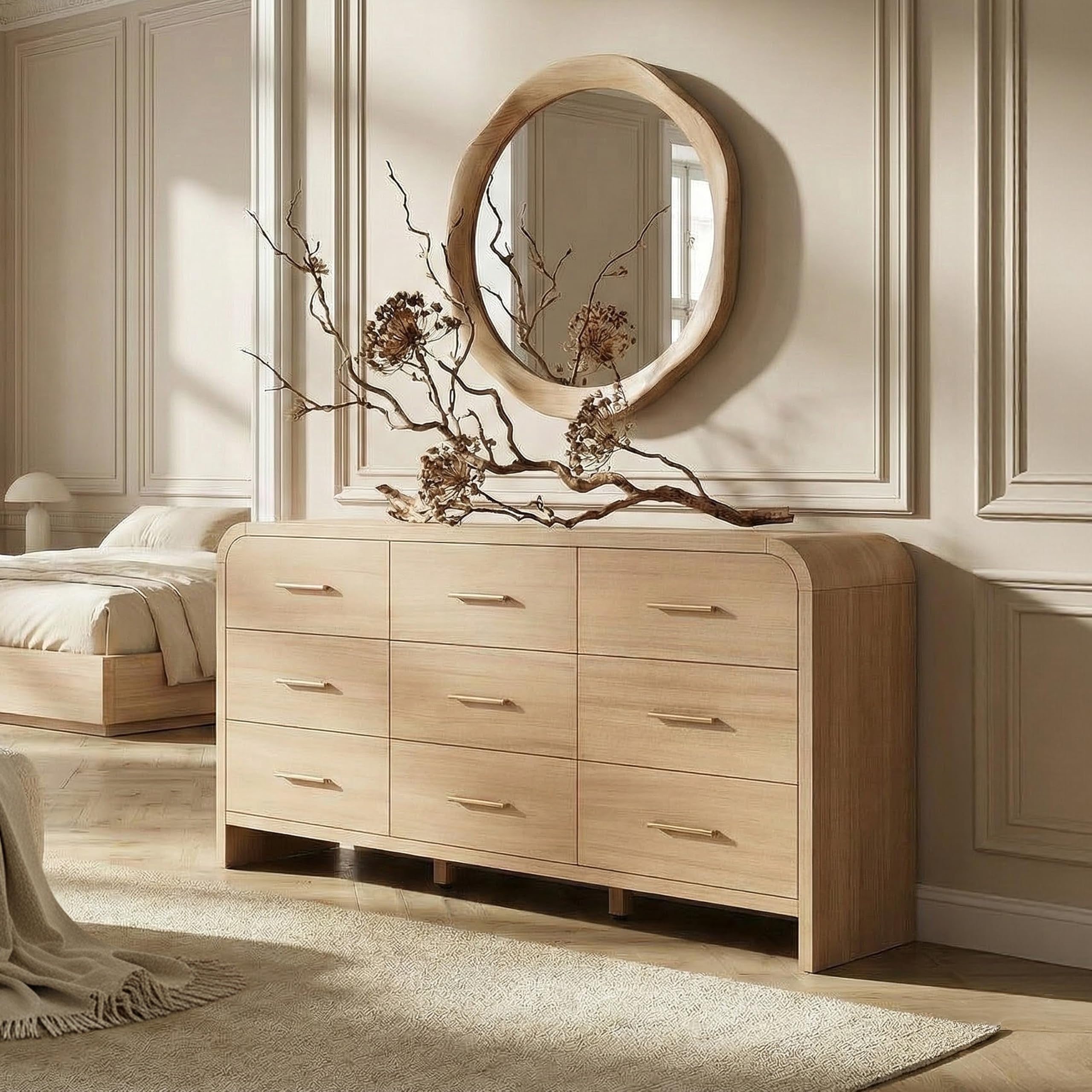
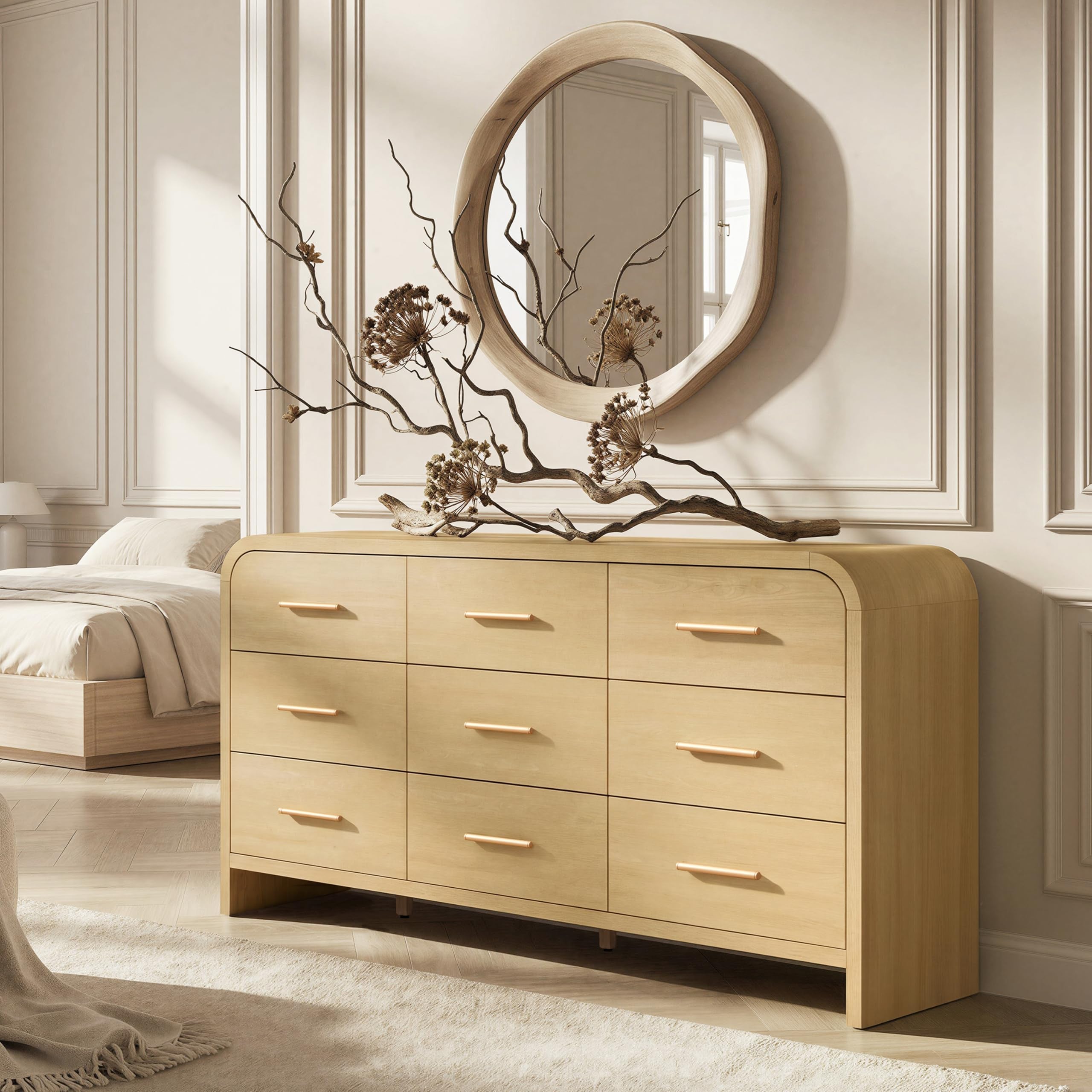
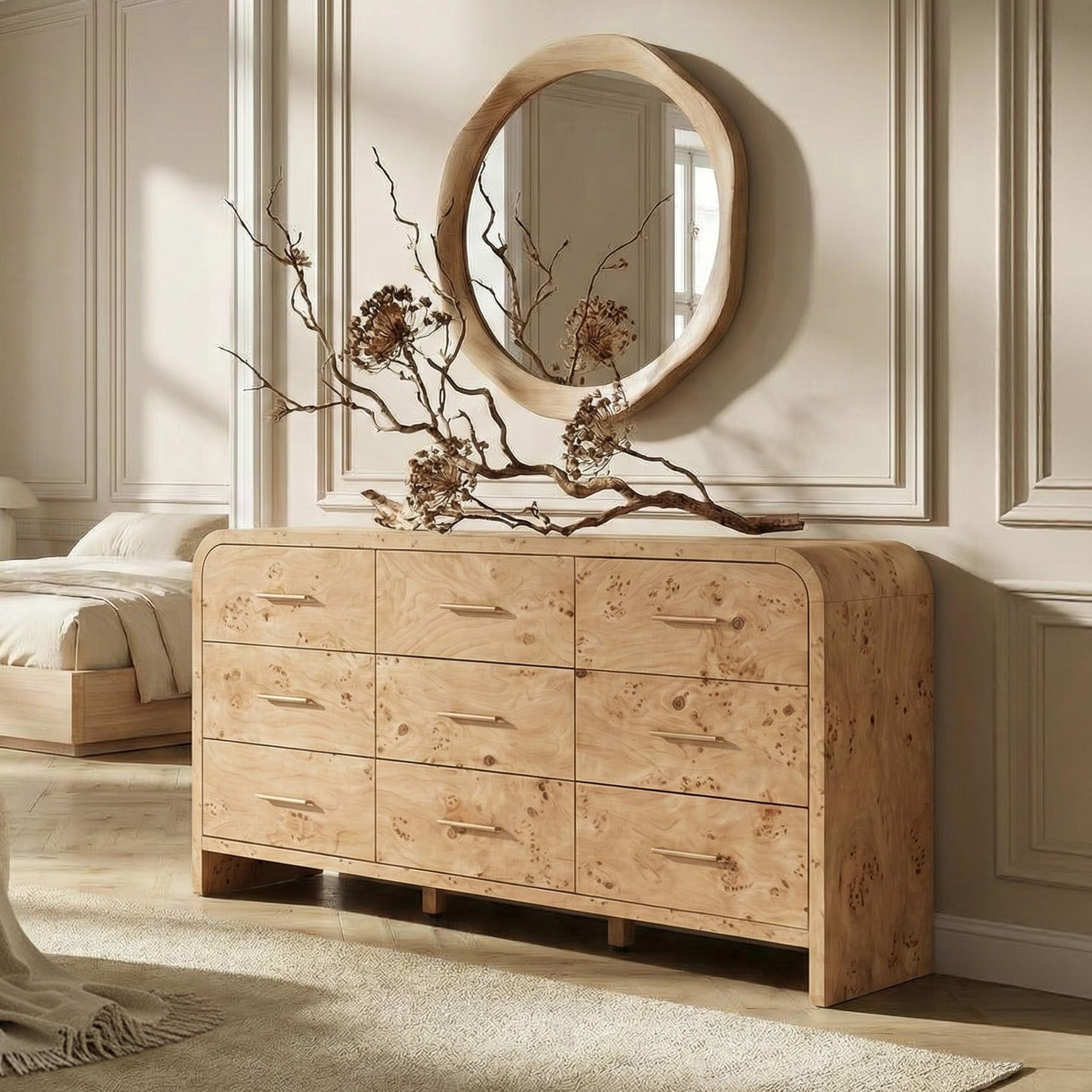
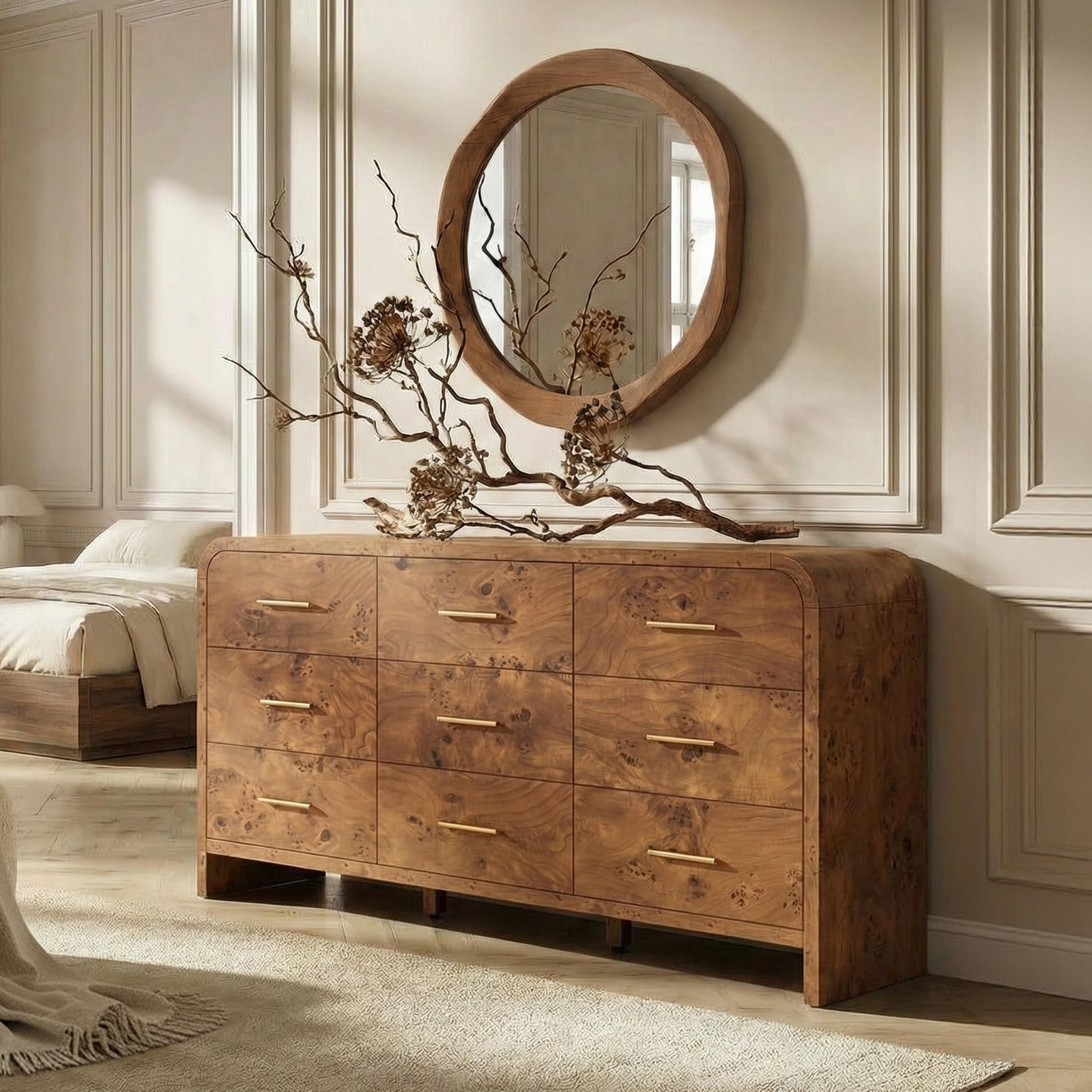
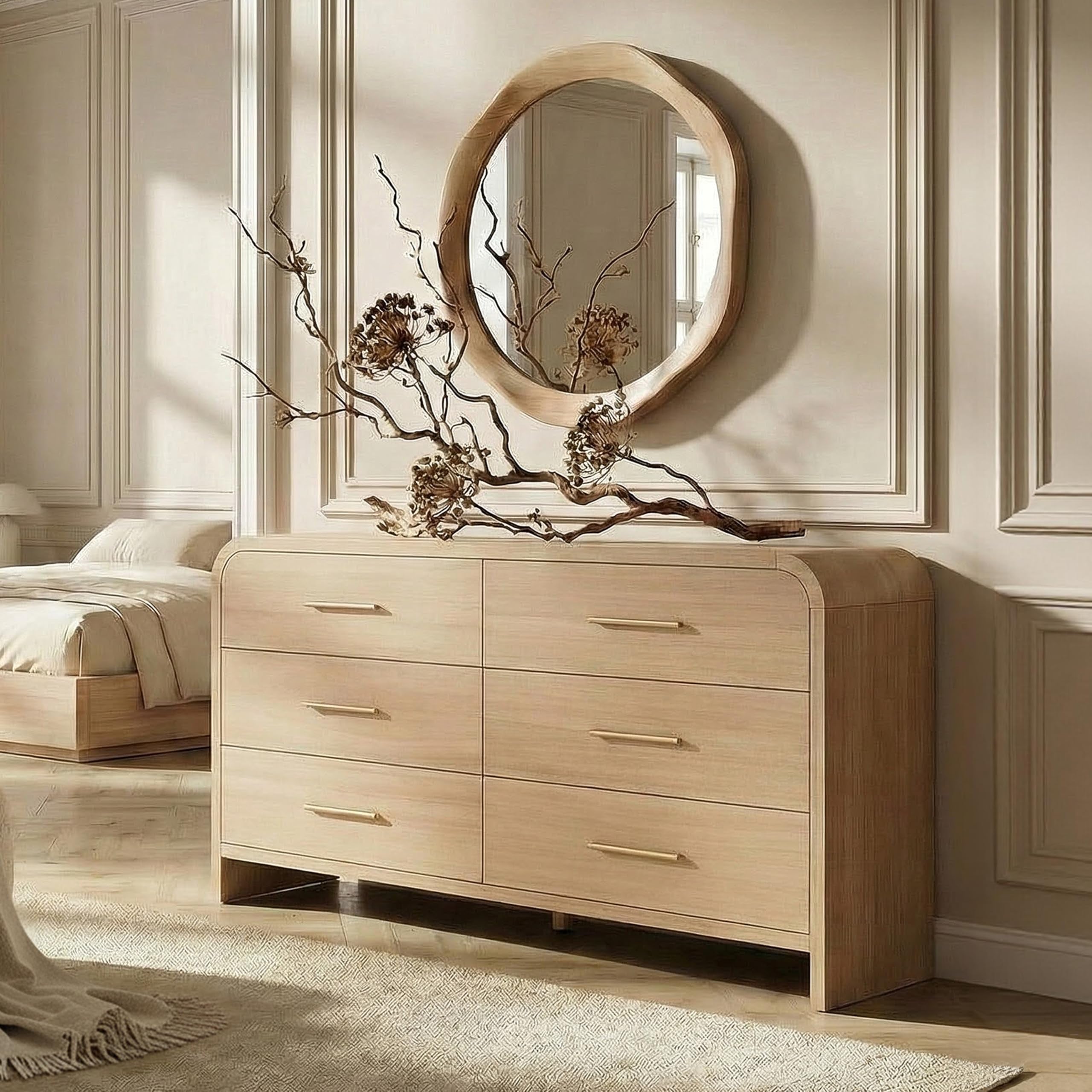
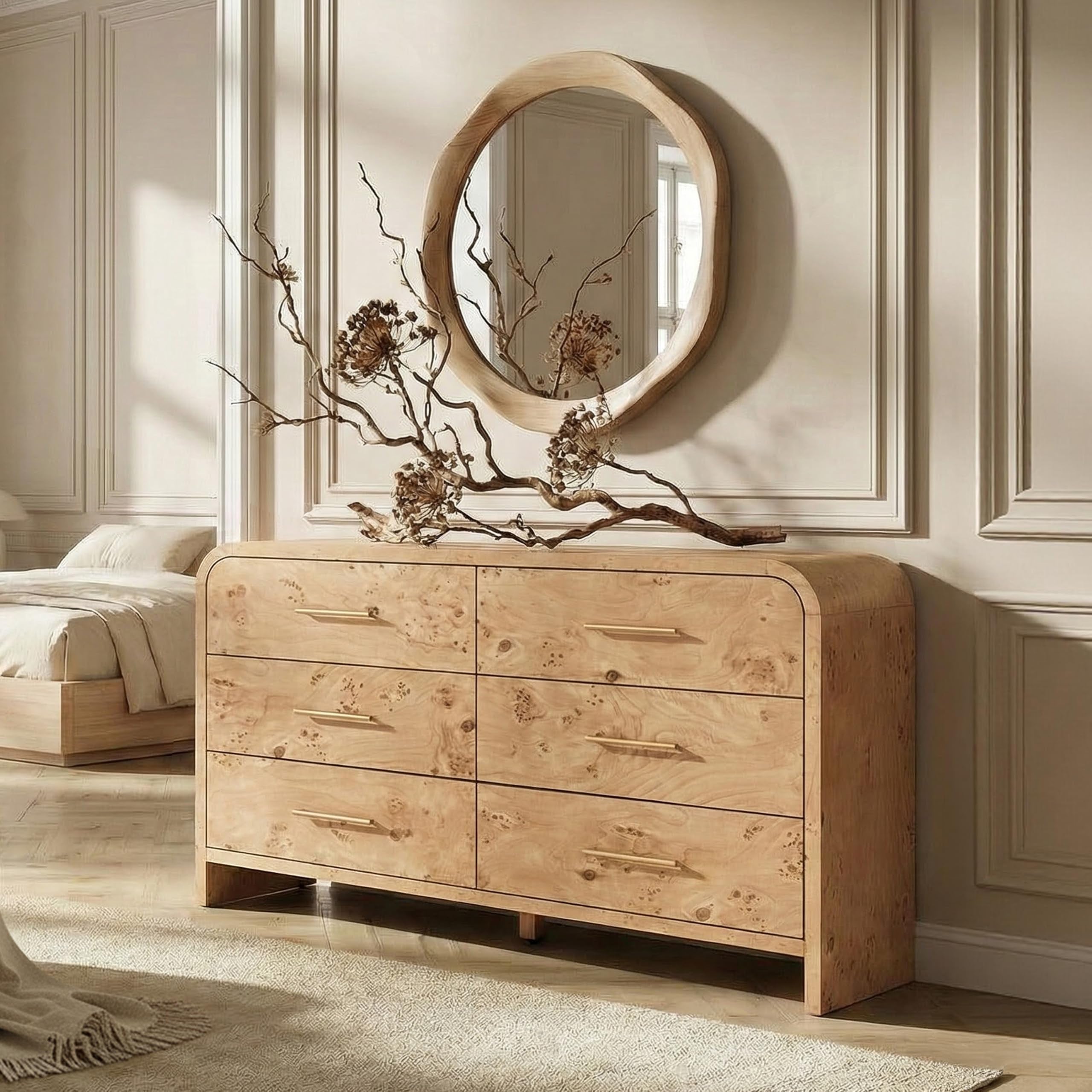
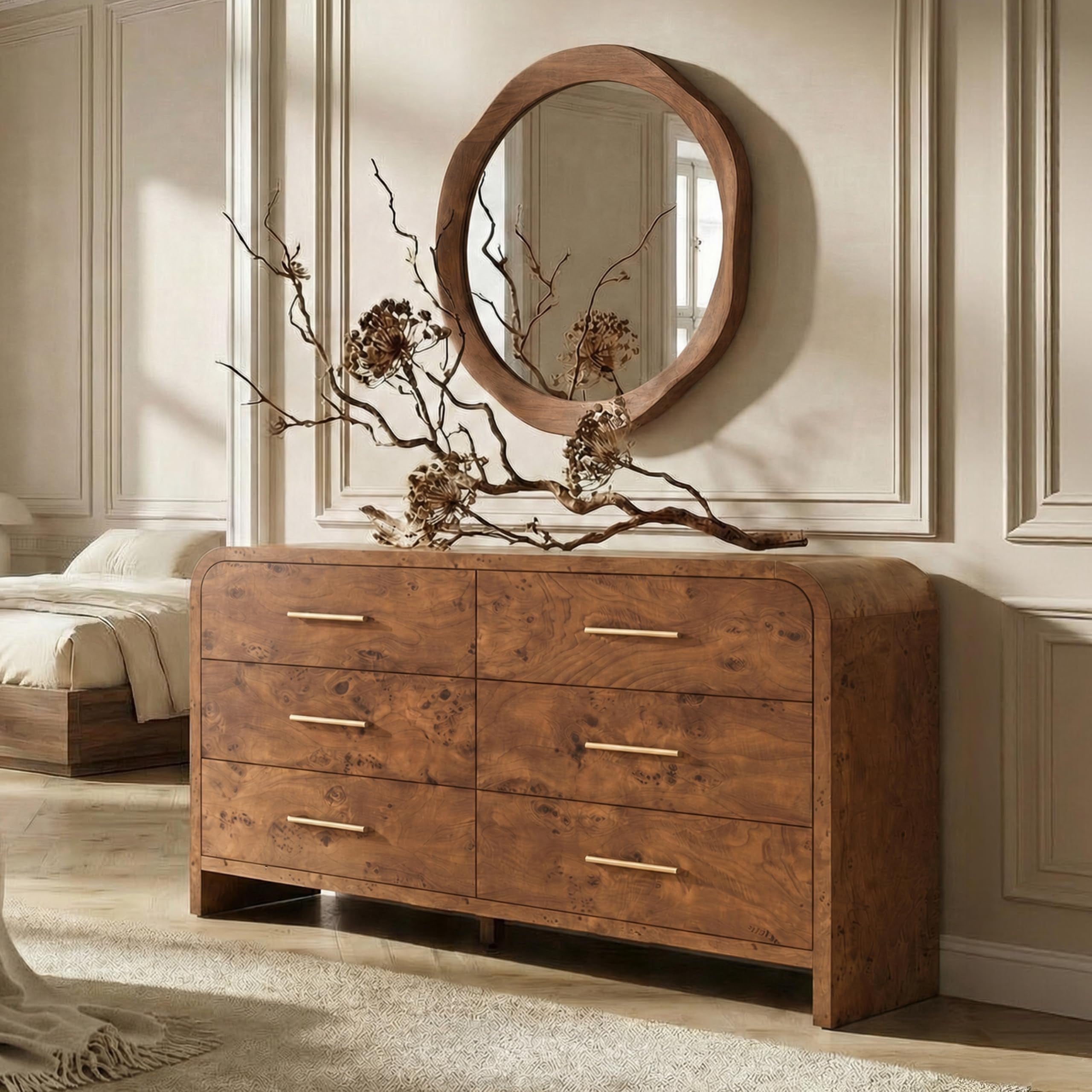


When it comes to furnishing your home, particularly your dining room, there’s a lot of furniture with interchangeable names that can leave you scratching your head. We recently moved a piece into our dining room and I found myself asking, "Is this a cabinet, a chest, a buffet—or something else?" And with terms like credenza, sideboard, media stand, and console floating around, it can be hard to differentiate them all. Is it just a fancy way of saying “living storage”? While the terms may sound like a game of semantics, we’ve done the research and compiled a helpful guide to give you a better understanding of what these pieces really are.
Let’s dive into the world of dining room furniture and clarify what each term means!
1. Chest (of Drawers)
Let’s start with one of the easiest terms to define: the chest. Typically smaller in width and height, chests are perfect for tight spaces. Often called a “chest of drawers,” they are great for storing smaller items like linens, candles, and smaller decor pieces. They work wonders in entryways or corners of living rooms, offering compact storage without taking up too much space. Our dining room, for example, could fit a small chest that holds extra napkins and candles. If you're looking for storage without overwhelming the space, a chest is an ideal solution.
2. Buffet
Now, let’s talk about buffets, which are a staple in many dining rooms. Originally designed as a serving piece for family-style meals, buffets typically have a long horizontal shape and are built to store and display things like silverware, plates, and table linens. Buffets also have more surface space, so they are perfect for setting out food during parties. While you may find similar designs in other rooms, a buffet is primarily used in a dining space for both storage and serving.
3. Sideboard
Similar to a buffet, a sideboard is typically used for dining storage but with a more refined design. Sideboards are known for their longer, sleek profiles and are often used to store dishes, glassware, or linens. They can also have drawers for smaller items like silverware or placemats. The key difference between a sideboard and a buffet lies in the aesthetic—sideboards are often seen as more elegant, with decorative touches and finer finishes. Think of a sideboard as a piece that adds sophistication to your dining room while providing the practical storage you need.
4. Credenza
While the term credenza is often used interchangeably with sideboards or buffets, it can be a bit more versatile. Credenzas typically feature a longer, lower profile with a bit more storage capacity. You might see credenzas used as media consoles in living rooms or even office storage units. In the dining room, credenzas work as stylish, sleek storage options. The biggest difference? A credenza can be a more contemporary choice, often blending modern design elements while still offering ample storage.
5. Media Stand
As the name implies, a media stand is generally used for entertainment purposes, like holding your TV or audio equipment. They can come in various sizes and styles, but they tend to have more open shelving or compartments to store electronics or gaming consoles. While media stands aren’t typically used in dining rooms, some modern designs may double as multi-functional pieces, offering storage for decorative items, linens, or kitchenware.
6. Console
A console table is another versatile piece, typically found in hallways, living rooms, or entryways. Consoles are usually narrow and long, offering just enough surface area for decorative items like lamps or vases. Unlike sideboards or buffets, consoles don’t offer much storage but serve more as accent pieces. They’re perfect for those looking to add a bit of elegance without the need for extra storage space.
How to Choose the Right Piece for Your Home
Now that you have a better understanding of the terminology, it's time to figure out which piece fits your space. Each of these furniture types serves different purposes, so consider the following when making your decision:
-
Size of the Space: Smaller rooms may benefit from a chest of drawers or console, while larger rooms can accommodate a buffet or sideboard for both storage and decor.
-
Style: If you want a sleek, modern look, a credenza or sideboard might be the best choice. For a more classic, traditional feel, a buffet or chest will do the trick.
-
Functionality: Consider how much storage you need. For a piece that combines storage with display space, a buffet or sideboard might be perfect. If you're looking for a decorative accent with minimal storage, a console is your best option.
Final Thoughts
At CozysHome, we believe that furniture should not only look good but also serve a practical purpose. Whether you're looking for extra storage, a stylish surface for your dining room, or a functional space-saver, there's a piece for you. The key is understanding the terminology behind these versatile pieces so you can make an informed choice that enhances both the design and functionality of your home.

