


When a bedroom doesn’t feel calm, the first reaction is often to buy more things.
A new lamp.
A few decorative pillows.
Wall art.
Maybe even new bedding.
But in many cases, the problem isn’t what’s missing.
It’s what’s already there—but not organized well.
A calm bedroom is less about decoration, and more about simplicity, storage, and visual balance.
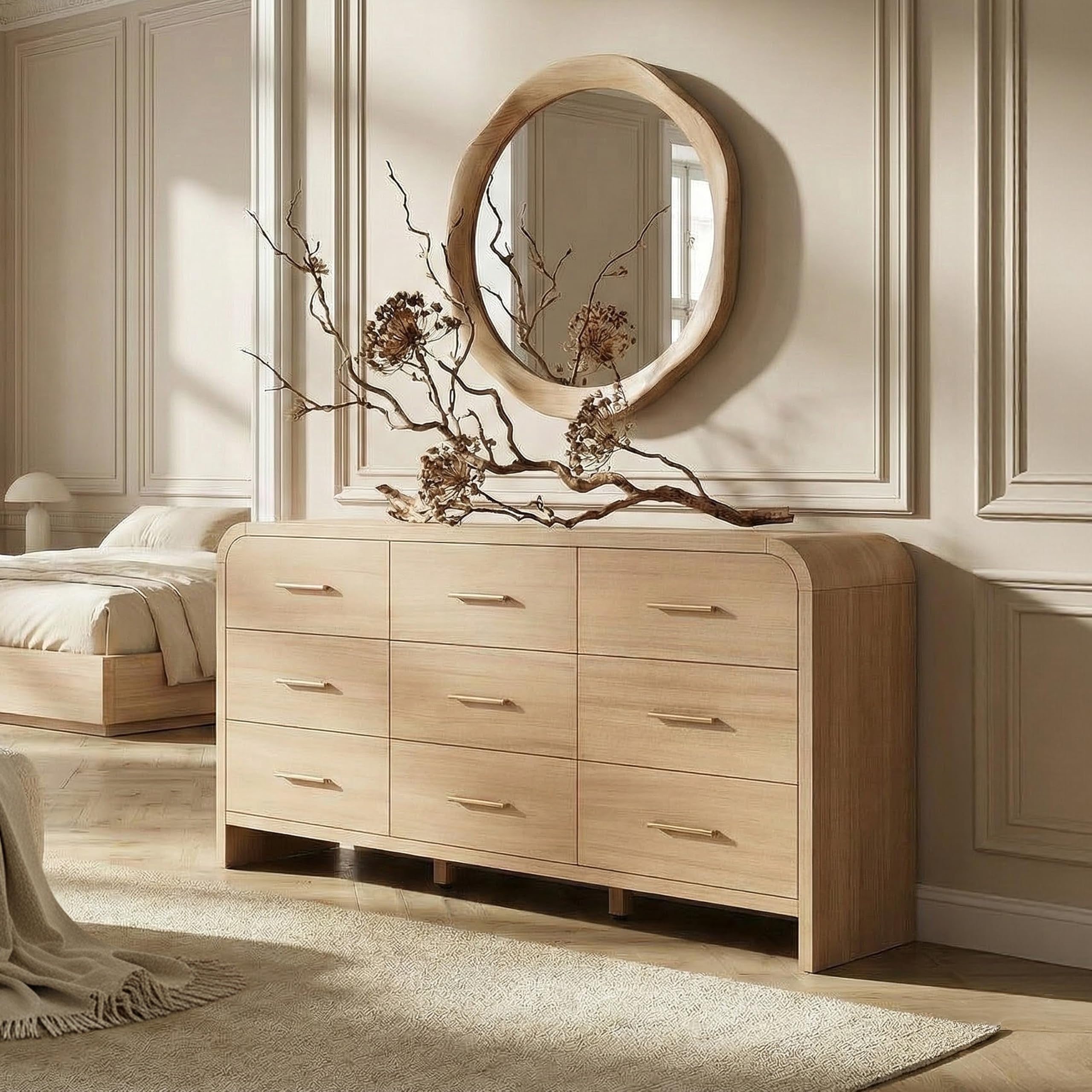
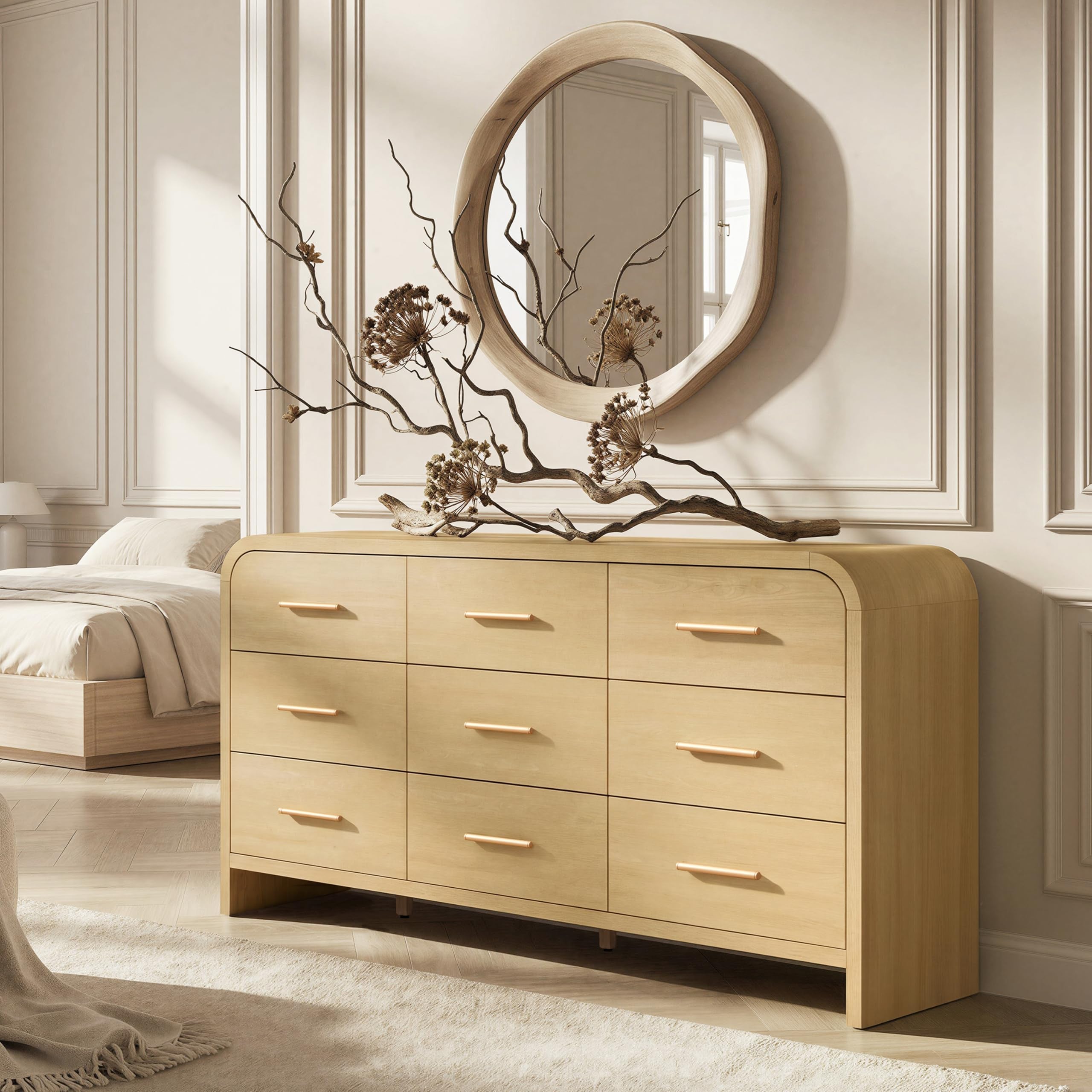
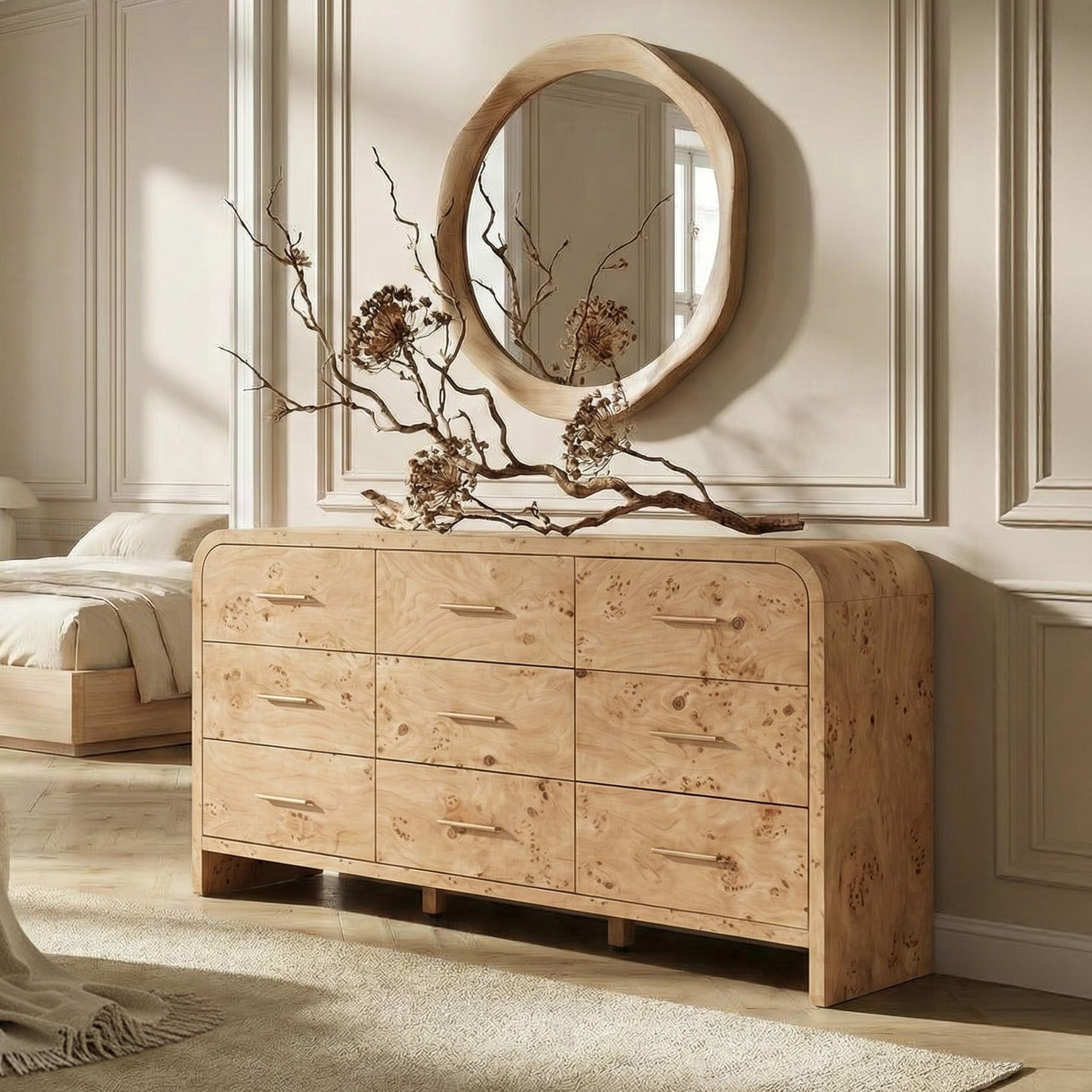
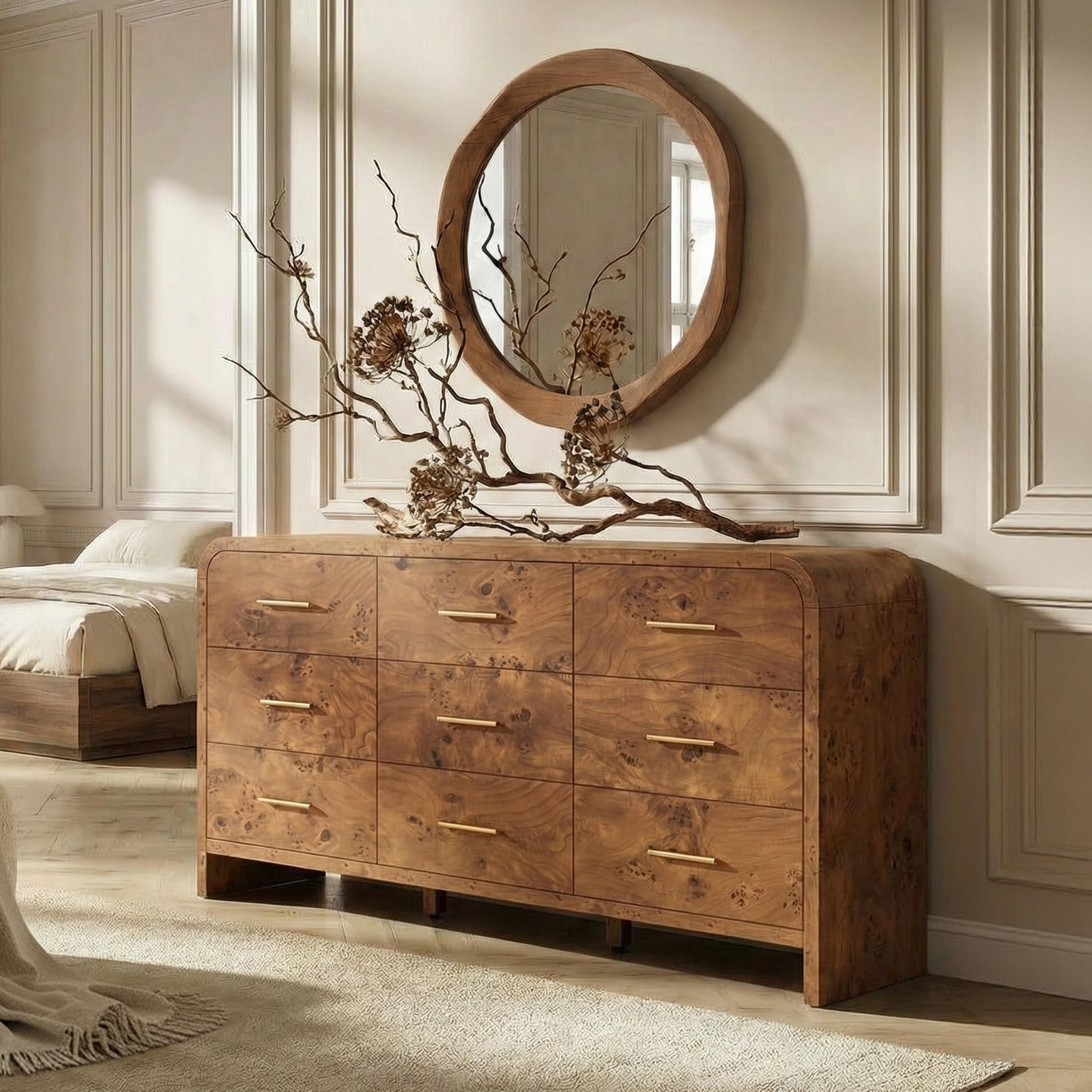
🔗Check it out here: Fluted 9-Drawer Dresser with Marble Top
Step 1: Remove visual clutter first (before adding anything)
Most bedrooms don’t feel stressful because they are empty—they feel stressful because they are visually full.
Common clutter sources:
- clothes on chairs
- items on nightstands
- cables and chargers
- small scattered objects
Even if everything is “useful,” the room still feels busy.
Before adding anything new, focus on clearing surfaces first. That alone changes the atmosphere more than decor ever will.
Step 2: Give everything a real place
A calm bedroom always has a clear system for storage.
Not necessarily more storage—but better storage.
This usually includes:
- a dresser for clothing
- a nightstand for daily essentials
- hidden compartments for small items
When everything has a place, the room stops feeling chaotic.
You don’t have to think about where things go—they already belong somewhere.
Step 3: Choose furniture that reduces visual noise
Furniture affects how “busy” a room feels.
For a calm bedroom, the goal is:
- clean lines
- simple shapes
- closed storage instead of open clutter
- consistent wood tones or finishes
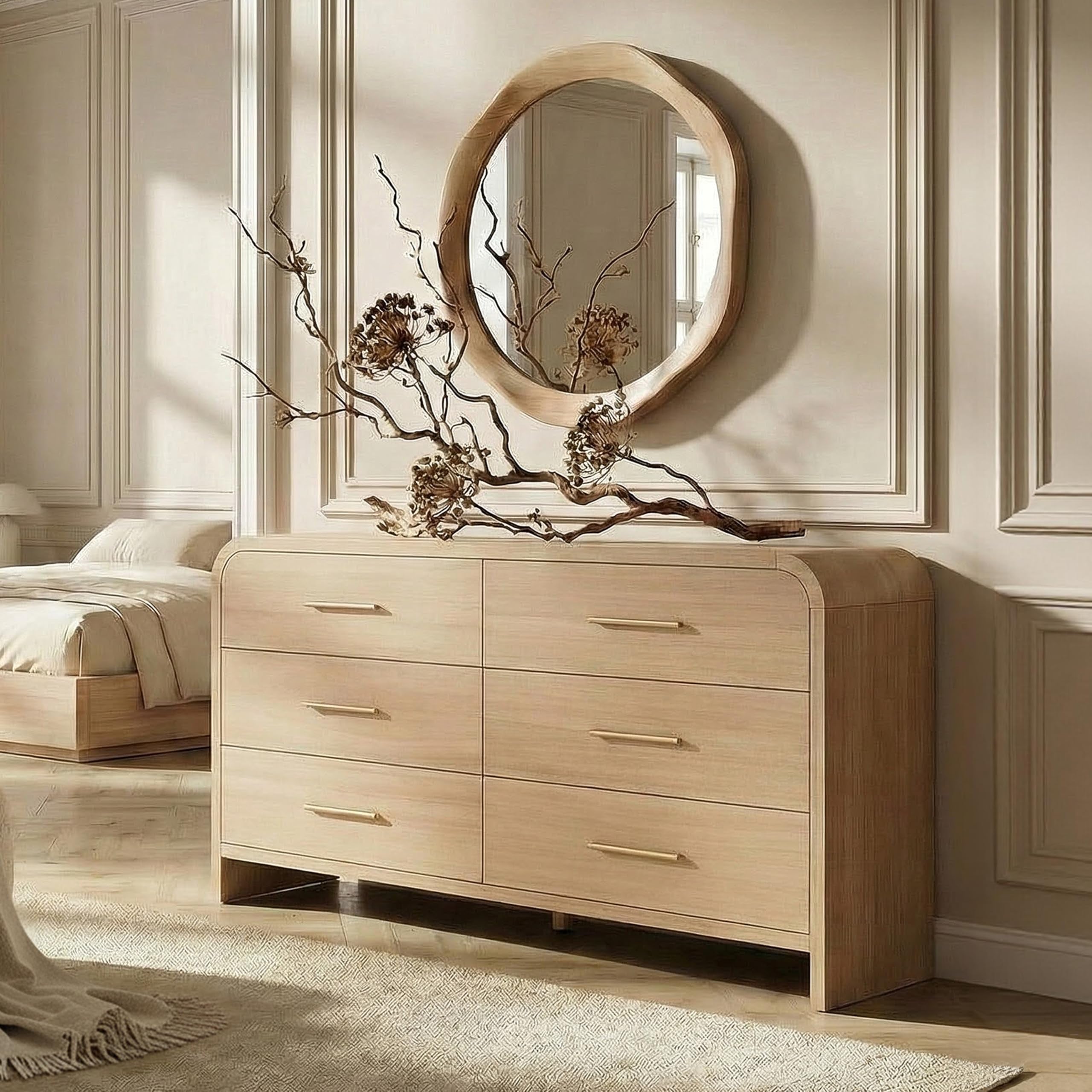
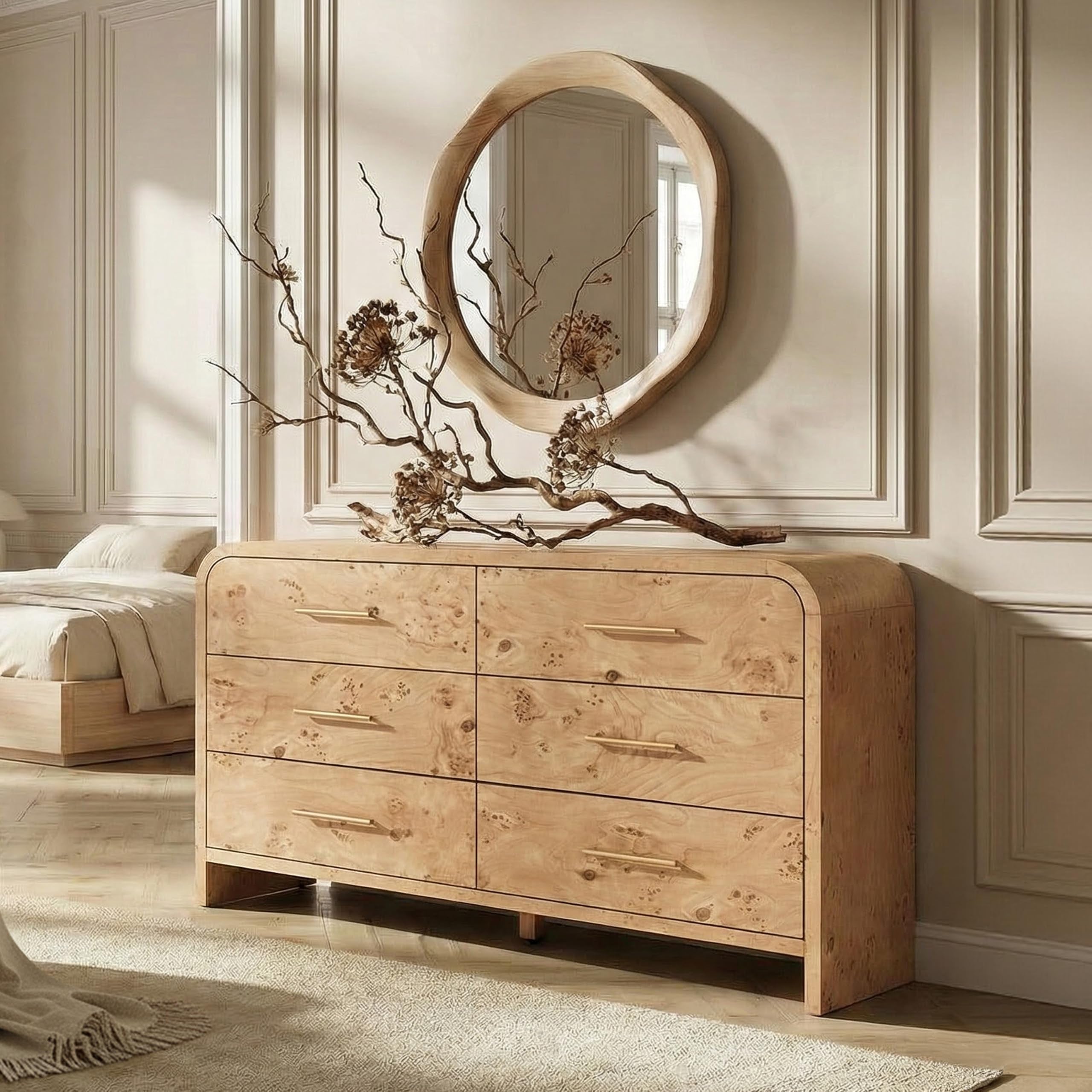
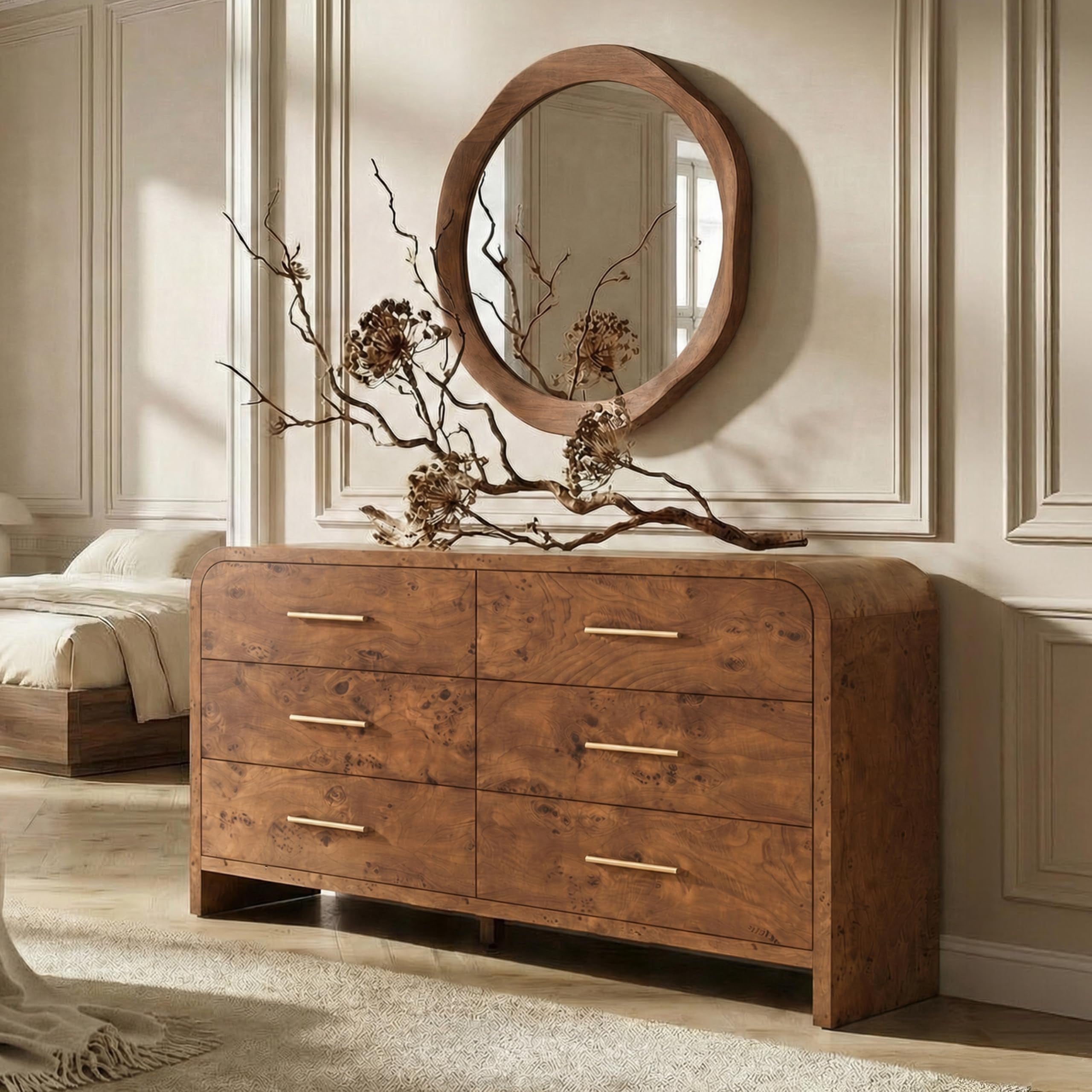
Pieces like dressers or storage cabinets do more than store items—they help visually “calm down” the space.
Step 4: Limit surfaces, not style
Many people try to make bedrooms calm by adding decor.
But calmness usually comes from what is not there.
Instead of filling surfaces:
- keep nightstands mostly clear
- avoid too many decorative objects
- choose 1–2 meaningful items only
A single lamp and one small object often feels more peaceful than a crowded setup.
Step 5: Use lighting to soften the space
Lighting has a strong emotional effect in bedrooms.
Harsh lighting makes everything feel active.
Soft lighting makes everything feel slower.
To create a calm mood:
- use warm light instead of cool white
- avoid strong overhead lighting at night
- add soft bedside lighting if possible
Good lighting doesn’t decorate the room—it changes how the room feels.
Step 6: Let the bed stay visually simple
The bed is usually the largest visual element in the room.
To keep it calm:
- avoid too many pillows
- stick to neutral or soft colors
- keep bedding simple and consistent
A visually quiet bed makes the entire room feel more relaxed.
Final thoughts
Creating a calm bedroom isn’t about adding more decor.
It’s about:
- reducing clutter
- improving storage
- simplifying surfaces
- and creating visual order
Once the room has structure, it naturally feels more peaceful—even without changing much.
In most cases, calmness doesn’t come from what you add.
It comes from what you remove, and how you organize what remains.
🔗Check it out here: Fluted 9-Drawer Dresser with Marble Top

